

Lesson 1: Generalized Anxiety Disorder Course

Duration:70 minutes
Topic Introduction:If you're constantly worrying, don't rush to blame yourself. The AI-powered healing Q&A section can help you clarify what's troubling you most lately: what happened, what you're afraid of, and where your body feels tight. The dialogue will help break down your anxiety into smaller, manageable steps for today. It doesn't replace a doctor or therapist; if the pain intensifies, please seek help promptly. You can also end by writing, "I've tried my best," to make yourself seen first, and then slowly move forward.
○ Course Topic Audio
Lesson 1: Generalized Anxiety Disorder Course
Click to view the read-aloud text
Generalized anxiety is often not about worrying about a single event, but rather a constant stream of open windows in the mind: worrying about not doing well before work even starts, fearing accidents before family members even leave the house, and imagining the worst-case scenario for the slightest physical discomfort. It makes it difficult to relax; the mind races before sleep, and tension arises in the neck, stomach, chest, and breathing. Learning this set of content aims to gradually let go of the self-blame of "I'm too fragile" and instead understand how anxiety amplifies responsibility, danger, and uncertainty. You will practice distinguishing between real problems and false alarms, and learn to write down your worries, postpone dealing with them, and break them down into small, actionable steps. Recovery isn't about never worrying again, but about preventing worry from constantly controlling you. Even simply learning to stop, drink water, breathe, and steady your feet during a tense moment is regaining some control. Remember, you are not unworthy of understanding because you overthink; many people with chronic anxiety simply haven't felt truly safe for too long. This set of exercises breaks down anxiety in great detail: what happened before the worry arose, where in the body tensed up first, what kind of disaster imagery most frequently flashed through the mind, and which behaviors, seemingly solving the problem, were actually just repetitive confirmation. You'll gradually discover that anxiety loves to urge you to "think things through immediately," but many things in life cannot be absolutely safe through excessive analysis. During practice, you don't need to deal with all your worries at once. You can choose the smallest one first, write down the evidence, the possibilities, and the next steps. This isn't denying risk, but rather bringing the risk down to a suitable level. Once your body is no longer constantly on alert, sleep, focus, and relationships will gradually have room to recover. Later, you'll be better able to understand your body: which worries are just habitual warnings, and which ones truly require action. This way, your mind won't be in constant turmoil, and life can gradually find peace. In later exercises, you can address the most troubling worry of the day separately, preventing it from spreading into a life-altering danger. You'll gradually realize that peace of mind isn't about thinking through everything, but about knowing you can handle things step by step.

AI Healing Q&A
If you've been feeling uneasy lately, don't rush to call yourself weak. This Q&A section can help you express your concerns: what are you afraid of, what's holding you back, and what's causing the most discomfort? You can write down just one small thing; it doesn't need to be detailed. AI will help you gradually distinguish between real-world pressures and your imagined worst-case scenario, and then help you find a small action you can take today to calm yourself down. Even if you can only do a little today, it's still worth gently acknowledging. Let's start here.

○ Music therapy guidance
Music therapy can begin with a quiet, steady-rhythm piece. Turn the volume down, sit down, and focus on your breathing and shoulder position. Don't rush to make your anxiety disappear; simply give your body a "safe" reminder. If you feel more tense while listening, pause and switch to natural sounds or quiet rest. Even just a few minutes today is taking care of yourself. After practicing, write down the areas of your body that first relaxed, allowing yourself to see even the smallest changes.

○Eastern and Western Healing Teas
Recommended beverage: Biluochun tea. Reason for recommendation: Refreshing and invigorating, helps keep the mind clear and relieves mental clutter caused by excessive worry. Preparation: Take 3 grams of tea leaves and steep in 85℃ hot water, adding water 2-3 times. Recommended dietary therapy: Greek salad, composed of tomatoes, cucumbers, purple onions, black olives, feta cheese, and olive oil; low in calories, high in fiber, and suitable for all seasons.
○ Healing Recipes
Greek Salad
A Greek salad is a suitable healing meal after this lesson. It's gentle, easy to prepare, and low-burden, providing a stable source of energy to the body after learning about generalized anxiety, reducing the amplification of anxiety experiences caused by hunger, fatigue, and tension. Eat slowly, observing your hunger, satisfaction, breathing, and feelings of relaxation. It doesn't aim for elaborate plating, but rather serves as a gentle replenishment after anxiety practice. Let the food become part of your sense of security, helping your body return from tension.
Open the healing recipe
◉ Mediterranean Diet - Greek Salad
I. Recommended Dietary Therapy and Reasons
Recommended dishes:Greek Salad
Recommended reasons: Greek salad is a refreshing, light, and easy-to-make Mediterranean dish, perfect as a light meal to help stabilize your body's rhythm during social anxiety classes. Tomatoes, cucumbers, and purple onions provide ample moisture, dietary fiber, and a crisp texture, while black olives and extra virgin olive oil offer gentle fats, and feta cheese adds a savory flavor, calcium, and protein. It requires no complicated cooking, can be prepared quickly, and is suitable for times of anxiety, stress, unstable appetite, or when you don't want to cook a heavy meal, allowing your body to achieve a gentle calming effect between lightness and satiety.
2. Recipe and Method
Recipe (1–2 servings):
- Two tomatoes, chopped
- Cut one cucumber into thick slices or half-moon slices.
- 1/4 purple onion, finely sliced
- 8–10 black olives
- 50–70 g feta cheese, cut into cubes or crumbled.
- 1.5–2 tablespoons extra virgin olive oil
- 1 tablespoon of lemon juice or red wine vinegar
- At least a few dried beef
- A pinch of black pepper
- A pinch of sea salt, adjust according to the saltiness of the cheese.
practice:
- Wash the tomatoes and cut them into bite-sized pieces. Cut the cucumbers into slightly thicker slices to retain their crisp texture.
- Finely slice the purple onion. If you don't like the spiciness, soak it in cold water for 3–5 minutes and then drain.
- Place the tomatoes, cucumbers, purple onions, and black olives in a large bowl.
- Add extra virgin olive oil, lemon juice or red wine vinegar, and gently toss.
- Sprinkle in dried oregano, black pepper, and a pinch of sea salt, and gently mix again.
- Finally, add feta cheese, avoiding over-stirring to prevent the cheese from crumbling completely.
- Let it sit for 3–5 minutes to allow the tomato juice, olive oil, and herb aromas to blend naturally before serving.
3. Small rituals for body and mind
When preparing the ingredients, place the tomatoes, cucumbers, purple onions, and black olives separately on a plate and observe their colors and shapes. This process can help shift your focus from "how others see me" back to "what I am doing."
When pouring in the olive oil, slow down and feel the ingredients transform from scattered pieces into a cohesive whole. Remind yourself: I don't need to perform perfectly right away; I just need to gently bring myself back to the present moment.
When you take your first bite, savor the crispness, moisture, saltiness, and acidity to let your body know that this moment is safe, simple, and tolerable.
4. Dietary Therapy Experience Record
- Record when you eat it: whether it's breakfast, lunch, dinner, or a light meal before or after a social event.
- Observe the changes in stomach burden, refreshment, satiety, and mental stability within 30–60 minutes after consumption.
- If you consume it on days when social anxiety is particularly pronounced, you can record whether it helps reduce feelings of heaviness and restore a sense of control over your body.
V. Instructional Videos (approximately 3–5 minutes)
Video Title:Greek Salad: A refreshing and nutritious Mediterranean recipe ready in 10 minutes.
V. Instructional Videos (approximately 3–5 minutes)
Video Title:Greek Salad: A refreshing and nutritious Mediterranean recipe ready in 10 minutes.
6. Precautions
- Feta cheese and black olives contain salt, so add salt sparingly when seasoning to avoid making the whole dish too salty.
- Those with sensitive stomachs can reduce the amount of purple onion used, or soak it in cold water before adding it.
- It is recommended to choose extra virgin olive oil and not to use oils with a strong flavor or that have been repeatedly heated.
- If you need to control calories, you can reduce the amount of feta cheese and olive oil, but it is not recommended to remove them completely, so as not to reduce the feeling of fullness.
hint:This recipe is for daily physical and mental well-being and is not a substitute for any medical diagnosis or treatment. If you have dairy allergies, require a low-sodium diet, have kidney disease, or have special nutritional restrictions, please prioritize following the advice of your healthcare provider and nutritionist.

○Mandala Healing
When you first encounter generalized anxiety disorder, you can treat the mandala as a quiet companion. Slowly look towards the center, then let your gaze follow the lines outwards, as if telling your body: I am observing, not being driven by anxiety. If your mind is still chaotic, that's okay; just stay still for a few minutes. At the end, gently ask yourself: What kind of peace do I need most right now? You can write down a word afterward as a gift to yourself, even if it's just "quiet" or "rest." This will give the practice a more focused purpose.
● AI Dynamic Geometric Vision Focus and Emotion Regulation Engine ●
AI Dynamic Geometric Vision Focus and Emotion Regulation Engine · v7.0.0
Before we begin, I'd like to know how you feel right now.
There is no standard answer; just choose the one that best reflects how you feel right now.
The experience is over. Tell us how you feel now.
There is still no standard answer; just choose the one that best reflects how you feel right now.
#FF5252
After the fluorescent line crawling is completed and stopped, first select a color, then click on the closed area in the graphic to fill in the color.
AI Digital Mandala Static Focus EngineAZ Image Coloring · 60 Colors
AI Digital Mandala Interactive Focus Engine
A–Z Free Selection · Layered Lines · 60 Color Fills

○ Calligraphy and engraving therapy practice
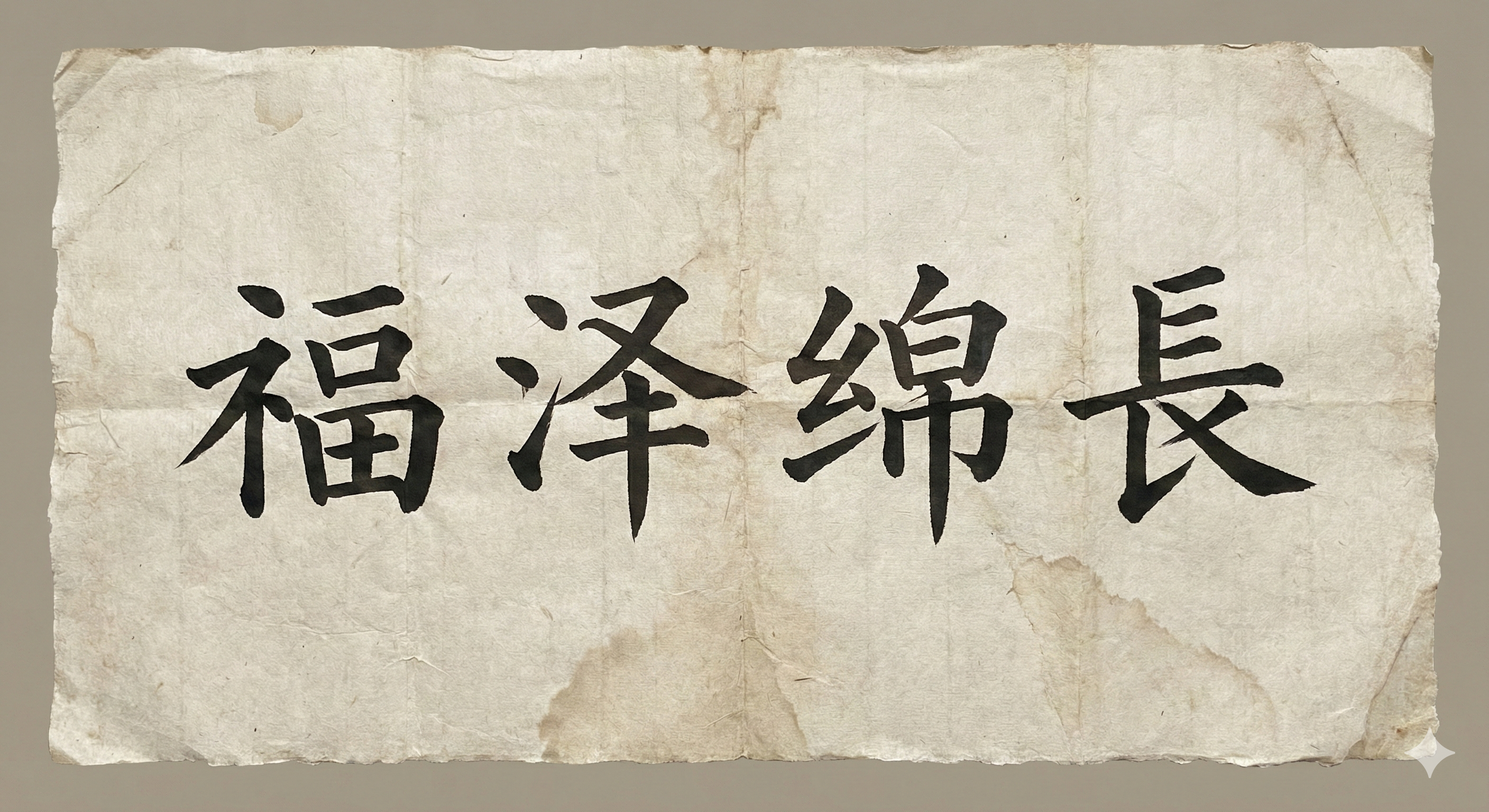
Learning regular script calligraphy begins with proper posture. This posture refers not only to the shape of the characters, but also to a stable state of body and focus. The focus of this lesson is not on writing a large number of characters, but on ensuring that each stroke has a clear starting point and stable support. Write the phrase: "May blessings be long-lasting." Before writing each character, pause for a moment to check if your body is upright and your breathing is steady. If you feel agitated, stop writing before continuing.

○ Art Therapy Guidance
Objective: To understand that anxiety is often a result of false alarms and to help distinguish between perceived danger and actual danger. Steps: 1. Draw a false alarm signal tower on paper. 2. Red ripples emanating from the top of the tower represent anxiety signals. 3. Mark the fact area in the corner of the drawing, using cool colors. 4. Add a confirmation area in the center, writing down breathing, observation, or delayed response. 5. After completion, write a sentence: This is a feeling, not a conclusion.
Please log in before submitting your drawings and feelings.

○ Diary Healing Suggestions
① What is my new understanding of generalized anxiety, and how does it differ from ordinary worry? ② What were your three most frequent worries over the past week, and what were the triggering situations? ③ How have these worries affected your sleep, attention, productivity, and interpersonal communication? Rate each from 0 to 10. ④ If your worries come true, what are the worst, most likely, and best-case scenarios? ⑤ Choose a minimum feasible action. ⑥ Write down your anxiety level for today and your first step for tomorrow.
Please log in to use.
The most prominent characteristic of generalized anxiety is that worries are everywhere. When you learn to see them, categorize them, and put them aside, your mind will gradually find a stable place.