

Lesson 1011: Psychological Reconstruction After a Traumatic Event

Duration:70 minutes
Topic Introduction:Traumatic events can shatter feelings of security, trust, and control over life. Rebuilding requires stabilization first, followed by a gradual process of processing the experience. This section helps learners understand a safe, stable, and integrated recovery path, allowing themselves to proceed slowly and iteratively.
○ Course Topic Audio
Lesson 1011: Psychological Reconstruction After a Traumatic Event
Click to view the read-aloud text
Today we'll learn about "Psychological Reconstruction After a Traumatic Event." Traumatic events shatter feelings of security, trust, and control, and psychological reconstruction requires three stages: safety, stability, and integration. Many people, when experiencing change, rush to demand immediate recovery or blame themselves for not being strong enough. In reality, adaptation takes time. Emotional fluctuations, physical tension, and disruptions to sleep and movement are often signals that the mind and body are re-establishing balance. Put aside judgment and give yourself a more gentle perspective. Don't rush to recount the entire story; instead, confirm your safety, whether you have a support system, and whether you have supporters around you. Once you've stabilized, the experience can be gradually organized. When practicing, don't strive for immediate improvement; instead, focus on seeing more of the underlying structure amidst the chaos. You can also choose a minimal action, such as eating on time, taking a short walk, contacting a trusted person, or getting some rest. If your emotions are very intense, you experience self-harm thoughts, or you are unable to maintain basic living habits, please contact professionals or local crisis support resources immediately. Adaptation isn't about enduring until you become numb; it's about slowly restoring rhythm in a safe, understanding, and supportive environment. May you feel less self-blame and more care in your studies today; less impatience and more patience. You are going through difficulties, but difficulties do not define you. As long as you are willing to start with a small action, stability will gradually return to your life. If you find yourself wanting to recover while also feeling resistant, please don't see this contradiction as a regression. Change can loosen old senses of security, and a new way of life is not yet fully established, so wavering, hesitation, and fatigue are all possible. You can treat today as a gentle stop: first, confirm that you are still here, then confirm what can still be done. Every small confirmation helps your nervous system to believe again that life can still be organized. Don't rush to prove that you are okay, and you don't need to explain everything to anyone. Just be with yourself in this moment. If you find yourself wanting to recover while also feeling resistant, please don't see this contradiction as a regression.

AI Healing Q&A
The AI-powered healing Q&A section aims to help learners understand the safe, stable, and integrated recovery sequence, without forcing themselves to move on quickly. When interacting, please describe the specific event, your thoughts at the time, your physical sensations, and the help you need. The AI will assist in organizing your thoughts with gentle questions and suggest actionable small actions, but it cannot replace doctors, psychologists, or crisis intervention. If there is a risk of self-harm or if the condition continues to worsen, please contact offline professional resources promptly. After the Q&A session, please record one small action you can take today.

○ Music therapy guidance
Post-traumatic recovery is best supported by low-stimulation, stable music without sudden high notes. While listening, focus on only one thing: confirming the safety of your environment. Don't force yourself to recall details or rush to interpret the meaning. Let the music first let your body know that the danger has receded. After listening, write down the part of your body that felt most relaxed, giving yourself a small boost. Don't judge it as good or bad; simply allow yourself a moment of gentle companionship. If your emotions are still fluctuating, take a sip of water and slow down.
○Eastern and Western Healing Teas
○ Eastern and Western Healing Teas
Western Healing Tea Drinks: Cocoa Healing
Spicy cocoa drink
Description: This spicy cocoa drink combines chili peppers and ginger powder for a powerful stimulating effect. Capsaicin in chili peppers helps boost metabolism, improve blood circulation, and stimulate the body's energy. This drink is suitable for relieving low mood and fatigue caused by depression, helping to cleanse the body and mind and enhance vitality.
Directions: Mix 2 tablespoons of raw cocoa powder, 1/4 tablespoon of chili powder, and 1/2 tablespoon of ginger powder with 250ml of hot water. Add 1 tablespoon of honey and stir well. Drink before daily meditation or when you need energy; it helps to enhance mood and boost vitality.
○ Healing Recipes
31. Pine Nut and Corn Soup
The recommended recipe for this lesson is: 31. Pine Nut and Corn Soup. Please click the "Click to view healing recipe" button below to open the full recipe page, where you can view the recipe, instructions, mind-body rituals, experience records, instructional videos, and precautions.
Recipe file:
u27_lesson_1011_recipe_31.html

○Mandala Healing
For post-traumatic recovery, please choose a stable, low-stimulation mandala to view. Don't force yourself to recall details; simply confirm that the environment is safe at this moment. Let the center of the pattern guide your body to know that the danger has moved away. After viewing, please look away from the screen, blink gently, and record the part of your body that feels most at ease at this moment. There's no need to judge whether you did well or not; just acknowledge that you were taking care of yourself in this moment. Please take your time. Let these few minutes be a gentle rest, not a new task.
● AI Dynamic Geometric Vision Focus and Emotion Regulation Engine ●
AI Dynamic Geometric Vision Focus and Emotion Regulation Engine · v7.0.0
Before we begin, I'd like to know how you feel right now.
There is no standard answer; just choose the one that best reflects how you feel right now.
The experience is over. Tell us how you feel now.
There is still no standard answer; just choose the one that best reflects how you feel right now.
#FF5252
After the fluorescent line crawling is completed and stopped, first select a color, then click on the closed area in the graphic to fill in the color.
AI Digital Mandala Static Focus EngineAZ Image Coloring · 60 Colors
AI Digital Mandala Interactive Focus Engine
A–Z Free Selection · Layered Lines · 60 Color Fills

○ Calligraphy and engraving therapy practice
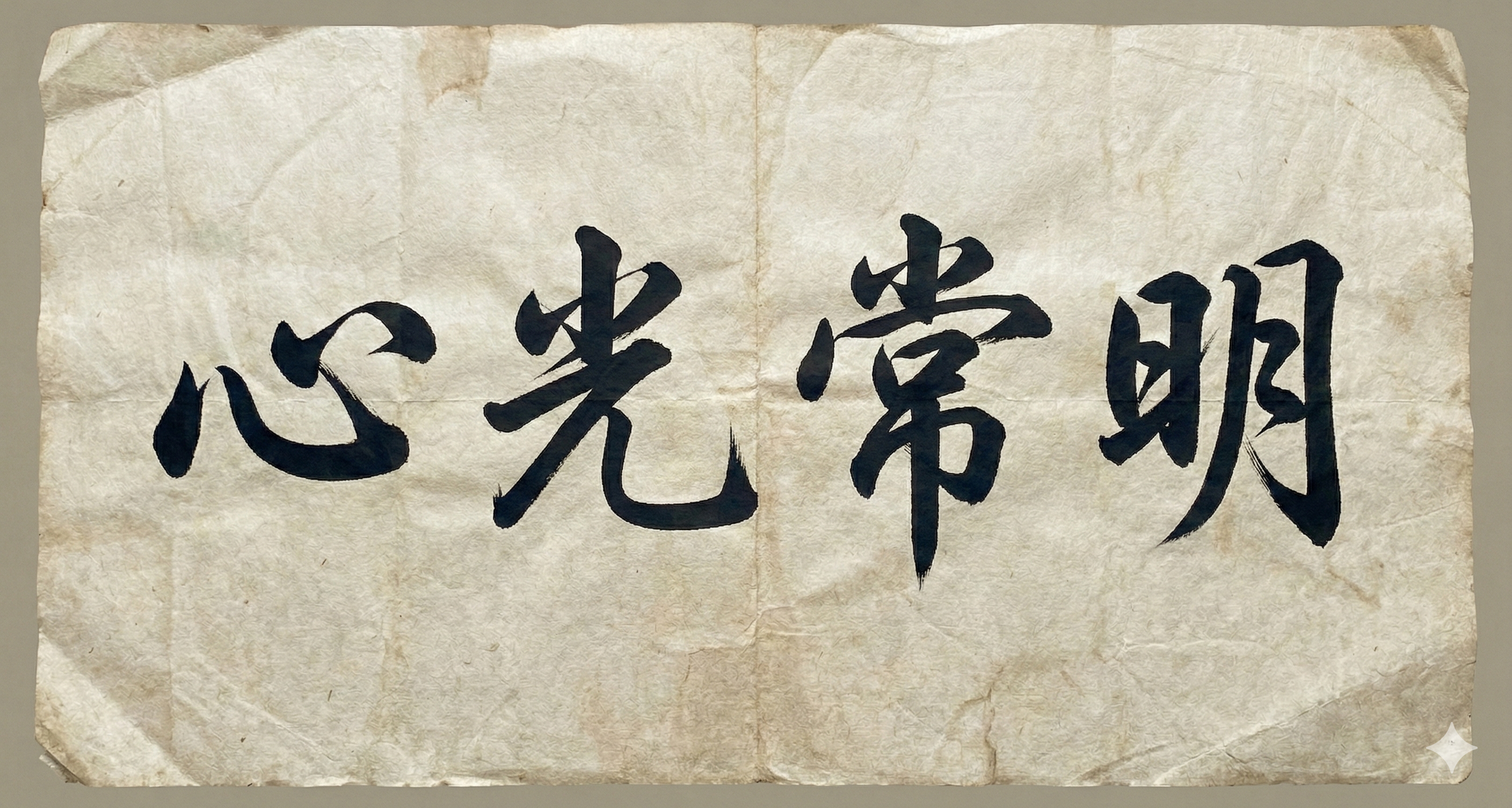
Writing practice after a traumatic event should be especially gentle. First, ensure the environment is safe before engaging in short, low-intensity movements. There's no need to delve into details or force complete expression. Let the paper and pen accompany your body as it regains a sense of stability; recovery can be gradual. After finishing, put down the tools, gently move your fingers, and record the most relaxed part of your body. There's no need to judge whether it's good or bad; simply recognize that you've completed a gentle act of companionship. Please take your time. Please take your time. Please take your time.

○ Art Therapy Guidance
Drawing exercises following a traumatic event should be very gentle. Only depict the sense of security you feel at this moment, avoiding details you don't want to confront. Use boundaries, light, and soft blocks of color to represent stability. Recovery doesn't need to be rapid; first, let your body know you are safe now. After finishing, step back and observe, noting the quietest part of the image. Don't judge it as good or bad; simply see that your emotions have been gently placed on the paper. If you still feel emotional, that's okay. Take a sip of water and take your time. Please take your time.
Please log in before submitting your drawings and feelings.

○ Diary Healing Suggestions
Please write down the one thing that made you feel most allowed today: Post-traumatic recovery can be slow and repetitive. Record a condition that made your body feel slightly safe. Write down a small action, such as reducing stimulation, maintaining a stable environment, or performing only one brief reassurance. After writing, please read it gently, without rushing to revise, simply thanking yourself for being honest and staying still. If you can only write a little today, that's perfectly fine; authenticity is more important than completeness. Please schedule this small action for today or tomorrow, making care concrete and feasible. May this record be a gentle guide for you to return to yourself.
Please log in to use.
May you gradually return to a more stable, clear-headed, and gentler version of yourself through today's practice.