

Lesson 1012: Psychological Adjustment Disorders and Family Systems Therapy

Duration:70 minutes
Topic Introduction:Individual adjustment difficulties are often related to family interaction styles. Excessive blame, silence, control, or neglect can all exacerbate stress. This section helps learners understand the impact of family systems and attempts to reduce secondary harm through communication rules and role adjustments.
○ Course Topic Audio
Lesson 1012: Psychological Adjustment Disorders and Family Systems Therapy
Click to view the read-aloud text
Today we'll learn about "Psychological Adjustment Disorders and Family Systems Therapy." Family interaction patterns can affect adjustment and recovery; blame, silence, control, or role confusion can all exacerbate secondary stress. Many people, when experiencing change, rush to demand immediate recovery or blame themselves for not being strong enough. In reality, adjustment takes time. Emotional fluctuations, physical tension, and disruptions to sleep and movement are often signals that the mind and body are re-establishing balance. Put aside judgment and give yourself a more gentle perspective. Observe who in your family is always taking the blame, who is always avoiding it, and whose feelings are being ignored. Start with a small rule: pause when emotions are too high, and be specific when stating your needs. Don't strive for immediate improvement during practice; instead, focus on seeing more of the underlying structure amidst the chaos. You can also choose a minimal action, such as eating on time, taking a short walk, contacting a trusted person, or getting some rest. If emotions are very intense, self-harming thoughts arise, or you are unable to maintain basic living standards, please contact a professional or local crisis support resources immediately. Adjustment is not about enduring until you become numb, but about slowly restoring rhythm in a safe, understanding, and supportive environment. May you feel less self-blame and more care in your studies today; less impatience and more patience. You are going through difficulties, but difficulties do not define you. As long as you are willing to start with a small action, stability will gradually return to your life. If you find yourself wanting to recover while also feeling resistant, please don't see this contradiction as a regression. Change can loosen old senses of security, and a new way of life is not yet fully established, so wavering, hesitation, and fatigue are all possible. You can treat today as a gentle stop: first, confirm that you are still here, then confirm what can still be done. Every small confirmation helps your nervous system to believe again that life can still be organized. Don't rush to prove that you are okay, and you don't need to explain everything to anyone. Just be with yourself in this moment. If you find yourself wanting to recover while also feeling resistant, please don't see this contradiction as a regression.

AI Healing Q&A
The AI-powered healing Q&A section guides learners to observe blame, silence, control, and role burdens within the family, and to practice clearer communication boundaries. During the interaction, please describe the specific event, your thoughts at the time, your physical sensations, and the help you need. The AI will assist in organizing your thoughts with gentle questions and suggest actionable small actions, but it cannot replace doctors, psychologists, or crisis intervention. If there is a risk of self-harm or if the condition continues to worsen, please contact offline professional resources promptly. After the Q&A session, please record one small action you can take today.

○ Music therapy guidance
Family systems therapy classes may include multi-part ensemble music, allowing you to feel that each sound has its place and its boundaries. While listening, reflect on which interactions in your family make you tense, and which responses can be gradually adjusted. The music reminds you that relationships can be relearned, not just endured. After listening, please write down the part of your body that felt most relaxed, giving yourself a small boost. Don't judge it as good or bad; simply allow yourself a moment of gentle companionship. If your emotions are still fluctuating, please drink some water and take it slow.

○Eastern and Western Healing Teas
○ Eastern and Western Healing Teas
Western Healing Tea Drinks: Cocoa Healing
Spiced Cocoa Drink
Introduction: This spiced cocoa drink is made from natural herbs such as cocoa, cinnamon, and turmeric, offering soothing and anti-inflammatory benefits. Cinnamon helps regulate blood sugar, while turmeric possesses powerful antioxidant and anti-inflammatory properties. This beverage not only helps boost immunity but also alleviates physical discomfort caused by anxiety and depression, promoting physical and mental balance.
Directions: Mix 2 tablespoons of raw cocoa powder, 1/2 tablespoon of cinnamon powder, and 1/2 tablespoon of turmeric powder with 250ml of hot water, stir well, and finally add honey to taste. Drink daily during meditation or when you need to relieve stress to help relax your mind and body and enhance your spiritual connection.
○ Healing Recipes
32. Ginkgo and Lily Bulb Soup
The recommended recipe for this lesson is: 32. Ginkgo and Lily Bulb Soup. Please click the "Click to view healing recipe" button below to open the full recipe page, where you can view the recipe, instructions, mind-body rituals, experience records, instructional videos, and precautions.
Recipe file:
u27_lesson_1012_recipe_32.html

○Mandala Healing
In family systems therapy, please visualize a mandala composed of multiple parts. Each shape has its place and boundaries. It reminds you that family relationships can be relearned, not just through endurance, nor by bearing all emotions. After viewing, please look away from the screen, blink gently, and record the most comfortable part of your body at this moment. There's no need to judge whether you did well or not; simply acknowledge that you are taking care of yourself in this moment. Take your time. Let these few minutes be a gentle rest, not a new task.
● AI Dynamic Geometric Vision Focus and Emotion Regulation Engine ●
AI Dynamic Geometric Vision Focus and Emotion Regulation Engine · v7.0.0
Before we begin, I'd like to know how you feel right now.
There is no standard answer; just choose the one that best reflects how you feel right now.
The experience is over. Tell us how you feel now.
There is still no standard answer; just choose the one that best reflects how you feel right now.
#FF5252
After the fluorescent line crawling is completed and stopped, first select a color, then click on the closed area in the graphic to fill in the color.
AI Digital Mandala Static Focus EngineAZ Image Coloring · 60 Colors
AI Digital Mandala Interactive Focus Engine
A–Z Free Selection · Layered Lines · 60 Color Fills

○ Calligraphy and engraving therapy practice
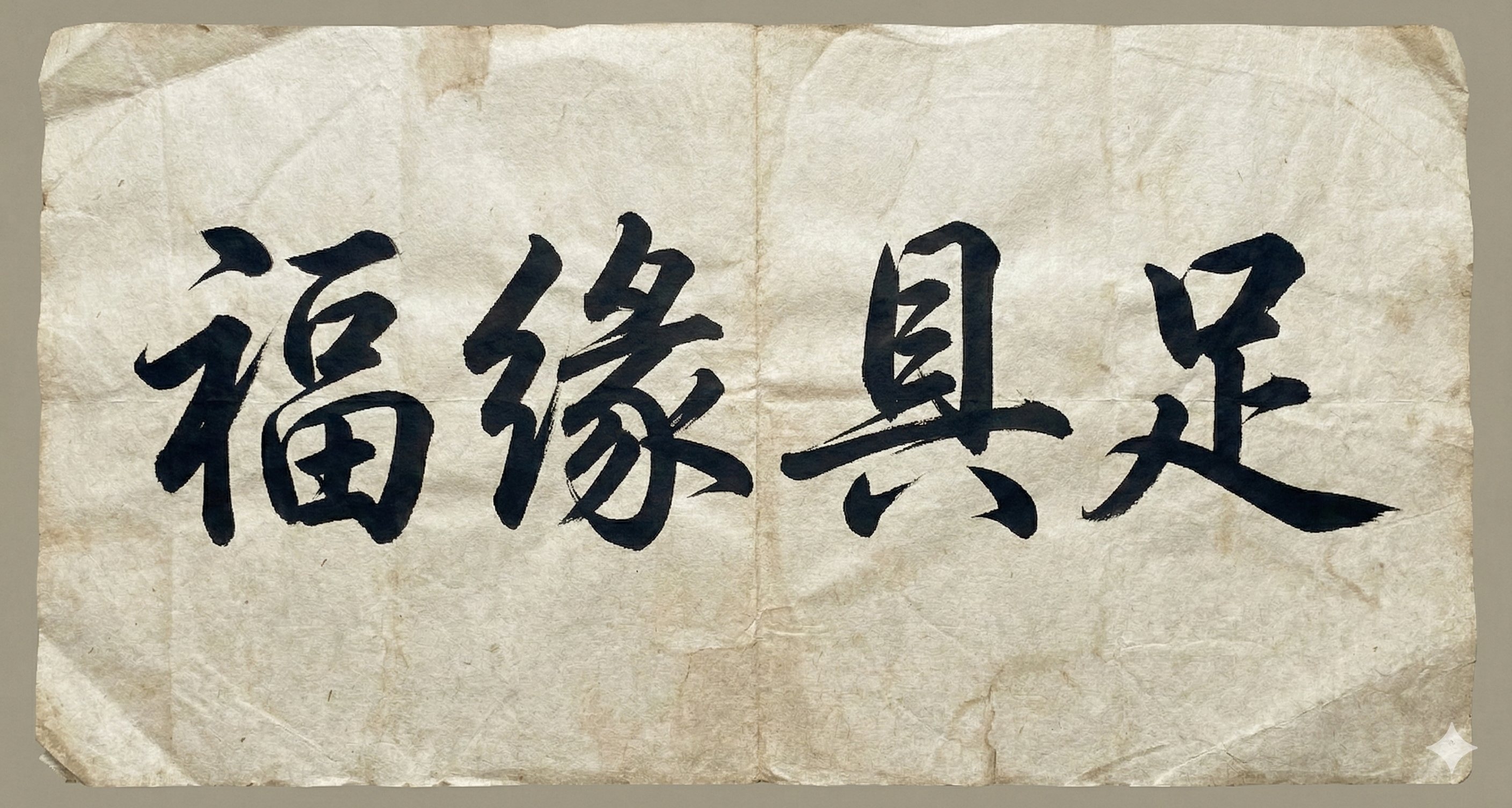
In family systems therapy, writing exercises can help you feel your place and boundaries. Observe how each stroke begins, stops, and turns; you don't need to do it for others. It reminds you that you can have your own space in relationships and don't have to bear all your emotions. After the exercise, put down the tools, gently move your fingers, and record the most relaxed part of your body. There's no need to judge whether it's good or bad; just recognize that you have completed a gentle act of companionship. Take your time. Let these few minutes be a safe haven, not a source of new pressure.
○ Art Therapy Guidance
In family systems therapy, images can be used to represent distance, roles, and boundaries in relationships. You don't need to draw specific people; just use shapes and positions to express the feeling of interaction. The image helps you see where things are too close and where more space is needed. After finishing, take a step back and look at the image, noting the quietest spot. There's no need to judge it as good or bad; just see that your emotions have been gently placed on paper. If you still feel emotional, that's okay. Take a sip of water and take it slow. Please take your time.
Please log in before submitting your drawings and feelings.

○ Diary Healing Suggestions
Please record the family interaction pattern that touched you most today. Don't blame anyone; just see how it affects you. Write down a boundary you'd like to gradually adjust. Then write down a small action, such as stopping the argument, expressing feelings, or making a need more specific. After writing, please read it gently. Don't rush to revise; just thank yourself for being honest and staying still. If you can only write a little today, that's perfectly fine; authenticity is more important than completeness. Please schedule this small action for today or tomorrow, making caregiving concrete and feasible. May this record become a gentle guide for you to return to yourself. Please write slowly.
Please log in to use.
May you gradually return to a more stable, clear-headed, and gentler version of yourself through today's practice.
This unit's comprehension test
After completing the lesson's main topic, you can access the corresponding lesson's comprehension test here.