

Lesson 103: Training in Reconstructing Fearful Images

Duration:70 minutes
Topic Introduction:Fear often evokes catastrophic images, such as a stuck elevator or a dog biting someone. This lesson uses image reshaping to help you slowly rewrite those images, making them more manageable. When practicing, focus on small goals, observing only one reaction or performing a gentle action. You don't need to change yourself immediately; simply try to understand a little more within safe limits. Each record and pause is the beginning of rebuilding stability. When practicing, focus on small goals, observing only one reaction or performing a gentle action.
○ Course topic audio
Lesson 103: Training in Reconstructing Fearful Images
Click to view the read-aloud text
When learning "Fear Image Reconstruction Training," please put aside self-blame for now. Specific fears are not cowardice or affectation, but rather the body's automatic entry into escape, freeze, or defense modes after the brain deeply associates a stimulus with danger. The brain often retains catastrophic images. This lesson uses image reconstruction to gradually rewrite death scenarios into manageable risks, reducing the visual impact. When fear is triggered, you may experience a racing heart, trembling hands, chest tightness, nausea, or even the urge to flee immediately. Remember, this is not a lack of courage, but rather the amygdala and sympathetic nervous system activating survival programs. The body doesn't know it's an exercise; it only knows that past dangerous memories have been awakened. The first step in this lesson is to concretize the fear. Don't just write "I'm scared," but clearly state: what I'm afraid of, what the most terrifying image is, what I'm worried about happening, and how I would usually escape. Writing down the fear transforms it from mental fog into observable material. The second step is to establish safe boundaries. Any exposure exercise should not begin with the most intense scenario. You can start by creating an anxiety level chart from 0 to 10, progressing from looking at a picture, saying its name, getting closer, pausing for a few seconds, to actual contact, level by level. Each level should have an exit signal, a recovery action, and a support method. A sense of security is not weakness; it's the foundation for retraining the brain. The third step is learning to pause and reflect. When your body's anxiety intensifies, you don't need to immediately prove you're okay. Just stay a little longer within your tolerance range and record the facts: how long you paused, how your fear level decreased, and what actually happened. Reflection can gradually rewrite the disaster narrative of "I almost died" into "I experienced a strong physical reaction, but I survived." If the practice causes persistent insomnia, panic, a strong urge to harm yourself, or significant triggering of past trauma, please stop practicing and seek help from a therapist, doctor, or trusted supporter. Healing is not about pushing yourself to the brink of collapse, but about relearning under sufficiently safe conditions. Finally, give yourself a reassuring reminder: fear is not everything; it's just a protective mechanism your body has learned. Today, simply naming a fear, completing a minimal exposure, or gently reflecting on the experience afterward is already establishing a new relationship with that fear. After reading aloud, please write down a minimum-intensity exercise and a recovery movement after exposure. Next time you face fear, don't strive for immediate courage; just remember to breathe, pause, record, and reflect. You are not learning to eliminate bodily reactions, but rather to retain some options when they arise. Each safe, small exposure allows the brain to update its risk assessment slightly. After reading aloud, please write down a minimum-intensity exercise and a recovery movement after exposure. Next time you face fear, don't strive for immediate courage; just remember to breathe, pause, record, and reflect.
○ AI Healing Q&A
For training focused on reshaping fear images, you can tell the AI the specific object of your fear, the triggering scenario, your physical reactions, and your most feared outcome. We'll first organize facts, guesses, and catastrophic imaginations, then find the lowest-intensity practice steps. Please be specific, including location, people, distance, duration, and your desired exit method. Please be specific, including location, people, distance, duration, and your desired exit method. Please be specific, including location, people, distance, and time.
○ Music therapy guidance
After learning the reshaping training of fear images, it is recommended to choose slow, repetitive, low-stimulation music or rhythms to allow your heart rate and breathing to gradually return to normal. While listening, do not analyze the melody; simply observe whether your shoulders, neck, chest, and abdomen feel relaxed. If your body remains tense, you can lower the volume and shorten the time to keep the recovery process controlled.
○ Eastern and Western Healing Teas
This lesson recommends choosing a mild, light, and non-irritating hot beverage to help stabilize the body after the fear image reconstruction training. You can choose light black tea, osmanthus oolong, chamomile tea, or warm water, sipping slowly in small amounts. Avoid drinking it too strong, too hot, or too quickly; treat the first sip as a signal to pause safely.
○ Healing Recipes
Lamb and wolfberry porridge
Lamb and goji berry porridge is a suitable healing recipe after this lesson. Based on the principles of gentleness, stability, and low burden, it replenishes the body's energy after training in reshaping fear images, reducing the amplification of specific fear experiences caused by hunger, fatigue, and tension. Eat slowly, observing the intensity of fear, breathing, hunger, satisfaction, and feelings of relaxation. It doesn't aim for elaborate plating, but rather serves as a gentle replenishment after fear exposure exercises. Let the food become part of a sense of security, helping the body return from alarm to stability.
○ Mandala Healing
After completing the image reconstruction exercise, quietly observe the mandala image. Don't rush to analyze the colors and shapes; simply let your gaze slowly move between the center, edges, and repetitive rhythms. When your attention wanders, gently bring your gaze back to the image, making the viewing an exercise in restoring order.
● AI Balance Psychological Simulation Engine ●
AI Balance Psychology Simulator
AI Mandala Color Healing EngineAZ Image Coloring · 40 Colors
○ Calligraphy and engraving therapy exercises
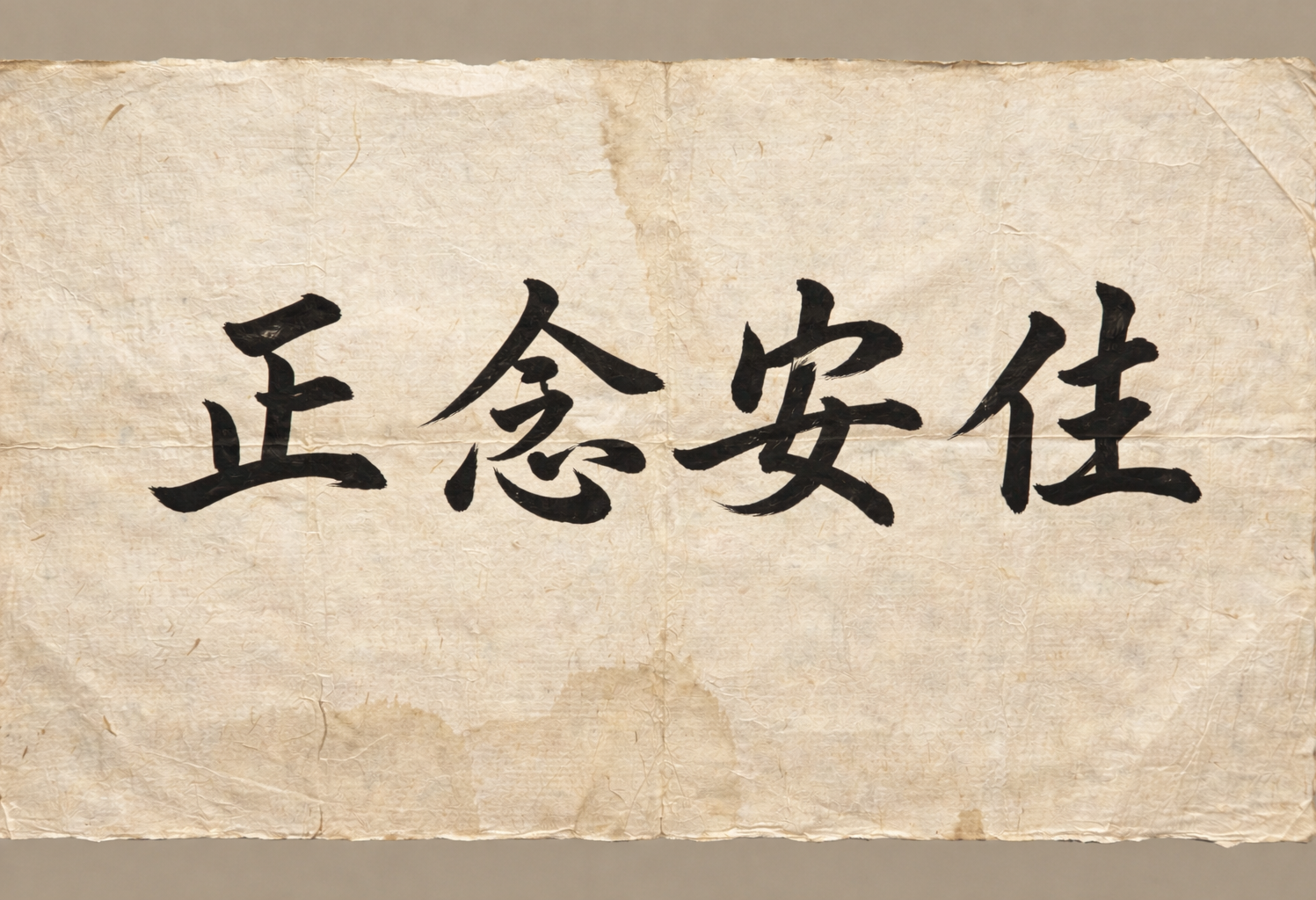
This lesson's writing exercises revolve around reshaping fear images. Choose a word, such as safety, stay, boundary, breathing, or return, and write it repeatedly with slow, deliberate strokes. Don't focus on neat handwriting; simply observe the stability of your wrist, pen tip, and breathing, allowing the fear to be placed back on the paper.
○ Guided Art Therapy
Drawing exercises can transform the objects of fear, physical sensations, or catastrophic scenes from your fear imagery training into lines, blocks of color, and distances. Don't try to make them exact likenesses; just capture the feeling. Use darker colors to represent stress and lighter colors to represent your comfort zone. Let the imagery help you see that fear isn't the whole picture of yourself.
Please log in before submitting your drawings and feelings.
○ Journaling Healing Suggestions
For the journaling exercise, please write down three points related to the fear image reshaping training: the most touching sentence of the day, the most obvious physical reaction, and a small step you are willing to try. Don't write it like a self-criticism; just honestly record your current state, and add a sentence of self-support at the end.
Please log in to use.
After reshaping the fearful image, remind yourself: the disaster image can be rewritten gradually.