
Lesson 1090: Post-Traumatic Growth (PTG) and Meaning Reconstruction
Duration:70 minutes
Topic Introduction:Post-traumatic growth is not about thanking the pain, nor is it about becoming stronger. It's simply about rediscovering value, relationships, boundaries, and meaning as life slowly recovers. Growth can be slow, and it can be tearful. We will process our experiences gently, not rushing to reveal everything, but first giving our hearts a reliable foothold. When learning, please slow down, only approaching your feelings within a safe range, allowing yourself to stabilize before understanding.
○ Course Topic Audio
Lesson 1090: Post-Traumatic Growth (PTG) and Meaning Reconstruction
Click to view the read-aloud text
Post-traumatic growth, often referred to as PTG, doesn't require you to thank the pain, nor does it imply that the trauma was meaningful. The trauma itself doesn't need to be glorified, and your pain doesn't need to be interpreted as a gift. PTG is more like, after a long period of healing, a person slowly rediscovers: I can still choose values, rebuild relationships, protect boundaries, develop strength, and perhaps even have a deeper understanding of the pain of others. Growth doesn't have to be grand; sometimes it's simply being able to finally say "no," finally getting a good night's sleep, finally being able to trust someone a little bit more. Reconstructing meaning isn't about making excuses for the past, but about gradually expanding your life narrative from "I was destroyed" to "I was hurt, but I'm still looking for new possibilities in life." Please allow growth to be slow, and allow it to coexist with sadness. True growth doesn't force you to become strong, but rather allows you to get closer to your true self with gentleness. This learning isn't about forcing you to change immediately, but about helping you understand yourself better, allowing your heart to gradually find peace in being understood. You can approach it at your own pace, or pause when necessary; respecting your limits is itself part of the healing process. Please remember, healing isn't a one-time event, but rather a gradual process of returning power to yourself through each gentle choice. If you feel a little tense while listening to this, please exhale slowly, look at the real objects around you, and reassure yourself that you are safe in this moment. This learning isn't about forcing you to change immediately, but about helping you understand yourself a little more, allowing your heart to gradually find peace in being understood. You can approach things at your own pace, or pause when needed; respecting your limits is itself part of the healing process.

AI Healing Q&A
If this lesson resonates with you, you can first talk to the AI about emerging new possibilities in values, relationships, self-efficacy, and a sense of meaning. It will help you break down problems into smaller, safer steps; if it involves harm risks, medication, or crisis management, please leave it to offline professional resources. Do just a little today. No need to force yourself. Put safety first. You are not alone. You can pause now. May you be supported. Please take your time. Take care of yourself first. Do just a little today. No need to force yourself.

○ Music therapy guidance
Post-traumatic growth is not about thanking the hurt. Choose some expansive but not overly rousing music, and feel the emerging new possibilities in your values, relationships, or strengths. Allow it to be small, and allow the pain to linger. The music is simply there to help you see: life can continue. Do just a little today. Don't force yourself. Put safety first. You are not alone. You can pause now. May you be supported. Take your time. Take care of yourself first. Do just a little today. Don't force yourself. Put safety first.

○Eastern and Western Healing Teas
○ Western Healing Tea - Citrus Blossom Tea Introduction: Citrus blossom tea is loved for its refreshing and sweet taste. It has a relaxing and soothing effect, especially helpful in relieving low mood and anxiety caused by depression. Usage: Add 2-3 dried citrus blossoms to warm water and steep for 5-10 minutes. Suitable for drinking when relaxation is needed, especially at night, as it helps improve sleep quality.
○ Healing Recipes
○ Chinese Food Therapy · Soups · Sesame and Walnut Soup
Recommended dishes:Sesame and Walnut Soup Recommended reasons:This lesson revolves around "Post-Traumatic Growth (PTG) and Meaning Reconstruction." Sesame and walnut soup, served as a gentle post-lesson meal, helps to gradually shift attention away from complex trauma themes back to the body, food, and daily life. The soup is soft, warm, and gentle on the palate, making it a low-burden settling ritual during periods of emotional distress, fatigue, or loss of appetite. This recipe is not a substitute for psychotherapy, medical evaluation, or crisis intervention; it is intended as a supplement to daily self-care. Recipe (1–2 servings): practice: Before preparing this dish or soup, please stop and look at yourself: Are you feeling tired, tense, numb, ashamed, wanting to escape, or simply have no appetite? Please don't blame these reactions; they may be your mind and body trying to protect themselves after complex traumatic issues have been touched upon. Before eating, take three slow breaths and feel the temperature of the cup/bowl, the color of the food, and the support under your feet. If the course content makes you feel significantly out of control, experiences strong flashbacks, increased dissociation, escalated fear, or suicidal thoughts, please stop learning and contact offline professionals or emergency resources. Take your first bite slowly. Daytime meals can be combined with sunlight, short breaks, and gentle activity; when eating in the evening, please control the portion size and avoid overeating, excessive sweetness, excessive salt, or drinking too much water to prevent sleep. Video Title:Sesame and Walnut Porridge: A Method for Body Settlement and Gentle Dietary Therapy in Supporting Post-Traumatic Growth (PTG) and Meaning Reconstruction Courses hint:If complex trauma-related reactions continue to worsen, significantly affecting sleep, diet, work, interpersonal relationships, or accompanied by intense fear, dissociation, depression, and self-harming thoughts, please contact an in-person doctor, psychologist, trauma therapist, or emergency resources immediately.Click to view healing recipes
◉ Chinese Food Therapy · Soups · Sesame and Walnut Soup
I. Recommended Dietary Therapy and Reasons
2. Recipe and Method
3. Small rituals for body and mind
4. Dietary Therapy Experience Record
V. Instructional Videos (approximately 3–5 minutes)
6. Precautions

○Mandala Healing
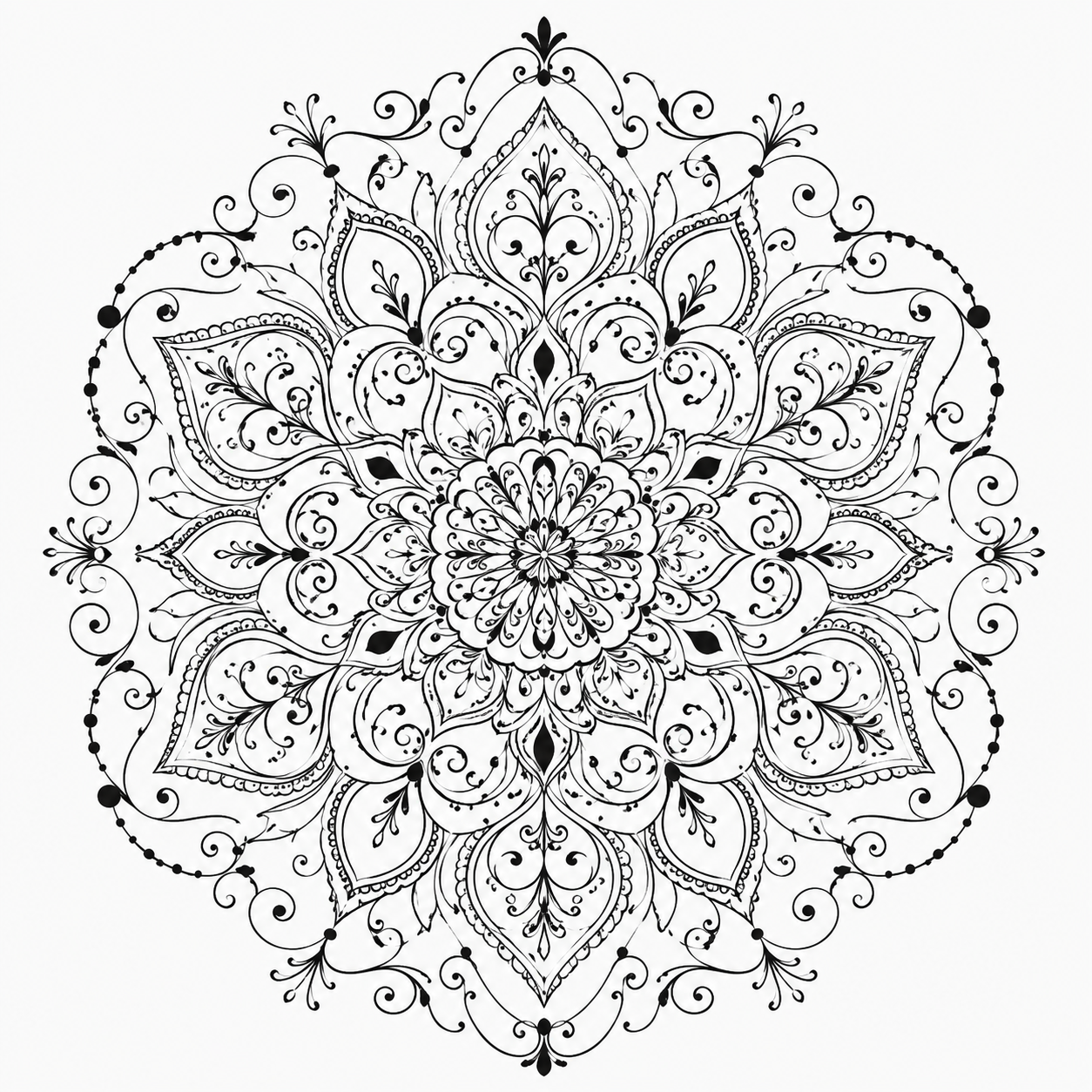
Post-traumatic growth is not about glorifying the hurt. Look at the colors or lines extending from the darkness in a mandala, and feel a new value, relationship, or direction. Pain may still exist, and new possibilities can slowly emerge. Growth doesn't need to be fast; it just needs to unfold safely. Do just a little today. Don't force yourself. Put safety first. You are not alone. You can pause now. May you be supported. Please take your time. Take care of yourself first. Do just a little today. Don't force yourself. Put safety first.
● AI Dynamic Geometric Vision Focus and Emotion Regulation Engine ●
AI Dynamic Geometric Vision Focus and Emotion Regulation Engine · v7.0.0
Before we begin, I'd like to know how you feel right now.
There is no standard answer; just choose the one that best reflects how you feel right now.
The experience is over. Tell us how you feel now.
There is still no standard answer; just choose the one that best reflects how you feel right now.
#FF5252
After the fluorescent line crawling is completed and stopped, first select a color, then click on the closed area in the graphic to fill in the color.
AI Digital Mandala Static Focus EngineAZ Image Coloring · 60 Colors
AI Digital Mandala Interactive Focus Engine
A–Z Free Selection · Layered Lines · 60 Color Fills
○ Calligraphy and engraving therapy practice
Post-traumatic growth is not about denying the hurt. When practicing today, let the strokes unfold slowly, as if leaving room for new values and directions. Pain may still be there, and strength can slowly emerge. Each stroke doesn't need to be perfect; as long as it's genuine and gentle, it's a trace of life continuing to grow. Do just a little today. No need to force yourself. Put safety first. You are not alone. You can pause now. May you be supported. Please take your time. Take care of yourself first. Do just a little today. No need to force yourself. Put safety first.

○ Art Therapy Guidance
Post-traumatic growth isn't about painting the hurt into something beautiful. Instead, draw a patch that still hurts, and next to it, a tiny new sprout, a signpost, or a glimmer of light. Let pain and new possibilities coexist. You don't need to thank the hurt, nor do you need to grow up quickly; simply see life unfold safely. Do just a little today. Don't force yourself. Put safety first. You are not alone. You can pause now. May you be supported. Take your time. Take care of yourself first. Do just a little today. Don't force yourself. Put safety first. You are not alone. You can pause now. May you be supported.
Please log in before submitting your drawings and feelings.

○ Diary Healing Suggestions
Post-traumatic growth is not about thanking the hurt. Write down one thing you cherish more after being hurt: boundaries, freedom, relationships, health, creativity, or empathy. Also write down one new option that is emerging. Pain can be acknowledged, and growth can happen gradually; they don't need to contradict each other. Do just a little today. Don't force yourself. Put safety first. You are not alone. You can pause now. May you be supported. Take your time. Take care of yourself first. Do just a little today. Don't force yourself. Put safety first. You are not alone. You can pause now. May you be supported.
Please log in to use.
May you gradually return to a more stable, clear-headed, and gentler version of yourself through today's practice.