

Lesson 110: Boundaries of Drugs, Therapies, and Safety

Duration:70 minutes
Topic Introduction:Making progress and then suddenly feeling afraid doesn't mean your practice was in vain. This lesson teaches you to see relapses as signs of fatigue and the need for care, not as a negation of all your efforts. When practicing, set your goals small, observe only one reaction, and complete one gentle movement. You don't need to change yourself immediately; just try to understand a little more within safe limits. Every record and pause is the beginning of rebuilding stability. When practicing, set your goals small, observe only one reaction, and complete one gentle movement.
○ Course Topic Audio
Lesson 110: Boundaries of Drugs, Therapies, and Safety
Click to view the read-aloud text
This lesson revolves around "coping with sudden fear recurrence." We're not practicing simply enduring it, but rather transforming fear from an unspeakable, overwhelming shadow into something that can be named, categorized, recorded, and gradually approached. Recurring fear after progress doesn't mean all previous efforts have been wasted. This lesson views recurrence as a sign of fatigue or stress, teaching a gentle reset. When fear is triggered, you might experience a racing heart, trembling hands, chest tightness, nausea, or even the urge to flee immediately. Remember, this isn't a lack of courage; it's the amygdala and sympathetic nervous system activating survival mechanisms. The body doesn't know it's a practice session; it only knows that past dangerous memories have been awakened. The first step in this lesson is to concretize the fear. Don't just write "I'm scared," but clearly state: what I'm afraid of, what the most terrifying image is, what I'm worried about happening, and how I usually escape. Writing down the fear transforms it from mental fog into observable material. The second step is establishing safe boundaries. No exposure exercise should begin with the most intense scenario. You can start by creating an anxiety level chart from 0 to 10, progressing from looking at a picture, saying its name, getting closer, pausing for a few seconds, to actual contact, level by level. Each level should have an exit signal, a recovery action, and a support method. A sense of security is not weakness; it's the foundation for retraining the brain. The third step is learning to pause and reflect. When your body's anxiety intensifies, you don't need to immediately prove you're okay. Just stay a little longer within your tolerance range and record the facts: how long you paused, how your fear level decreased, and what actually happened. Reflection can gradually rewrite the disaster narrative of "I almost died" into "I experienced a strong physical reaction, but I survived." If the practice causes persistent insomnia, panic, a strong urge to harm yourself, or significant triggering of past trauma, please stop practicing and seek help from a therapist, doctor, or trusted supporter. Healing is not about pushing yourself to the brink of collapse, but about relearning under sufficiently safe conditions. Finally, give yourself a reassuring reminder: fear is not everything; it's just a protective mechanism your body has learned. Today, simply naming a fear, completing a minimal exposure, or gently reflecting on the experience afterward is already establishing a new relationship with that fear. After reading aloud, please write down a minimum-intensity exercise and a recovery movement after exposure. Next time you face fear, don't strive for immediate courage; just remember to breathe, pause, record, and reflect. You are not learning to eliminate bodily reactions, but rather to retain some options when they arise. Each small, safe exposure allows your brain to update its risk assessment slightly. After reading aloud, please write down a minimum-intensity exercise and a recovery movement after exposure. Next time you face fear, don't strive for immediate courage; just remember to breathe, pause, record, and reflect. You are not learning to eliminate bodily reactions, but rather to retain some options when they arise.

AI Healing Q&A
Medication can sometimes help reduce excessive anxiety responses, but its necessity and usage should be assessed by a doctor. You can let AI help you organize your symptoms and problems for easier communication during your consultation. Today's small action is not self-medication, but rather recording the frequency, intensity, and impact of your fears. Please prioritize safety; any treatment choice should be made under professional guidance. If the pain is intense, please contact an in-person professional or someone you trust immediately. Please be patient; recovery is inherently a process that requires repeated attempts.

○ Music therapy guidance
Regarding medication and treatment boundaries, please prioritize professional evaluation. Music therapy can be used as a daily aid to help you track changes in symptoms, but it cannot replace your doctor's advice. You can listen to soothing music at a fixed time and then record the intensity of your fear, sleep, and physical reactions. Today's small action is to establish an observation habit, making communication with your doctor clearer and giving yourself more peace of mind. Afterwards, give yourself a gentle affirmation. Please make the practice gentle so your body is willing to continue.

○Eastern and Western Healing Teas
This lesson recommends choosing mild, light, and non-irritating hot teas to help stabilize the body after a sudden relapse of fear. You can choose light black tea, osmanthus oolong, chamomile tea, or warm water, sipping slowly in small amounts. Avoid drinking it too strong, too hot, or too quickly; treat the first sip as a signal to stop.
○ Healing Recipes
Pine nut porridge
Pine nut porridge is a suitable healing recipe after this lesson. It's gentle, stable, and low-burden, replenishing the body's energy after learning to cope with a sudden recurrence of fear, reducing the amplification of specific fear experiences caused by hunger, fatigue, and tension. Eat slowly, observing the intensity of the fear, your breathing, hunger, satisfaction, and feelings of relaxation. It doesn't aim for elaborate presentation, but rather serves as a gentle replenishment after fear exposure exercises. Let the food become part of your sense of security, helping your body return from alarm to stability.
Open the healing recipe
◉ Western Dietary Therapy · Soups · 110. Pine Nut Porridge
I. Recommended Dietary Therapy and Reasons
Recommended dishes:Pine nut porridge
Recommended reasons: Pine nut porridge is a mild, delicate, and easily digestible nourishing porridge, suitable for use in social anxiety classes as a daily support to stabilize stomach rhythm and soothe the body. The slow simmering of grains, beans, nuts, or herbs creates a soft, smooth, and filling texture, allowing the body to find peace through a light, warm, and regular meal. It's suitable for breakfast, dinner, or when feeling stressed, helping to gradually restore inner order during a calm and unhurried eating process.
2. Recipe and Method
Recipe (1–2 servings):
- 15 g of pine nuts
- 60 g japonica rice
- 800 ml of clean water
- Milk 80 ml, optional
- A little rock sugar, optional
- 5g of goji berries (optional)
practice:
- Soak or quickly wash beans, nuts, or herbs as needed in advance.
- Rinse the rice or other grains thoroughly and place them in a pot for later use.
- Add the main ingredients and water to a pot and bring to a boil over high heat.
- Simmer over low heat for 25–40 minutes to allow the rice grains to gradually open up and the ingredients to soften.
- Ingredients that cook faster can be added in the second half to maintain flavor and texture.
- Add a small amount of rock sugar, brown sugar, or goji berries as needed, and simmer for another 2–3 minutes.
- Once the porridge has thickened, it can be eaten warm.
3. Small rituals for body and mind
When preparing pine nut porridge, you can first observe the color, aroma and texture of the ingredients, and gradually shift your attention from external evaluation to the actions in your hands.
During heating or stirring, slow down and feel the ingredients transform from scattered pieces into a cohesive whole. Remind yourself: I don't need to perform perfectly right away; I just need to gently bring myself back to the present moment.
When you take your first bite, feel the warmth, softness, and simple aroma to let your body know that it is safe and bearable at this moment, and you can relax a little.
4. Dietary Therapy Experience Record
- Record when you eat it: whether it's breakfast, lunch, dinner, or a light snack before or after social events.
- Observe whether there are any changes in stomach burden, fullness, refreshment, and mental stability within 30–60 minutes after consumption.
- If you consume pine nut porridge when you are anxious, tired, or have an unstable appetite, you can record whether it helps you reduce feelings of heaviness and regain a sense of control over your body.
V. Instructional Videos (approximately 3–5 minutes)
Video Title:Pine Nut Porridge: A mild and stable light and nourishing dish
6. Precautions
- It is recommended to eat porridge warm, and not to eat large quantities directly after refrigeration.
- Nuts and sesame seeds are high in oil, so it is not advisable to eat too much at once.
- Do not eat too much at one time to avoid overeating or putting extra strain on your stomach.
- For first-time users, it is recommended to try a small amount and observe the body's reaction.
- This product is best consumed in small amounts and slowly to avoid excessive intake at one time.
hint:This recipe is for daily physical and mental well-being and is not a substitute for any medical diagnosis or treatment. If you have chronic illnesses, are pregnant, have food allergies, are taking medication, or have special nutritional restrictions, please prioritize following the advice of your healthcare provider and nutritionist.

○Mandala Healing
Regarding medication and treatment boundaries, please prioritize professional advice. Mandala healing can be used as a daily aid to help you calm your mind before recording symptoms. While observing, do not make diagnoses or replace a doctor's judgment; simply observe whether your body is moving a little slower. Today's small action is to clarify any questions you need to ask. Please give yourself gentle space. Please take your time; safety always comes first. If you feel unwell, pause and rest. Even a little stability is commendable. Today, you only need to pause for a short while.
● AI Dynamic Geometric Vision Focus and Emotion Regulation Engine ●
AI Dynamic Geometric Vision Focus and Emotion Regulation Engine · v7.0.0
Before we begin, I'd like to know how you feel right now.
There is no standard answer; just choose the one that best reflects how you feel right now.
The experience is over. Tell us how you feel now.
There is still no standard answer; just choose the one that best reflects how you feel right now.
#FF5252
After the fluorescent line crawling is completed and stopped, first select a color, then click on the closed area in the graphic to fill in the color.
AI Digital Mandala Static Focus EngineAZ Image Coloring · 60 Colors
AI Digital Mandala Interactive Focus Engine
A–Z Free Selection · Layered Lines · 60 Color Fills

○ Calligraphy and engraving therapy practice
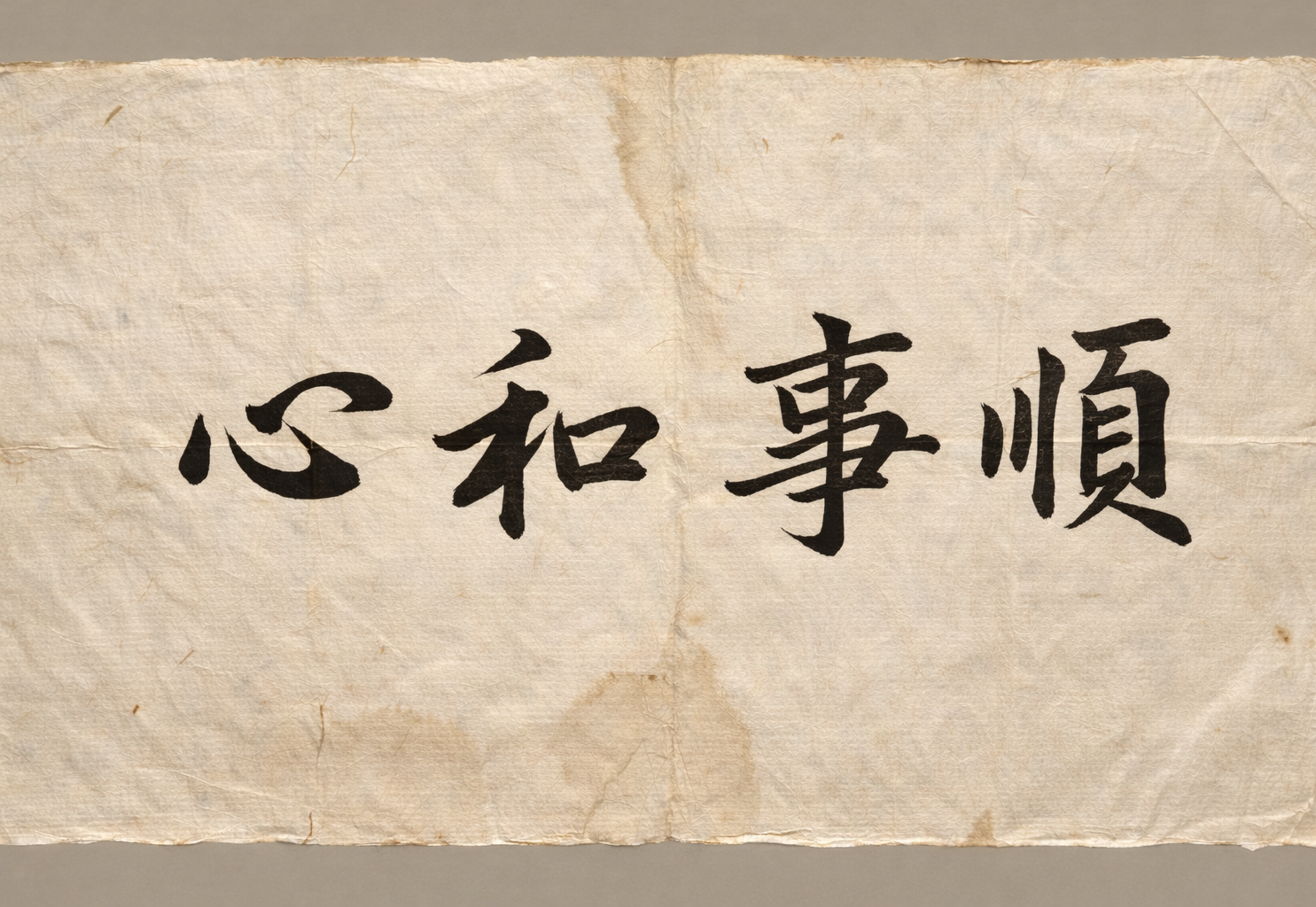
Regarding medication and treatment boundaries, please follow your doctor's advice. Calligraphy practice is merely a daily aid and does not replace professional judgment. Do not write diagnoses or arrange treatments yourself during practice; simply allow your body to calm down first. If you plan to seek medical attention, you can address the issues after your condition stabilizes. Gentle practice and professional support can coexist. Please be gentle with yourself. If you feel unwell, please stop. Take it slowly. Safety always comes first. Even a little bit counts. Please be gentle with yourself. If you feel unwell, please stop.

○ Art Therapy Guidance
Medication, treatment, and safety boundaries require professional judgment. Art therapy can help you process your feelings, but it cannot replace medical advice. You can draw the most troubling influences right now: sleep, travel, study, or work, using colors to differentiate their intensity. After drawing, organize the questions you want to ask so you can seek help more clearly. If you feel uncomfortable, stop. Take it slow. Please see it gently. It doesn't need to be perfect. Even a little bit counts. If you feel uncomfortable, stop. Take it slow. Please see it gently.
Please log in before submitting your drawings and feelings.

○ Diary Healing Suggestions
The boundaries of medication and treatment require professional judgment. Today, please write down the point that resonated with you most during the course, and also record the impact of fear on your sleep, travel, work, or studies. Small actions can include organizing the symptoms you'll describe during your consultation, rather than deciding on medication on your own. Exercises such as music, drawing, and journaling can be helpful, but professional advice remains crucial. Take it slow; stability and safety are more important than speed. After writing, give yourself a gentle affirmation: I am learning, and I don't need to be perfect all at once. If you can only complete a little today, please acknowledge that even a little counts. Please schedule your small actions lightly, giving yourself a real chance tomorrow.
Please log in to use.
After completing the learning about fear of relapse, remind yourself: relapse is not a return to zero, but rather that your body needs more care.