

Lesson 1156: Managing the Transition from Mania to Depression

Duration:70 minutes
Topic Introduction:When transitioning from mania to depression, the body and mind may suddenly lose control, experiencing feelings of shame, exhaustion, and regret. Managing this transition requires slowing down, rest, reflection, and support; avoid pushing yourself deeper into despair with self-blame. Let support gradually approach. Remember, you deserve help. Take it slow; there's no need to rush. Slow down the pace. Give yourself some patience. Stabilize first, then address the issue gradually.
○ Course Topic Audio
Lesson 1156: Managing the Transition from Mania to Depression
Click to view the read-aloud text
Today, let's gently explore how to manage the transition from mania to depression. When transitioning from mania to depression, a person may suddenly plummet from high energy to exhaustion, self-blame, and shame. Decisions made in the previous phase may also lead to regret. This transition requires slowing down, rest, reflection, and support, not continued self-blame. While listening, please soften your self-blame. Bipolar I disorder requires professional evaluation and long-term management; it's not an emotional problem that can be suppressed by willpower alone, nor is it a failure of character. A safer approach is to treat mood changes as signals that need to be observed, rather than letting shame push you away. Pay attention to concrete clues such as sleep, energy, speech rate, impulsivity, social interactions, spending, and feelings of despair, as concrete clues are more helpful in taking action than vague judgments. If you are experiencing significant mania, severe depression, self-harming thoughts, uncontrollable impulses, or inability to maintain basic living standards, please contact a doctor, therapist, emergency room, or trusted person immediately. You don't need to solve all problems today; choose one of the smallest actions: track your sleep, reduce stimulation, eat on time, contact supportive individuals, or write down questions you want to ask your doctor. Every small action helps life return to a predictable rhythm. If you are taking medication, please discuss any discomfort or questions with your doctor; do not stop taking your medication or adjust the dosage on your own. After listening, gently ask yourself: What do I need to protect most today—my sleep, my emotions, my relationships, or my safety boundaries? The answer doesn't have to be perfect, just truthful. You can also ask family members or trusted individuals to learn about these signals together. Being understood is a crucial part of long-term care. Please record any changes, even if it's just one sentence. Long-term stability often comes not from one major change, but from many small records and adjustments. Doing just one small action today is fine. Stability comes from repeated practice. Don't rely on shame to motivate yourself. Please give your body some time. Bring support into your daily life. Being able to record even a small change is already a good thing. Please let trusted individuals around you know your status.

AI Healing Q&A
When transitioning from mania to depression, the body may feel like it's suddenly stalled. You can talk to the AI about low energy, shame, self-blame, fatigue, or sleep rebound. The AI will help you slow down, arrange safe endings and supportive connections; if you fall into despair or feel at risk of self-harm, please seek help immediately. Put safety first. You are not alone. You can pause now. May you be supported. Take it slow. Take care of yourself first. Do just a little today. Don't push yourself too hard. Put safety first. You are not alone.

○ Music therapy guidance
When transitioning from mania to depression, choose gentle, slow music that can help you recover from the shock. Let the sound accompany you as you take a step back from shame and regret, rest, drink water, and contact support. Don't try to tough it out alone during this transition. If the melody makes you uncomfortable, lower the volume or pause playback. Prioritize your sleep, medication schedule, and doctor's appointments. Use this sound as a reminder: stabilize first, then continue. If any warning signs appear, contact your doctor or emergency resources immediately. Let your body stabilize first.

○Eastern and Western Healing Teas
○ Korean Ginseng and Jujube Tea: Ginseng and Jujube Tea is a traditional Korean health drink that combines the nourishing properties of ginseng and jujubes. Jujubes help replenish blood and energy, improve immunity, while ginseng can boost energy and relieve stress. The combination helps restore physical strength, enhance the body's resilience, and regulate mood swings caused by anxiety or fatigue. Instructions: Add 5 jujubes and 1 slice of ginseng to hot water and boil for 10-15 minutes. Honey can be added to taste. Drink 1-2 times daily to help boost energy, relieve fatigue, and balance emotions.
○ Healing Recipes
○ Ancient Roman Diet: Boiled Roman Fish
Recommended dishes:Boiled Roman Fish Recommended reasons:Roman-style poached fish is light, tender, and easy to digest, making it suitable for those who need protein but don't want to eat heavily seasoned foods. White fish provides light protein, while herbs and lemon add a refreshing touch. It's a good choice for a recovery meal after emotional distress and can also be paired with grains and vegetables for a low-calorie, stable combination. Recipe (1–2 servings): practice: After the fish is cooked, observe its soft texture. Eat slowly, reminding yourself that restoring energy doesn't require strong stimulation; a light diet can also provide strength. Before consuming, please pause for three breaths and observe whether you are feeling more excited, depressed, or relatively stable. Food is not a tool to control emotions, but rather a gentle support to help your body establish its rhythm. Take your first bite slowly, savoring the temperature, texture, and feeling of fullness. If you experience significant mood swings today, please record the portion size, time of consumption, and your body's reaction as part of your long-term care. Video Title:Roman-style boiled fish: A gentle dietary approach suitable for long-term rhythm management of bipolar I disorder. hint:If you experience significant mania, severe depression, suicidal thoughts, uncontrollable impulses, or persistent insomnia, please contact offline professional resources promptly.Click to view healing recipes
◉ Ancient Roman Diet: Boiled Roman Fish
I. Recommended Dietary Therapy and Reasons
2. Recipe and Method
3. Small rituals for body and mind
4. Dietary Therapy Experience Record
V. Instructional Videos (approximately 3–5 minutes)
6. Precautions

○Mandala Healing
When transitioning from mania to depression, the pattern may resemble a rapid shift from bright to somber and dark. When viewing it, slow your gaze gradually and don't blame yourself for the fall. The transition period requires support, rest, and comfort. If feelings of despair intensify, contact a doctor or someone you trust immediately. Put safety first. You are not alone. You can pause now. May you be supported. Take it slow. Take care of yourself first. Do just a little today. Don't push yourself too hard. Put safety first. You are not alone. You can pause now.
● AI Dynamic Geometric Vision Focus and Emotion Regulation Engine ●
AI Dynamic Geometric Vision Focus and Emotion Regulation Engine · v7.0.0
Before we begin, I'd like to know how you feel right now.
There is no standard answer; just choose the one that best reflects how you feel right now.
The experience is over. Tell us how you feel now.
There is still no standard answer; just choose the one that best reflects how you feel right now.
#FF5252
After the fluorescent line crawling is completed and stopped, first select a color, then click on the closed area in the graphic to fill in the color.
AI Digital Mandala Static Focus EngineAZ Image Coloring · 60 Colors
AI Digital Mandala Interactive Focus Engine
A–Z Free Selection · Layered Lines · 60 Color Fills

○ Calligraphy and engraving therapy practice
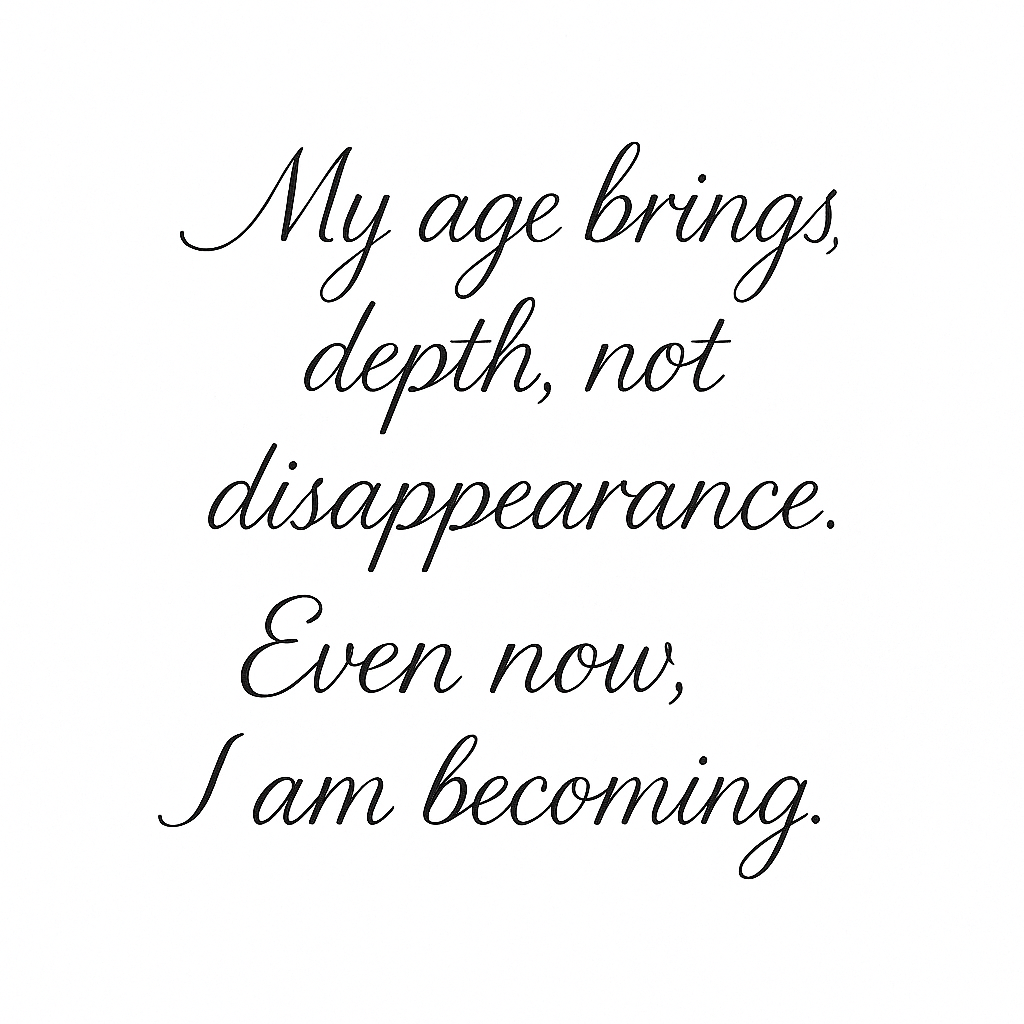
When transitioning from mania to depression, the practice has no specific content. Begin with very light pressure, allowing for slow movements and pauses. It's not about compensating for the past, but about helping yourself land safely from the initial shock and shame. Focus on rhythm, not specific content. Be gentle with yourself. Take it slow, don't force it. Relax your wrists after practice. Don't strive for perfect alignment. If you feel discomfort, stop immediately. Safety first. A little bit today is good enough. Let your breathing gradually catch up with your movements.

○ Art Therapy Guidance
When transitioning from mania to depression, painting can help ease the feeling of disorientation and regret. Use gently transitioning colors to allow the artwork to help your body settle down. You don't need to correct the past; just safely return to the present. Don't strive for beauty, only for observability. Be gentle with yourself. Take your time; don't force yourself. Stop and look at your work after you finish. You don't need to explain it to anyone. If you feel uncomfortable, pause. Prioritize safety. Completing just a little today is good enough. Let the colors accompany you slowly.
Please log in before submitting your drawings and feelings.

○ Diary Healing Suggestions
Journaling suggestions: Write down the most impactful thing that triggered your shift from mania to depression today, and a small action you'd like to try. Record feelings of unease, shame, regret, exhaustion, and the practical consequences. Don't punish yourself with blame; first, write down a small act that will help your body land safely. Let words be a gentle companion. After writing, pause and feel your body. It doesn't have to be complete; just be truthful. If you feel overwhelmed, prioritize your safety. Accomplishing even a small thing today is commendable. Leave this record for your future self. Take it slow; don't rush to change everything.
Please log in to use.
May you gradually return to a more stable, clear-headed, and gentler version of yourself through today's practice.