

Lesson 1300: Course Summary: Integrating Skills and Establishing a Long-Term Maintenance Plan

Duration:70 minutes
Topic Introduction:The goal of integrating skills is not to eliminate all emotional fluctuations, but to enable you to recognize them earlier, respond more steadily, and seek help more safely during periods of turmoil. Incorporating DBT skills, self-soothing, relationship repair, boundaries, and crisis planning into your daily routine can help you gradually build a more stable life, relationships, and sense of self.
○ Course Topic Audio
Lesson 1300: Course Summary: Integrating Skills and Establishing a Long-Term Maintenance Plan
Click to view the read-aloud text
This lesson's theme is "Course Summary: Integrating Skills and Building a Long-Term Maintenance Plan." Please relax for a moment; don't rush to judge yourself or categorize your experiences as good or bad. This course summary isn't the end, but rather an effort to organize the skills you've learned into a long-term maintenance plan. You've already learned about emotional instability, impulsive behavior, attachment influences, core schemas, crisis management, mindfulness, pain tolerance, emotion regulation, and interpersonal effectiveness. The next step is to transform these into everyday tools: an emotion journal, a crisis survival kit, a safety contact, a relapse warning checklist, relationship boundary statements, weekly debriefings, and arrangements for professional support. Learning this section isn't about labeling yourself, but about clearly seeing recurring pain, relationship tensions, and physical warning signs. When you can articulate what's happening, emotions are no longer a complete fog; they begin to have names, boundaries, and entry points for care. This course can help you organize and practice, but it cannot replace a doctor, therapist, or crisis intervention. If you are experiencing intense self-harm or suicidal thoughts, or if your safety is uncertain, please immediately contact local emergency services, crisis lines, a doctor, therapist, or someone you trust. After listening, give yourself a minute to write down the most touching sentence of the day, and a small, safe, and achievable act of care that you can do today. Gently remind yourself that understanding is not indulgence, and responsibility is not self-punishment. If your emotions rise, pause, let your breathing return, and then decide on your next step. You don't need to be perfect the first time; simply being a little more aware than before is already a change. Prioritize safety, and postpone relationship decisions and major decisions until your emotions have calmed down. While practicing, take care of your body; drink some water, sit still, and return to the present moment. After listening, record a feeling of peace and also a small action you can take today. If the content touches on old wounds, leave the source of the stimulus and seek trusted support. Do today's practice gently and slowly; don't force yourself to become better immediately. True change often begins with a small pause, with a choice that doesn't harm yourself.

AI Healing Q&A
When discussing this lesson with the AI, please describe your learned skills, crisis safety barriers, support list, and long-term maintenance plan as much as possible. The AI will help you organize your DBT skills, relationship choices, and safety barriers, but it cannot replace psychotherapy; if you repeatedly experience dangerous behaviors or suicidal thoughts, please contact a doctor, psychologist, or emergency resources as soon as possible. Put safety first. You are not alone. You can pause now. May you be supported. Take it slow. Take care of yourself first. Do just a little today. Don't force yourself.

○ Music therapy guidance
Music therapy guidance is used for long-term maintenance after the course summary. Please choose a consistent piece of music that represents stability and care and add it to your daily playlist. Each time you listen, review a learned skill, a warning sign, and a support resource. Remember, recovery can be slow and can be accompanied. Pause immediately if you feel uncomfortable. Contact professional support if necessary. Take it slow and don't rush to change. Keep the volume gentle. Let your breathing return slowly. Record a physical change after listening. Take it slow.

○Eastern and Western Healing Teas
○ Western Healing Tea: Turmeric and Honey Golden Milk
introduce:Ginger-gold milk combined with honey not only has anti-inflammatory and antioxidant properties but also promotes gut health and digestion. Honey has natural antibacterial properties and helps soothe gastrointestinal discomfort and boost overall immunity. This drink is particularly effective in relieving sleep problems and low mood caused by anxiety and stress.
usage:Heat 250ml of milk until warm, add 1/2 teaspoon of turmeric powder, stir well, and then add 1 teaspoon of honey for flavor. Drink this every night before bed to help calm nerves and reduce tension and anxiety.
Course Reminder:After the course "Course Summary: Integrating Skills and Establishing a Long-Term Maintenance Plan," please treat tea drinking as a gentle daily support, not a therapeutic substitute. Observe your emotional intensity, physical tension, sleep, and stomach reactions before and after drinking tea to help you gradually establish a stable rhythm.
Notice:If you are pregnant, have a chronic illness, are using medications, have allergies, liver or kidney disease, or have blood pressure or blood sugar problems, please follow the advice of your doctor or nutritionist first. If you experience suicidal thoughts, uncontrollable impulses, or severe insomnia, please contact offline professional resources in a timely manner.
○ Healing Recipes
Ancient Roman Dietary Therapy: Purple Sweet Potato Tremella Soup
Recommended dishes:Purple Sweet Potato Tremella Soup Recommended reasons:A course summary should integrate skills into a long-term maintenance plan. Pumpkin, chicken, and millet porridge is warm, whole, and easy to digest, making it a suitable meal to conclude the course and remind oneself to bring stability back to daily life. Recipe (1–2 servings): practice: When serving this dish, please slow down and observe the color, aroma, temperature, and your hand movements. Remind yourself: I don't need to become stable all at once; I just need to complete the small act of care that I can manage in this moment. Before consuming, please pause for three breaths and observe your current emotional intensity, physical tension, and sense of security. Remind yourself: food is not a tool to control emotions, but a gentle support to help your body establish rhythms. Take your first bite slowly, savoring the temperature, texture, and feeling of fullness. If you experience significant mood swings today, please record the portion size, time of consumption, and your body's reaction as part of your long-term care. Video Title:Purple Sweet Potato and Tremella Soup: A gentle dietary approach suitable for emotional stability and daily care during borderline personality disorder courses. hint:If you experience self-harm thoughts, suicidal ideation, uncontrollable impulses, severe dissociation, persistent insomnia, or personal safety risks, please contact local emergency services, crisis hotlines, or offline professional resources immediately.Click to view healing recipes
◉ Ancient Roman Dietary Therapy: Purple Sweet Potato Tremella Soup
I. Recommended Dietary Therapy and Reasons
2. Recipe and Method
3. Small rituals for body and mind
4. Dietary Therapy Experience Record
V. Instructional Videos (approximately 3–5 minutes)
6. Precautions

○Mandala Healing
In this final lesson, please slowly view the entire mandala before returning your gaze to the center. The center represents the skills you've already learned, and the outer ring represents future practice, support, and maintenance. You don't need to be perfect, nor do you need to be stable for a long time immediately. May these tools gradually become a part of your life. Put safety first. You are not alone. You can pause now. May you be supported. Take your time. Take care of yourself first. Do just a little today. Don't push yourself too hard. Put safety first. You are not alone.
● AI Dynamic Geometric Vision Focus and Emotion Regulation Engine ●
AI Dynamic Geometric Vision Focus and Emotion Regulation Engine · v7.0.0
Before we begin, I'd like to know how you feel right now.
There is no standard answer; just choose the one that best reflects how you feel right now.
The experience is over. Tell us how you feel now.
There is still no standard answer; just choose the one that best reflects how you feel right now.
#FF5252
After the fluorescent line crawling is completed and stopped, first select a color, then click on the closed area in the graphic to fill in the color.
AI Digital Mandala Static Focus EngineAZ Image Coloring · 60 Colors
AI Digital Mandala Interactive Focus Engine
A–Z Free Selection · Layered Lines · 60 Color Fills

○ Calligraphy and engraving therapy practice
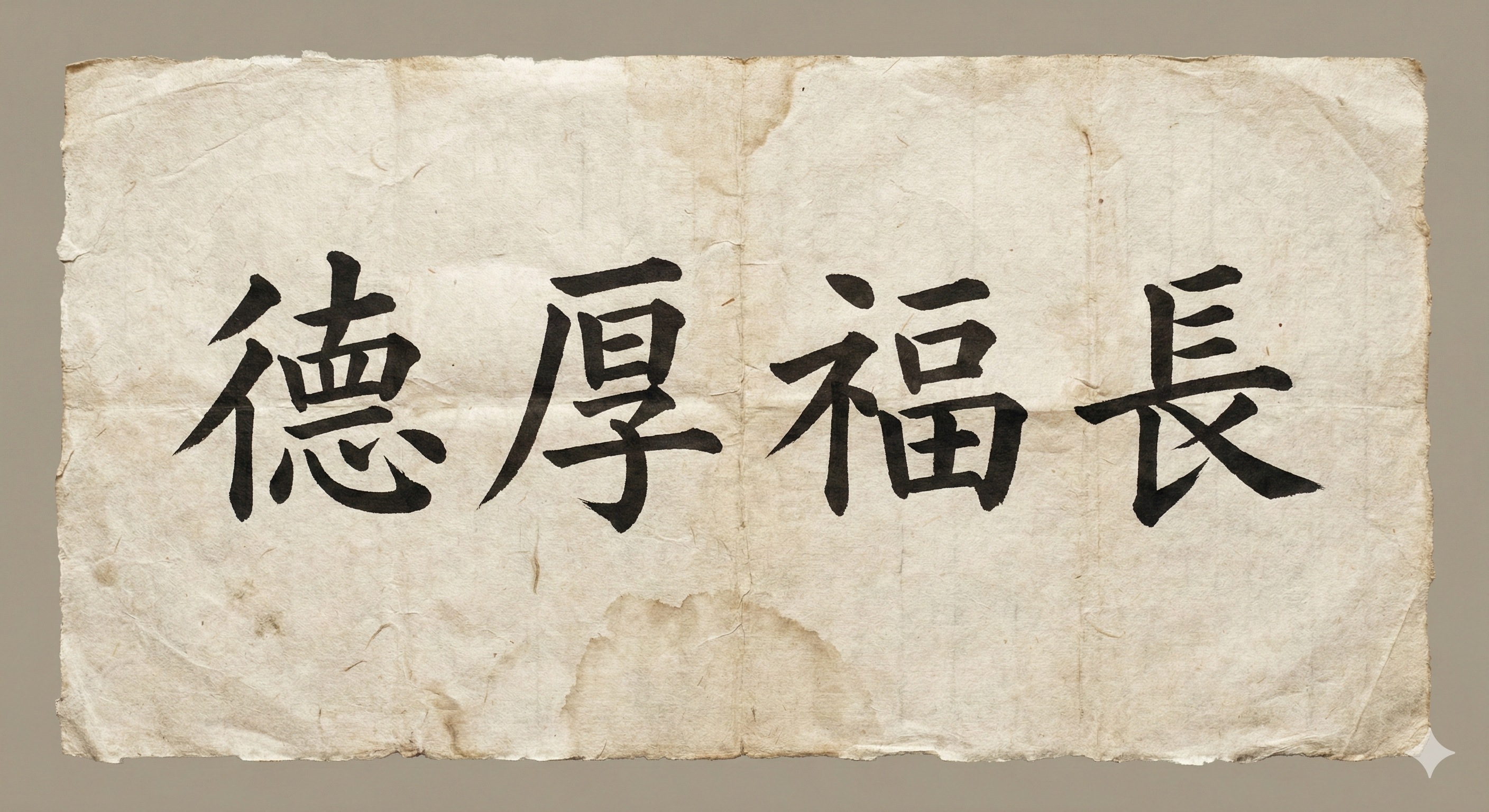
For this final lesson, please complete a short calligraphy piece with a gentle rhythm. There are no set contents, and perfection is not required. Simply feel your hands, the paper, your breath, and yourself in this moment. A skill isn't something you learn and then stop; it gradually becomes a stable way of life that you can repeatedly return to. Put safety first. You are not alone. You can pause now. May you be supported. Please take your time. Take care of yourself first. Do only a little today. Don't push yourself too hard. Put safety first. You are not alone. You can pause now.

○ Art Therapy Guidance
For this final lesson, please draw a long-term maintenance diagram, including the skills you've learned, crisis barriers, a support list, relationship boundaries, and self-care. The diagram doesn't need to be perfect, just a reminder of how to return later. Stability isn't achieved all at once, but gradually becomes a way of life. Put safety first. You are not alone. You can pause now. May you be supported. Take it slow. Take care of yourself first. Do just a little today. Don't force yourself. Put safety first. You are not alone.
Please log in before submitting your drawings and feelings.

○ Diary Healing Suggestions
Today's journal entry suggests starting with: "Looking back on this phase, what skills do you most want to retain? What risks do you most need to remind yourself of? And what small thing would you most like to continue doing next?" While writing, don't judge yourself; just put your experiences, emotions, physical reactions, and thoughts on paper. If you feel uncomfortable writing, you can stop and take a breath. Finally, write a small reminder to help you take care of yourself earlier next time. Please take it slow. Take care of yourself first. Doing even one thing today is good. Don't push yourself too hard. May you be treated gently. Please take it slow. Take care of yourself first.
Please log in to use.
May you gradually return to a more stable, clear-headed, and gentler version of yourself through today's practice.