

Lesson 1339: Give children hope, not pressure.

Duration:70 minutes
Topic Introduction:Both children and parents worry: will things get better as they grow up? What will the future hold? This section helps you gently understand that the changes of adolescence may bring new challenges, but also opportunities for growth. Through continued support, professional intervention, and a stable relationship, children can still gradually develop better coping skills. Please prioritize your child's safety. Gentle and consistent companionship is crucial. Please put understanding before blame.
○ Course Topic Audio
Lesson 1339: Give children hope, not pressure.
Click to view the read-aloud text
In the midst of a child's emotional storm, adults often want to immediately correct, reason with, or stop the behavior. However, for DMDD-related issues, what's truly important is to first recognize safety, physical well-being, and relationships. Only when the child's brain slowly returns from its high-alert state can education, rules, and communication truly take hold. The theme of this lesson is "I worry about whether things will be better as I grow up, so I need answers." Both children and parents need honest and gentle answers about whether things will be better as they grow up. This isn't about making excuses for the child or abolishing boundaries, but about shifting the focus from "this child is bad" to "this child's regulatory system is overloaded." Learning can begin with observation. Observe the new pressures that may come with adolescence, and also see the new abilities that are developing. If you only focus on the moment of the outburst, adults can easily be swept away by the sounds, actions, and conflicts; if you look a little further ahead, you'll find many early warning signs. Next, try to keep your responses short, steady, and clear. Through long-term support, professional intervention, and a stable relationship, children can still gradually develop regulatory abilities. Children need to know that adults will set boundaries and accompany them back to safety; they will handle behavior and won't define them as bad as a whole. Course content cannot replace assessments and treatments from doctors, psychologists, or school professional teams, but it can help you record, communicate, and seek help more effectively. Please apply today's learning to a specific scenario, rather than just keeping it in mind. The next time your child is tense, observe their body, environment, and needs before deciding how to respond. Gentleness is not indulgence, and stability is not indifference; they are the foundation for helping children relearn regulation. If you are the child, remember that you are not a bad child; you are just learning how to bring your emotions back to a manageable level. When you can't do much today, even a small pause is a step on the healing path. Please try to use specific facts, such as when, where, how long, and how to recover afterwards. Such records will help professionals understand your child more accurately and reduce unnecessary blame between families.

AI Healing Q&A
Children need hope, but not the pressure of "you must become better immediately." You can ask AI to write an encouraging message for your child that acknowledges their difficulties while also expressing confidence that they can learn new methods. AI will help you avoid vague comfort and instead offer concrete affirmations. For example, seeing them willing to stop, willing to express their feelings, or willing to repair relationships. Hope comes from seeing small, visible improvements, not from forcing yourself to be perfect immediately.

○ Music therapy guidance
When giving a child hope, choose warm, bright, but not overly stimulating music, and accompany them with a specific word of affirmation: "You were willing to pause just now, which is not easy." Music makes encouragement less harsh and makes children feel more believed. Hope isn't about demanding immediate improvement, but about seeing them learn new methods in every small step forward. When children feel believed in, they are more likely to focus their energy on practice rather than on defense and resistance. Please practice slowly.

○Eastern and Western Healing Teas
○ Western Healing Tea - Rose Tea
introduce:Rose tea is believed to have mood-soothing, stress-relieving, and calming effects. Its petals are rich in antioxidants, which can help alleviate low mood caused by depression or anxiety and improve mental health.
usage:Steep 1 teaspoon of rose petals in hot water for 5-10 minutes. Honey can be added before drinking. Drinking 1-2 cups daily can help relieve stress and improve mood.
Course Reminder:After the "I'm worried things will get better as I grow up, so I need answers" lesson, please treat tea drinking as a gentle daily support, not a therapeutic substitute. Observe the child's or caregiver's emotional intensity, physical tension, sleep, stomach reaction, and daily stimulation level before and after drinking tea to help the family gradually establish a stable rhythm.
Notice:Children's tea consumption should be adjusted according to their age, physical condition, sleep patterns, allergy history, and medical advice; drinks containing caffeine, ginseng, turmeric, chili, cocoa, or herbal ingredients should be chosen with caution. If a child experiences persistent severe outbursts, self-harming thoughts, aggression, or chronic insomnia, please contact offline professional resources promptly.
○ Healing Recipes
○ Oriental Nutrition: Black Sesame Rice Paste
Recommended dishes:Black Sesame Rice Paste Recommended reasons:Children and parents alike need answers about growing up. Black sesame rice porridge is a gentle and energizing reminder to stay supportive and hopeful during the changes of adolescence. This recipe doesn't aim for anything stimulating, intense, or complex; instead, it uses gentle, repeatable, and low-burden eating practices to support children and caregivers in establishing a predictable rhythm throughout the day. Recipe (1–2 servings): practice: When preparing this dish, please slow down the process and avoid turning the food into a new task. You can invite children to observe the color, temperature, and smell, or adults can quietly finish first, making the dining table a more stable and less rushed place. Before consuming, please pause for three breaths and gently ask yourself or your child: Is your body tense, tired, irritable, or a little calmer right now? There is no need to explain the reason immediately, just pay attention to the signals your body is sending. Take your first bite slowly. If your child is experiencing significant mood swings that day, reduce lecturing and focus on safety, hydration, eating, and rest. A gentle meal is not a substitute for therapy, but it can be a part of daily support. Video Title:Black sesame rice porridge: A dietary approach that supports stable rhythms and gentle care in courses on disruptive mood disorders. hint:If you experience persistent and severe outbursts, self-harming thoughts, aggression, uncontrolled impulses, chronic insomnia, or family safety risks, please contact local emergency services, doctors, psychologists, or offline crisis resources immediately.Click to view healing recipes
◉ Oriental Nutrition: Black Sesame Rice Paste
I. Recommended Dietary Therapy and Reasons
2. Recipe and Method
3. Small rituals for body and mind
4. Dietary Therapy Experience Record
V. Instructional Videos (approximately 3–5 minutes)
6. Precautions

○Mandala Healing
Giving children hope, not pressure, can begin with a comforting mandala. Look at a bright but not stimulating image with them, and gently affirm a specific improvement: "You were willing to pause just now, which is very commendable." Hope isn't about demanding immediate improvement, but about making the child feel capable of learning. The circle in the image acts as a support system, reminding them that difficulties can be overcome gradually, and they are not alone. This feeling of being believed in will slowly become the strength that allows the child to continue practicing.
● AI Dynamic Geometric Vision Focus and Emotion Regulation Engine ●
AI Dynamic Geometric Vision Focus and Emotion Regulation Engine · v7.0.0
Before we begin, I'd like to know how you feel right now.
There is no standard answer; just choose the one that best reflects how you feel right now.
The experience is over. Tell us how you feel now.
There is still no standard answer; just choose the one that best reflects how you feel right now.
#FF5252
After the fluorescent line crawling is completed and stopped, first select a color, then click on the closed area in the graphic to fill in the color.
AI Digital Mandala Static Focus EngineAZ Image Coloring · 60 Colors
AI Digital Mandala Interactive Focus Engine
A–Z Free Selection · Layered Lines · 60 Color Fills

○ Calligraphy and engraving therapy practice
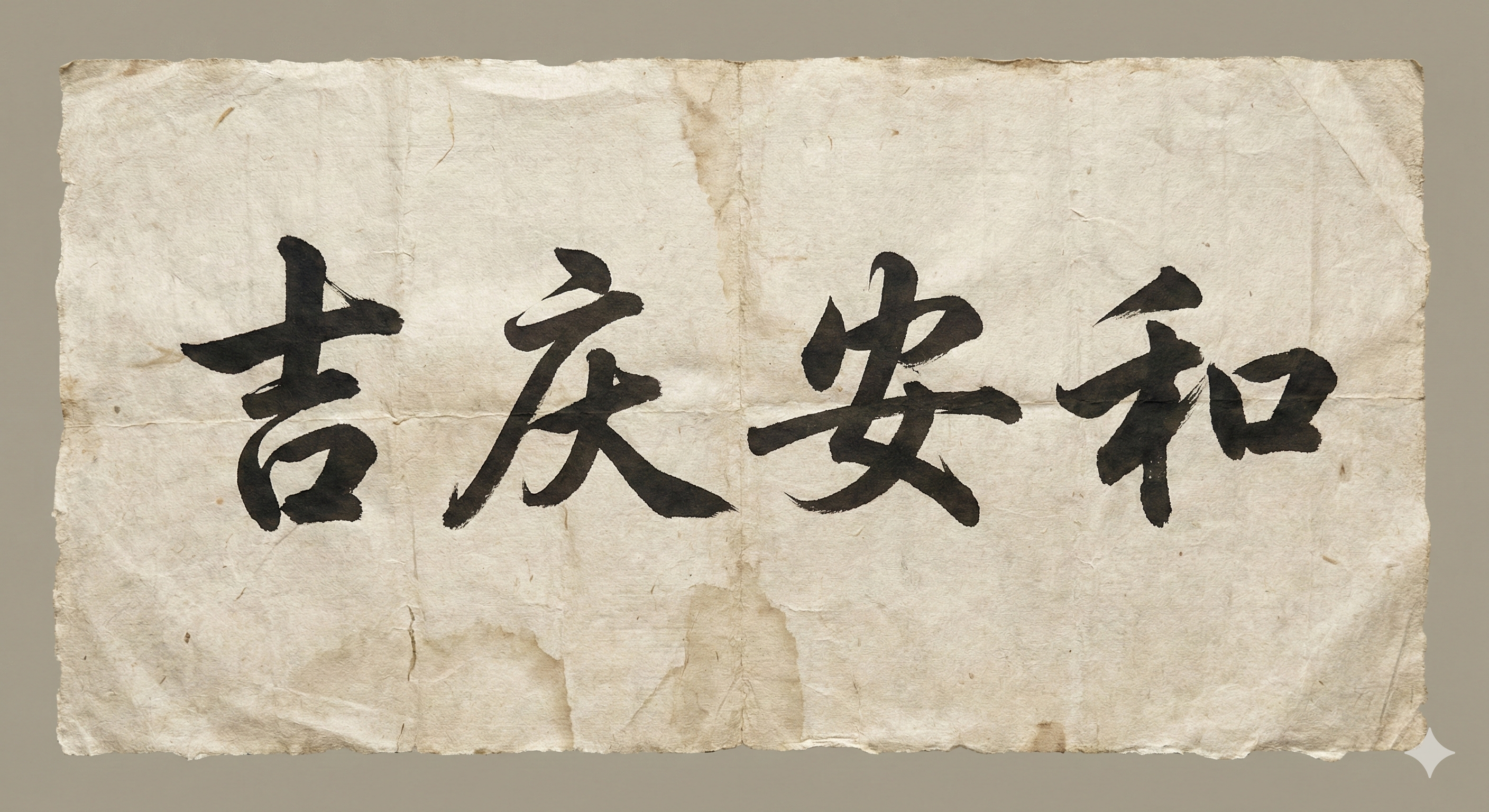
Give children hope, not pressure, starting with gentle, deliberate handwriting practice. Practice doesn't dictate what to write; simply affirm their willingness to pause, slow down, and start again. Hope isn't about demanding immediate improvement, but about making children feel capable of learning. Say "I see you're trying" more often than "You must." Children who feel believed in are more willing to continue practicing. They are more likely to channel their energy into practice, not defensiveness. Give each other time.

○ Art Therapy Guidance
Giving children hope, rather than pressure, allows drawing to be a gentle affirmation. Let children freely draw what they accomplished that day; it doesn't need to be grand or perfect. Perhaps it was just pausing for a moment, saying one less word, or being willing to come back and fix it—these are all things that deserve to be seen. The drawing helps children discover that they are not only flawed but also possess the strength to grow. Hope comes from small improvements, not from forcing themselves to become better immediately.
Please log in before submitting your drawings and feelings.

○ Diary Healing Suggestions
Journaling Healing Suggestions: Please write down the most touching point from today's lesson. When facing the worry of "Will things be better as I grow up?", please also write down a clue of hope. Then write down a small action, such as continuing to maintain effective support or scheduling a professional consultation. Please allow the answers to emerge gradually, but don't force yourself to cope alone. It doesn't need to be complete; being truthful is enough. If you're very tired today, just writing one sentence is fine. After writing, please pause and thank yourself for being willing to face it. If your emotions rise, please drink water and breathe before continuing. Please view this step as gentle care, not a task.
Please log in to use.
May you gradually return to a more stable, clear-headed, and gentler version of yourself through today's practice.