

Lesson 1392: Hormonal Changes in Women and Sleepiness

Duration:70 minutes
Topic Introduction:Chronic sleep deprivation can also cause significant drowsiness, so insufficient sleep opportunities need to be ruled out before assessment. This section helps you determine whether drowsiness stems from chronic sleep deprivation through a sleep log, observation of naps, and sleep opportunity assessment, providing a foundation for further judgment. Each record helps you get closer to the answer. Small adjustments can also be the beginning of recovery. Putting safety first is a crucial aspect of care.
○ Course Topic Audio
Lesson 1392: Hormonal Changes in Women and Sleepiness
Click to view the read-aloud text
When drowsiness repeatedly impacts your life, don't just force yourself to stay awake. While forcing yourself might temporarily complete tasks, it increases risks to driving, working, studying, and managing your emotions. What we need to do is clarify the nature of drowsiness and then gradually build protection and support. This section focuses on "Rule-out of Sleep Deprivation Syndrome." Chronic sleep deprivation can also cause significant drowsiness, so before diagnosing narcolepsy, it's necessary to confirm whether you're truly getting enough sleep. This isn't about labeling you with a problem, but about helping you move drowsiness away from vagueness, self-blame, and forcing yourself to a point where it can be observed, discussed, and improved. When learning, start with specific records. Record your bedtime, wake-up time, afternoon naps, overtime work, nighttime interruptions, and weekend naps for one to two weeks. Simply saying "I'm sleepy" makes it difficult to find direction; recording the time, context, physical reactions, and safety risks will make subsequent assessments much clearer. Next, choose a small, stable action. If drowsiness significantly improves after catching up on sleep, the approach may change; if drowsiness remains severe, a professional evaluation is even more necessary. Change doesn't have to be done all at once, especially when excessive sleepiness is impacting your life. First, reduce the risks, then gradually adjust your rhythm, tasks, and methods of seeking help. Course content cannot replace assessments by doctors, sleep specialists, or mental health professionals. If you experience sudden sleepiness, driving risks, severe functional impairment, or significant mood swings, please seek in-person professional support as soon as possible. Bring today's content back into your real life. You don't need to force yourself to stay awake out of shame; instead, you can take care of yourself through journaling, rhythm, environment, medical assessments, and support systems. Every safer arrangement is a serious protection of your mind and body. Don't try to handle high-risk tasks alone; seeking help is a responsible choice. If you can only do a little today, acknowledge that you are already taking care of yourself. Sleepiness needs to be genuinely understood, not simply labeled as laziness. Prioritize safety before efficiency and consistency. Consistent journaling will help you and professionals see clues faster. You can gradually build your own wakefulness support system.

AI Healing Q&A
Women's wakefulness and sleep patterns may change during their menstrual cycle, pregnancy, postpartum, or menopause. You can describe the relationship between drowsiness and your cycle, hot flashes, mood, anemia, or caregiver stress to the AI. The AI will help you organize your notes and remind you to consult a doctor if necessary. Please don't take all your drowsiness upon yourself; changes in your body during different stages need to be understood and supported.

○ Music therapy guidance
Music can offer gentle support for women experiencing drowsiness during their menstrual cycle, pregnancy, postpartum, or menopause. Choose refreshing, non-stimulating music during the day to help you get started, and use soft sounds at night to promote rest. Also, keep a record of how drowsiness relates to your menstrual cycle, mood, hot flashes, anemia, or caregiver stress. Music can help your body through these changes, but it cannot replace medical judgment. Treat drowsiness as a signal from your body that it needs to be understood, not as your own fault.

○Eastern and Western Healing Teas
○ Eastern Healing Tea: Red Date and Longan Tea
introduce:Red date and longan tea is a popular Chinese herbal beverage known for its nourishing effects on blood and qi, calming the mind and promoting sleep. The combination of red dates and longan can help alleviate symptoms such as insomnia and loss of appetite caused by anxiety and depression, while also improving blood circulation and boosting immunity. This drink is ideal for those experiencing physical weakness or depression.
usage:Place 10 red dates and 5 longans in a pot, add an appropriate amount of water, and boil for 20 minutes. Drink this once a day, especially at night, to help soothe your mood and promote sleep.
Course Reminder:After completing the "Eliminating Sleep Deprivation Syndrome" course, please treat tea drinking as part of your alertness monitoring and mental and physical care, rather than as a replacement therapy. Record daytime sleepiness intensity, attention span, heart rate, stomach comfort, whether you nap, whether you fall asleep suddenly, and the relationship between the time of tea consumption and nighttime sleep before and after drinking it.
Notice:If you have narcolepsy or excessive daytime sleepiness, please do not rely on tea, caffeine, ginseng, cocoa, ginger, or other stimulating drinks to keep yourself awake while driving, operating equipment, climbing, using fire, or caring for others. Drinks containing green tea, black tea, ginseng, cocoa, or other stimulating herbs are recommended to be consumed in the morning or afternoon, and should be chosen carefully based on your physical condition, sleep quality, palpitations, blood pressure, stomach reactions, and medication use. If excessive sleepiness continues to affect safety, study, work, or daily functioning, please contact a doctor or sleep specialist promptly.
○ Healing Recipes
○ Western Herbal Nutrition: Sage Clarifying Herb Tea
Recommended dishes:Sage Clarifying Herb Tea Recommended reasons:When ruling out sleep deprivation syndrome, regular tracking is more important than guesswork. Sage tea, with its refreshing herbal flavor, is suitable for small amounts during the day, reminding you to first check if you're getting enough sleep. This recipe, based on the principles of gentleness, stability, and low stimulation, helps the body obtain some sustainable support during the day or night. It cannot replace medical evaluation, nor does it directly treat excessive sleepiness, but it can be used as part of regular eating, circadian rhythm management, and mind-body monitoring. Recipe (1–2 servings): practice: Before preparing this dish or drink, please stop and observe your current level of alertness: is it ordinary fatigue, an irresistible drowsiness, or a lingering sleepiness even after waking up? Please do not blame yourself; simply treat your body's reaction as a signal that needs to be recorded. Before eating or drinking, take three slow breaths and observe your eyes, head, neck, stomach, and heartbeat. If you need to drive, operate equipment, climb, use fire, or care for others today, please prioritize safety arrangements before eating. Take your first bite slowly. Daytime meals can be combined with sunlight, short breaks, and activity; evening meals should be portion-controlled to avoid overeating, excessive sweetness, or drinking too much water that may affect sleep. Video Title:Sage Refreshing Herbal Tea: A Gentle Dietary Approach to Support Awakeness Observation and Stabilizing Circadian Rhythms in Narcolepsy Courses hint:If you experience excessive daytime sleepiness, sudden sleepiness, severe difficulty waking up in the morning, significant decline in memory and attention, or symptoms such as depression or self-harming thoughts, please contact offline professional resources promptly.Click to view healing recipes
◉ Western Herbal Nutrition: Sage Clarifying Herb Tea
I. Recommended Dietary Therapy and Reasons
2. Recipe and Method
3. Small rituals for body and mind
4. Dietary Therapy Experience Record
V. Instructional Videos (approximately 3–5 minutes)
6. Precautions

○Mandala Healing
Women experiencing excessive sleepiness during their menstrual cycle, pregnancy, postpartum, or menopause can use mandalas to gently observe bodily changes. During the day, look at bright patterns to help regain wakefulness; at night, look at soft patterns to aid rest and relaxation. Record the relationship between sleepiness and your menstrual cycle, hot flashes, anemia, mood, and caregiver stress. The patterns can help stabilize your rhythm, but they cannot replace medical judgment. These bodily changes are not your fault and deserve understanding and support.
● AI Dynamic Geometric Vision Focus and Emotion Regulation Engine ●
AI Dynamic Geometric Vision Focus and Emotion Regulation Engine · v7.0.0
Before we begin, I'd like to know how you feel right now.
There is no standard answer; just choose the one that best reflects how you feel right now.
The experience is over. Tell us how you feel now.
There is still no standard answer; just choose the one that best reflects how you feel right now.
#FF5252
After the fluorescent line crawling is completed and stopped, first select a color, then click on the closed area in the graphic to fill in the color.
AI Digital Mandala Static Focus EngineAZ Image Coloring · 60 Colors
AI Digital Mandala Interactive Focus Engine
A–Z Free Selection · Layered Lines · 60 Color Fills

○ Calligraphy and engraving therapy practice
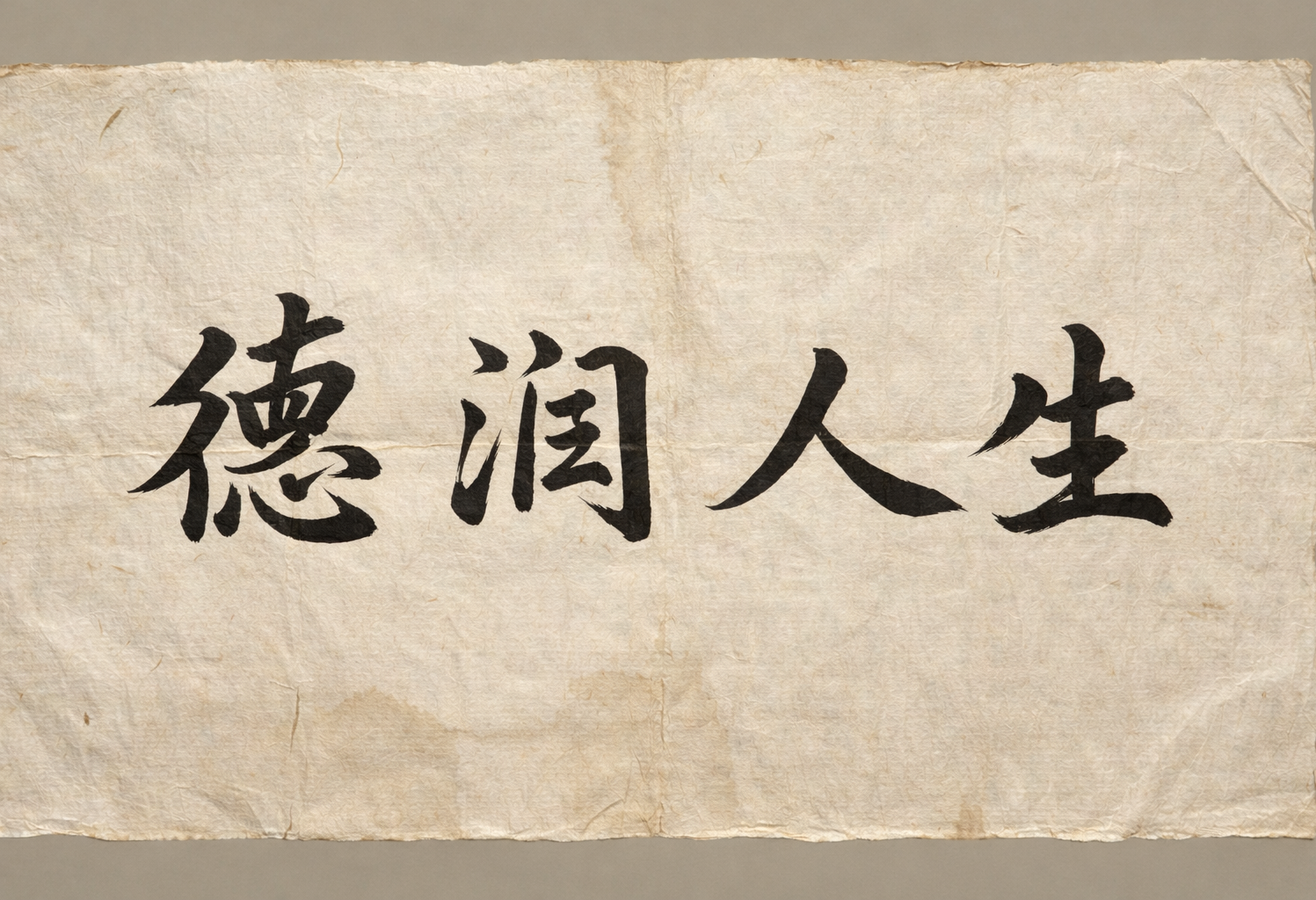
Women experiencing excessive sleepiness during their menstrual cycle, pregnancy, postpartum, or menopause can gently observe their body's changes through calligraphy. The exercise doesn't specify any particular content; simply observe changes in alertness, hand strength, and fatigue levels at different stages. Please don't take all the responsibility for your drowsiness upon yourself. If accompanied by anemia, hot flashes, mood swings, or caregiving stress, please record these symptoms and consult a professional. These changes in your body during different phases deserve to be understood.

○ Art Therapy Guidance
Women experiencing excessive sleepiness during menstruation, pregnancy, postpartum, or menopause can draw these phases of physical change. For example, some days you might feel particularly tired, others might feel more depressed, or you might feel exhausted even after sleeping. Express your physical state gently; don't force yourself to be positive. The visuals will remind you that drowsiness is sometimes intertwined with hormones, emotions, and caregiving stress, and deserves to be understood, not simply glossed over.
Please log in before submitting your drawings and feelings.

○ Diary Healing Suggestions
Today's journal entry should record the relationship between female physical stages and excessive sleepiness. Write down whether the drowsiness is related to the menstrual cycle, pregnancy, postpartum, menopause, hot flashes, anemia, mood swings, or caregiver stress. Please don't let these things make you feel weak. Finally, write down a small action: continuously record changes in your cycle and drowsiness, and consult a doctor if necessary. Physical stage changes need understanding and support; you don't have to bear all the fatigue alone.
Please log in to use.
May you gradually return to a more stable, clear-headed, and gentler version of yourself through today's practice.