

Lesson 1441: Course on Illness Anxiety Disorder
Duration:70 minutes
Topic Introduction:The course title and introduction gently guide you into an overview of "Illness Anxiety Disorders." It helps you understand the persistent fear of having a serious illness, distinguish between normal health concerns and a state dominated by anxiety, and help you reduce self-blame and increase understanding. This content is for psychological education and self-care reference only and cannot replace medical diagnosis, psychotherapy, or emergency treatment. The important thing is to remain calm. There's no need to rush to change yourself.
○ Course Topic Audio
Lesson 1441: Course on Illness Anxiety Disorder
Click to view the read-aloud text
Anxiety about illness makes people constantly worry that they have a serious disease. A minor symptom, an article, or a short video can quickly send the brain jumping to the worst possible outcome. You might repeatedly search, schedule checkups, ask family members for confirmation, and monitor your body's changes; but the peace of mind is short-lived, and new questions quickly arise. Explaining this topic is to show the cycle of health anxiety: increased uncertainty leads to checking and seeking confirmation, a brief reassurance, and then the brain learns to seek safety in the same way again. This section will gradually help you distinguish between red flag symptoms and amplified anxiety, practice delayed searches, set boundaries for medical intervention, reduce repetitive self-checks, and learn to accommodate some uncertainty. True recovery isn't about abandoning health, but about taking care of your body in a more stable way. You can have regular checkups, manage symptoms as prescribed by your doctor, and prevent online information and imagination from completely overwhelming your life. Your fear of death and illness shows you value life; but life also needs to be truly lived, not constantly consumed by worry. This section will help you transform searching and checking from automatic behavior into a bounded choice. For example, address health issues only at fixed times each day, avoid searching late at night, don't rely on social media for medical advice, have test results explained by the same doctor, and avoid repeatedly seeking confirmation from different sources. You'll also learn to face the anxiety of "not being 100% certain," because this is often the hardest part of health anxiety to let go of. A truly safe life isn't about having all the information about diseases, but about knowing you have reasonable ways to care for yourself. You can pay attention to symptoms, but you can also continue eating, working, seeing people, and getting sunshine. Using your entire life to prevent death is itself a loss. This part will help you slowly reclaim your life. Gradually, you'll remove health management from fear and reintegrate it into a regular life. Taking care of your body is necessary, but you also deserve a day not consumed by thoughts of illness. Recovering from health anxiety involves gradually reducing the number of times you seek confirmation and gradually increasing the proportion of real life. You can still take care of your body, and you can rebuild your life. One less search, one more moment of life—that's a new exercise.
AI Healing Q&A
AI-powered healing and Q&A will first help you clarify that while caring about your health is normal, if you have a persistent fear of serious illness, repeatedly seek confirmation, or find your life filled with worry, you need to approach it gently. You can describe the illness you are worried about, the triggering situations, your examination experiences, and the impact on your life. AI will help you organize clues and coping steps, but it cannot replace a doctor's diagnosis; if there are any acute danger signs, please seek medical attention immediately.
○ Music therapy guidance
Guided music therapy can help you slow down your health anxieties from their peak. Please choose calming, low-stimulation music without sudden loud noises, and let your breathing slow down with the rhythm. While listening, don't rush to judge whether you are sick; just feel if your body feels less tense. Music cannot replace a doctor's diagnosis. If you experience any acute danger signs, please seek medical attention immediately.

○Eastern and Western Healing Teas
○ Eastern Healing Tea - Chrysanthemum and Goji Berry Tea: Chrysanthemum and goji berry tea is a traditional Chinese herbal beverage, often used to clear heat, improve eyesight, and calm the mind. Chrysanthemum helps relieve tension in the head and eye fatigue caused by stress, while goji berries are more nourishing and restorative. The combination is suitable as a gentle respite drink when health concerns are high, eyes are strained, or emotions are tense. Instructions: Place one spoonful each of chrysanthemum and goji berries in a teapot, add hot water, and steep for 5-10 minutes. Drink 1-2 cups daily, suitable for prolonged eye strain or periods of high stress. When used in conjunction with the course "Overview of Anxiety Disorders," the process of brewing tea, waiting, and sipping slowly can be used as a small exercise for pausing and reaffirming information. Gentle Reminder: This tea recipe is for daily dietary and emotional well-being reference only and should not replace medical diagnosis, psychotherapy, medication, or emergency treatment. Pregnant women, breastfeeding mothers, children, those with chronic illnesses, allergies, or those currently taking medication should consult a professional first.
○ Healing Recipes
○ Western Herbal Nutrition: Chamomile-Mint Blend Tea
Recommended dishes:Chamomile-Mint Blend Tea Recommended reasons:This lesson helps you understand the core characteristics of illness anxiety disorder. Gentle dietary therapy can serve as a settling-in ritual after the course, reminding you that caring for your health doesn't mean being driven by fear. This diet plan, based on the principles of gentleness, stability, and low stimulation, helps the body gain some sustainable support. It cannot replace medical evaluation, nor can it directly treat illness anxiety disorder, but it can be used as part of regular eating habits, rhythm management, and mind-body observation. Recipe (1–2 servings): practice: Before preparing this dish or drink, please pause and observe the intensity of your current anxieties: are they ordinary health concerns, or have you developed an urge to repeatedly search, self-check, seek confirmation, or avoid the issue? Please do not blame yourself; simply treat these reactions as signals that need to be gently recorded. Before eating or drinking, take three slow breaths and observe your eyes, head, shoulders, neck, chest, stomach, and heartbeat. If you are thinking of searching or repeatedly checking right now, treat this recipe as a pause point before deciding whether you really need to take the next step. Take your first bite slowly. Daytime meals can be combined with sunlight, short breaks, and activity; evening meals should be portion-controlled to avoid overeating, excessive sweetness, or drinking too much water that may affect sleep. Video Title:Chamomile and Peppermint Blend Tea; Overview of Supporting Anxiety Disorders; Healthy Anxiety Observation and Gentle Dietary Practices for Stabilizing Circadian Rhythms in the Course. hint:If you are constantly plagued by fear of illness, require frequent checkups or verification, are unable to work or study, experience significant sleep impairment, or show signs of acute physical danger, please contact a doctor, psychologist, or emergency resources in person as soon as possible.Click to view healing recipes
◉ Western Herbal Nutrition: Chamomile-Mint Blend Tea
I. Recommended Dietary Therapy and Reasons
2. Recipe and Method
3. Small rituals for body and mind
4. Dietary Therapy Experience Record
V. Instructional Videos (approximately 3–5 minutes)
6. Precautions
○Mandala Healing
When viewing a mandala, gently focus your gaze on the center, as if giving a quiet place to a heart constantly worried about illness. You don't need to immediately prove you're okay, nor do you need to blame yourself for overthinking. Let the circular pattern slowly absorb your unease, reminding yourself: caring for your health has boundaries, and fear can be gently soothed. If acute warning signs appear, please seek medical attention immediately.
● AI Dynamic Geometric Vision Focus and Emotion Regulation Engine ●
AI Dynamic Geometric Vision Focus and Emotion Regulation Engine · v7.0.0
Before we begin, I'd like to know how you feel right now.
There is no standard answer; just choose the one that best reflects how you feel right now.
The experience is over. Tell us how you feel now.
There is still no standard answer; just choose the one that best reflects how you feel right now.
#FF5252
After the fluorescent line crawling is completed and stopped, first select a color, then click on the closed area in the graphic to fill in the color.
AI Digital Mandala Static Focus EngineAZ Image Coloring · 60 Colors
AI Digital Mandala Interactive Focus Engine
A–Z Free Selection · Layered Lines · 60 Color Fills

○ Calligraphy and engraving therapy practice
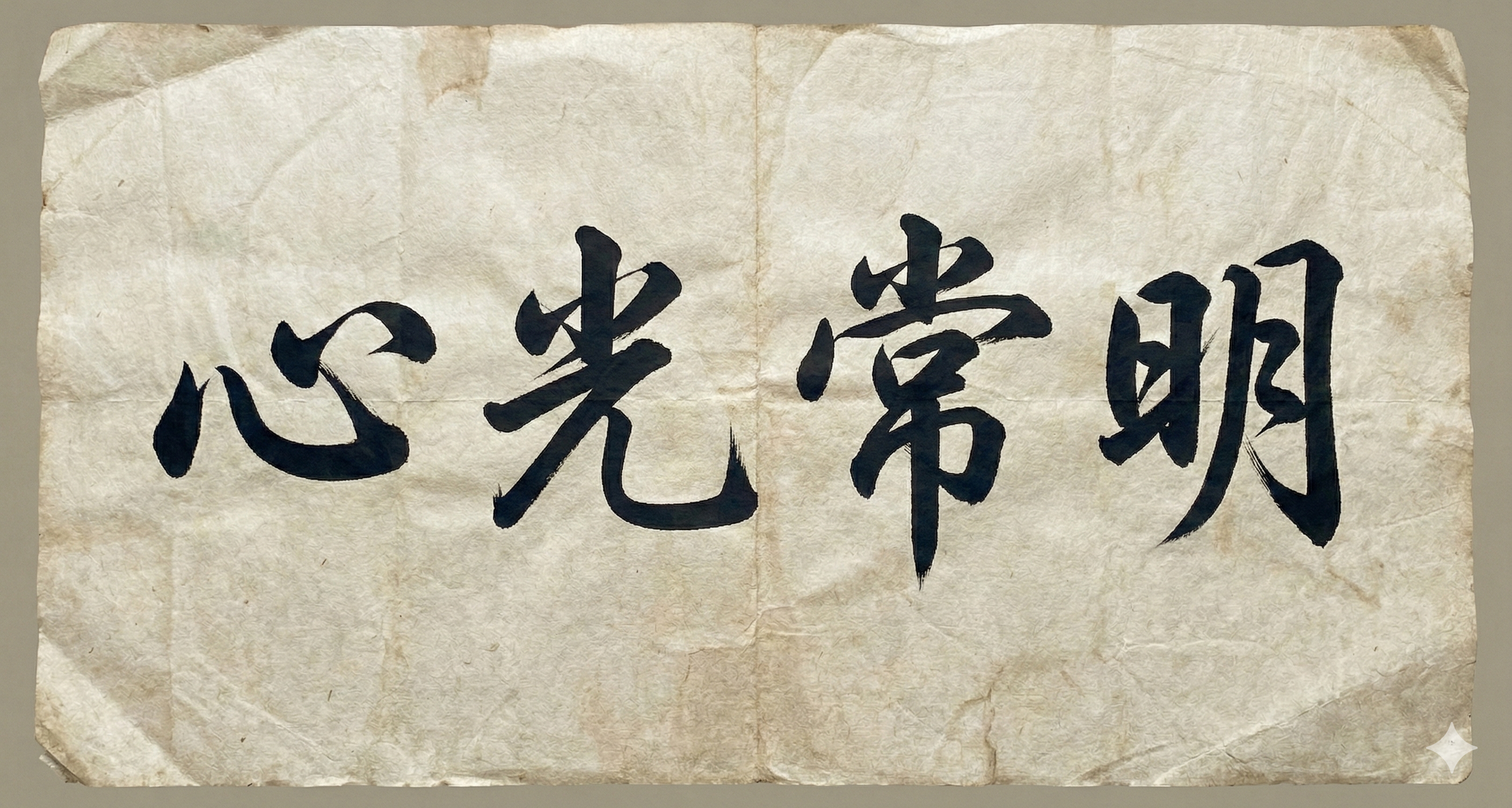
The calligraphy healing exercise doesn't specify any particular words or phrases. Simply, when you're worried about your health, steady your hand and slowly begin writing. You don't need to immediately prove you're healthy, nor do you need to blame yourself for overthinking. Each stroke is like a gentle pause, allowing the fear to recede slightly from your mind. If there are acute warning signs, seek medical attention first; if it's just recurring worry, let your body calm down first.
○ Art Therapy Guidance
Art therapy can begin by gently placing your fear of illness onto paper. Use colors, lines, or shapes to draw what you're worried about. It doesn't need to be accurate or prove anything. It's understandable that you care about your body and health. The drawing is simply a gentle container to help you remove some of the fear from your mind. If you experience any acute warning signs, please seek medical attention immediately.
Please log in before submitting your drawings and feelings.
○ Diary Healing Suggestions
The journal section is for you to write down the most impactful point from today's lesson, following the overview of illness-related anxiety disorders, and a small action you're willing to try. You can write down your new understanding of "fear of serious illness" and a small step you're willing to take, observing first and then acting. Please write truthfully, briefly, and in a way you can handle. There's no need for deep analysis, and you don't need to write it for anyone else; the important thing is to let your feelings be gently seen. It doesn't need to be complete, nor does it need to appear strong. If your emotions rise, please stop writing and return to a safe place. Allow yourself to slow down and only do what you can handle today.
Please log in to use.
May you gradually return to a more stable, clear-headed, and gentler version of yourself through today's practice.
This unit's comprehension test
After completing the lesson's main topic, you can access the corresponding lesson's comprehension test here.