

Lesson 1494: Stress and Triggering Context Identification

Duration:70 minutes
Topic Introduction:The course title and introduction are designed to gently guide you into "Stress and Trigger Situation Identification." It will guide you to analyze stress, scenarios, physical signals, and emotional changes, creating a personal trigger list to provide an entry point for subsequent intervention. This content is for psychological education and self-care reference only and cannot replace medical diagnosis, psychotherapy, rehabilitation training, or emergency treatment. Please be patient. Take your time while learning.
○ Course Topic Audio
Lesson 1494: Stress and Triggering Context Identification
Click to view the read-aloud text
You don't need to become brave immediately; you just need to listen to yourself first. Today, we'll learn about "Stress and Triggering Situations." Stress and triggering situations often lurk before or after symptoms: a particular scenario, relationship conflict, fatigue, lack of sleep, and feelings of shame can all intensify the body's reaction. Today, we'll help you create a trigger list, recording changes before, during, and after each trigger. Recognizing triggers isn't about blaming yourself, but about taking care of yourself sooner. When your brain keeps asking "Is this real or fake?", allow yourself to slow down. We'll separate facts, feelings, medical assessments, and rehabilitation actions so you're no longer driven by a jumble of fears. Don't push yourself too hard while learning. You can focus on understanding one concept, recording one trigger, or trying a small functional exercise. If you experience significant discomfort, an attack, a risk of falling, or a sudden deterioration in function, follow your doctor's advice first. If it's just increased anxiety, slow your breathing and give your body some time to confirm it's safe. Please remember that this course content cannot replace a doctor's diagnosis, psychotherapy, rehabilitation, or emergency treatment, but it can help you better understand yourself and cooperate more stably with professional support. You can silently remind yourself: stabilize first, then practice; be safe first, then move forward. Every time you're willing to stop, you're paving the way for new physical experiences. Don't rush to overcome your fears; simply bring your attention back to a small, actionable movement. Allow yourself to gently and professionally relearn how to cooperate with your body, little by little. When you're willing to complete a small exercise, you're giving your body room to recover. Take it slow; stability is more important than perfection. Take it slow, be calm first. Take it slow, be calm first. Take it slow, be calm first. Take it slow, be calm first. Take it slow, be calm first. Take it slow, be calm first. Take it slow, be calm first. Take it slow, be calm first. Take it slow, be calm first. Take it slow, be calm first. Take it slow, be calm first. Take it slow, be calm first. Take it slow, be calm first. Take it slow, be calm first.

AI Healing Q&A
Stress, relationship conflict, fatigue, and physical alertness can all trigger symptoms. You can describe to the AI what happened before the symptoms appeared, your mood at the time, and whether your body was already very tired. The AI will help you create a personalized trigger list and identify adjustable rhythms and boundaries. Identifying triggers is not about blaming yourself, but about letting your body's SOS signals be heard, so that subsequent recovery can be gentler.

○ Music therapy guidance
When identifying stress and triggers, you can review what happened before the symptoms appeared while listening to quiet music. Let the melody gently support you, and then observe relationship stress, fatigue, sleep, physical signals, and mood changes. The music isn't meant to immerse you in memories, but rather to provide a safe backdrop for observation. Seeing the triggers isn't about blaming yourself, but rather about making your body's cues easier to understand and address in advance.

○Eastern and Western Healing Teas
○ Eastern Healing Tea - Chrysanthemum and Goji Berry Tea: The combination of chrysanthemum and goji berries helps to clear the liver and improve eyesight, and relieve stress. Chrysanthemum helps relieve eye fatigue and headaches, while goji berries help boost energy and immunity. This tea is suitable for people who work long hours, use their eyes extensively, or experience stress. Instructions: Place 1 teaspoon each of chrysanthemum and goji berries in hot water and steep for 5-10 minutes. Drink once daily to help clear heat and detoxify, and relieve anxiety and fatigue. When used in conjunction with the course "Stress and Triggering Situations Identification," the process of brewing tea, waiting, and slowly sipping can be used as a small exercise to calm the nervous system and pause excessive focus on symptoms. Gentle Reminder: This tea recipe is for daily dietary and emotional well-being reference only and cannot replace doctor's diagnosis, neurological evaluation, psychotherapy, rehabilitation training, medication, or emergency treatment. Pregnant women, breastfeeding mothers, children, those with chronic diseases, allergies, or those currently taking medication should consult a professional first.
○ Healing Recipes
○ Western Herbal Dietary Therapy: Apple Walnut Salad
Recommended dishes:Apple and Walnut Salad Recommended reasons:When identifying stress and triggering situations, the meal plan experience can serve as a point of observation, recording stress, bodily signals, and mood changes before and after consumption, providing clues for an individualized trigger list. This meal plan, based on the principles of gentleness, stability, and low stimulation, helps the body obtain some sustainable support. It cannot replace medical evaluation, nor can it directly treat conversion disorder or functional neurological symptoms, but it can be used as part of regular eating, rhythm management, and mind-body observation. Recipe (1–2 servings): practice: Before preparing this dish or drink, please stop and observe your body: are you experiencing weakness, tension, numbness, tremors, pain, post-ictal fatigue, or worry about the symptoms? Please do not blame yourself; simply treat these reactions as signals that need to be gently recorded. Before eating or drinking, take three slow breaths and observe your eyes, head, shoulders, neck, chest, stomach, hands, feet, and gait. If there is a risk of falling, swallowing, driving, operating equipment, using fire, or caring for others today, prioritize safety arrangements before eating. Take your first bite slowly. Daytime diets can be combined with sunlight, short breaks, and rehabilitation exercises; evening diets should be portion-controlled to avoid overeating, excessive sweetness, or drinking too much water that may affect sleep. Video Title:Apple and Walnut Salad: A gentle dietary approach to supporting functional observation and stabilizing rhythms in the course on stress and trigger situation identification. hint:If the conversion symptoms continue to worsen, significantly affecting walking, speaking, swallowing, studying, or working, or are accompanied by intense fear, trauma response, depression, or self-harming thoughts, please contact an in-person doctor, psychologist, rehabilitation therapist, or emergency resources immediately.Click to view healing recipes
◉ Western Herbal Diet: Apple Walnut Salad
I. Recommended Dietary Therapy and Reasons
2. Recipe and Method
3. Small rituals for body and mind
4. Dietary Therapy Experience Record
V. Instructional Videos (approximately 3–5 minutes)
6. Precautions

○Mandala Healing
When identifying triggers, gently review what happened before the symptoms appeared by looking at the mandala. Place the body's reaction in the center, and the outer rings for stress, relationships, fatigue, sleep, and mood changes. Please don't blame yourself for being triggered; your body is simply reminding you in its own way. The pattern will gradually organize a chaotic mess into clues. Seeing the triggers is for proactive care, not for judging yourself.
● AI Dynamic Geometric Vision Focus and Emotion Regulation Engine ●
AI Dynamic Geometric Vision Focus and Emotion Regulation Engine · v7.0.0
Before we begin, I'd like to know how you feel right now.
There is no standard answer; just choose the one that best reflects how you feel right now.
The experience is over. Tell us how you feel now.
There is still no standard answer; just choose the one that best reflects how you feel right now.
#FF5252
After the fluorescent line crawling is completed and stopped, first select a color, then click on the closed area in the graphic to fill in the color.
AI Digital Mandala Static Focus EngineAZ Image Coloring · 60 Colors
AI Digital Mandala Interactive Focus Engine
A–Z Free Selection · Layered Lines · 60 Color Fills

○ Calligraphy and engraving therapy practice
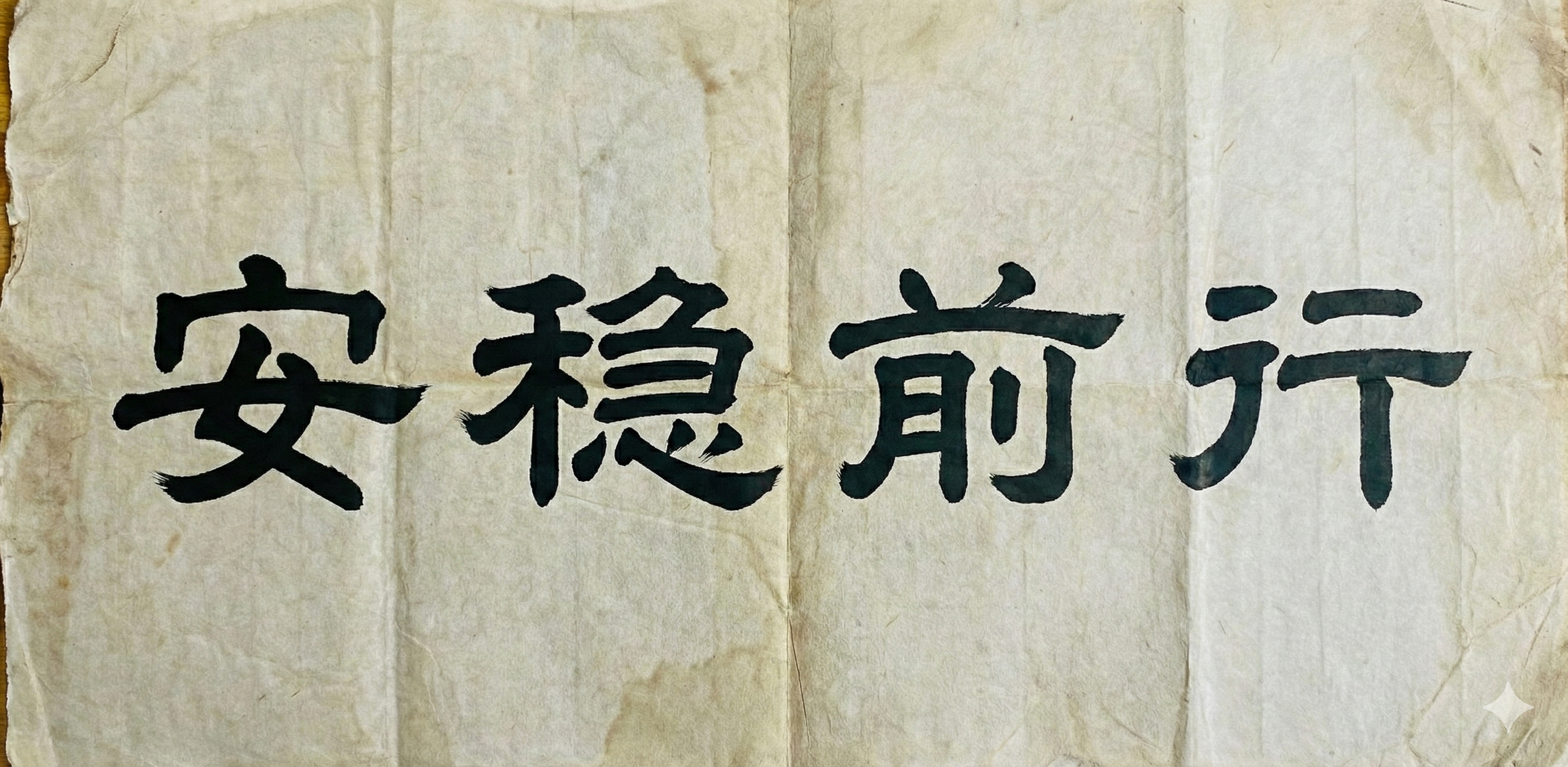
When identifying stress and triggers, calligraphy practice can help calm the mind. The practice doesn't dictate what to write; simply use slow strokes to help you take a step back from tension. Once your body is more stable, then observe relationships, fatigue, sleep, emotions, and bodily signals. Please don't blame yourself for being triggered; your body is simply reminding you that you need care. The purpose of this practice is to make observation less fearful and more gentle.

○ Art Therapy Guidance
When identifying triggers, you can draw a diagram of the environment preceding the symptoms. Put stress, relationships, fatigue, sleep, emotions, and bodily signals into the same diagram, noting which colors are the darkest and which lines are the tightest. The purpose of drawing this diagram is not to assign blame, but to make your body's warnings heard. Once you see the triggers, you can proactively plan for rest, boundaries, and support, instead of panicking when symptoms worsen.
Please log in before submitting your drawings and feelings.

○ Diary Healing Suggestions
The journal section is designed to help you write down the most impactful point from today's lesson, along with a small action you'd like to try, after the "Stress and Trigger Situation Identification" section. You can write down a stressful scenario, physical signals, and emotional changes as a gentle entry on your trigger list. Please write in an authentic, concise, and manageable way; there's no need for deep analysis or to show it to anyone. The important thing is to gently acknowledge your feelings. After finishing, gently close the journal and take a slow breath. It doesn't need to be complete, nor does it need to appear strong. If symptoms or emotions intensify, please stop writing and return to a safe place.
Please log in to use.
May you gradually return to a more stable, clear-headed, and gentler version of yourself through today's practice.