

Lesson 1582: Symptoms of Internet or Gaming Addiction

Duration:70 minutes
Topic Introduction:This lesson will help you identify signs of internet or gaming addiction: uncontrolled use, staying up late, procrastination, offline anxiety, social withdrawal, decreased academic or work performance, and physical fatigue. Don't rush to scold yourself awake; these changes are reminders that your usage may have crossed the line. The course will gently guide you to identify the most noticeable effects and where adjustments are needed first. The sooner you recognize these signs, the better you can gradually pull your life back from its automatic slippage. Identify these signs first.
○ Course Topic Audio
Lesson 1582: Symptoms of Internet or Gaming Addiction
Click to view the read-aloud text
When you hear this topic, you might think of staying up late, procrastination, or arguments at home. Let's first gently look at the symptoms of "internet or gaming addiction." Uncontrolled use, staying up late, procrastination, social withdrawal, decreased academic or work performance, and offline anxiety are all signals worth noting. Treat these symptoms as reminders for adjustment, not as reasons to shame yourself. Internet or gaming addiction is often not simply laziness; it may temporarily mask stress, loneliness, frustration, and boredom, or it may lead to a constant pursuit of instant gratification, forgetting that your body and real life are already exhausted. Therefore, this section doesn't want to push you into shame, but rather help you see: when you most want to pick up your phone, when you're most likely to continue playing, and when you're clearly tired but still can't stop. When these moments are recognized, boundaries cease to be just slogans and gradually become actionable arrangements. You can treat today's topic as a gentle process of adjustment: first observe the trigger points, then narrow down the goals, then design offline transitions, and finally gradually reconnect with reality. While listening, please don't rush to see all devices as enemies, nor use shame to push yourself further away. Truly helpful changes often don't involve cutting everything off all at once, but rather identifying the parts that are most harmful to your health, disrupt your sleep, and affect your relationships, and gradually reducing them. Perhaps today you only need to put down your phone ten minutes earlier, complete a small offline task, or turn an automatic screen-scrolling session into a conscious pause. If the family is facing this issue together, remember that rules need to be clear, and the tone of voice needs to be respectful; shaming usually only makes people want to hide behind the screen more, while consistent companionship is more likely to bring people back to life. Seeing the change isn't about blaming yourself, but about creating an opening for adjustment. If you feel guilty, frustrated, or want to argue after hearing this, that's okay; it means this topic touches on real life. Don't rush to argue about winning or losing; just ask yourself: Has this usage made my body, relationships, or work/studies more difficult lately? Just being willing to honestly look at it is already a step more clear-headed than automatically scrolling down.

AI Healing Q&A
If you're worried about becoming addicted to the internet or games, you can describe to the AI symptoms such as staying up late, procrastination, social withdrawal, decreased academic or work performance, and offline anxiety. The AI will gently analyze these warning signs, distinguishing between entertainment and loss of control. After the analysis, please choose a minimal change, such as logging off ten minutes earlier or closing an access point. If these signs persist, treat them as reminders that adjustments are needed; the earlier you address them, the easier it is to protect your sleep and real-life relationships. Please don't continue to tough it out alone.

○ Music therapy guidance
When overuse, late nights, procrastination, and offline anxiety arise, music can be the first step away from the screen. Listen to a soothing piece of music (no more than ten minutes), turn the screen down, and feel the changes in your eyes, neck, and breathing. Don't force yourself to quit all use immediately; just practice once without following the prompts. After listening, do an offline exercise to let your body know you're back. Even just ten minutes away from the screen gives your body a real rest. This is important.

○Eastern and Western Healing Teas
○ Healing Tea Drinks · Western Healing Tea · Golden Milk with Chili Introduction: Golden Milk with Chili has a distinctly warming effect, suitable for drinking in small amounts when feeling low on energy, cold, or needing a boost during the day. Chili stimulates circulation, and turmeric provides gentle support, but it's not suitable for those with high anxiety, stomach upset, or before bed. Instructions: Heat 250ml of milk, add 1/2 teaspoon of turmeric powder and 1/4 teaspoon of chili powder, stir well, and add a small amount of honey. Drink during the day, starting with small amounts.
○ Healing Recipes
○ Chinese Food Therapy · Soup Dishes · Lamb and Goji Berry Soup
Recommended dishes:Lamb and wolfberry soup Recommended reasons:Lamb and wolfberry soup, based on light, regular, and easy-to-prepare ingredients, is suitable as a daily dietary support in courses addressing symptoms of internet or gaming addiction. During addiction recovery or behavioral adjustment, people often experience impulsivity, anxiety, emptiness, fatigue, or disrupted sleep patterns. A stable meal cannot replace treatment, but it can help the body find a gentle respite. When preparing this dish, focus on the ingredients, temperature, and your breathing, making eating a small step back into real life. Recipe (1–2 servings): practice: When preparing mutton and goji berry soup, put your phone away for a few minutes and focus solely on the ingredients at hand. The chopping, mixing, boiling, and grilling don't need to be fast or perfect. If you're in a rush, simplify the steps; if you're feeling down, allow yourself to make a small portion. Food isn't a task, but a reminder: I can still take care of myself gently. Before taking your first bite, pause for three seconds to savor the color, smell, and temperature. If you experience urges that day to gamble, scroll through social media, escape, or continue to stimulate yourself, treat this meal as a pause point. Let your body catch up before deciding on your next step. Video Title:Lamb and Goji Berry Soup: A Healing Dietary Recipe for Stabilizing Your Circadian Rhythm hint:Please understand diet within the context of a holistic care plan: regular sleep, financial or digital boundaries, professional support, companionship, emotional journaling, and necessary treatment remain important foundations for long-term recovery.Click to view healing recipes
◉ Chinese Food Therapy · Soup Dishes · Lamb and Goji Berry Soup
I. Recommended Dietary Therapy and Reasons
2. Recipe and Method
3. Small rituals for body and mind
4. Dietary Therapy Experience Record
V. Instructional Videos (approximately 3–5 minutes)
6. Precautions

○Mandala Healing
Staying up late, procrastination, offline anxiety, and relationship withdrawal often don't appear all at once. Please draw these signals as layers of deepening color, watching them gradually build up. Don't use this diagram to blame yourself; simply let it remind you that your body and life are already sending signals. After finishing, you can leave a small patch of light color next to the darkest area, as if giving yourself a chance to readjust. That small patch of light color is evidence that you are still willing to adjust your schedule and life. Don't rush to deny it.
● AI Dynamic Geometric Vision Focus and Emotion Regulation Engine ●
AI Dynamic Geometric Vision Focus and Emotion Regulation Engine · v7.0.0
Before we begin, I'd like to know how you feel right now.
There is no standard answer; just choose the one that best reflects how you feel right now.
The experience is over. Tell us how you feel now.
There is still no standard answer; just choose the one that best reflects how you feel right now.
#FF5252
After the fluorescent line crawling is completed and stopped, first select a color, then click on the closed area in the graphic to fill in the color.
AI Digital Mandala Static Focus EngineAZ Image Coloring · 60 Colors
AI Digital Mandala Interactive Focus Engine
A–Z Free Selection · Layered Lines · 60 Color Fills

○ Calligraphy and engraving therapy practice
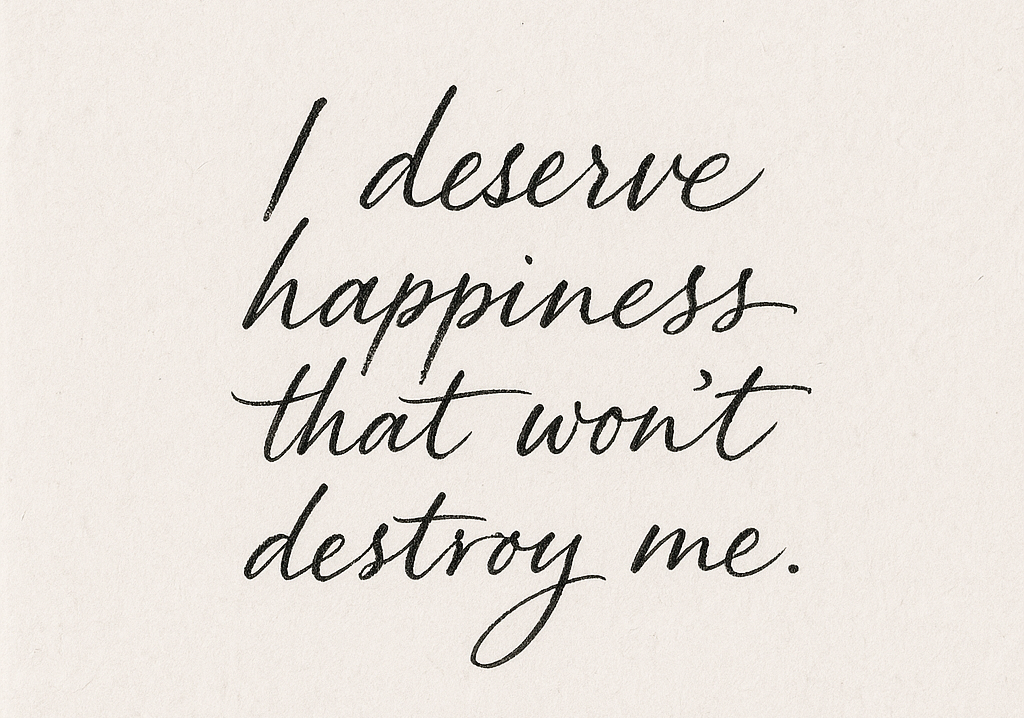
If you think about staying up late, procrastination, offline anxiety, and retreating from reality, don't rush to deny yourself. When writing, slow down to a very slow pace, letting your eyes follow the strokes. This allows your brain to step back from rapid stimulation and your body to rediscover its boundaries. These signals aren't evidence to shame you, but rather reminders that life is tiring, needs to be rearranged, and needs gentle care. As your strokes slow down, your body will gradually learn that it doesn't have to keep up with the speed of the screen.

○ Art Therapy Guidance
Uncontrolled use of electronic devices, staying up late, procrastination, and offline anxiety—when these accumulate, it's easy to become irritable. When drawing this picture, don't force yourself to be quiet; just slowly let the chaos, exhaustion, and unstoppable feeling seep into the colors. Once the picture captures these states, you'll more easily realize: you're not broken, you've just been overexerted. Towards the end, you might understand that those states aren't your entire being; they've simply been neglected for too long. It's good to admit you're tired first.
Please log in before submitting your drawings and feelings.

○ Diary Healing Suggestions
Today, write down each sign of internet or gaming addiction: Do you stay up late, can't stop playing, procrastinate, feel irritable offline, or keep extending your playtime even after initially agreeing to play only a short while? Writing these details down isn't about exaggerating the problem, but about helping you see how it has seeped into your life. Many changes begin when you finally stop seeing it vaguely. Finally, pick out the two behaviors that affect you most and write them down as your top priorities for adjustment. Don't worry about having too many directions; focus on the most painful ones first, and action will be easier to begin. Writing down your priorities will prevent your actions from becoming scattered.
Please log in to use.
May you gradually return to a more stable, clear-headed, and gentler version of yourself through today's practice.