
Lesson 1615: Work Procrastination and Internet Distraction

Duration:70 minutes
Topic Introduction:Instant gratification provides quick rewards, making waiting, learning, and sustained engagement more difficult. This course helps learners understand that impulsivity isn't a bad personality trait, but rather a brain's accustomedness to rapid feedback. By delaying, pausing, and taking a small detour, learners can gradually practice taking back control of their decisions from impulses. This exercise isn't about suppressing yourself, but about taking an extra second to see what you truly need when you're tempted to click, continue, or escape. Give yourself a second.
○ Course Topic Audio
Lesson 1615: Work Procrastination and Internet Distraction
Click to view the read-aloud text
Please approach this lesson with a light heart. There's no need to rush to self-criticism or try to explain everything at once. This lesson will help you understand how instant gratification makes people increasingly unwilling to wait, and how impulses are more likely to prevail over long-term goals. Many dependent behaviors may seem like a lack of self-discipline, but they often mask fatigue, stress, loneliness, fear of failure, or a desire to temporarily escape. When the impulse urges you to click immediately, pause, even for just a second. This is practicing taking back the power of decision-making. Instant gratification is tempting because it eliminates waiting and uncertainty. But many truly important things in life require a little delay: sleep, learning, relationships, health, and self-esteem. This course will help you pause when you crave immediate stimulation and see whether what you truly want is relaxation, escape, or comfort. In this lesson, I hope you are not asked to become better immediately, but rather to first understand yourself better, and then begin with a small action. You are not trying to eliminate desires, but rather to practice pausing more in the face of them. Having learned this far, please be patient with yourself in Lesson 1615: You're not fighting a battle with the internet that you must win immediately, but rather practicing gradually taking choices, time, and life back into your own hands. At this point, try connecting "impulse control and instant gratification" to a real-life scenario: When does it usually happen? What emotions precede it? Is your body tired, tense, or empty? What impact does it have on your sleep, relationships, studies, or work afterward? Please don't rush to turn these records into self-criticism. A more helpful approach is to see them as a life map: where are the entrances, where are the turns, where you need to protect yourself in advance, and where you need to seek help. You don't need to make drastic changes immediately today; choose just one small action: spend less time on the screen, put down your device beforehand, place your phone further away, or pause for ten seconds before continuing. Repeating these small actions will gradually build a new sense of stability. If you fail again, please return to the records and make adjustments first, rather than pushing yourself back into shame. You are not learning perfect control, but rather, after each wavering, seeing things more quickly and returning to your senses more easily.

AI Healing Q&A
Instant gratification comes quickly. When you want to click, continue, or get a reward immediately, you can tell the AI about this moment first. It will help you break down the impulse into physical sensations, thoughts, and needs, and then practice delaying it for a few seconds with you. The AI won't blame you for being impulsive; it will only remind you: every extra second of pause gives you more choices. You can also ask the AI to write a delay reminder for you, giving yourself more buffer time when the impulse is at its strongest. This one second is small, but it has power. Stop for a moment. Don't rush into action.

○ Music therapy guidance
The urge for instant gratification is fleeting, but music practice can help you wait a few more seconds. Choose a piece of music with a slow intro, and listen to the first phrase end before you reach for your phone. You're not trying to eliminate the desire, but rather to introduce a pause between desire and action. This small pause is the beginning of regaining control of your choices. Listen before deciding whether to act—that's practice. You're not fighting the impulse head-on, but rather placing a brief moment of clarity before it arises. Wait a moment. Don't rush to click. Stop.

○Eastern and Western Healing Teas
Orange blossom tea is perfect for those moments when you're impulsively wanting to click, continue, or crave immediate stimulation. The gentle aroma of orange blossom is ideal for giving yourself a buffer between tension and excitement. Take one spoonful of orange blossom petals, steep in hot water for 5-7 minutes, and add a small amount of honey if desired. Before drinking, pause for ten seconds, remove your hand from the screen, and practice slowly regaining control of your decision.
○ Healing Recipes
○ Mediterranean Diet - Herbed Onions
Recommended dishes:Mediterranean roasted onions (Herbed Onions) Recommended reasons:Mediterranean roasted onions, based on natural ingredients, mild seasoning, and sustainable energy, are perfect for everyday care within the theme of "impulse control and instant gratification." Internet or gaming addiction often leads people to neglect eating, sleeping, and bodily sensations. Diet doesn't need to be complicated, nor should it become a new source of stress. This dish reminds you to return to a meal, a bite, a quiet moment, allowing your attention to slowly shift from the screen back to your body. Recipe (1–2 servings): practice: When preparing Mediterranean roasted onions, put your phone aside and let your hands actually touch the ingredients. The processes of washing, chopping, stirring, or heating can all become mini-practice sessions to step away from the screen. There's no need to strive for perfection while cooking; just slow down and breathe more deeply. Before taking your first bite, remind yourself: I'm gently bringing my day back into the spotlight with a simple meal. If you've stayed up late, are irritable, or exhausted, simplify the process to the easiest version. If you're feeling impulsive, eat something mild first before deciding on the next step. Food isn't a task, but rather a gentle support for your mind and body. Video Title:Mediterranean Roasted Onions: A Gentle Nutritional Recipe for Internet Addiction Courses hint:Please understand diet within the context of a holistic care plan: regular sleep, digital boundaries, offline activities, family support, mood journaling, and necessary professional help remain important foundations for the long-term management of internet addiction.Click to view healing recipes
◉ Mediterranean Diet: Herbed Onions
I. Recommended Dietary Therapy and Reasons
2. Recipe and Method
3. Small rituals for body and mind
4. Dietary Therapy Experience Record
V. Instructional Videos (approximately 3–5 minutes)
6. Precautions
○Mandala Healing
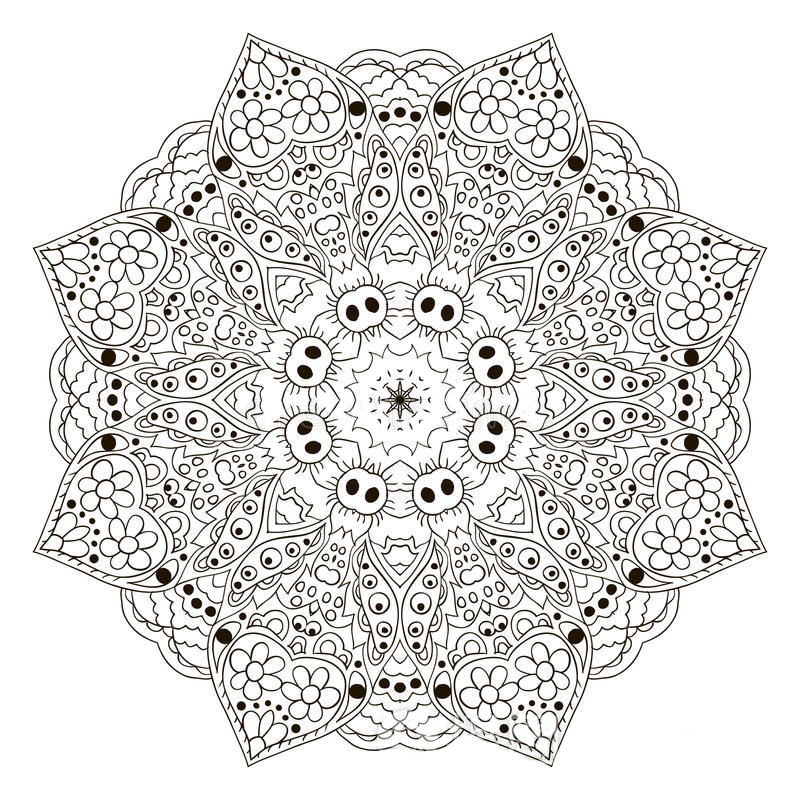
When you feel an urge to click immediately, look at the mandala for ten seconds first. Observe the space between the center and the outer circle, just as there can be a little distance between impulse and action. You don't need to suppress the desire; just look at it for one more second. This small pause will gradually help you reclaim the choice from instant gratification. Decide whether to act after you've finished looking at it. Being able to wait shows that you're not completely driven by impulse. Wait ten seconds. Don't rush to act. Take a breath. Then decide.
● AI Dynamic Geometric Vision Focus and Emotion Regulation Engine ●
AI Dynamic Geometric Vision Focus and Emotion Regulation Engine · v7.0.0
Before we begin, I'd like to know how you feel right now.
There is no standard answer; just choose the one that best reflects how you feel right now.
The experience is over. Tell us how you feel now.
There is still no standard answer; just choose the one that best reflects how you feel right now.
#FF5252
After the fluorescent line crawling is completed and stopped, first select a color, then click on the closed area in the graphic to fill in the color.
AI Digital Mandala Static Focus EngineAZ Image Coloring · 60 Colors
AI Digital Mandala Interactive Focus Engine
A–Z Free Selection · Layered Lines · 60 Color Fills

○ Calligraphy and engraving therapy practice
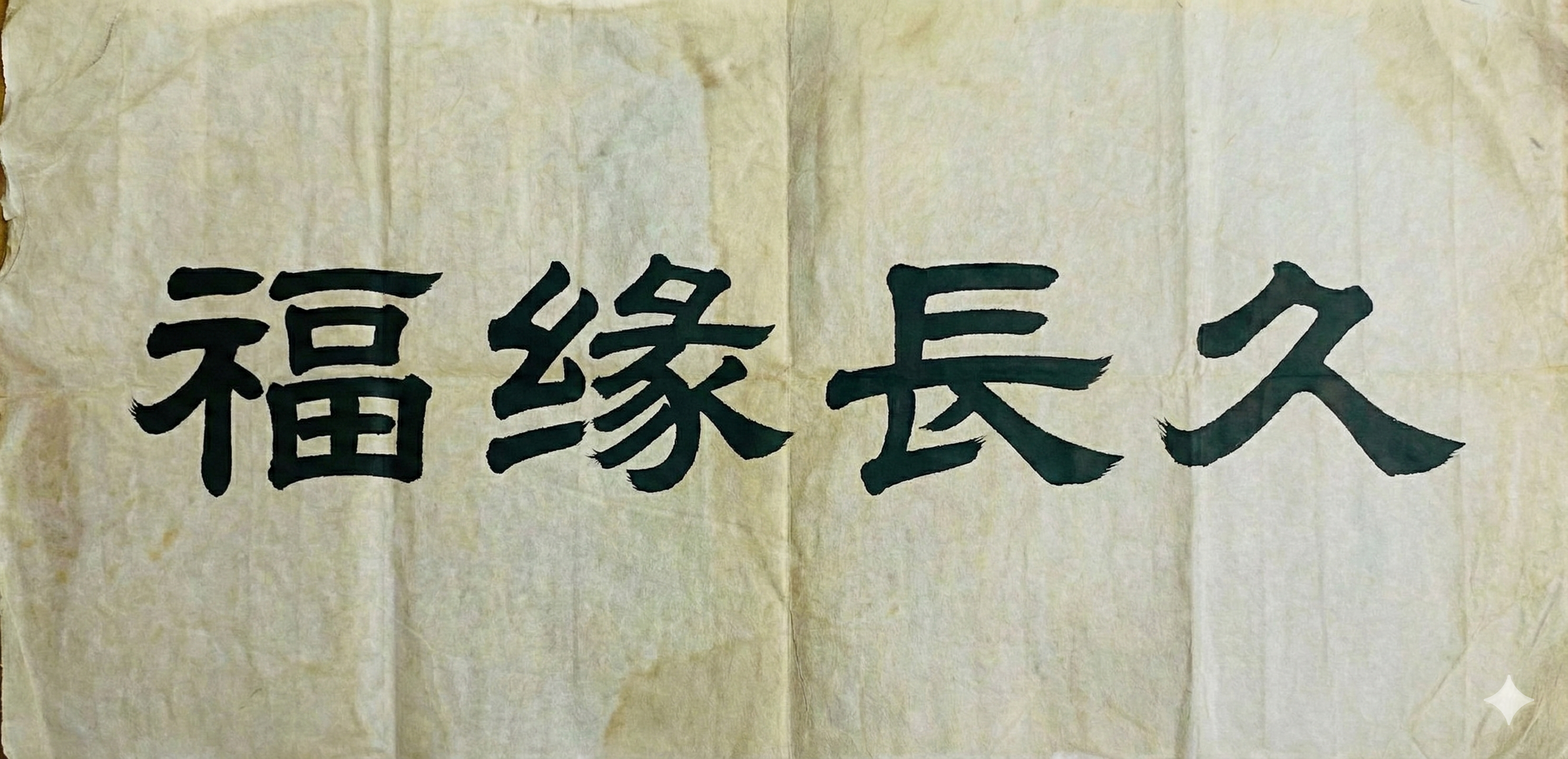
When we're distracted at work, we often open web pages or our phones. It's not always a lack of effort; it's that our brains are trying too hard to escape stress. Calligraphy practice doesn't require a plan or prescribed content; it's simply about slowing your hands down before you begin. This short pause helps you pull yourself out of the chaos and refocus on the task at hand. You don't need to become highly efficient immediately; just letting your mind step out of its escapist mode is a great start. From this small beginning, your mind will gradually find its anchor. Leave some space in your life.

○ Art Therapy Guidance
Procrastinating on work while constantly checking your phone isn't always laziness; often it's due to excessive pressure, a mental urge to escape. Art therapy can provide a transition before work, not for procrastination, but for calm. You can draw for a short while, putting your frustration, chaos, and resistance on paper. Once these emotions have an outlet, returning to the task will feel less rigid. Releasing yourself from tension is much easier than forcing yourself to truly get into the flow.
Please log in before submitting your drawings and feelings.
○ Diary Healing Suggestions
When procrastinating at work, the internet often serves as a temporary escape. Today's journal entry can be a chance to write about the task you're avoiding—whether it frightens you, frustrates you, or makes you feel overwhelmed. After writing it down, don't immediately force yourself to complete it all; just write down the next, smallest action. For example, open a file, list three key points, or handle an email. By minimizing the tasks, your mind doesn't need to hide by constantly scrolling through the internet. If you feel tense while writing about a task, acknowledge that tension first. Real action often begins with a small step, not with forcing or humiliating yourself. Let your mind gradually settle down.
Please log in to use.
May you gradually return to a more stable, clear-headed, and gentler version of yourself through today's practice.