
Lesson 1628: Discussing Support Methods with Family Members
Duration:70 minutes
Topic Introduction:Sleep restoration requires patience, especially when nights are already tied to phones, games, and short videos. This course will help learners start by setting screen limits before bed, establishing a consistent wake-up time, reducing nighttime stimulation, and creating a relaxation routine. As the nights gradually quiet down, daytime mood, focus, and impulsivity will also improve. The course won't expect you to sleep perfectly immediately, but rather will guide you step-by-step to reduce nighttime distractions, allowing your body to regain confidence that the night can be peaceful. The night will be quiet.
○ Course Topic Audio
Lesson 1628: Discussing Support Methods with Family Members
Click to view the read-aloud text
This section aims to guide you through a relatable, everyday experience, showing how the internet and games gradually consume your time, attention, and emotions. This lesson will help you gradually restore sleep through nighttime screen management, establishing a consistent wake-up and relaxation routine. You don't need to see the internet as the enemy, nor do you need to pretend you don't want to use it at all; the more important thing is to regain control over your choices. Sleep restoration can begin in the last half hour before bedtime. Reduce stimulation, dim the lights, and let your body know that nighttime is for rest. Sleep restoration isn't achieved simply by saying, "I must go to bed early tonight." It requires preparation: reduce nighttime stimulation, keep your phone away from the bedside, and give your body a consistent relaxation signal. You may fail at first, but that doesn't mean it's useless. Every attempt helps your body relearn the sense of security at night. This learning process may not be easy, but it's helping you gradually take life back from the screen. A quieter night means a less burdened day. Having reached this point, please be patient with yourself in lesson 1628: you're not fighting a battle with the internet that you must win immediately, but rather practicing slowly taking choices, time, and life back into your own hands. Hearing this, try connecting "sleep restoration and nighttime screen management" to a real-life scenario: When does it usually happen? What emotions precede it? Is your body tired, tense, or empty? What impact does it have on your sleep, relationships, studies, or work afterward? Please don't rush to turn these records into self-criticism. A more helpful approach is to see them as a life map: where are the entrances, where are the turns, where you need to protect yourself in advance, and where you need to seek help. You don't need to make drastic changes immediately today; choose just one small action: reduce screen time, put down your device beforehand, place your phone further away, or pause for ten seconds before continuing. Repeating these small actions will gradually build a new sense of stability. If you fail again, please return to the records and adjustments first, rather than pushing yourself back into shame. What you are learning is not perfect control, but how to see and return to reality more quickly after each setback.

AI Healing Q&A
When restoring sleep, tell the AI your bedtime routine, the last time you looked at a screen, and any waking experiences during the night. It will help you break down nighttime boundaries into actionable steps, instead of just telling you to go to bed earlier. If you experience chronic insomnia, are significantly affected during the day, or have accompanying emotional problems, please seek support from a doctor or therapist. After getting advice, choose a consistent bedtime routine to help your body gradually readjust to the night. A stable routine will gradually induce sleepiness. Try it tonight. Starting tonight.

○ Music therapy guidance
During the sleep recovery phase, the music should be as simple as possible. Choose a soothing piece of music for no more than ten minutes before bed, and don't play it continuously until late at night. You can associate the music with turning off the lights, moving your phone away from your screen, and breathing slowly. After repeated practice, your body will gradually understand that when this sound appears, it's time to rest and stop scrolling. If you can't do it in one night, don't give up all your efforts. Sleep recovery relies on repetition, not on one perfect attempt. Try using less screen time tonight. That's fine too. Start now. Give it a try.

○Eastern and Western Healing Teas
Chrysanthemum tea is suitable for those who experience eye strain, headaches, and difficulty concentrating while using screens at night. Take 2-3 chrysanthemum flowers, steep in hot water for 5-10 minutes, and drink a small amount in the afternoon or evening. Dim the lights while drinking to reduce stimulation; let this soothing tea remind you that you don't need to continue watching content at night, and your body needs rest too.
○ Healing Recipes
○ Indian Ayurvedic Dietary Therapy: Quinoa and Vegetable Fried Rice
Recommended dishes:Quinoa and vegetable fried rice Recommended reasons:Quinoa and vegetable fried rice, based on natural ingredients, mild seasoning, and sustainable energy, is suitable for daily care within the theme of "sleep restoration and nighttime screen management." Internet or gaming addiction often makes people neglect eating, sleeping, and physical sensations. Diet doesn't need to be complicated, nor should it become a new source of stress. This dish reminds you to return to a meal, a bite, a quiet moment, allowing your attention to slowly return from the screen to your body. Recipe (1–2 servings): practice: When preparing quinoa and vegetable fried rice, put your phone aside and let your hands actually touch the ingredients. The processes of washing, chopping, mixing, or heating can all become mini-exercises away from the screen. There's no need to strive for perfection while cooking; just slow down and breathe more deeply. Before taking your first bite, remind yourself: I'm gently bringing my day back into the spotlight with a simple meal. If you've stayed up late, are irritable, or exhausted, simplify the process to the easiest version. If you're feeling impulsive, eat something mild first before deciding on the next step. Food isn't a task, but rather a gentle support for your mind and body. Video Title:Quinoa and Vegetable Fried Rice: A Gentle Recipe from an Internet Addiction Course hint:Please understand diet within the context of a holistic care plan: regular sleep, digital boundaries, offline activities, family support, mood journaling, and necessary professional help remain important foundations for the long-term management of internet addiction.Click to view healing recipes
◉ Indian Ayurvedic Dietary Therapy: Quinoa and Vegetable Fried Rice
I. Recommended Dietary Therapy and Reasons
2. Recipe and Method
3. Small rituals for body and mind
4. Dietary Therapy Experience Record
V. Instructional Videos (approximately 3–5 minutes)
6. Precautions

○Mandala Healing
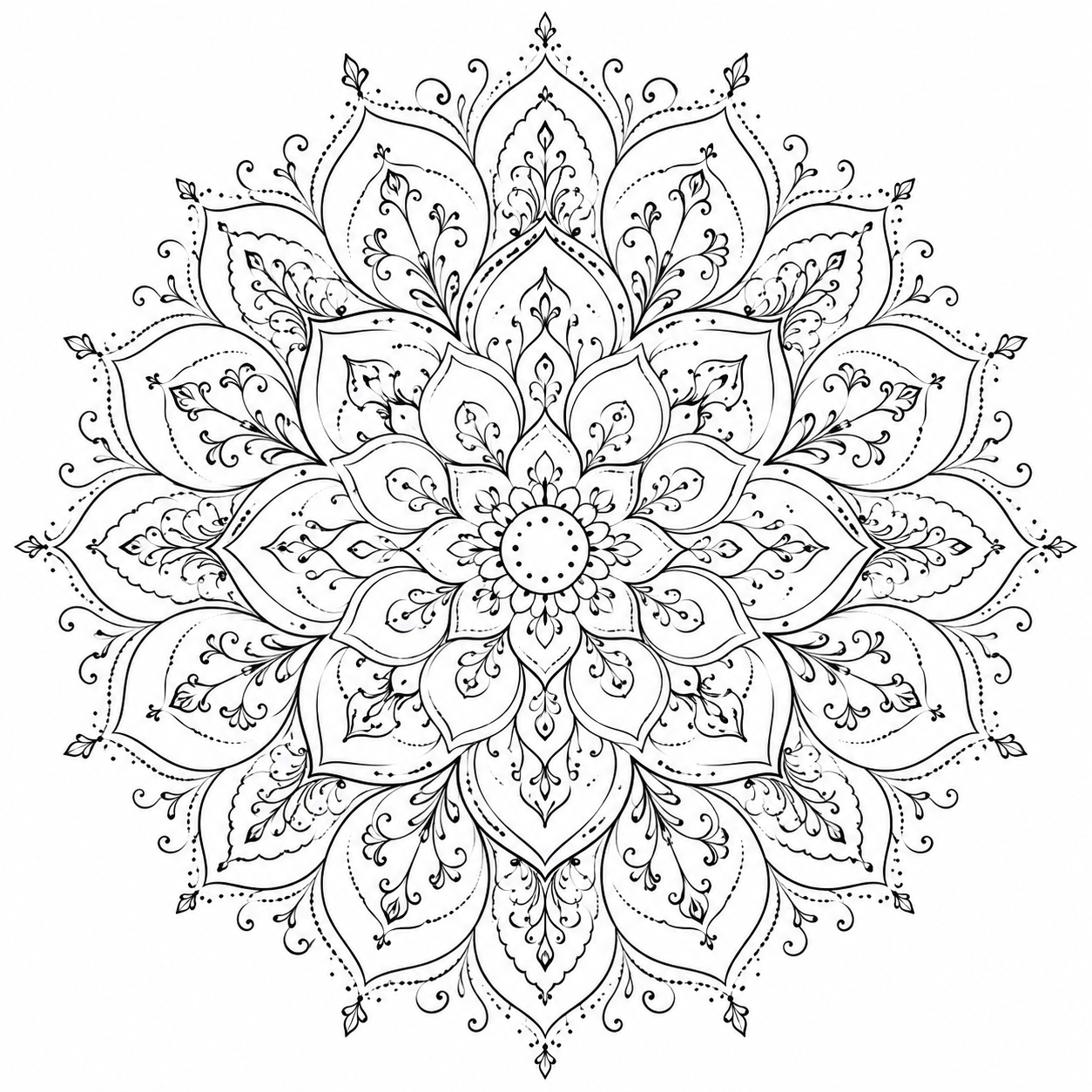
When restoring sleep, it's suitable to look at a soft mandala before bed, avoiding overly bright or stimulating colors. Slowly move your gaze from the center to the outer circle and then back, as if concluding the day. Afterward, put down your device and dim the lights. Sleep is not a task, but a process for the body to regain a sense of security. After viewing it, make it a small bedtime ritual. Repeat for a few nights, and your body will gradually learn to be calm at night. Start tonight. Just do this for now. Don't strive for perfection. Just do it.
● AI Dynamic Geometric Vision Focus and Emotion Regulation Engine ●
AI Dynamic Geometric Vision Focus and Emotion Regulation Engine · v7.0.0
Before we begin, I'd like to know how you feel right now.
There is no standard answer; just choose the one that best reflects how you feel right now.
The experience is over. Tell us how you feel now.
There is still no standard answer; just choose the one that best reflects how you feel right now.
#FF5252
After the fluorescent line crawling is completed and stopped, first select a color, then click on the closed area in the graphic to fill in the color.
AI Digital Mandala Static Focus EngineAZ Image Coloring · 60 Colors
AI Digital Mandala Interactive Focus Engine
A–Z Free Selection · Layered Lines · 60 Color Fills

○ Calligraphy and engraving therapy practice
Too much supervision from family can make you want to escape, while complete neglect can leave you feeling even more lonely. The calligraphy practice doesn't dictate what to write; it simply helps you calm your emotions before communicating. Let your frustration and anger subside before discussing rules, support, and boundaries; this will prevent many words from escalating into hurtful exchanges. Rules need to be acknowledged, and feelings need to be understood; this will reduce conflict at home. Less conflict leads to more understanding within the family. This is already a good step.

○ Art Therapy Guidance
If family members only urge and blame, it often makes people want to retreat further into the internet. Art therapy can help calm your emotions first, allowing you to consider what kind of support you truly need from your family. Perhaps what you need is less criticism and more understanding; less monitoring and more discussion. The process of painting will gradually bring these needs to the surface. Once you have a clearer understanding of your feelings, it will be easier to speak calmly with your family. Support is not control, but finding ways to move forward together.
Please log in before submitting your drawings and feelings.

○ Diary Healing Suggestions
If your family's help makes you feel stressed, write that feeling down in your journal first. Write down what makes you want to escape and what might actually help. You can also write down something you want your family to hear; don't say it aloud immediately, just organize it on paper first. Support isn't about constantly monitoring you, but about finding a way to get through this together. Once it's clear, you'll find it easier to express your needs calmly. This page in your journal can serve as a draft before any communication. Write your words softly and clearly so that when you actually speak, it's easier for both of you to hear them. Slowly move closer to yourself.
Please log in to use.
May you gradually return to a more stable, clear-headed, and gentler version of yourself through today's practice.