

Lesson 180: Practice Staying in Public Places

Duration:70 minutes
Topic Introduction:Many fears arise before you even leave the house. This lesson teaches you to identify anticipatory anxiety signals and use the segmented starting method to lower the barrier to leaving home. When practicing, keep your goals small and focus on completing just one gentle action. You don't need to change yourself immediately; just understand one more reaction.
○ Course Topic Audio
Lesson 180: Practice Staying in Public Places
Click to view the read-aloud text
When learning to cope with "anticipatory anxiety before leaving home," please put aside self-blame for now. Spatial anxiety is not cowardice, but a heightened warning sign from the nervous system about loss of control, inability to escape, lack of help, and uncontrolled physical reactions. It's tough, but it can be retrained. Many fears begin before you even leave home. This lesson identifies anticipatory anxiety signals and uses a segmented activation method to lower the threshold for activation. The most painful aspect of spatial anxiety is that it turns ordinary environments into danger maps. Elevators, subways, shopping malls, train stations, bridges, high-rise buildings, squares, and even streets a little further from home can all be marked by the brain as inescapable. The body then goes on alert: shallow breathing, rapid heartbeat, weak legs, dizziness, stomach tightening, and the constant thought of "what if I can't get out?" The first step of this lesson is to concretize spatial anxiety. Please write down the places you fear most, the scenarios you are most worried about, the avoidance behaviors you usually take, and the life segments you would most like to return to if you could stay safely. This is not to force yourself, but to transform the fear from a chaotic mess into a layered map that can be processed. The second step is to establish an exposure plan that allows for both retreat and stay. Don't start with the most difficult scenario; instead, choose low-intensity, short-duration practice points with clear escape routes. For example, stand at the door for three minutes, walk downstairs, then enter the convenience store for one minute, and gradually increase the distance. Record the initial tension level, peak tension level, time of descent, and physical sensations after each practice session. The third step is to train your body to know "I'm still here." When anxiety arises, focus on the pressure on the soles of your feet, the sensation in your fingers, three objects in front of you, and slow exhalation. Don't rush to prove you're not afraid; just tell your body: I can stop, and I can continue; I'm not trapped; I'm practicing staying. If fear of going out is severely affecting eating, working, going to school, seeking medical care, relationships, or causing intense despair and dangerous thoughts, don't try to tough it out alone. Contact a psychologist, doctor, family, or local emergency support. Course exercises are suitable for self-training but cannot replace professional assessment and treatment. Finally, give yourself a reassuring reminder: I don't have to go very far at once; I just need a little more space today than yesterday. Every safe stop, every successful return, and every gentle reflection helps your body relearn: the world can be reopened little by little. After reading aloud, please write down a minimum-intensity outdoor practice point and a recovery exercise afterward. Before your next outing, you don't need to be completely relaxed; just prepare your breathing, route, exit command, and debriefing sheet. What you are learning is not to eliminate anxiety, but to retain some action and choice even when anxious. Each brief stop adds a new coordinate to your safety map. After reading aloud, please write down a minimum-intensity outdoor practice point and a recovery exercise afterward. Before your next outing, you don't need to be completely relaxed; just prepare your breathing, route, exit command, and debriefing sheet.

AI Healing Q&A
Public space training should begin with low-stress. You can let AI help you choose a less crowded, nearby location where you can sit down. Today's small action could be staying for a minute or two, observing how your body rises and then slowly descends. You don't need to act naturally, nor do you need to stay for long. Staying for even a little while is a new experience. Give yourself some patience and space. Take it slow; you don't need to be perfect the first time. Just one small step is enough for today. If the pain intensifies, please seek professional support promptly.

○ Music therapy guidance
Practice staying in public places can be done with short pieces of music as preparation. Listen to a minute before you leave to remind yourself that you only need to stay for a short time; listen to another minute after you return to a safe place to acknowledge that you have completed the task. Don't set your goal to be completely comfortable. The music helps you remember: discomfort can occur, and I can gradually recover. Give yourself some patience and space. Take it slow; you don't need to be perfect the first time. Just take one small step today. If the pain worsens, seek professional support promptly.

○Eastern and Western Healing Teas
This lesson suggests choosing a mild, low-stimulation hot beverage to help stabilize your body's rhythm after learning to cope with "pre-trip anxiety." You can use light black tea, osmanthus oolong, chamomile tea, or sip warm water slowly in small amounts. When practicing, please keep your goals small and focus on completing only one gentle movement. You don't need to change yourself immediately; you just need to understand one more reaction.
○ Healing Recipes
Chickpea cake
Chickpea cakes are a great comfort food after this lesson. Made by crushing chickpeas and adding herbs, onions, garlic, and spices, these small cakes are baked to reduce their oil content. Rich in plant-based protein and dietary fiber, they pair well with yogurt cucumber sauce and vegetables. Enjoy the slightly crispy exterior, the soft, fluffy interior, and the satisfying feeling of fullness.
Open the healing recipe
◉ Western Dietary Therapy · 180. Falafel (Chickpea Cake)
I. Recommended Dietary Therapy and Reasons
Recommended dishes:Falafel (chickpea cake)
Recommended reasons: Chickpea cakes are a fragrant, simple, and energizing Western dish, suitable as a light meal to support your diet during social anxiety classes. The combination of olive oil, lemon, herbs, and basic proteins or vegetables provides a refreshing and consistent feeling of fullness, avoiding an overly heavy experience. It's suitable for lunch, dinner, or before and after social events, allowing the body to slowly regain a sense of control through its warm aroma, clear flavor, and moderate satiety.
2. Recipe and Method
Recipe (1–2 servings):
- 200g of cooked chickpeas
- 2 tablespoons of chopped onion
- A little chopped parsley
- A little cumin
- 1 tablespoon of flour
- 1 tablespoon olive oil
- A pinch of sea salt
practice:
- Wash the main ingredients thoroughly and cut them into sizes suitable for cooking.
- Add olive oil, lemon juice, herbs, sea salt, and black pepper and gently mix.
- Let it sit for 5–10 minutes to allow the basic flavors to infuse into the ingredients.
- Preheat the oven to about 180–200°C, or heat a skillet over low heat.
- Bake or pan-fry the ingredients until they are lightly golden brown on the surface and cooked through on the inside.
- After cooking, you can add a small amount of lemon juice, parsley, or olive oil.
- The flavor will be milder if eaten after it has cooled slightly.
3. Small rituals for body and mind
When preparing chickpea cakes, you can first observe the color, shape, and aroma of the ingredients, gradually shifting your attention from external evaluations back to the action at hand.
When adding olive oil, lemon, or herbs, slow down and feel the ingredients transform from separate parts into a cohesive whole. Remind yourself: I don't need to perform perfectly right away; I just need to gently bring myself back to the present moment.
When you take your first bite, first feel the refreshing, warm, salty or sour sensation to let your body know that this moment is safe, simple and tolerable.
4. Dietary Therapy Experience Record
- Record when you eat it: whether it's breakfast, lunch, dinner, or a light meal before or after a social event.
- Observe the changes in stomach burden, refreshment, satiety, and mental stability within 30–60 minutes after consumption.
- If you eat chickpeas on days when social anxiety is particularly high, you can record whether they help reduce feelings of heaviness and restore a sense of control over your body.
V. Instructional Videos (approximately 3–5 minutes)
Video Title:Chickpea cakes: a mild and stable Western dietary therapy
6. Precautions
- It is recommended to choose extra virgin olive oil and avoid prolonged and repeated heating at high temperatures.
- If you need to control calories, you can reduce the amount of fat and cheese, but it is not recommended to completely remove the source of flavor.
- For first-time users, it is recommended to try a small amount and observe the stomach comfort and body reaction.
- For first-time users, it is recommended to try a small amount and observe the stomach comfort and body reaction.
- For first-time users, it is recommended to try a small amount and observe the stomach comfort and body reaction.
hint:This recipe is for daily physical and mental well-being and is not a substitute for any medical diagnosis or treatment. If you have chronic illnesses, are pregnant, have food allergies, are taking medication, or have special nutritional restrictions, please prioritize following the advice of your healthcare provider and nutritionist.

○Mandala Healing
Practicing staying in public places can make you want to leave quickly. When looking at a mandala, try to stay with one color for a few more seconds, as if training your ability to linger. You don't need to be comfortable all the time, just linger a little longer in the slight unease. The pattern reminds you: discomfort comes and goes, and it can be accompanied. If you feel uncomfortable, pause. Take it slow. A little bit is fine too. Give yourself some space. If you feel uncomfortable, pause. Take it slow. A little bit is fine too. Give yourself some space. If you feel uncomfortable, pause.
● AI Dynamic Geometric Vision Focus and Emotion Regulation Engine ●
AI Dynamic Geometric Vision Focus and Emotion Regulation Engine · v7.0.0
Before we begin, I'd like to know how you feel right now.
There is no standard answer; just choose the one that best reflects how you feel right now.
The experience is over. Tell us how you feel now.
There is still no standard answer; just choose the one that best reflects how you feel right now.
#FF5252
After the fluorescent line crawling is completed and stopped, first select a color, then click on the closed area in the graphic to fill in the color.
AI Digital Mandala Static Focus EngineAZ Image Coloring · 60 Colors
AI Digital Mandala Interactive Focus Engine
A–Z Free Selection · Layered Lines · 60 Color Fills
○ Calligraphy and engraving therapy practice
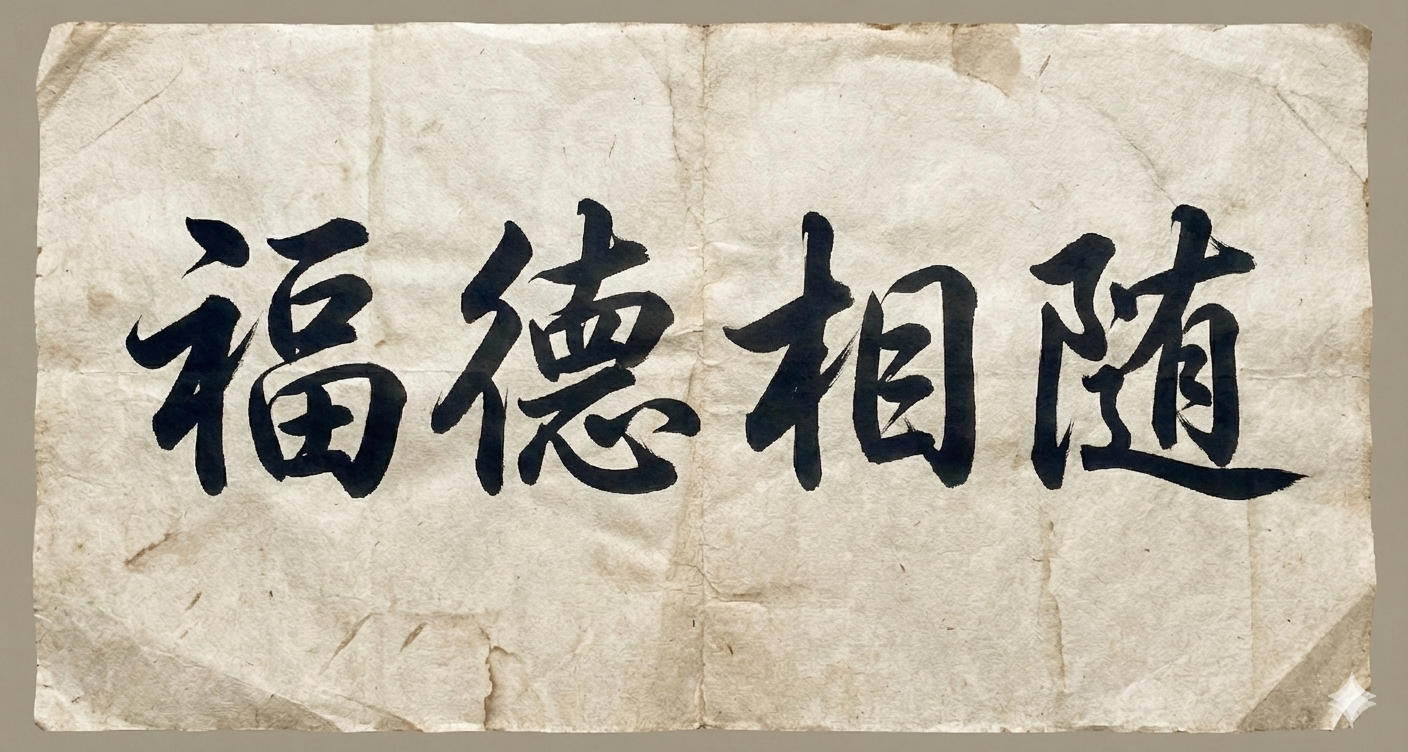
Practicing pausing in public places makes you want to leave quickly. Calligraphy practice can train this sense of pausing beforehand; there's no set script, just the feeling of stopping and continuing with a stroke. It's like a mini-waiting exercise. When you actually enter the space, your body might remember: discomfort can arise, and it can gradually subside. Give yourself some space. Take your time. Even a little bit counts. If you feel uncomfortable, stop. Give yourself some space. Take your time. Even a little bit counts. If you feel uncomfortable, stop.
○ Art Therapy Guidance
Practicing stopping in public places can be done by drawing a small resting point. Please don't draw crowded details; only draw the area where you can stop, the space beside you, and the direction you can leave. The image isn't meant to make you escape, but to let your body know that there are boundaries and choices. Even a short stop can be carefully recorded. Even a little bit counts. Take your time. It doesn't need to be perfect. Stop if you feel uncomfortable. Even a little bit counts. Take your time. It doesn't need to be perfect. Stop if you feel uncomfortable. Even a little bit counts.
Please log in before submitting your drawings and feelings.

○ Diary Healing Suggestions
Practicing staying in public places doesn't need to start in crowded areas. Today, write down the point that resonated with you most during the lesson, and choose a low-stress location: not crowded, close by, where you can sit down and leave easily. This small action can be staying for a minute or two. Don't expect yourself to act naturally; staying even for a little while is a new experience. Take it slow; stability and safety are more important than speed. After writing, give yourself a gentle affirmation: I'm learning, and I don't need to be perfect right away. If you can only do a little today, acknowledge that it counts too. Schedule your small actions lightly, so that you truly have a chance to do them tomorrow.
Please log in to use.
After completing the pre-departure anxiety study, remind yourself: the real difficulties haven't happened yet; I can take the next small step first.