
Lesson 312: The Connection Between Depression and Traumatic Memories

Course duration:70 minutes
Traumatic memories can amplify the numbness, avoidance, and self-denial inherent in depression. This section explores the overlapping effects of trauma and depression, distinguishes the boundaries between general emotional exercises and trauma-focused therapy, and leaves room for professional referral when necessary. After completion, record a genuine finding to help apply the learning content to daily life. If setbacks occur, consider them part of the recovery curve, not failures. These exercises can help you gradually regain a sense of control and security during periods of low mood.
○ Course topic audio
Lesson 312: The Connection Between Depression and Traumatic Memories
Click to view the read-aloud text
The theme of this lesson is "The Connection Between Depression and Traumatic Memories." The most important step in recovering from depression is not forcing yourself to get better immediately, but rather to clearly understand the current state. Recognize the relationship between trauma avoidance and numbness, and refer to trauma-focused therapy if necessary. When a person is in major depression or a prolonged period of low mood, the mind often interprets fatigue as failure, sluggishness as laziness, and temporary inability as inability forever. Such interpretations continue to deplete energy, making it even harder for the body to function. Therefore, the first exercise in this lesson is to slow down evaluation and prioritize observation. You can start by asking yourself: Where do my sleep, appetite, activity, attention, and physical heaviness stand today? If we rate them on a scale of 0 to 10, how much energy do I have now? How much emotional stress do I experience? How much is my willingness to recover? The second exercise is to break down the problem into smaller steps. Don't pressure yourself with huge goals like "I want to completely change," but instead choose a small action that can be completed in five minutes. It could be drinking a glass of water, opening the curtains, walking to the door, tidying a corner of the desk, sending a message to someone you trust, or simply writing down your true feelings for the day on paper. Small actions are not perfunctory; they are reaffirming to the brain: I can still influence reality, even a little. The third level of practice is learning to treat yourself with gentle language. Change "Why am I like this again?" to "I'm going through a difficult phase; I can take the next step." Change "I'm completely useless" to "I have low energy today, but I still have one small option." This kind of language isn't self-deception; it reduces additional harm. If this lesson triggers strong feelings of helplessness, despair, or danger, don't bear it alone. Contact family, friends, a therapist, a doctor, or local emergency resources as soon as possible. The exercises in this lesson can help organize experiences, but they cannot replace professional diagnosis and treatment. Finally, give yourself a steady reminder: recovery is not a straight line; it allows for pauses, repetitions, and slow progress. Seeing a signal, completing a small action, or writing down a problem today is already a step forward on the road to recovery. After reading aloud, you can write down three words: how I feel physically, the step I'm willing to try, and whose support I need. Save these three words; look at them again when you feel down, and they will become small clues for reconnecting with yourself. If you can't do anything else today, just completing the journaling itself is fine, because honest journaling is also part of the recovery process. Remember, healing isn't about proving yourself strong, but about learning to take care of yourself even when you're vulnerable. After reading aloud, you can write down three words: how my body feels right now, one step I'm willing to try, and whose support I need. Save these three words and look at them again when you feel down; they will become little clues for reconnecting with yourself. If you can't do anything else today, just completing the journaling itself is fine, because honest journaling is also part of the recovery process.

AI Healing Q&A
AI-powered healing Q&A can help learners initially identify triggers, avoidance mechanisms, and physical reactions, but it does not replace trauma therapy. Learners can describe situations that cause them to suddenly feel down or numb, and the AI will help identify safe boundaries and remind them when professional support is needed.

○ Music therapy guidance
Music therapy guidance should select safe, stable music that does not excessively evoke memories. Trauma-related exercises are not suitable for forced exploration. When listening, focus your attention on the current environment and your physical support points to help you stay within your comfort zone.

○East-West Healing Tea Drinks
Eastern healing tea drinking can serve as a calming ritual after traumatic events. Warming the cup, absorbing the aroma, and sipping slowly can help the body return to the present moment. Suitable teas include lily tea, lightly brewed tangerine peel tea, or warm water; the key is to choose low-stimulation and predictable options.
○ Healing Recipes
Fried eggs with olive oil
Olive oil fried eggs are a suitable healing recipe after this lesson. Eggs provide simple protein, and olive oil softens the flavor, making it ideal after discussing depression and traumatic memories. It's quick, controlled, and low-impact, helping the body return to safety and basic nourishment after emotional triggers. You can also write down your emotional changes at the time, turning the meal into a gentle self-reflection. There's no need to strive for perfection; just provide your body with manageable support.
Safe supply, trauma care, simple protein
Open the healing recipe
◉ Western Dietary Therapy - No. 312: Fried Eggs with Olive Oil
I. Recommended Dietary Therapy and Reasons
Recommended dishes:Olive Oil Eggs
Recommended reasons: Olive oil fried eggs are a gentle, therapeutic dish with an ancient Mediterranean flavor, suitable for inclusion in wellness programs as daily support. High-quality protein and herb seasoning provide stable energy support, making it suitable for small servings when low in energy, fatigued, or needing nutritional replenishment. The preparation should be light, avoiding excessive oil and salt, allowing the body to recover strength through gentle eating.
2. Recipe and Method
Recipe (1–2 servings):
- 2 eggs
- 1 tablespoon olive oil
- A little bit of chopped vanilla
- A pinch of black pepper
- A pinch of sea salt
- One slice of whole wheat bread (optional)
practice:
- Clean the main protein ingredients thoroughly and gently pat them dry with kitchen paper.
- Add olive oil, herbs, black pepper, and a pinch of sea salt, and let stand for 10 minutes.
- Preheat a skillet, oven, or saucepan over medium-low heat or at a moderate temperature.
- Add ingredients and fry, bake, or boil slowly to avoid burning the outside and raw the inside.
- Flip the food over or stir gently during cooking to ensure even heating.
- Once cooked through, turn off the heat and let it sit for 2–3 minutes to allow the juices to settle.
- Serve warm with vegetables, grains, or clear soup.
3. Small rituals for body and mind
When preparing fried eggs with olive oil, you can first observe the color, aroma and texture of the ingredients, and gradually shift your attention from external matters back to the actions in your hands.
Slow down while heating, stirring, or plating, and feel the ingredients come together as they transform from separate parts. Remind yourself: I don't need to be at my best right now; I just need to gently care for my body in the present moment.
When you take your first bite, focus on the warmth, softness, aroma, or chewiness to let your body know that it is safe and tolerable, and you can relax a little.
4. Dietary Therapy Experience Record
- Record when you eat fried eggs in olive oil: is it for breakfast, lunch, dinner, or as a light snack when you're feeling down or tired?
- Observe whether there are any changes in stomach burden, fullness, refreshment, and mental stability within 30–60 minutes after consumption.
- If you eat this when you are tired, stressed, or have an unsteady appetite, you can keep track of whether frying eggs in olive oil helps you regain a sense of control over your body and your rhythm of life.
V. Instructional Videos (approximately 3–5 minutes)
Video Title:Fried Eggs with Olive Oil: A Mild and Stable Nutritious Light Recipe
6. Precautions
- It is recommended to consume this product warm or at room temperature. It is not recommended to consume large quantities of the cold version when you are physically tired.
- The amount of sweet ingredients such as honey, dried fruit, and grape juice should be controlled, and blood sugar managers should pay special attention.
- Do not eat too much at one time to avoid overeating or putting extra strain on your stomach.
- For first-time users, it is recommended to try a small amount and observe the body's reaction.
- If you are allergic to nuts, dairy products, fish, eggs, or beans, you should replace or avoid them as appropriate.
hint:This recipe is for daily physical and mental well-being and is not a substitute for any medical diagnosis or treatment. If you have chronic illnesses, are pregnant, have food allergies, are taking medication, or have special nutritional restrictions, please prioritize following the advice of your healthcare provider and nutritionist.

Mandala Viewing Healing
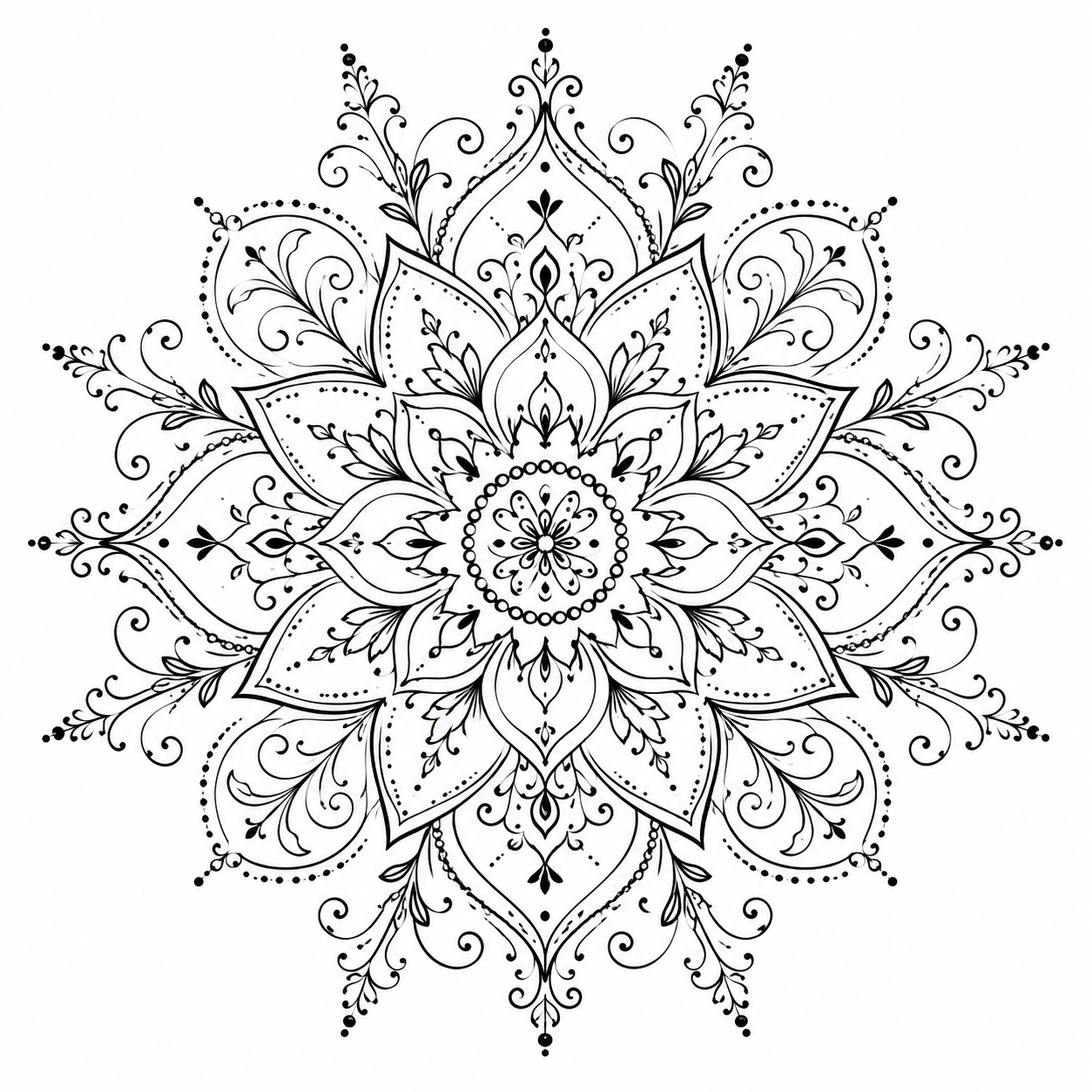
Mandala healing can be used as a present-moment positioning exercise. While viewing the mandala, only describe the colors and shapes in front of you, without dwelling on the memories. This exercise helps learners shift their attention from the past back to the present, maintaining a safe distance.
● AI Dynamic Geometric Vision Focus and Emotion Regulation Engine ●
AI Dynamic Geometric Vision Focus and Emotion Regulation Engine · v7.0.0
Before we begin, I'd like to know how you feel right now.
There is no standard answer; just choose the one that best reflects how you feel right now.
The experience is over. Tell us how you feel now.
There is still no standard answer; just choose the one that best reflects how you feel right now.
#FF5252
After the fluorescent line crawling is completed and stopped, first select a color, then click on the closed area in the graphic to fill in the color.
AI Digital Mandala Interactive Focus Engine
A–Z Free Selection · Layered Lines · 60 Color Fills
AI Digital Mandala Static Focus EngineAZ Image Coloring · 60 Colors

○ Calligraphy and engraving therapy practice
The writing and engraving healing exercise can involve writing phrases like "That was the past, now I am here" or "I can process it slowly." Writing does not require recounting the details of the trauma, but rather helps learners establish temporal boundaries and reduce the engulfment of the present by past experiences.

○ Art Therapy Guidance
Art therapy can guide you to draw safe containers, placing memories that are not immediately suitable for processing into boxes, bottles, or rooms. This visual exercise helps learners understand that not all pain needs to be addressed immediately; safety should be prioritized.
Please log in before submitting your drawings and feelings.
○ Diary Healing Suggestions
Journaling therapy suggests recording when the trigger occurred, your physical reaction, and methods to help you return to the present moment; it's unnecessary to write down the details of the trauma. If strong flashbacks or feelings of loss of control appear in your journal, you should bring the content to a therapist for collaborative processing.
Please log in to use.
May you gradually return to a more stable, clear-headed, and gentler version of yourself through today's practice.