
Lesson 329: Childhood Experiences and Chronic Depression

Course duration:70 minutes
Chronic fatigue and emotional numbness are easily mistaken for habits, as if "this is just how I am." This section helps you distinguish between fatigue, numbness, and exhaustion through energy curves, interest responses, and recording bodily signals, allowing recovery to begin with seeing your true state. After completion, record a genuine discovery, allowing the learned content to return to daily life. If setbacks occur along the way, view them as part of the recovery curve, not failures. These exercises can help you gradually regain a sense of control and security during prolonged periods of low mood.
○ Course topic audio
Lesson 329: Childhood Experiences and Chronic Depression
Click to view the read-aloud text
In Lesson 329, we gradually delve into "Childhood Experiences and Chronic Depression." Childhood experiences can influence how a person views themselves, relationships, and the world from a very young age. Some chronic depressions don't appear suddenly; rather, they stem from learning early on to "not expect," "not bother others," and "no one will understand anyway." Feelings left over from childhood can sometimes become a foundation in adulthood. For example, it's hard to believe that others will remain stable, or feeling unworthy of love after making a mistake. These reactions aren't necessarily due to being overly sensitive; they may be survival strategies taught by your past environment. You're grown up now, but your body and mind may still use old methods. Today, it's not about assigning blame, but gently telling yourself: I can start learning new ways. If you learned to be sensible, patient, and expectant early on, you might feel a little bittersweet hearing this. Please don't rush to blame yourself; you simply learned to protect yourself early on. Today, you can gently write down: How I protected myself as a child. Don't blame, just see. Seeing the past isn't about being trapped in it, but about allowing your present self to finally have fewer misunderstandings. If old experiences deeply affect you, give yourself a safe pause; don't try to tough it out alone. You can visualize Lesson 329 in a concrete context: perhaps a small rejection that suddenly brings back that childhood feeling of being left unattended. Focusing on the everyday details mentioned in Lesson 329 will be more effective than simply telling yourself to cheer up. Because changing "childhood experiences and chronic depression" doesn't begin with slogans, but with being willing to embrace a real moment. When practicing with "childhood experiences and chronic depression," try not to record yourself with a judgmental tone, but rather with the patience you would show to someone who has been struggling for a long time. If old memories surface, take care of yourself now. You are no longer the person who could only endure it; now you can slowly learn to be supported. Keep the one point from Lesson 329 that resonates most with you; don't rush to complete it all. After listening to Lesson 329, take care of your physical health first, then deal with those heavy thoughts.

AI Healing Q&A
Chronic fatigue and emotional numbness are often mistaken for normal. AI can help you track your energy levels, interest responses, and slightly lighter periods throughout the day. You can describe your recent feelings of numbness. AI will help you recognize "no feeling" as a signal, instead of continuing to ignore yourself. Take it slow; you don't need to be perfect all at once. Just take one small step today. If the pain worsens, seek professional support promptly. Give yourself some patience and space. Take it slow; you don't need to be perfect all at once.

○ Music therapy guidance
When experiencing chronic fatigue and emotional numbness, please choose music with simple layers, not too intense. While listening, only observe if your body reacts slightly: shoulders, chest, eyes, or breathing. It's okay if you don't feel anything. The music here isn't meant to stimulate you, but rather to gently invite the numb parts to slowly awaken. Please take it slow; you don't need to be perfect all at once. Just take one small step today. If the pain worsens, please seek professional support promptly. Give yourself some patience and space. Please take it slow; you don't need to be perfect all at once.

○East-West Healing Tea Drinks
Choose from aged tangerine peel tea, light jasmine tea, or jujube tea. While drinking, note whether you feel warmth, aroma, or a sense of relaxation. Use these subtle sensory cues to slowly bring your body back from its dulled state.
○ Healing Recipes
Hawthorn and Tangerine Peel Pork Rib Soup
Hawthorn, tangerine peel, and pork rib soup is a suitable healing recipe after this lesson. The hawthorn and tangerine peel provide a mild, tangy aroma, while the pork rib soup offers energy support, making it suitable for consumption after recognizing chronic fatigue and emotional dullness. It helps to gradually open the appetite, allowing the body to respond again. After consumption, you can record the stomach burden, feeling of fullness, and mental stability. If the body is still fatigued, eat only small amounts slowly, without turning eating into a task. Maintain a quiet pace while eating, avoiding constantly urging yourself to recover.
Tangerine peel and hawthorn, fatigue awareness, appetite support
Open the healing recipe
◉ Eastern Food Therapy · Soup · 329, Hawthorn and Tangerine Peel Pork Rib Soup
I. Recommended Dietary Therapy and Reasons
Recommended dishes:Hawthorn and Tangerine Peel Pork Rib Soup
Recommended reasons: Hawthorn and tangerine peel pork rib soup is a mild, delicate, and easy-to-eat oriental medicinal dish, suitable as daily support during periods of prolonged depression and mental and physical recovery. The soup is primarily slow-cooked, emphasizing warmth, lightness, and sustained nourishment, providing physical stability when fatigued, experiencing loss of appetite, or emotional numbness. It doesn't aim for strong stimulation, but rather, through a bowl of warm soup, allows one to slowly restore rhythm, breathing, and a sense of being cared for.
2. Recipe and Method
Recipe (1–2 servings):
- 350g of the main ingredients for bone broth, blanched.
- 25g of black beans or sesame seeds, optional
- 3 slices ginger
- 1200 ml of clean water
- 8g of goji berries (optional)
- a pinch of salt
practice:
- Clean the main ingredients thoroughly, and blanch meat or bones in cold water first.
- After scooping them out, rinse off the scum with warm water and put them in a stew pot for later use.
- Add ingredients such as herbs, beans, roots, or dried fruits.
- Pour in water, bring to a boil over high heat, then reduce to a simmer.
- Simmer for 60–90 minutes to allow the flavors to meld and the ingredients to soften.
- Easily cooked leafy greens, goji berries, or chrysanthemums can be added 5–10 minutes later.
- Finally, add a small amount of salt to taste and serve warm.
3. Small rituals for body and mind
When preparing hawthorn and tangerine peel pork rib soup, you can first observe the color, aroma and texture of the ingredients, and gradually shift your attention from external matters back to the actions in your hands.
During heating or stirring, slow down and feel the ingredients transform from scattered pieces into a cohesive whole. Remind yourself: I don't need to perform perfectly right away; I just need to gently bring myself back to the present moment.
When you take your first bite, feel the warmth, softness, and simple aroma to let your body know that it is safe and bearable at this moment, and you can relax a little.
4. Dietary Therapy Experience Record
- Record the time of consumption: whether it is breakfast, lunch, dinner, or a supplement when feeling down, tired, or after class practice.
- Observe whether there are any changes in stomach burden, fullness, refreshment, and mental stability within 30–60 minutes after consumption.
- If you consume this when you are feeling down, stressed, or have an unstable appetite, you can record whether the hawthorn and tangerine peel pork rib soup helps you regain a sense of control over your body.
V. Instructional Videos (approximately 3–5 minutes)
Video Title:Hawthorn and Tangerine Peel Pork Rib Soup: A Mild and Stable Oriental Dietary Recipe
6. Precautions
- It is recommended to eat it warm, and it is not recommended to consume large quantities of the cold version when you are physically tired.
- Herbal, sweet, or animal-based ingredients should be used in small amounts according to individual constitution.
- Do not eat too much at one time to avoid overeating or putting extra strain on your stomach.
- For first-time users, it is recommended to try a small amount and observe the body's reaction.
- If you have a chronic illness, are pregnant, have allergies, are taking medication, or have special dietary restrictions, please consult a professional first.
hint:This recipe is for daily physical and mental well-being and is not a substitute for any medical diagnosis or treatment. If you have chronic illnesses, are pregnant, have food allergies, are taking medication, or have special nutritional restrictions, please prioritize following the advice of your healthcare provider and nutritionist.

Mandala Viewing Healing
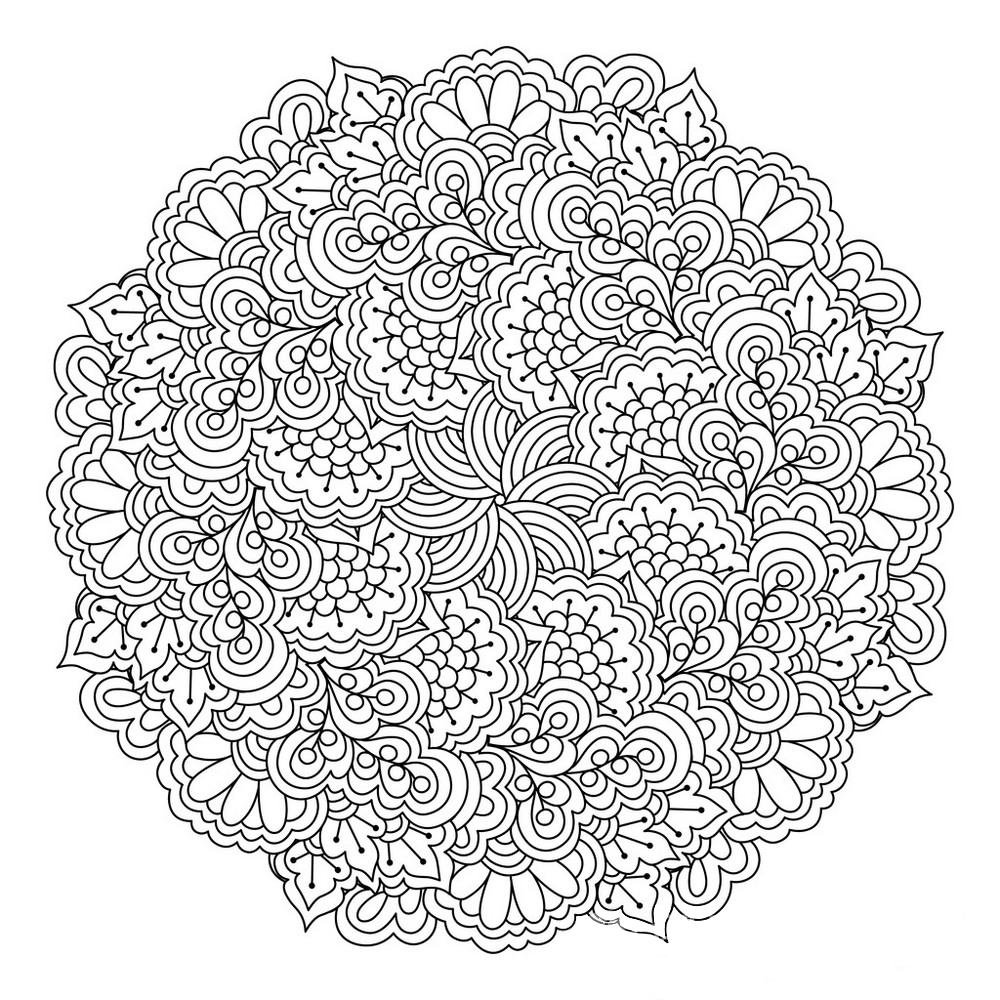
When recognizing chronic fatigue and emotional numbness, look at mandalas slowly, without forcing a strong reaction. Even just a slight feeling for a color is fine. Numbness isn't hopeless; it's your body protecting itself. The patterns are like a gentle invitation, helping your senses return little by little. Take it slow; you don't need to be perfect all at once. Just take one small step today. If the pain worsens, seek professional support promptly. Give yourself some patience and space. Take it slow; you don't need to be perfect all at once.
● AI Dynamic Geometric Vision Focus and Emotion Regulation Engine ●
AI Dynamic Geometric Vision Focus and Emotion Regulation Engine · v7.0.0
Before we begin, I'd like to know how you feel right now.
There is no standard answer; just choose the one that best reflects how you feel right now.
The experience is over. Tell us how you feel now.
There is still no standard answer; just choose the one that best reflects how you feel right now.
#FF5252
After the fluorescent line crawling is completed and stopped, first select a color, then click on the closed area in the graphic to fill in the color.
AI Digital Mandala Interactive Focus Engine
A–Z Free Selection · Layered Lines · 60 Color Fills
AI Digital Mandala Static Focus EngineAZ Image Coloring · 60 Colors

○ Calligraphy and engraving therapy practice
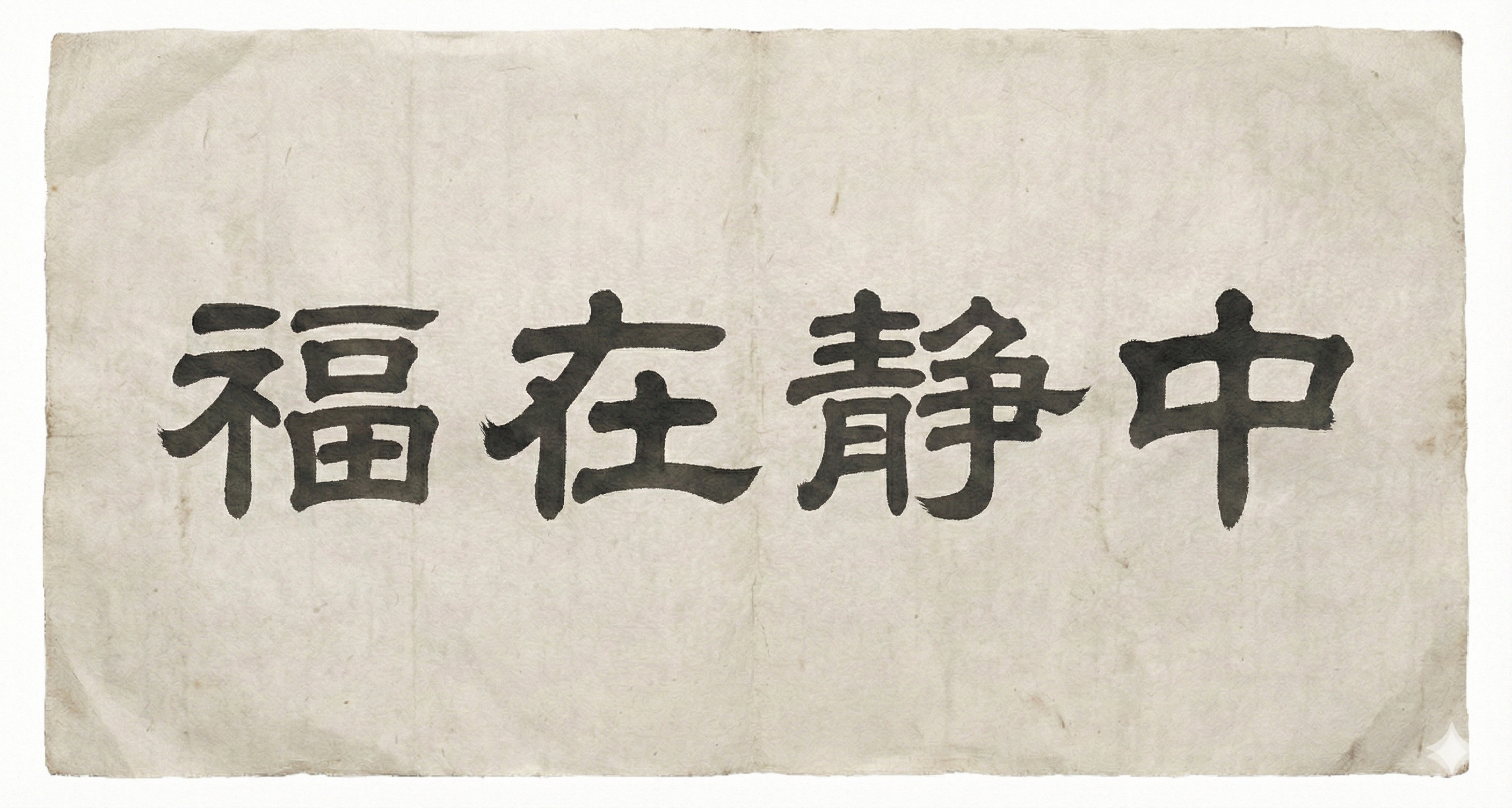
When experiencing chronic fatigue and emotional numbness, calligraphy can be done very lightly. Practice doesn't aim for results or specify what to write; simply observe whether your hand feels heavy, your shoulders are tense, and your breathing is shallow. Even if you don't feel anything, it will be noticeable. This section aims to gradually awaken your senses, not to force an immediate response. Please take your time. Even a little bit counts. If you feel uncomfortable, pause. Give yourself some space. Please take your time. Even a little bit counts. If you feel uncomfortable, pause. Give yourself some space. Please take your time.

○ Art Therapy Guidance
Chronic fatigue and emotional numbness can be depicted as heaviness, blurriness, or emptiness within the body. Don't rush to make the image vibrant, nor force yourself to have intense feelings. Simply put the numbness as it is on the paper. Being able to depict "no feeling" is also a way of having that feeling seen; the body will slowly know that someone is listening to it. Take your time. It doesn't need to be perfect. Stop if you feel uncomfortable. Even a little bit counts. Take your time. It doesn't need to be perfect. Stop if you feel uncomfortable. Even a little bit counts. Take your time.
Please log in before submitting your drawings and feelings.

○ Diary Healing Suggestions
Today, please record your chronic fatigue or emotional numbness: where your body feels heaviest, where your interests are weakest, and when you feel a little better. Also, write down a small action, such as observing your energy curve tomorrow. Numbness isn't your fault; it might be your body's long-term protection mechanism. Recognizing numbness is also a gentle way of connecting with you. This journal isn't an exam, but rather a place where you can be understood. Take it slow; stability and security are more important than speed. After writing, give yourself a gentle affirmation: I'm learning; I don't need to be perfect all at once. If you can only do a little today, please acknowledge that even that little bit counts.
Please log in to use.
May you gradually return to a more stable, clear-headed, and gentler version of yourself through today's practice.