

Lesson 41: Social Anxiety Disorder Course

Duration:70 minutes
Topic Introduction:Social anxiety is not shyness or introversion, but a hypersensitive response to evaluation. It often manifests as social avoidance, fear of making mistakes, and excessive concern about others' opinions. This lesson helps you identify common manifestations, psychological causes, and sources of misunderstanding related to social anxiety, and learn to distinguish between self-protection and real threats. When learning, please set your sights low, observing only one reaction or performing a gentle action. You don't need to change yourself immediately; simply try to understand more within your own safe boundaries.
○ Course Topic Audio
Lesson 41: Social Anxiety Disorder Course
Click to view the read-aloud text
The most agonizing aspect of social anxiety is that while you desperately want to connect with others, you're already gripped by fear before you even open your mouth. You might worry about saying the wrong thing, blushing, creating awkward silences, or being looked down upon; before the party even begins, your mind has already rehearsed countless times; afterward, you repeatedly wonder if you performed poorly. Over time, people use avoidance as a form of self-protection, but the more you run away, the harder it becomes to be seen again. Clarifying this topic is to let you know that social anxiety isn't about having a bad personality or being unable to socialize; it's more like a heightened awareness of judgment. We'll witness the spotlight effect, mind-reading guesses, feelings of shame, and physical reactions, and we'll break down expression practice into smaller steps: first, being able to nod, pause, and say a single honest sentence, before gradually tackling larger situations. You don't need to suddenly become an extrovert, nor do you need to please everyone. The real goal is to allow you to feel safe and whole when you're being seen, to have the right to speak slowly and quietly. This course will help you break down social scenarios: is it fear of strangers, fear of disappointing acquaintances, or fear of exposing your weaknesses when you're nervous? Many people believe that as long as they perform perfectly, they won't feel anxious. However, the more you strive for perfection, the more your body stiffens, and your speech sounds like you're taking an exam. When practicing, start with low-pressure relationships, learning to shift your focus from "how others see me" to "what I'm expressing." Social skills aren't developed overnight; they grow gradually through repeated moments of slight discomfort. You can retain a quiet personality, or you can have the freedom to connect with people—these two things aren't mutually exclusive. When you stop treating every social interaction as a judgment, relationships will become lighter. You'll gradually discover that some people aren't constantly focusing on your mistakes, and that you don't need to be perfect to be worth keeping. You can write a more fair post-social reflection: where adjustments are truly needed, and where anxiety was simply amplified. With consistent practice, meeting people will no longer be just about nervousness, but also about more genuine interactions. First, preserve those genuine moments of closeness; don't just remember the nervousness.

AI Healing Q&A
If you constantly feel like you're being read and judged in social situations, start by writing down the most frequent scenarios. AI will help you distinguish between "what actually happened" and "what I'm worried about others thinking," and will also remind you to lower your expectations: not to become extroverted immediately, but to blame yourself less today. If anxiety is affecting your work, studies, or sleep, please contact offline professional support promptly. After the Q&A session, jot down a sentence that's fairer to yourself, and you can continue tomorrow.

○ Music therapy guidance
Music therapy can begin with a slow, steady melody. When social anxiety arises, don't rush to push yourself out; first, let your body hear a safe rhythm. Turn the volume down and feel your feet, shoulders, and breath, as if someone is gently beside you. If the music intensifies your emotions, pause. After practicing, write down: "Which second I relaxed even slightly, even for a short time? It's worth seeing." Today, don't strive for courage, just for more peace. Allow yourself to take it slow. This is already taking care of yourself.

○Eastern and Western Healing Teas
This lesson suggests choosing mild, light, and non-stimulating teas to help stabilize your body's rhythm after learning about common manifestations, causes, and misconceptions of social anxiety. You can sip small amounts of osmanthus oolong, light black tea, or herbal tea slowly. Avoid drinking it too strong, too hot, or too quickly; treat the first sip as a pause signal, allowing your stomach, breathing, and attention to slow down. If you are sensitive to caffeine, you can use decaffeinated herbal tea or warm water instead. (The last sentence is a repetition of the previous one and can be omitted.)
○ Healing Recipes
Yam and Lotus Seed Porridge
Yam and lotus seed porridge is a suitable healing recipe after this lesson. Based on the principles of gentleness, easy digestibility, and low burden, it replenishes the body with stable energy after learning about common manifestations, causes, and misconceptions of social anxiety, reducing the amplification of social anxiety experiences caused by hunger, fatigue, and tension. Eat slowly, observing feelings of hunger, satisfaction, breathing, and relaxation. It doesn't aim for elaborate plating, but rather serves as a gentle replenishment after social practice. Let food become part of a sense of security, helping the body return from tension to stability.
Open the healing recipe
◉ Chinese Food Therapy · Porridge · 41. Yam and Lotus Seed Porridge
I. Recommended Dietary Therapy and Reasons
Recommended dishes:Yam and Lotus Seed Porridge
Recommended reasons: Yam and lotus seed porridge is a mild, delicate, and easily digestible Chinese medicinal porridge, suitable for use in social anxiety classes as a daily support to stabilize the stomach and soothe the body. The soft texture of yam provides a smooth and satisfying mouthfeel, while the delicate fragrance of lotus seeds makes it a gentle and comforting supplement when feeling stressed, tired, or emotionally unstable. The slow-cooked rice creates a smooth porridge base that reduces the burden on the stomach, allowing the body to gradually return to a calm state. It is suitable for breakfast, dinner, or when feeling emotionally tense, helping to provide a sense of stability through light, warm, and regular meals.
2. Recipe and Method
Recipe (1–2 servings):
- 100g of yam, peeled and cut into small pieces
- Soak 25–30 g of lotus seeds in advance.
- 60 g japonica rice
- 700–800 ml of water
- A little rock sugar, optional
- 5g of goji berries (optional)
- A pinch of salt, optional
practice:
- Soak lotus seeds for 1–2 hours in advance. If there is a lotus heart, it can be removed according to taste.
- Rinse the rice thoroughly, and peel and cut the yam into small pieces.
- Add rice, lotus seeds, and water to a pot and bring to a boil over high heat.
- Simmer over low heat for 25–30 minutes to allow the rice grains to gradually open up.
- Add the yam chunks and continue to simmer over low heat for 15–20 minutes.
- If you prefer a slightly sweet taste, you can add a small amount of rock sugar; if you prefer a milder taste, you can omit the sugar.
- Once the porridge has thickened, sprinkle in goji berries and simmer for 2–3 minutes before serving.
3. Small rituals for body and mind
When cutting yams, observe their white and fine texture and focus your attention on the simple action at hand.
As the porridge gradually thickens, feel the water, rice, yam, and lotus seeds transform from being separate to becoming a gentle, unified whole. You can remind yourself: I can slowly settle down.
When you take your first bite, feel the warmth, the softness, and the subtle fragrance, letting your body know that it's time to relax.
4. Dietary Therapy Experience Record
- Record when you consume it: is it for breakfast, dinner, or as a gentle supplement when you feel particularly anxious?
- Observe changes in stomach comfort, satiety, mental stability, and physical relaxation within 30–60 minutes after consumption.
- If you consume it on a day with high social stress, you can record whether it helps reduce hunger pangs and tightness.
V. Instructional Videos (approximately 3–5 minutes)
Video Title:Yam and Lotus Seed Porridge: A mild and soothing Chinese medicinal porridge
6. Precautions
- Peeling yams may cause itchy hands, so it is recommended to wear gloves.
- Lotus seeds are quite hard, so it is recommended to soak them in advance to avoid the porridge still having a hard core after cooking.
- Blood sugar managers should reduce or eliminate the addition of rock sugar.
- Those with a noticeable cold stomach can eat it warm, but it is not recommended to eat it directly after refrigeration.
- Although porridge is mild, it should not be consumed in excess at one time to avoid feeling overly full.
hint:This recipe is for daily physical and mental well-being and is not a substitute for any medical diagnosis or treatment. If you have diabetes, kidney disease, digestive system disorders, or special nutritional restrictions, please prioritize following the advice of your healthcare provider and nutritionist.

○Mandala Healing
When viewing a mandala, think of it as a quiet window. Social anxiety can make you feel judged, so in your practice, focus your attention back on the center and slowly observe how the lines unfold. You don't need to feel at ease immediately; just feel if your body is grounded a little. If tension increases, blink and look into the distance. Afterward, write down: How I am willing to treat myself gently today. Even a little relaxation deserves to be cherished. Let this tranquility linger a little longer.
● AI Dynamic Geometric Vision Focus and Emotion Regulation Engine ●
AI Dynamic Geometric Vision Focus and Emotion Regulation Engine · v7.0.0
Before we begin, I'd like to know how you feel right now.
There is no standard answer; just choose the one that best reflects how you feel right now.
The experience is over. Tell us how you feel now.
There is still no standard answer; just choose the one that best reflects how you feel right now.
#FF5252
After the fluorescent line crawling is completed and stopped, first select a color, then click on the closed area in the graphic to fill in the color.
AI Digital Mandala Static Focus EngineAZ Image Coloring · 60 Colors
AI Digital Mandala Interactive Focus Engine
A–Z Free Selection · Layered Lines · 60 Color Fills

○ Calligraphy and engraving therapy practice
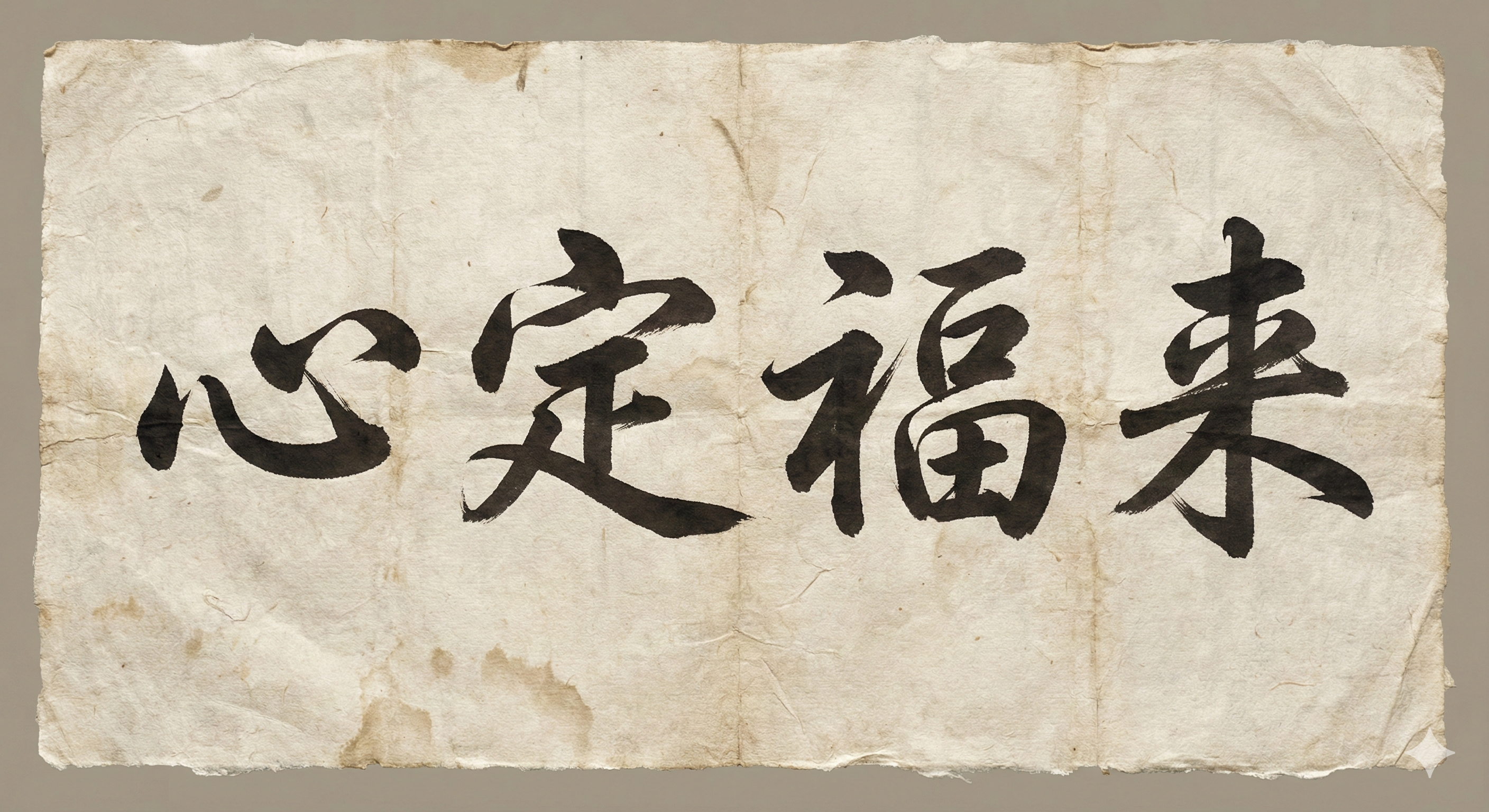
The healing practice of calligraphy and seal carving doesn't require you to perform well or write beautiful answers. Please take "slow down" as your guiding principle for today, slowing your breathing with each stroke. If your palms feel tight or your shoulders stiff, stop for a moment before continuing. The focus here is on settling down, not on completing the task. After the practice, simply feel if your body has relaxed a little, even if it's very slight; it's worth seeing. Please be gentle. When you finish, just remember to slow your breathing and gently pull yourself back from the tension; that's already very good.

○ Art Therapy Guidance
Drawing exercises can help you depict common manifestations, causes, and misconceptions of social anxiety, such as tension, withdrawal, or anticipation, using lines, blocks of color, and spatial distance. Don't try to make it realistic; just capture your true physical feelings. Use dark colors to represent stress, light colors to represent your comfort zone, and blank spaces to represent areas where you need rest. After finishing, observe the drawing, rather than criticizing it. Let the image help you see that anxiety is only part of the experience, not the whole of yourself. Use dark colors to represent stress, light colors to represent your comfort zone, and blank spaces.
Please log in before submitting your drawings and feelings.

○ Diary Healing Suggestions
Today's journal entry can begin with a simple question: What am I most afraid of in social situations? Please write down the most touching point from the course, and also a small action you'd like to try, such as pausing and observing your body's reaction next time you feel nervous, instead of immediately blaming yourself. This isn't about becoming extroverted immediately, but about gradually understanding why you're afraid. After writing, please give yourself a gentle message: I'm not strange, I'm just learning to be at peace. Remember, today only requires one small action; you don't need to solve all your problems at once. Being willing to write it down is already a gentle step towards self-improvement.
Please log in to use.
Social anxiety is not cowardice, but rather an overreaction of the nervous system to evaluation, and it needs to be understood and reassured.