

Lesson 431: Travel and Jet Difference: How to Avoid Disruption

Course duration:70 minutes
This lesson revolves around "Travel and Jet Lag: How to Avoid Disruption," suggesting ways to reduce the impact of travel and jet lag by staggered sun exposure, consistent wake-up times, and simplified schedules. Instead of simply attributing seasonal affective disorder to laziness, it emphasizes observing changes in sunlight, sleep, body temperature, diet, and social interactions within a unified circadian rhythm map. The key is to find a small adjustment that can begin today. Instead of rushing to motivate yourself, focus on restoring a sense of rhythm. Transform self-care from a vague wish into concrete action.
○ Course topic audio
Lesson 431: Travel and Jet Difference: How to Avoid Disruption
Click to view the read-aloud text
This lesson is titled "Travel and Jet Lag: How to Avoid Disruption." The focus of this course on Seasonal Affective Disorder (SAD) is not to blame yourself for becoming sluggish, depressed, or withdrawn during a particular season, but rather to understand how light, temperature, your biological clock, and daily rhythms work together to influence mood and energy. By staggering your sun exposure, maintaining consistent wake-up times, and simplifying your schedule, you can reduce the impact of travel and jet lag on your rhythm. When seasonal changes affect your mood, the most common misconception is: "Why am I so lazy? Am I regressing? Why don't I want to see people?" In reality, your body may be entering a low-energy conservation mode due to insufficient daylight, shifted wake-up times, reduced activity levels, and temperature changes. What you need is not more self-criticism, but clearer rhythm support. The first step in this lesson is to record your state. Please write down your wake-up time, bedtime, daylight exposure, afternoon energy, changes in appetite, social willingness, and mood temperature for the past week. Don't rush to judge whether it's good or bad; just focus on identifying patterns. The biggest problem with seasonal affective disorder is its ambiguity. Once you've documented it, you can shift from simply thinking, "Why am I feeling this way again?" to understanding exactly where you're affected. The second step is to choose a minimally invasive adjustment action. This could be opening the curtains after waking up, sitting by the window for ten minutes, taking a short walk, doing three minutes of stretching after drinking water, dimming your screen at night, or preparing a protein-rich breakfast. These small actions aren't perfunctory; they're sending a stabilizing signal to your biological clock. The third step is to reduce the feeling of isolation associated with the season. When feeling down, you can avoid high-intensity social interactions, but you should still maintain some connection. For example, send a message to someone you trust, arrange a short walk, or engage in a low-stress interaction during the day. Relationships don't need to be extensive; just enough to prevent you from being completely trapped by the season. If seasonal affective disorder is accompanied by severe insomnia, significant functional impairment, intense despair, self-harming thoughts, or decreased sleep with unusual excitement or increased impulsivity, please contact a doctor, therapist, or offline crisis resources promptly. Course exercises can help with self-care but cannot replace professional evaluation. Finally, give yourself a reassuring reminder: My state is affected by the season, but I am not entirely determined by it. Today, a little more sunlight, a small gesture, a note, or a gentle connection are all ways to build your own seasonal emotional care system. After reading, please write down a time of day when you are most susceptible to seasonal influences, and a small adjustment you can make tomorrow. The next time you feel lethargic, don't immediately blame yourself; first, check if your sunlight, sleep, diet, and activity levels have deviated from their rhythms. You are not learning to force yourself to like winter, but to find a tolerable lifestyle within the seasons. Each small adjustment to your rhythm accumulates new experiences of safety and clarity for your body. After reading, please write down a time of day when you are most susceptible to seasonal influences, and a small adjustment you can make tomorrow. The next time you feel lethargic, don't immediately blame yourself; first, check if your sunlight, sleep, diet, and activity levels have deviated from their rhythms.

AI Healing Q&A
AI-powered Q&A will address your real concerns about "travel and jet lag: how to avoid being disrupted," such as why you feel sluggish, depressed, or want to give up during certain seasons. It will clearly explain things like maintaining a consistent wake-up time, taking breaks to get sunlight, and simplifying your itinerary while traveling, and guide you in recording triggers, physical reactions, and actionable adjustments. The answers don't diagnose; they simply help you organize your feelings of disarray into the next steps. This makes the Q&A more relatable to daily life, helping you gradually restore your rhythm.

○ Music therapy guidance
Music therapy begins with "Travel and Jet Lag: How to Avoid Disruption," selecting music with a stable rhythm, warm timbre, and simple layers to accompany you in observing travel, jet lag, consistent wake-up times, and segmented sun exposure. While listening, first slow your breathing, then gently let your body follow the rhythm. Don't aim for immediate energization, but rather to establish a sustainable sense of clarity. Let the rhythm slowly return. Give your body some support. Give your emotions a place to rest. Let the rhythm slowly return. Give your body some support.

○East-West Healing Tea Drinks
This lesson recommends drinking a spicy cocoa beverage. Cocoa with ginger and chili is suitable for when you need a boost. Schedule your tea drinking at a fixed time during the day, in conjunction with opening a window, taking a short walk, or simple journaling, to allow your body to receive cues of temperature, aroma, and rhythm. Savor the temperature as it enters your mouth; don't rush to get going, treat it as a small step in returning to your daily routine. Help your rhythm slowly return. Make care concrete. Let your body gradually stabilize. Help your rhythm slowly return. Make care concrete.
○ Healing Recipes
Sesame Chicken Soup
This lesson recommends sesame chicken soup. The combination of sesame and chicken provides high-quality fats and proteins, beneficial for strengthening bones and muscles. During seasonal lows or periods of lethargy, it can be included in breakfast or lunch, combined with sunlight exposure, hydration, and short walks to help the body obtain warmth, protein, and stabilize its rhythms. The goal isn't to provide excessive nourishment, but simply to make this meal a small step towards restoring normalcy. Make care concrete. Help the rhythm slowly return. Let the body gradually stabilize. Make care concrete.
Open the healing recipe
◉ Japanese Food Therapy, Unit 12, 431, Sesame Chicken Soup
I. Recommended Dietary Therapy and Reasons
Recommended dishes:Sesame Chicken Soup (Strengthens bones and muscles, replenishes healthy fats)
Recommended reasons: Sesame chicken soup is a mild, light, and seasonally beneficial Japanese medicinal dish, suitable for inclusion in Seasonal Affective Disorder (SAD) programs as a support for stabilizing bodily rhythms, replenishing body temperature, and restoring daily appetite. Its rich sesame aroma is perfect for replenishing stable energy after travel fatigue or jet lag. When soups, porridges, rice dishes, or hot pots are consumed warm, they send clear reassurances to the body, helping individuals regain a sense of being cared for during periods of coldness, lethargy, drowsiness, or low energy. It is suitable for consumption in small, warm portions for breakfast, lunch, or dinner, helping learners integrate food therapy into their rhythm management.
2. Recipe and Method
Recipe (1–2 servings):
- 120g of chicken
- 1 tablespoon of white sesame paste
- 600 ml of kombu dashi (broth)
- 100g of Chinese cabbage
- 1 teaspoon of miso
practice:
- Slice the chicken and cut the cabbage into sections.
- After the broth boils, add the chicken and cabbage.
- Dissolve the sesame paste in hot soup.
- Add a small amount of miso for flavor.
- Stir well and eat warm.
- Before eating, smell the aroma and observe the color of the soup, then slowly put it in your mouth.
- Adjust the saltiness and portion size according to your physical condition, keeping it mild and not excessive.
3. Small rituals for body and mind
When preparing sesame chicken soup, you can first focus your attention on the water temperature, steam, the color of the ingredients, and your hand movements, allowing your body to slowly return to the present moment from a state of distraction, sluggishness, or depression.
During heating or stirring, slow down and remind yourself: I don't need to become energetic immediately, I just need to give my body a stable start.
When you take your first bite, feel the warmth as it travels from your mouth into your stomach. View this meal as a small step in your daily rhythmic care, rather than a demand on yourself.
4. Dietary Therapy Experience Record
- Record when you eat it, whether it's breakfast, lunch, dinner, or a supplement when you're feeling down, cold, sluggish, or have difficulty getting up in the morning.
- Observe whether there are any changes in body temperature, satiety, mental alertness, and emotional stability within 30–60 minutes after consumption.
- If you consume it during prolonged cloudy days, a holiday feeling of emptiness, or a lack of energy in winter, you can record whether it helps you regain some motivation.
V. Instructional Videos (approximately 3–5 minutes)
Video Title:Sesame Chicken Soup: A Gentle and Nourishing Dish in the Seasonal Rhythm
6. Precautions
- Soups and hot pot dishes are best eaten warm; it is not recommended to consume large quantities directly after refrigeration.
- Miso, soy sauce, or broth contain sodium, so blood pressure managers should control the amount of seasoning they use.
- Those allergic to seafood, beans, dairy products, mushrooms, or sake lees should replace these foods with the corresponding alternatives.
- For first-time users, it is recommended to consume a small amount and observe the stomach, skin, and sleep reactions.
- It is not advisable to eat too much salt or too much food at night, so as not to affect sleep and water metabolism.
hint:This recipe is for daily physical and mental well-being and is not a substitute for any medical diagnosis or treatment. If you have chronic illnesses, are pregnant, have food allergies, are taking medication, or have special nutritional restrictions, please prioritize following the advice of your healthcare provider and nutritionist.

Mandala Viewing Healing
This lesson's mandala viewing focuses on the "moving light band of travel time difference." When viewing, first focus your gaze on the center, then slowly move it to the outer circle, feeling the rhythm created by the light, color, and repeating patterns. It doesn't require you to draw anything; it simply helps the body gradually return to stability from seasonal sluggishness, depression, or anxiety through quiet observation. Let the rhythm slowly return. Let observation be gentle care. Help the body stabilize. Let the rhythm slowly return.
● AI Dynamic Geometric Vision Focus and Emotion Regulation Engine ●
AI Dynamic Geometric Vision Focus and Emotion Regulation Engine · v7.0.0
Before we begin, I'd like to know how you feel right now.
There is no standard answer; just choose the one that best reflects how you feel right now.
The experience is over. Tell us how you feel now.
There is still no standard answer; just choose the one that best reflects how you feel right now.
#FF5252
After the fluorescent line crawling is completed and stopped, first select a color, then click on the closed area in the graphic to fill in the color.
AI Digital Mandala Interactive Focus Engine
A–Z Free Selection · Layered Lines · 60 Color Fills
AI Digital Mandala Static Focus EngineAZ Image Coloring · 60 Colors

○ Calligraphy and engraving therapy practice
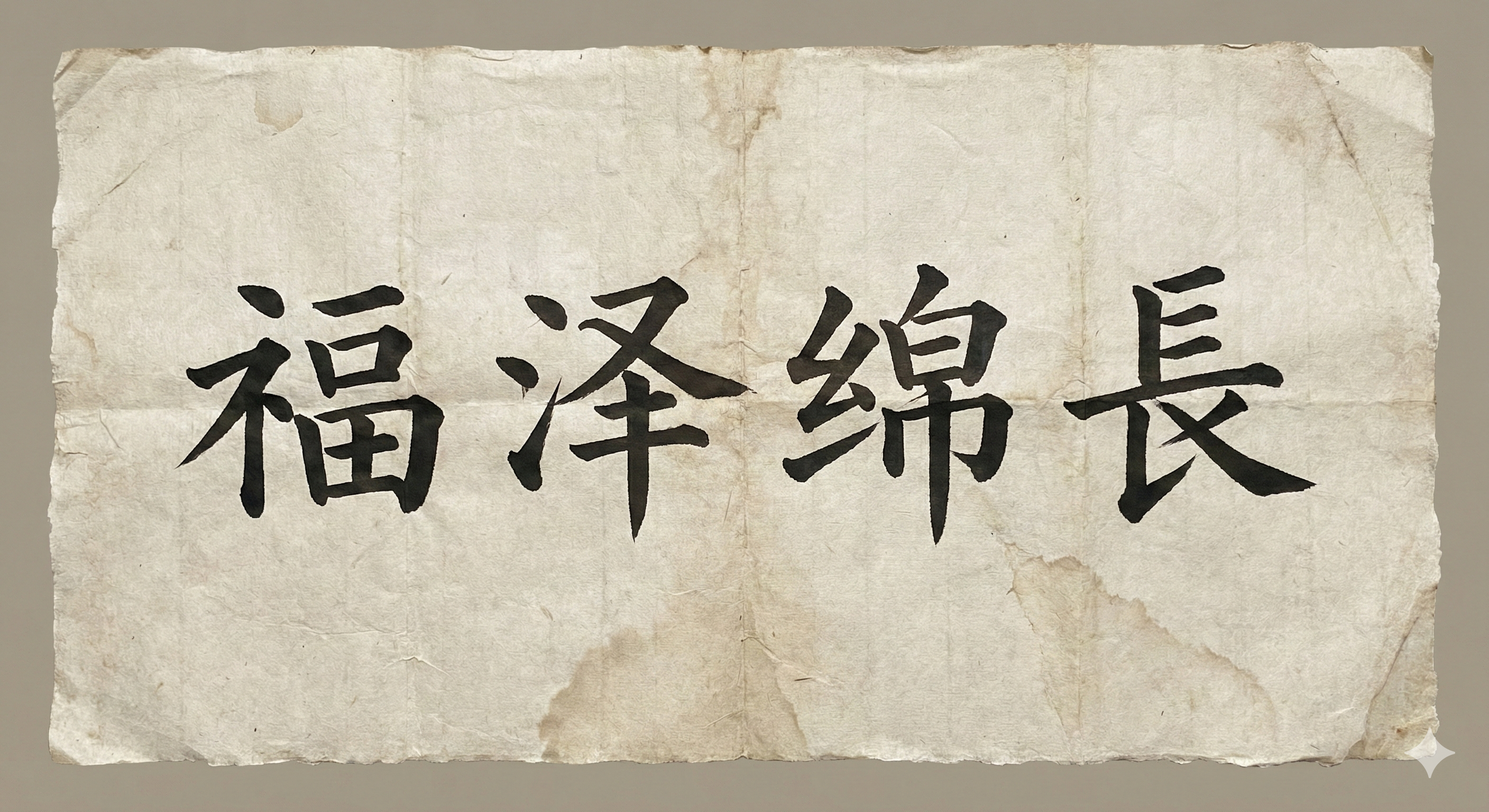
This lesson focuses on the three characters "旅" (lǚ, travel), "时" (shí, time), and "定" (dìng, settle) for seal carving practice. First, slowly write them three times in regular script, paying attention to horizontal strokes, vertical strokes, the beginning and ending of each stroke, and the rhythm of your breath. Then, design a simplified seal image of one of these characters and observe the placement of the lines within the small space. The focus of this practice is not on writing beautifully, but on allowing your wrist, eyes, and mind to return to a stable rhythm. Let writing become a rhythmic anchor. Help your body gradually stabilize. Let your mind return to the present moment. Let writing become a rhythmic anchor. Help your body gradually stabilize. Let your mind return to the present moment. Let writing become a rhythmic anchor.

○ Art Therapy Guidance
This art therapy lesson uses the theme "The Moving Sun in Jet Lag." First, lay down a light background, then use one to three colors to represent your current energy; accuracy isn't required. After finishing, write down today's light, sleep, and emotional temperature in a corner of the image, allowing the picture to become a gentle record of observing seasonal changes. Let the image become a rhythmic anchor. Help your emotions settle down. Make care concrete. Let the image become a rhythmic anchor. Help your emotions settle down. Make care concrete. Let the image become a rhythmic anchor.
Please log in before submitting your drawings and feelings.

○ Diary Healing Suggestions
This lesson's journal revolves around "Travel and Jet Lag: How to Avoid Disruption." Please record your travels, jet lag, and consistent wake-up schedule, noting how they affect your alertness, motivation, and emotional state today. Don't rush to judge yourself; simply distinguish between facts, feelings, and the next step. Finally, write a gentle reminder: the seasons affect me, but I can still make small adjustments. Let your journal be a stable anchor. Help your rhythm slowly return. Make the next step clearer. Let your journal be a stable anchor. Help your rhythm slowly return.
Please log in to use.
May you gradually return to a more stable, clear-headed, and gentler version of yourself through today's practice.