

Lesson 588: Recovery Nodes in Long-Term Response Processes

Course duration:70 minutes
There will be key milestones in the recovery process: getting better sleep, being able to express yourself more, and reducing self-blame. You can let AI help you review recent small changes, transforming progress from something insignificant to valuable experiences. Smaller actions are easier to maintain. This understanding will protect your recovery rhythm. This process of reflection will make it easier to see the next step. Prioritize safety and manageability. You don't have to bear all the changes alone. This is also the beginning of taking care of yourself again.
○ Course topic audio
Lesson 588: Recovery Nodes in Long-Term Response Processes
Click to view the read-aloud text
Today, I want to gently guide you through the theme: Recovery Stages in Long-Term Coping. Recovery isn't a straight upward path. Many people, once they find themselves stagnating, exhausted, or experiencing fluctuations, assume all their previous efforts have been wasted. In fact, long-term recovery often involves several important stages: pause, stabilization, adjustment, and rebound. A pause isn't failure; it might be your body telling you it needs rest and can't continue at the old pace. Stabilization doesn't mean you're completely healed; it simply indicates you're starting to have a slightly repeatable rhythm. Adjustment occurs when old methods are no longer sufficient, leading to lowered goals, new tools, seeking help, or a rearranged rhythm. Rebound is when energy slowly returns, and a sense of action and hope begins to return. Today, please reflect on where you are in your current stage. Are you in a pause, wanting to do nothing and needing to protect your body first? Are you in a stabilization stage, able to maintain basic living? Are you in an adjustment stage, needing to redesign your goals? Or are you in a rebound stage, able to increase your actions? Please choose appropriate tasks based on the stage. In a pause, focus on basic needs; in a stabilization stage, maintain your rhythm; in an adjustment stage, review your tools; and in a rebound stage, expand little by little. Remember, slowness doesn't equal failure, and setbacks don't equal starting from scratch. Often, you're not returning to square one, but rather reorganizing at a new level. Long-term adaptation requires rhythm, not constant pushing. Write down your state of mind today and give it a gentle explanation: I'm pausing, stabilizing, adjusting, or recovering. To help yourself understand this better, you can keep a recovery milestone log once a week. Don't just look at your mood; also look at your sleep, appetite, energy levels, relationship connections, and physical tension. You'll find that progress isn't always about becoming happier, but about knowing where you are on the path sooner. At different stages, give yourself different evaluation criteria. Success during a pause might simply mean eating a little, washing your face, and not overexerting yourself. Success during stabilization is maintaining a basic rhythm. Success during adjustment is acknowledging that old methods are insufficient and being willing to switch to a lighter approach. Success during recovery is carefully increasing action rather than immediately filling your schedule. Looking at it this way, you'll find that each stage has its tasks and commendable progress. If you're unsure where you are in your recovery, ask your body: Do I need rest, to maintain, to adjust, or to expand? Your body usually knows the answer. Let your rhythm follow your true state, not the demands of anxiety. Don't mistake slow recovery for no progress. Much recovery happens quietly: you stop earlier, blame yourself less, are more willing to ask for help, and are better able to recognize your body's signals. These all count. If you're simply in a pause today, respect it. A pause isn't a void; it's conserving energy for the next stable phase. Give yourself some water, some food, some light, some sleep—these are all real actions during a recovery phase. After reading, please write a sentence: I am willing to identify my recovery phase and continue moving forward in a way that suits my current stage.

AI Healing Q&A
There will be key milestones in the recovery process: getting better sleep, being able to express yourself more, and reducing self-blame. You can let AI help you review recent small changes, transforming progress from something insignificant to valuable experiences. Smaller actions are easier to maintain. This understanding will protect your recovery rhythm. This process of reflection will make it easier to see the next step. Prioritize safety and manageability. You don't have to bear all the changes alone. This is also the beginning of taking care of yourself again.

○ Music therapy guidance
When identifying recovery points, you can listen to a piece of music that rises and falls like waves. High points represent recovery, low points represent pauses, and the middle represents stability and adjustment. While listening, assess your current stage and choose appropriate tasks for that stage, instead of forcing yourself to keep pushing forward.

○East-West Healing Tea Drinks
The classic cocoa ritual is suitable for identifying recovery points in a long-term coping process. Cocoa is warm and connecting, perfect for quiet reflection on whether you are in a state of pause, stability, adjustment, or recovery. Please don't rush yourself; simply let this beverage accompany you in respecting the present moment.
○ Healing Recipes
Monastery root vegetable soup is suitable for identifying recovery points in a long-term coping process. Warm and nourishing, it provides support during periods of pause, stabilization, adjustment, or recovery. Drink it slowly, assess your current stage, and only choose tasks that are manageable for that stage.
Open the healing recipe
◉ Healing Recipe: Monastery Root Vegetable Soup
I. Recommended Dietary Therapy and Reasons
Recommended dishes:Monastery Root Vegetable Soup (warm, hearty, and helps identify restoration nodes)
Recommended reasons:This lesson identifies recovery points in a long-term coping process. Monastery root vegetable soup, warm and substantial, is suitable for different stages: pause, stabilization, adjustment, and recovery. Root vegetables come from the earth, symbolizing that recovery also requires foundation and time, reminding you that slowness is not failure, and that different stages have different tasks. When eating it, don't try to immediately change your mood; simply treat this food as a gentle pause, allowing your body to receive support first, making it easier for your mind to make new choices.
2. Recipe and Method
Recipe (1–2 servings):
- 100g of potatoes
- 80 g of carrots
- 80 g of turnip or white radish
- a small amount of onion
- 800 ml of clean water
practice:
- Wash the main ingredients and prepare the parts that need to be cut into pieces, steamed, boiled until soft, or prepared in advance.
- Cut the root vegetables into chunks, add water, and simmer until soft, preserving the light broth flavor.
- Use low heat, stir gently, or bake at a low temperature to allow the ingredients to meld together in a gentle rhythm.
- Keep the seasoning light, with less salt, sugar, and oil, and avoid using strong, pungent flavors that overpower the ingredients.
- Let it cool slightly after serving before eating. Take your first bite slowly to appreciate the temperature, aroma, and texture.
3. Small rituals for body and mind
When preparing monastery root vegetable soup, you can first arrange the ingredients neatly, noting their color, shape, and texture, allowing your attention to gradually shift from emotional reactions, relational stimuli, event interpretations, or self-blame back to the present moment.
During the process, take three slow breaths. Don't rush to explain, respond to, or fix all the problems. Just let your body know: I am doing something small that can be accomplished.
When you take your first bite, first feel the temperature and texture, then gently tell yourself: I am taking care of myself, I am willing to take it slow, and I can choose to take the next step again.
If you're still feeling emotional, stop and don't force yourself to continue. What's truly important isn't eating a complete meal, but rather sending your body a safe, gentle signal that it's time to pause.
4. Dietary Therapy Experience Record
- Record the time of consumption; is it a regular meal or a meal to settle down after emotional fluctuations?
- Observe changes in stomach comfort, body temperature, and mood intensity within 30–60 minutes after consumption.
- Write a sentence: After this dietary therapy, what new action do I want to take care of myself?
V. Instructional Videos (approximately 3–5 minutes)
Video Title:Monastery Root Vegetable Soup: Gentle Dietary Support in the Emotional Coping Disorders Course
6. Precautions
- Dietary therapy should be small, mild, and light; there is no need to force yourself to finish a meal when you are not feeling well.
- If you are allergic to grains, beans, nuts, eggs, dairy, fish, honey, or vanilla, please substitute this food.
- This recipe is for daily health maintenance and is not a substitute for medical diagnosis and treatment; please follow medical advice for special physical conditions.
hint:If you experience emotional distress, noticeable or persistent physical symptoms, please seek professional help promptly.

Mandala Viewing Healing
When identifying recovery points, observe the banded mandala. Different levels represent pauses, stabilization, adjustments, and rebounds. Don't just focus on the outermost ring; first, see which level you are currently on and allow that level to have its own rhythm.
● AI Dynamic Geometric Vision Focus and Emotion Regulation Engine ●
AI Dynamic Geometric Vision Focus and Emotion Regulation Engine · v7.0.0
Before we begin, I'd like to know how you feel right now.
There is no standard answer; just choose the one that best reflects how you feel right now.
The experience is over. Tell us how you feel now.
There is still no standard answer; just choose the one that best reflects how you feel right now.
#FF5252
After the fluorescent line crawling is completed and stopped, first select a color, then click on the closed area in the graphic to fill in the color.
AI Digital Mandala Interactive Focus Engine
A–Z Free Selection · Layered Lines · 60 Color Fills
AI Digital Mandala Static Focus EngineAZ Image Coloring · 60 Colors

○ Calligraphy and engraving therapy practice
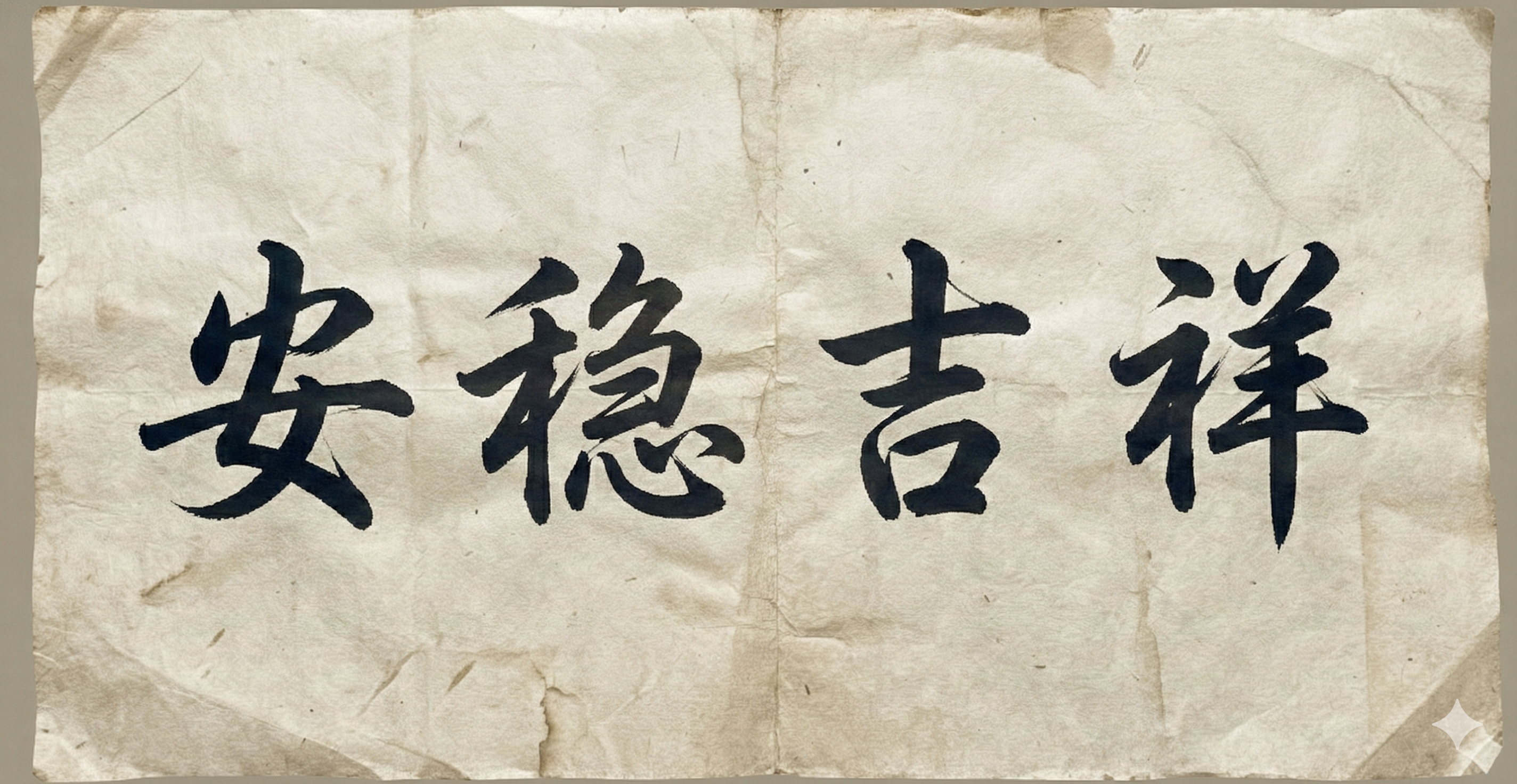
When identifying recovery points, ensure that the writing or engraving rhythm aligns with the current stage. Write less during pauses, repeat during stable periods, change methods during adjustment periods, and increase slightly during recovery periods. No specific content is needed; simply ensure the practice reflects your actual state, rather than forcing yourself forward.

○ Art Therapy Guidance
Please draw a wavy line to indicate the pauses, stabilization, adjustment, and rebound. Don't draw the pauses blank; you can color them with a resting tone. This exercise helps you see that slowness is not failure, and each stage has its own task.
Please log in before submitting your drawings and feelings.

○ Diary Healing Suggestions
Please determine which stage of recovery you are at today: pause, stabilization, adjustment, or rebound. Write an appropriate task based on this stage. During the pause, focus on basic support; during the stabilization, maintain your rhythm; during the adjustment, modify your tools; and during the rebound, expand gradually.
Please log in to use.
May you gradually return to a more stable, clear-headed, and gentler version of yourself through today's practice.