

Lesson 590: Integrating Psychological Defenses with Real Emotions

Course duration:70 minutes
Psychological defenses have helped you protect yourself, but sometimes they can block out your true emotions. You can tell an AI a habitual reaction and see what it's protecting, then slowly approach your true feelings. This process of organization will make it easier for you to see the next step. Please prioritize safety and manageability. You don't have to bear all the changes alone. This is also the beginning of taking care of yourself again. Let Q&A be a gentle resting place. If necessary, please contact offline professional support promptly.
○ Course topic audio
Lesson 590: Integrating Psychological Defenses with Real Emotions
Click to view the read-aloud text
Today, I want to gently approach you on the theme of integrating psychological defenses with true emotions. Psychological defenses aren't inherently bad. They are protective mechanisms that the heart automatically develops when it endures too much pain. For example, denial allows you to temporarily avoid facing unbearable facts; rationalization helps you maintain function; humor lightens the pain; projection redirects unbearable feelings to the outside world; and avoidance prevents you from being overwhelmed by emotions. The problem isn't the existence of defenses, but rather that we are completely blind to them and unable to access our true emotions. Today, we won't attack our defenses, but simply gently observe them. Please write down the last time you said "I'm okay." Then ask yourself: What defense might I have used at that time? Was it calm analysis, changing the subject, joking, keeping busy, or convincing myself it didn't matter? Continue by asking: If this defense is protecting me, it protects me from feeling anything. Perhaps it's sadness, fear, shame, disappointment, or anger. Please don't reveal everything at once; just approach a little bit of your true emotion. You can write: "I might be a little sad, but I'll only allow myself to feel it for two minutes right now." Then perform a calming action: drink water, exhale, stand up and walk around. Integration doesn't mean tearing down all defenses, but rather allowing both protective mechanisms and true emotions to be seen. You can thank your defenses for holding you up, and you can gradually give your more authentic feelings some space. If your emotions are too intense, stop practicing immediately and return to your body and environment. True integration requires safety, not coercion. You're not trying to tear down your protective walls, but rather slowly opening a small window in them to let in a little air. Sometimes, true emotions are deeply protected by defenses, not because you're indifferent, but because they were once too painful to be seen all at once. So allow yourself to approach them in layers. The first layer simply acknowledges that you might not actually be okay; the second layer expresses a vague feeling, such as feeling a little uncomfortable; the third layer slowly names it—is it sadness, fear, anger, or disappointment? Each time you approach a layer, accompany it with a soothing gesture. This is to gently receive your true emotions, rather than suddenly exposing them to harsh light. If you wish, you can also say thank you to your defenses: "Thank you for protecting me." Then say to your true emotions: "I'll take it slowly; I won't force you out all at once." When defenses and true emotions can coexist, you will gradually stop being afraid of your own complexity. You can be rational, or you can be sad; you can be humorous, or you can be hurt; you can temporarily avoid it, or you can come back to face it later. Integration doesn't mean you have to be forever transparent, forever honest to the point of having no protection. A truly healthy state is knowing what you are protecting, and also knowing when you can gently let down your guard a little and get closer to the truth. After reading aloud, please write a sentence: I am willing not to attack my own defenses, and I am also willing to gently approach the true emotions behind them.

AI Healing Q&A
Psychological defenses have helped you protect yourself, but sometimes they can block out your true emotions. You can tell an AI a habitual reaction and see what it's protecting, then slowly approach your true feelings. This process of organization will make it easier for you to see the next step. Please prioritize safety and manageability. You don't have to bear all the changes alone. This is also the beginning of taking care of yourself again. Let Q&A be a gentle resting place. If necessary, please contact offline professional support promptly.

○ Music therapy guidance
When integrating defense mechanisms with your true emotions, please choose quiet, slow music. While listening, write down your usual protective methods, and then gently ask: What does it protect me from feeling? Let the music accompany you without attacking your defenses, and slowly approach the true sadness, fear, or grievances behind them.

○East-West Healing Tea Drinks
Spiced cocoa drinks are suitable for integrating psychological defenses with genuine emotions. The warm and rich aromas of cocoa, cinnamon, and turmeric can help you connect with your inner feelings. While drinking, write down your usual defenses and the sadness, fear, shame, or resentment they may protect against.
○ Healing Recipes
Honey hot wheat mash is suitable for integrating psychological defenses with true emotions. The soft, warm mash, with its subtle sweetness from the honey, is soothing to the body when connected to one's inner self. After eating, write down your usual defenses and the sadness, fear, or resentment they may protect against.
Open the healing recipe
◉ Healing Recipe: Honey Hot Wheat Porridge
I. Recommended Dietary Therapy and Reasons
Recommended dishes:Honey Hot Wheat Mash (soft, warm, and protective)
Recommended reasons:This lesson integrates psychological defenses with genuine emotions. The soft, warm honey porridge is perfect for providing a sense of security when you're close to your inner self. The honey softens the flavor, while the warm porridge offers a sense of envelopment, reminding you to appreciate your defenses and slowly approach the genuine feelings they protect. Don't try to immediately change your mood while eating it; simply treat this food as a gentle pause, allowing your body to receive support first, making it easier for your mind to reconsider.
2. Recipe and Method
Recipe (1–2 servings):
- 50 g of wheat flour or coarse wheat flour
- 300 ml of hot water or milk
- 1 teaspoon of honey
- Very little salt
- A little cinnamon, optional
practice:
- Wash the main ingredients and prepare the parts that need to be cut into pieces, steamed, boiled until soft, or prepared in advance.
- Stir wheat flour slowly into a paste with hot water or milk, cook over low heat, and then add honey.
- Use low heat, stir gently, or bake at a low temperature to allow the ingredients to meld together in a gentle rhythm.
- Keep the seasoning light, with less salt, sugar, and oil, and avoid using strong, pungent flavors that overpower the ingredients.
- Let it cool slightly after serving before eating. Take your first bite slowly to appreciate the temperature, aroma, and texture.
3. Small rituals for body and mind
When preparing honey-infused hot wheat porridge, you can first arrange the ingredients neatly, noting their color, shape, and texture, allowing your attention to gradually shift from emotional reactions, relational stimuli, event interpretations, or self-blame back to the present moment.
During the process, take three slow breaths. Don't rush to explain, respond to, or fix all the problems. Just let your body know: I am doing something small that can be accomplished.
When you take your first bite, first feel the temperature and texture, then gently tell yourself: I am taking care of myself, I am willing to take it slow, and I can choose to take the next step again.
If you're still feeling emotional, stop and don't force yourself to continue. What's truly important isn't eating a complete meal, but rather sending your body a safe, gentle signal that it's time to pause.
4. Dietary Therapy Experience Record
- Record the time of consumption; is it a regular meal or a meal to settle down after emotional fluctuations?
- Observe changes in stomach comfort, body temperature, and mood intensity within 30–60 minutes after consumption.
- Write a sentence: After this dietary therapy, what new action do I want to take care of myself?
V. Instructional Videos (approximately 3–5 minutes)
Video Title:Honey Hot Wheat Porridge: Gentle Food Support in the Emotional Coping Disorders Course
6. Precautions
- Dietary therapy should be small, mild, and light; there is no need to force yourself to finish a meal when you are not feeling well.
- If you are allergic to grains, beans, nuts, eggs, dairy, fish, honey, or vanilla, please substitute this food.
- This recipe is for daily health maintenance and is not a substitute for medical diagnosis and treatment; please follow medical advice for special physical conditions.
hint:If you experience emotional distress, noticeable or persistent physical symptoms, please seek professional help promptly.

Mandala Viewing Healing
When integrating defenses and true emotions, observe the softly shaped mandala. The outer ring represents defense, and the center represents true feelings. Don't rush to penetrate all layers; simply let your gaze slowly approach, be grateful for the protection, and allow your inner truth to emerge little by little.
● AI Dynamic Geometric Vision Focus and Emotion Regulation Engine ●
AI Dynamic Geometric Vision Focus and Emotion Regulation Engine · v7.0.0
Before we begin, I'd like to know how you feel right now.
There is no standard answer; just choose the one that best reflects how you feel right now.
The experience is over. Tell us how you feel now.
There is still no standard answer; just choose the one that best reflects how you feel right now.
#FF5252
After the fluorescent line crawling is completed and stopped, first select a color, then click on the closed area in the graphic to fill in the color.
AI Digital Mandala Interactive Focus Engine
A–Z Free Selection · Layered Lines · 60 Color Fills
AI Digital Mandala Static Focus EngineAZ Image Coloring · 60 Colors

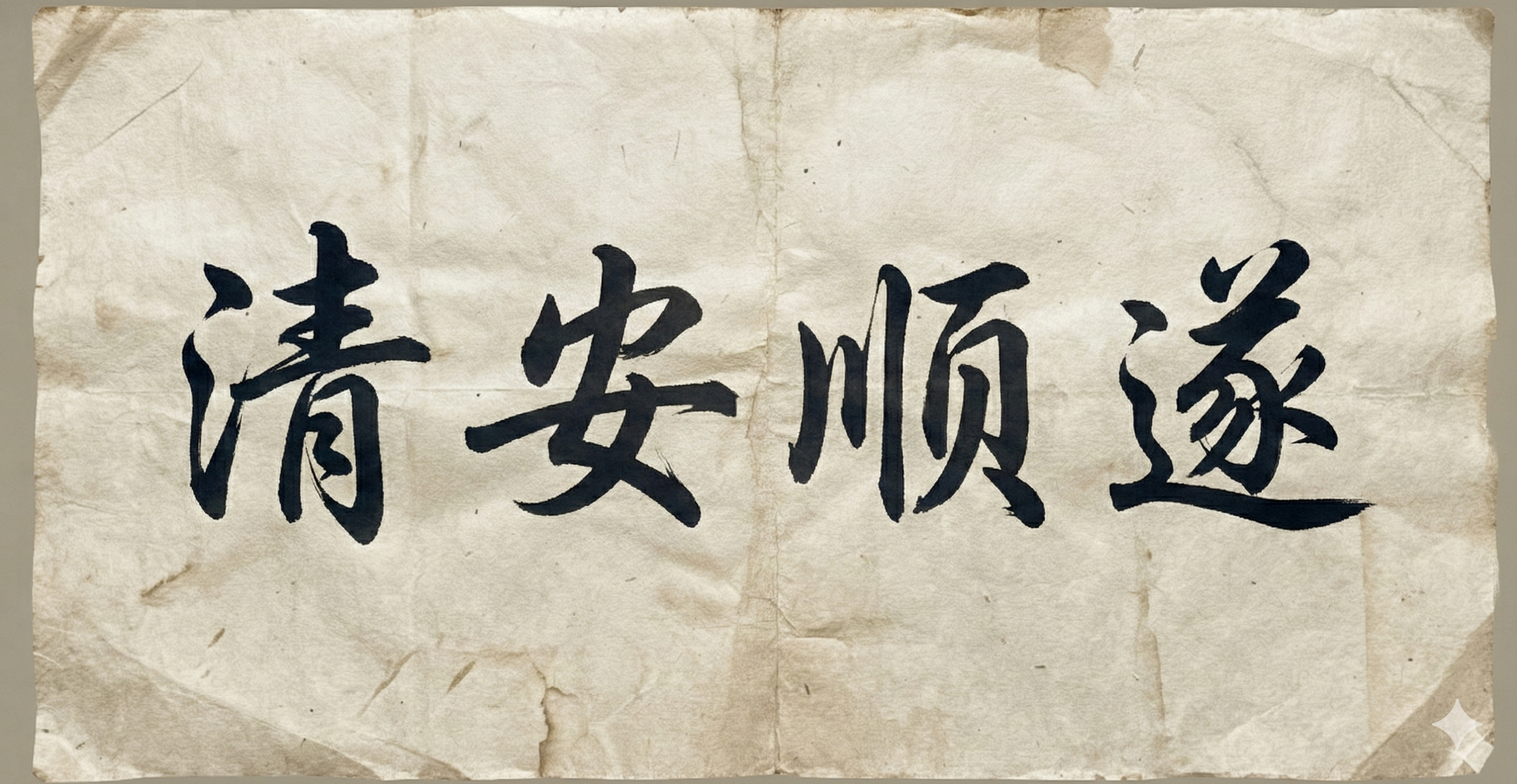
○ Calligraphy and engraving therapy practice
When integrating defenses with true emotions, gently approach your inner self through writing or engraving. No specific content is needed; simply observe where you want to retreat, where you want to control, and where you want to stop. The actions can be minimal; the key is to gently see the true feelings behind the protection.

○ Art Therapy Guidance
Please draw a shape with an outer shell and an inner core. The outer shell represents psychological defenses, and the inner core represents true emotions. Don't rush to break through the shell; just draw a small window on it. This image reminds you: I can be grateful for the protection, and I can also slowly approach the truth.
Please log in before submitting your drawings and feelings.

○ Diary Healing Suggestions
Please write down your commonly used psychological defenses, such as denial, rationalization, humor, avoidance, or keeping busy. Then ask yourself: What does it protect me from feeling? Finally, write a sentence thanking your defenses, and also a sentence expressing your willingness to embrace your true emotions.
Please log in to use.
May you gradually return to a more stable, clear-headed, and gentler version of yourself through today's practice.