
Lesson 704: Breathing and Relaxation Techniques for Living with Anxiety

Course duration:70 minutes
When anxiety rises, the body needs to slow down first. You can ask AI to guide you through diaphragmatic breathing, progressive relaxation, or simple facial relaxation based on your current state, allowing your body to loosen up a bit before deciding on your next step. If necessary, contact a professional or trusted person. Keep exercises smaller to make them easier to maintain. Your efforts deserve to be recognized. Understanding the cycle before taking action will lead to greater stability. This will make recovery more realistic. Give yourself some gentle space.
○ Course topic audio
Lesson 704: Breathing and Relaxation Techniques for Living with Anxiety
Click to view the read-aloud text
This lesson focuses on breathing and relaxation techniques for coexisting with anxiety. In obsessive-compulsive disorder and impulsivity, the most painful part is often not a specific thought or action, but rather the feeling of being pulled along in an automatic cycle: a thought arises, anxiety rises, the body tenses, impulses drive action, rituals or impulsive behaviors bring temporary relief, followed by new worries. Over time, one may mistakenly believe that only repetition, checking, confirming, avoiding, or immediate action can ensure safety. However, this temporary relief can also reinforce false alarms in the brain, making the next wave of anxiety arrive even faster. Today's exercise is not about confronting the symptoms head-on, nor is it about blaming yourself for not being able to control them; rather, it's about understanding the mechanism. Focus your attention on a specific situation: what is the trigger, what sentences appear in your mind, where is your body most tense, what is the impulse demanding you do, and what is the outcome you truly fear? Simply writing down this chain of events moves you from passive involvement to active observation. Next, choose a small change. It could be delaying your check by thirty seconds, skipping one confirmation step, taking three deep breaths before an impulse, or rewriting "I must deal with it immediately" into "I can observe first." Change doesn't need to be drastic, but it must be tangible. Recovery from compulsions and impulses doesn't rely on a single, forceful breakthrough, but on numerous, safe practices. Every time you're willing to pause for an extra second, record your actions one more time, or choose a gentler response, you're helping your brain establish new pathways. If anxiety increases during practice, remind yourself: increased anxiety doesn't mean danger is imminent, a sense of incompleteness doesn't mean I must immediately remedy the situation, and strong impulses don't mean I must obey. You can bring yourself back to your breath, the soles of your feet, the palms of your hands, and your immediate environment. The direction of recovery isn't to become someone without thoughts, but to become someone who, even with thoughts, can slowly choose how to live.
AI Healing Q&A
Describe to the AI your most recent experience with "breathing and relaxation techniques for living with anxiety," including the triggering event, automatic thoughts, anxiety score, impulsive behavior, and the outcome. Ask the AI to help you develop a gentler alternative response and write it down as a three-step action: pause, observe, and finally choose a small, safe action.

○ Music therapy guidance
When dealing with anxiety, music and breathing can work together. Choose slow-tempo pieces and guide learners to extend their exhales, relax their shoulders, neck, and fingers in time with the melody. This allows the body to slow down first, making it easier for the mind to return to a clear state. Professional therapy may still be necessary. Your efforts deserve to be gently recognized. Let sound help you rethink your approach. This will make practice more manageable. Prioritize safety and stability. Let change happen within your capacity. Treat music as companionship, not a demand.

○East-West Healing Tea Drinks
Recommended drink: Lily and lotus seed tea. Reason for recommendation: This course utilizes a gentle, low-stimulation tea ritual to help the body slow down, allowing attention to gradually return to the present moment from obsessive thoughts or impulsive demands. Usage: Drink in small amounts while warm; do not make it too strong. If it is near nighttime or you are sensitive to caffeine, you can use a caffeine-free herbal tea instead.
○ Healing Recipes
Millet, Pumpkin, and Jujube Porridge
Millet is mild and soft, while pumpkin and red dates bring a natural sweetness, making it suitable for those experiencing anxiety in the morning or at night to eat, allowing the day or night to begin with gentle stability.
Warm and soothing | Breakfast friendly | Soft and comforting
Open the healing recipe
◉ Stable Dietary Therapy: Millet, Pumpkin, and Jujube Porridge (ID 704)
Millet, pumpkin, and jujube porridge is a suitable meal for anxious mornings or evenings. The pumpkin and jujubes bring natural sweetness, while the millet porridge is stable and mild, with an overall non-irritating flavor, making it ideal for starting the day with a gentle rhythm.
Warm, sweet and stable Breakfast friendly Soft and soothing
I. Recommended Dietary Therapy and Reasons
Recommended dishes:Millet, Pumpkin, and Jujube Porridge (ID 704)
Recommended reasons: Millet, pumpkin, and jujube porridge is characterized by its gentle, low-irritant, and easy-to-prepare nature, making it suitable for daily calming exercises in courses on obsessive-compulsive disorder and impulsivity. It's ideal as a calming meal for those experiencing anxiety in the morning or at night. The pumpkin and jujubes provide natural sweetness, while the millet porridge is stable and gentle, resulting in a non-irritating overall flavor, perfect for starting the day with a calm rhythm. Through consistent eating, slow chewing, and repeatable preparation steps, learners can transform the eating process into a mini self-care exercise. It doesn't emphasize immediate mood changes but rather helps the body first achieve safety, warmth, and rhythm.
2. Recipe and Method
Recipe (1–2 servings):
- Xiaomi 45g
- 100g of pumpkin
- 3 red dates
- 650 ml of clean water
- A small amount of sesame seeds (optional)
practice:
- Wash the main ingredients thoroughly. Grains, beans, or lotus seeds can be soaked in advance to make them softer.
- First, put the ingredients that need to be cooked for a long time into the pot, add enough water, bring to a boil over high heat, then turn to low heat and simmer.
- Depending on how quickly the ingredients cook, add vegetables, tofu, eggs, fish, or seasonings in that order, and simmer over low heat or stir gently.
- Once the ingredients are cooked until tender and the soup or porridge is lukewarm, add a small amount of salt, honey, or rock sugar to taste, avoiding making it too salty or sweet.
- After turning off the heat, let it sit for 2–3 minutes to allow the temperature to drop slightly before serving in a bowl to avoid stimulating eating.
- When eating, try to eat slowly, pausing for a moment with each bite to observe the aroma, temperature, taste, and your body's reaction.
- It can be served as breakfast, dinner, or a recovery meal after practice, with the focus on stability rather than complexity.
3. Small rituals for body and mind
Before preparing the ingredients, stop and take three slow breaths, reminding yourself: "This meal is not a task, but care."“
During the cooking process, try to keep your movements steady, don't rush to finish, and don't repeatedly check until you're exhausted. Just confirm the necessary steps.
When you take your first bite, you can tell yourself, "I allow myself to take it slow, and I allow today to be imperfect." Let eating become a process of practicing acceptance and stabilization.
4. Dietary Therapy Experience Record
- Record your emotional state before consuming the product, such as anxiety, irritability, fatigue, impulsiveness, repetitive thinking, or physical tension.
- Record any changes in stomach comfort, satiety, mood intensity, and urgency within 30–60 minutes after consumption.
- Observe whether you can reduce the need for repeated confirmation during the preparation and eating process, and bring your attention back to the taste, temperature and the current action.
V. Instructional Videos (approximately 3–5 minutes)
◉ Video Title:Millet, Pumpkin, and Jujube Porridge: A Daily Stabilizing Recipe for the Obsessive-Compulsive and Impulsive Issues Course
6. Precautions
- This recipe focuses on gentle daily conditioning, and the seasoning should be as light as possible to avoid excessive spiciness, sweetness, or saltiness that may irritate the body.
- If you are allergic to milk, nuts, seafood, soy products, or certain grains, please replace them with foods that you can tolerate.
- If you are receiving medical treatment, taking medication, or have special dietary restrictions, please prioritize following the advice of your doctor, nutritionist, or caregiver.
hint:This recipe is for daily mental and physical care reference only and does not replace any medical diagnosis or treatment. For obsessive-compulsive disorder, difficulty controlling impulses, or significant functional impairment, professional psychological and medical support should be sought.

Mandala Viewing Healing
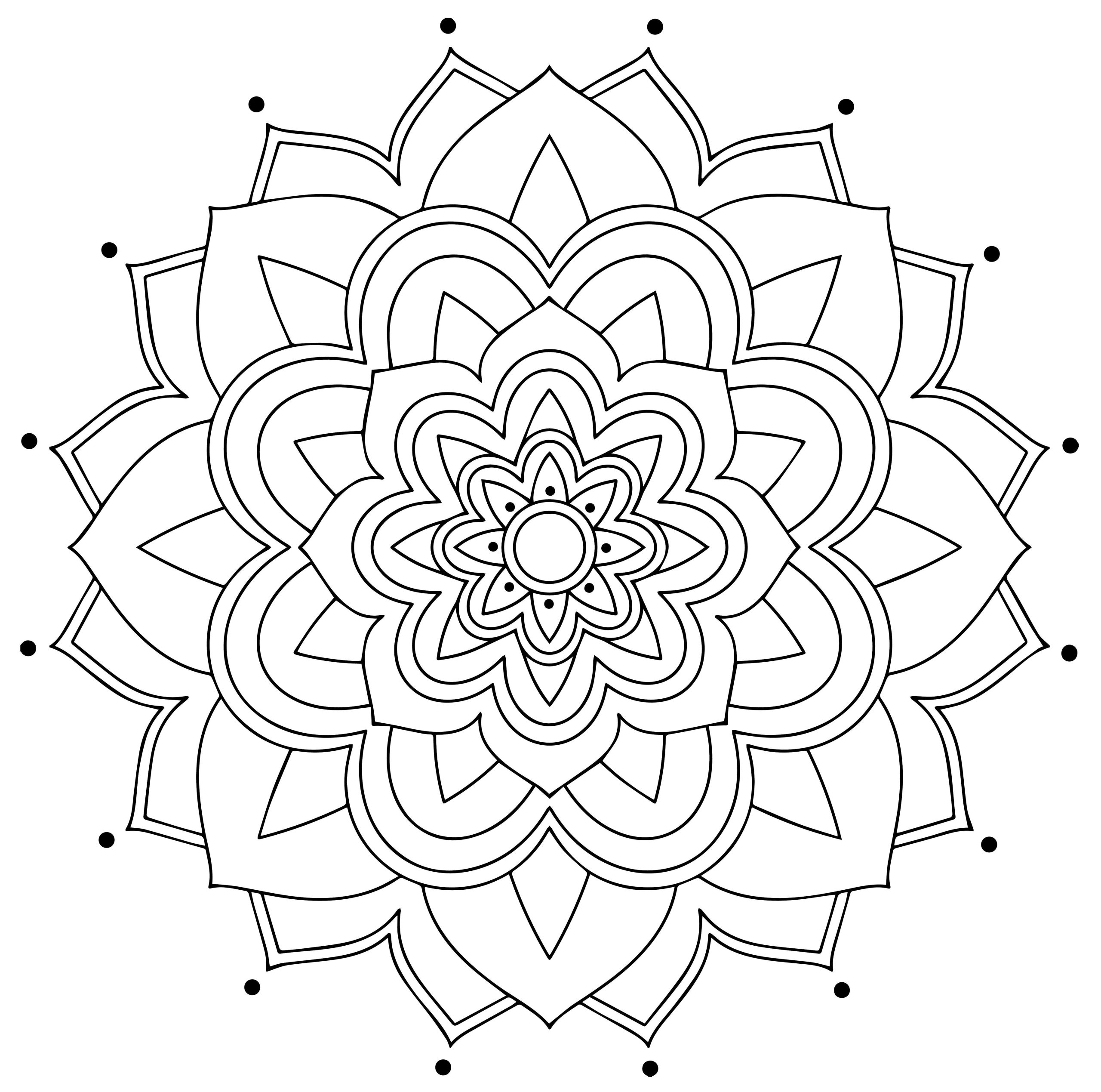
When dealing with anxiety, mandalas and breathing techniques work well together. Slowly inhale and exhale while looking at the circular structure, gradually relaxing your eyes, chest, and shoulders. The patterns won't eliminate anxiety, but they can help you return to rhythm from chaos, allowing your body to find some stability. This practice will be more integrated into your daily life. Let change happen within your tolerance. Seek professional support when necessary. Taking a break before continuing will be more stable. This will help your mind gradually relax and allow more space for recovery.
● AI Dynamic Geometric Vision Focus and Emotion Regulation Engine ●
AI Dynamic Geometric Vision Focus and Emotion Regulation Engine · v7.0.0
Before we begin, I'd like to know how you feel right now.
There is no standard answer; just choose the one that best reflects how you feel right now.
The experience is over. Tell us how you feel now.
There is still no standard answer; just choose the one that best reflects how you feel right now.
#FF5252
After the fluorescent line crawling is completed and stopped, first select a color, then click on the closed area in the graphic to fill in the color.
AI Digital Mandala Interactive Focus Engine
A–Z Free Selection · Layered Lines · 60 Color Fills
AI Digital Mandala Static Focus EngineAZ Image Coloring · 60 Colors

○ Calligraphy and engraving therapy practice
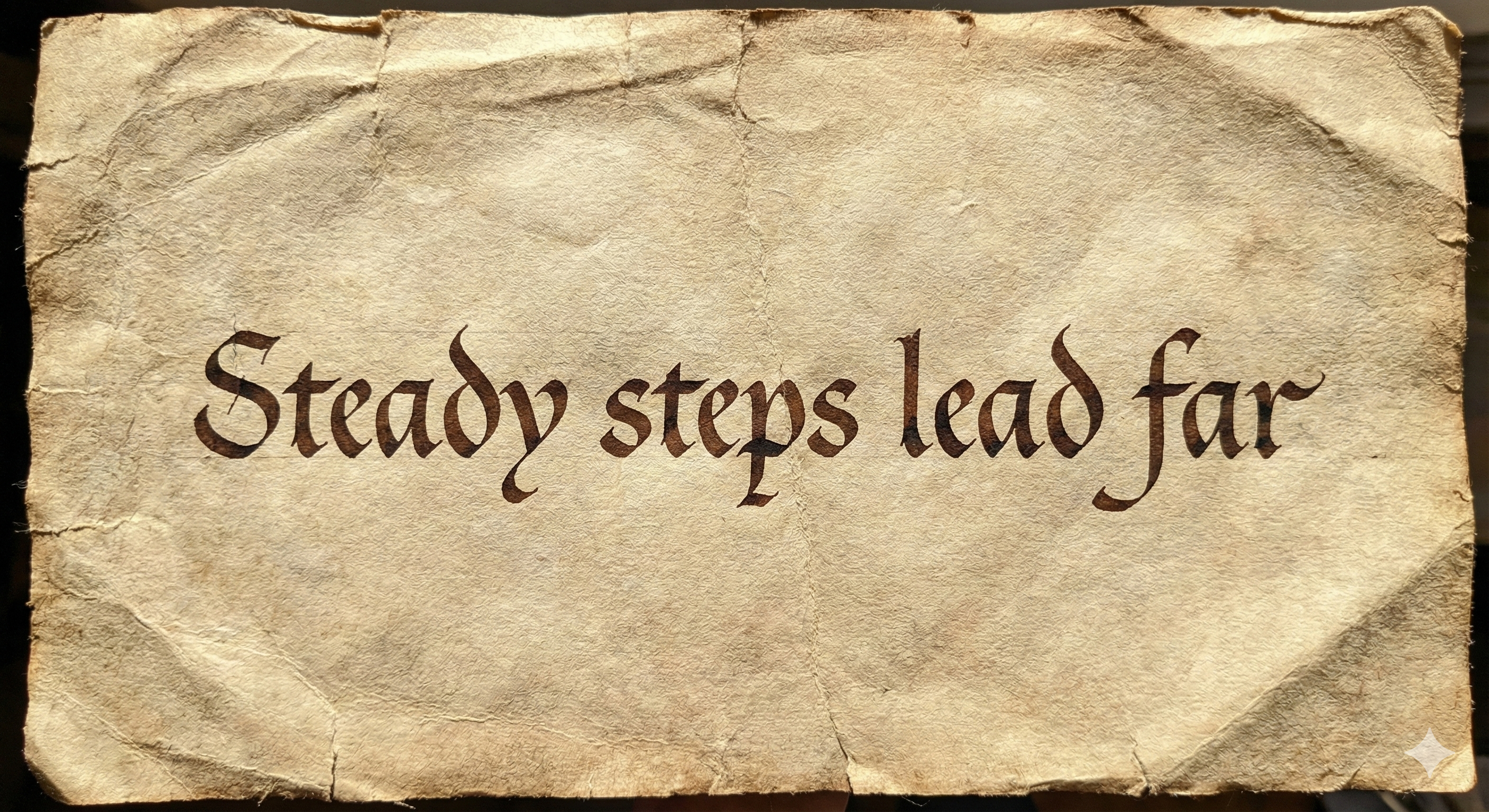
The calligraphy and engraving healing practice section is designed to accompany you after the "Breathing and Relaxation Techniques for Living with Anxiety," helping you practice steadily supporting yourself amidst anxiety. The practice doesn't specify what to write; simply feel yourself sitting firmly, putting down the pen, pausing, and putting it down, allowing your attention to return from compulsion or impulse to your hand, the paper, and your breath. Only do what you can manage. Let your hand and breath slow down. This is also a gentle practice. You are already taking care of yourself. Please take your time. It doesn't need to be perfect. Please take your time.

○ Art Therapy Guidance
The guided art therapy section invites you to gently externalize the feeling of breath, support, and companionship that accompanies your anxiety using colors, lines, or shapes. It doesn't need to be realistic, nor does it need to be explained to others; let vague emotions become observable images, helping you distance yourself from compulsions or impulses. Only do what you can bear in this moment. Let your feelings be seen gently. This is also a gentle practice. You are already taking care of yourself. Please take your time. It doesn't need to be perfect. Please take your time.
Please log in before submitting your drawings and feelings.

○ Diary Healing Suggestions
The journal section is for you to write down the most touching point from today's lesson, along with a small action you'd like to try, after the "Breathing and Relaxation Techniques for Living with Anxiety." You can record how you most want to get rid of anxiety when it arises. A small action could be practicing living with anxiety for a short while, taking a few breaths, and reminding yourself that discomfort doesn't equal danger. Please write truthfully, briefly, and in a way you can handle; it doesn't need to be shown to others. The important thing is to let your feelings be gently seen. If the risk increases, please contact offline professional resources first. Please allow yourself to slow down and only do what you can handle.
Please log in to use.
Today's exercise reminds us that recovery is not about immediately eliminating compulsions or impulses, but about gradually taking control of our lives back into our own hands through each moment of awareness, pause, and choice.