

Lesson 866: Establishing a Long-Term Mechanism for Relapse Prevention and Emotional Stability

Course duration:70 minutes
Some inner conflicts are difficult to articulate directly, yet they accumulate in the heart. This section will guide you to express repression, contradictions, anger, or resentment through art and creation. Creation isn't about aesthetics, but about providing a safe outlet for emotions, so they don't have to erupt to be seen. Don't rush. Take it slow. Please take your time. Take care of yourself first. Don't rush. Take it slow. Please take your time. Take care of yourself first. Don't rush. Take it slow. Please take your time. Take care of yourself first. Don't rush. Take it slow. Please take your time. Take care of yourself first. Don't rush. Take it slow. Please take your time. Take care of yourself first. Don't rush. Take it slow.
○ Course topic audio
Lesson 866: Establishing a Long-Term Mechanism for Relapse Prevention and Emotional Stability
Click to view the read-aloud text
Long-term stability isn't about enduring a single instance of impulse, but rather a supportive framework in your life. Sleep, diet, exercise, reflection, supportive contacts, and cooling-off periods can all serve as safeguards against relapse. Incorporating these into your daily routine isn't about restricting freedom, but about preventing you from being completely consumed by impulses when emotions run high. To build a long-term mechanism for preventing relapse and maintaining emotional stability, gently ask yourself three questions: When am I most often triggered? What is the minimum safe action I can take? How do I hope to respond without making things worse? Start today with a small exercise; don't set your goals too high. For example, observe only one impulse, delay it for only ten seconds, leave the scene for only one minute, or simply write down a sentence. Small goals aren't regression; they give your brain and body a chance to actually complete them. Completing one gives you more evidence: I'm not completely helpless. If you experience frustration, shame, or the urge to give up during the exercise, don't rush to criticize yourself. These reactions are common; they indicate you're addressing the strongest aspects of your old habits. You can stop, take a sip of water, relax your shoulders, and tell yourself: I feel bad right now, but I don't need to immediately follow my impulses. Change is usually not linear. Even if you do well today and then falter tomorrow, it doesn't mean all your previous efforts have been wasted. Every time you're willing to come back, every time you're willing to start anew, you're training for a new path. Focus on concrete actions, not on drawing conclusions for yourself. When it's over, give yourself a gentle ending. You can wash your hands, tidy your desk, write down a small progress note, or put the action card where it's easily accessible tomorrow. Let your body know that you've done something today, and that's something worth seeing. Take it slow; it's not about standing still, but about finally starting to move forward in a way that doesn't harm yourself or damage relationships. Carefully count these small efforts; they are helping you gradually regain control of your emotions. Remember, small practices are not perfunctory; they are giving your nervous system a chance to relearn. Just by pausing a little more today, by protecting yourself and your relationships, change is already happening.

AI Healing Q&A
Focusing on establishing a long-term mechanism to prevent relapse and maintain emotional stability, AI-powered healing Q&A accompanies learners through gentle questions and answers, helping them to clarify triggers, emotions, thoughts, and next steps. It does not replace professional treatment, but rather helps clarify feelings before and after impulsive actions, reducing shame and isolation. It also reminds us that recovery can begin gently, allowing the mind and body to gradually return to a stable state. It encourages us to preserve the small steps we can take today.

○ Music therapy guidance
If you have unspoken conflicts in your heart, let music guide you into a creative state. Don't pursue the work itself, and don't rush to explain your emotions. Let the melody release what's weighing you down; once your emotions have an outlet, they don't always have to wait until they explode to be seen. Calm down. Take your time. Don't rush. Come back to the present. Slow down. Calm down. Take your time. Don't rush. Come back to the present. Slow down. Calm down. Take your time. Don't rush. Come back to the present. Slow down. Calm down. Take your time. Don't rush. Come back to the present.

○East-West Healing Tea Drinks
Yunnan black tea has a bright red liquor, a rich and mellow flavor with a slight honey aroma, making it suitable for drinking in the afternoon when feeling tired, stressed, or needing to recharge. Instructions: Take 1 teaspoon of Yunnan black tea and steep in 95°C hot water for 5 to 6 minutes. You can add a little honey or lemon.
○ Healing Recipes
○ Tomato Mozzarella Bake
Roasted tomato mozzarella has a mellow sweet and sour flavor, with the tomatoes and cheese slowly blending together during baking, making it a perfect ingredient for long-term, relapse-prevention courses. It symbolizes that emotions can be handled gently, rather than erupting immediately, practicing stability and patience while waiting for the food to bake.
Open the healing recipe
◉ Mediterranean Diet · 126. Tomato Mozzarella Bake
I. Recommended Dietary Therapy and Reasons
Recommended dishes:Tomato Mozzarella Bake
Recommended reasons: Roasted tomato mozzarella has a mellow sweet and sour flavor, with the tomatoes and cheese slowly blending together during baking, making it a perfect ingredient for long-term, relapse-prevention courses. It symbolizes that emotions can be handled gently, rather than erupting immediately, practicing stability and patience while waiting for the food to bake.
2. Recipe and Method
Recipe (1–2 servings):
- 2 tomatoes
- 60g mozzarella cheese
- 1 teaspoon olive oil
- A little basil
- A pinch of black pepper
- A pinch of sea salt
practice:
- Cut the tomatoes into thick slices and place them in a baking pan.
- Top with mozzarella cheese.
- Drizzle with a little olive oil, and sprinkle with black pepper and sea salt.
- Bake at 190°C for 10–12 minutes.
- Sprinkle with basil after baking and serve.
3. Small rituals for body and mind
When preparing ingredients, slow down your movements and let your hands and attention enter a safe and orderly rhythm first.
While waiting for it to heat up or absorb flavor, remind yourself: I don't have to react immediately; I can give my body some time.
When taking the first bite, focus on the temperature, aroma, and texture, allowing the initial excitement to gradually subside.
4. Dietary Therapy Experience Record
- Record the time of consumption, whether it is breakfast, lunch, dinner, or a care session when impulses, fatigue, or anxiety are rising.
- Observe changes in satiety, physical relaxation, emotional stability, and impulse intensity within 30–60 minutes after consumption.
- Record whether this recipe helps you delay your reaction, stabilize your emotions, or more gently return to your bodily sensations.
V. Instructional Videos (approximately 3–5 minutes)
Video Title:Roasted Tomato Mozzarella - A Healing Recipe Tutorial
6. Precautions
- If you are allergic to any of the ingredients, please avoid consuming them or replace them.
- Those who are on a low-salt diet, control their sugar intake, or have significant stomach acid should adjust their seasoning.
- When baking food, pay attention to the heat to avoid burning it.
- It is not advisable to eat too quickly; it is recommended to chew slowly.
hint:This recipe is for daily physical and mental well-being and is not a substitute for any medical diagnosis or treatment. If you have food allergies, chronic diseases, are pregnant, are taking special medications, are on a low-salt diet, are controlling your blood sugar, or have other nutritional restrictions, please prioritize following the advice of your healthcare provider and nutritionist.
Mandala Viewing Healing
Inner conflicts are sometimes inexplicable, yet they accumulate within the body. When looking at a mandala, let different colors represent different emotions; there's no need to rank them or explain them. If they can be contained, they don't all have to erupt. Calm down. Don't rush. Take it slow. Come back to the present. Please take your time. Calm down. Don't rush. Take it slow. Come back to the present. Please take your time. Calm down. Don't rush. Take it slow. Come back to the present. Please take your time. Calm down. Don't rush. Take it slow. Come back to the present. Please take your time. Calm down.
● AI Dynamic Geometric Vision Focus and Emotion Regulation Engine ●
AI Dynamic Geometric Vision Focus and Emotion Regulation Engine · v7.0.0
Before we begin, I'd like to know how you feel right now.
There is no standard answer; just choose the one that best reflects how you feel right now.
The experience is over. Tell us how you feel now.
There is still no standard answer; just choose the one that best reflects how you feel right now.
#FF5252
After the fluorescent line crawling is completed and stopped, first select a color, then click on the closed area in the graphic to fill in the color.
AI Digital Mandala Interactive Focus Engine
A–Z Free Selection · Layered Lines · 60 Color Fills
AI Digital Mandala Static Focus EngineAZ Image Coloring · 60 Colors

○ Calligraphy and engraving therapy practice
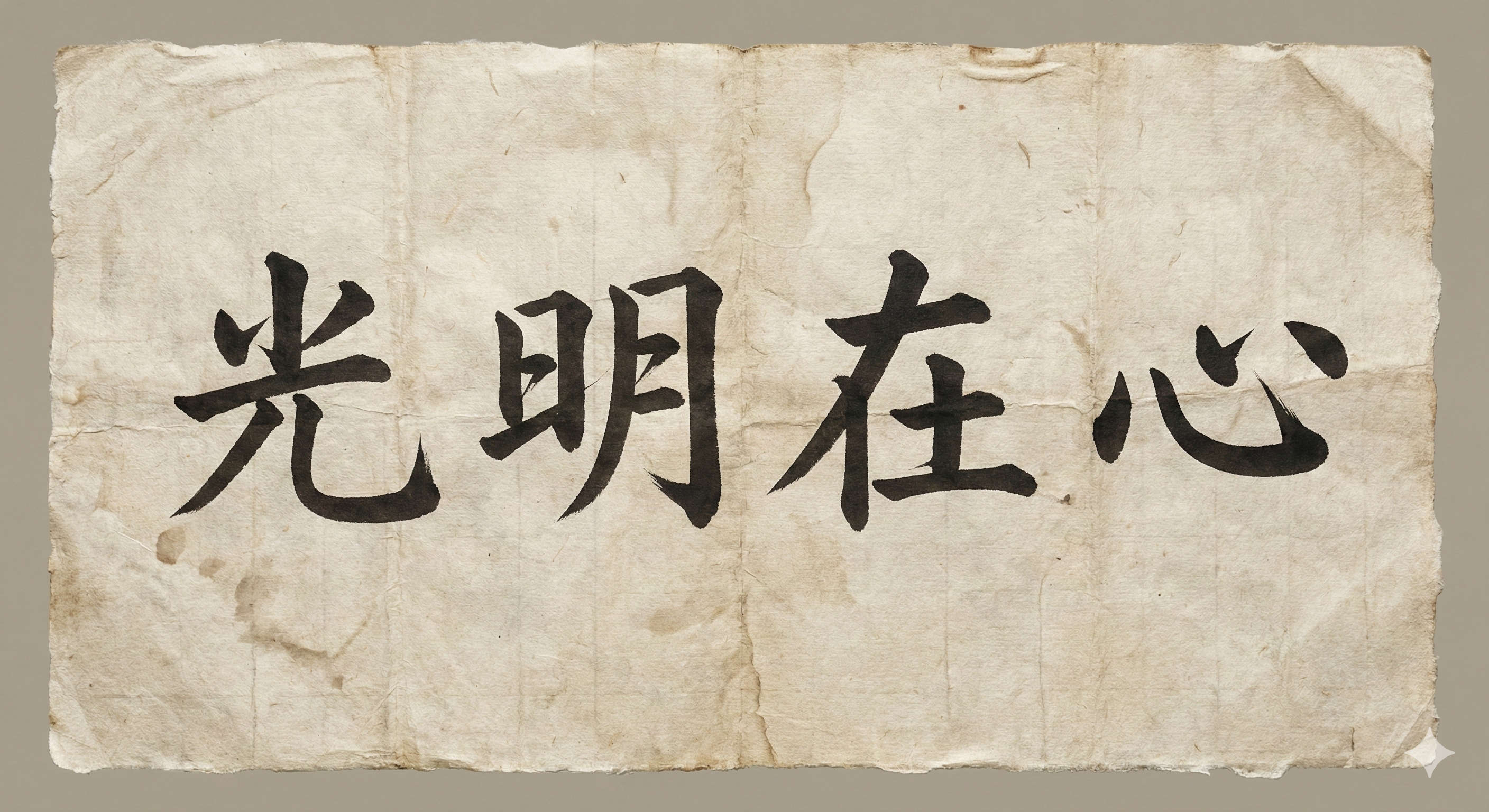
Some inner conflicts are unspoken, yet they accumulate within. When writing or engraving, you don't need to articulate them clearly; simply let your hand carry this complexity for a while. Emotions have an outlet, so they don't always have to wait until they explode to be seen. Calm down. Don't rush. Slow down. Come back to the present. Please take your time. Calm down. Don't rush. Slow down. Come back to the present. Please take your time. Calm down. Don't rush. Slow down. Come back to the present. Please take your time. Calm down. Don't rush. Slow down. Come back to the present. Please take your time.
○ Art Therapy Guidance
Some inner conflicts, if expressed too quickly, will create chaos; if suppressed, they will feel stifling. Art therapy allows these complex feelings to reside on paper first, without needing to be immediately articulated. Once emotions have an outlet, the inner turmoil usually eases, and breathing becomes more relaxed. Slow down. Don't rush. Calm down. Come back to the present. Please draw slowly. Slow down. Don't rush. Calm down. Come back to the present. Please draw slowly. Slow down. Don't rush. Calm down. Come back to the present. Please draw slowly. Slow down. Don't rush. Calm down. Come back to the present.
Please log in before submitting your drawings and feelings.

○ Diary Healing Suggestions
If you have an unspoken conflict in your heart, write down how you feel today, instead of explaining the reasons. Is it a knot, a pressure, an explosion, or just general chaos? Small actions can provide a safe outlet for this conflict, such as drawing, walking, breathing, or talking to someone. Please take your time. Take care of yourself first. Don't rush. Take it slow. After you finish writing, please breathe slowly. Please take your time. Take care of yourself first. Don't rush. Take it slow. After you finish writing, please breathe slowly. Please take your time. Take care of yourself first. Don't rush. Take it slow. After you finish writing, please breathe slowly. Please take your time. Take care of yourself first. Don't rush. Take it slow. After you finish writing, please breathe slowly.
Please log in to use.
May you gradually return to a more stable, clear-headed, and gentler version of yourself through today's practice.