

Lesson 901: Post-Traumatic Stress Disorder (PTSD) Course

Duration:70 minutes
Topic Introduction:Post-traumatic stress disorder (PTSD) is not weakness, nor is it overthinking; it's the body and mind striving to protect themselves after experiencing danger. Today, let's replace blame with understanding, recognize how PTSD affects memory, emotions, physical health, and relationships, and gradually shift our recovery from "What happened to me?" to "I am being cared for." We only need one step today. It's okay to go slowly. Take care of yourself first. Let your heart slowly calm down. Put safety first. You don't have to bear this alone. Small progress counts.
○ Course Topic Audio
Lesson 901: Post-Traumatic Stress Disorder (PTSD) Course
Click to view the read-aloud text
Post-traumatic stress disorder (PTSD) can make the past feel like it's still happening. A sound, smell, scene, date, or even a physical sensation can suddenly bring you back to the danger. You might have nightmares, sudden flashbacks, become unusually alert, easily startled, or avoid related people, places, and topics. Others might think the event is over, but your body is still trying to protect you. Laying things out is important to understand that traumatic memories are different from ordinary memories; they often come with strong physical reactions and unresolved fears. The order of recovery is crucial: don't force yourself to recount details right away, but first build a sense of security, learn to ground yourself, breathe properly, manage sleep, and identify triggers. Only after your body has a stable foundation should you gradually process memories, repair trust, and restore daily functioning. You're not overly sensitive, nor are you unwilling to let go; your post-traumatic reactions have their reasons. Please prioritize safety. If the memories are too intense, or you experience self-harm impulses, seek professional support immediately. Healing can be slow, but you don't have to bear it alone. The next focus is on creating a trigger list, but we won't force you to recount the entire trauma all at once. Triggers can come from sounds, smells, facial expressions, news, body postures, or even an anniversary. We'll take a slower approach and focus on three things after a trigger: confirm the current time and place, adjust your physical response, and choose a safe course of action. Trauma recovery also includes re-establishing daily routines, such as bedtime routines, diet, social boundaries, and work rhythm. If those around you want to help, ask fewer questions about details and more about "how can we be safer now?" When you can separate the past from the present, your body will be less controlled by old dangers. You deserve a life without constant vigilance. When life regains a sense of security, traumatic memories have a chance to be slowly processed. Don't rush to prove you're healed; being able to protect yourself is itself a form of recovery. You'll gradually understand that trauma recovery isn't about forgetting, but about preventing memories from constantly dragging you back to that time. The sense of security you have now will gradually bring the past back to the past. You can return slowly; you don't have to walk the entire path at once.

AI Healing Q&A
AI-powered healing Q&A helps learners understand that PTSD is not weakness, but rather a post-traumatic defense mechanism where the mind and body are still protecting themselves. When asking questions, describe your distress, physical reactions, and the support you most desire. The AI will gently organize clues and provide stable exercises, but it cannot replace a doctor or therapist. If there is a risk of self-harm, please seek help immediately. After the Q&A session, choose a small, stable exercise you can do today and record whether your body feels slightly more relaxed. Focus on understanding the recovery process; don't rush to prove you're healed.

○ Music therapy guidance
Choose a piece of stable, slow music without sudden drumbeats, and turn the volume up to just barely audible. While listening, don't recall the trauma; focus only on the melody and the sensation under your feet. If your body tenses up, gently tell yourself: I am here now, not in that moment anymore. If you feel tightness in your chest while listening, turn the music down and look at the colors and light around you. Healing begins with recognizing that you are being triggered, not demanding that you immediately become fearless. Doing just a little today is fine. There's no need to force yourself.

○Eastern and Western Healing Teas
○ Chrysanthemum and Goji Berry Tea: Chrysanthemum is refreshing and soothing, while goji berries are gentle and nourishing. It's suitable for calming the body when experiencing headaches, eye fatigue, or a feeling of heat after trauma. Take one spoonful each of chrysanthemum and goji berries, steep in hot water for 5–10 minutes, and drink 1–2 cups daily. Drink slowly, allowing the aroma to help you return to the present moment.
○ Healing Recipes
○ Mediterranean Diet - Greek Salad
Recommended dishes:Greek Salad Recommended reasons:This lesson helps you understand the nature of PTSD. Greek salad, made with tomatoes, cucumbers, purple onions, olives, feta cheese, and olive oil, is light and refreshing, a perfect way to give your body a clean, tangible, and reassuring boost after learning about trauma. It cannot cure PTSD, nor can it replace psychotherapy or medical care, but it can serve as a settling-in ritual after the lesson, reminding you that your body needs regular meals and deserves gentle care. Recipe (1–2 servings): practice: Before preparing this dish, please stop and observe your current state: are you tense, numb, tired, anxious after waking up, panicked after being triggered, or worried about your body's reaction? Please do not blame yourself; simply treat these reactions as signals that need to be gently recorded. Before eating, take three slow breaths, observe the color of the cup or bowl, and feel the support under your feet and in the chair. If you are experiencing intense flashbacks, panic, suicidal thoughts, severe insomnia, or a significant decline in function today, please prioritize safety, seeking help, and professional support before eating. Take your first bite slowly. Daytime meals can be combined with sunlight, short breaks, and light activity; evening meals should be portion-controlled to avoid overeating, excessive sweetness, or drinking too much water that may affect sleep. Video Title:Greek Salad: A healing recipe for stabilizing rhythms and gentle self-care, presented in a course supporting an understanding of the nature of Post-Traumatic Stress Disorder (PTSD). hint:If PTSD-related symptoms continue to worsen, significantly affecting sleep, work, interpersonal relationships, or diet, or are accompanied by intense fear, depression, dissociation, or self-harming thoughts, please contact an in-person doctor, psychologist, trauma therapist, or emergency resources promptly.Click to view healing recipes
◉ Mediterranean Diet - Greek Salad
I. Recommended Dietary Therapy and Reasons
2. Recipe and Method
3. Small rituals for body and mind
4. Dietary Therapy Experience Record
V. Instructional Videos (approximately 3–5 minutes)
6. Precautions
○Mandala Healing
When viewing this mandala, please don't immediately analyze whether you're right or wrong; simply observe the relationship between the center and the outer ring. Perhaps you'll discover that even amidst the chaos of trauma, there's still a part of you that wants to protect you. Let your gaze linger, reminding yourself: I am now learning to understand, not to blame. Take care of yourself first. Just a little today. No need to force it. Let your heart slowly return to normal. You are already on your way. Put safety first. Even a short pause counts. May you be treated with gentleness.
● AI Dynamic Geometric Vision Focus and Emotion Regulation Engine ●
AI Dynamic Geometric Vision Focus and Emotion Regulation Engine · v7.0.0
Before we begin, I'd like to know how you feel right now.
There is no standard answer; just choose the one that best reflects how you feel right now.
The experience is over. Tell us how you feel now.
There is still no standard answer; just choose the one that best reflects how you feel right now.
#FF5252
After the fluorescent line crawling is completed and stopped, first select a color, then click on the closed area in the graphic to fill in the color.
AI Digital Mandala Static Focus EngineAZ Image Coloring · 60 Colors
AI Digital Mandala Interactive Focus Engine
A–Z Free Selection · Layered Lines · 60 Color Fills

○ Calligraphy and engraving therapy practice
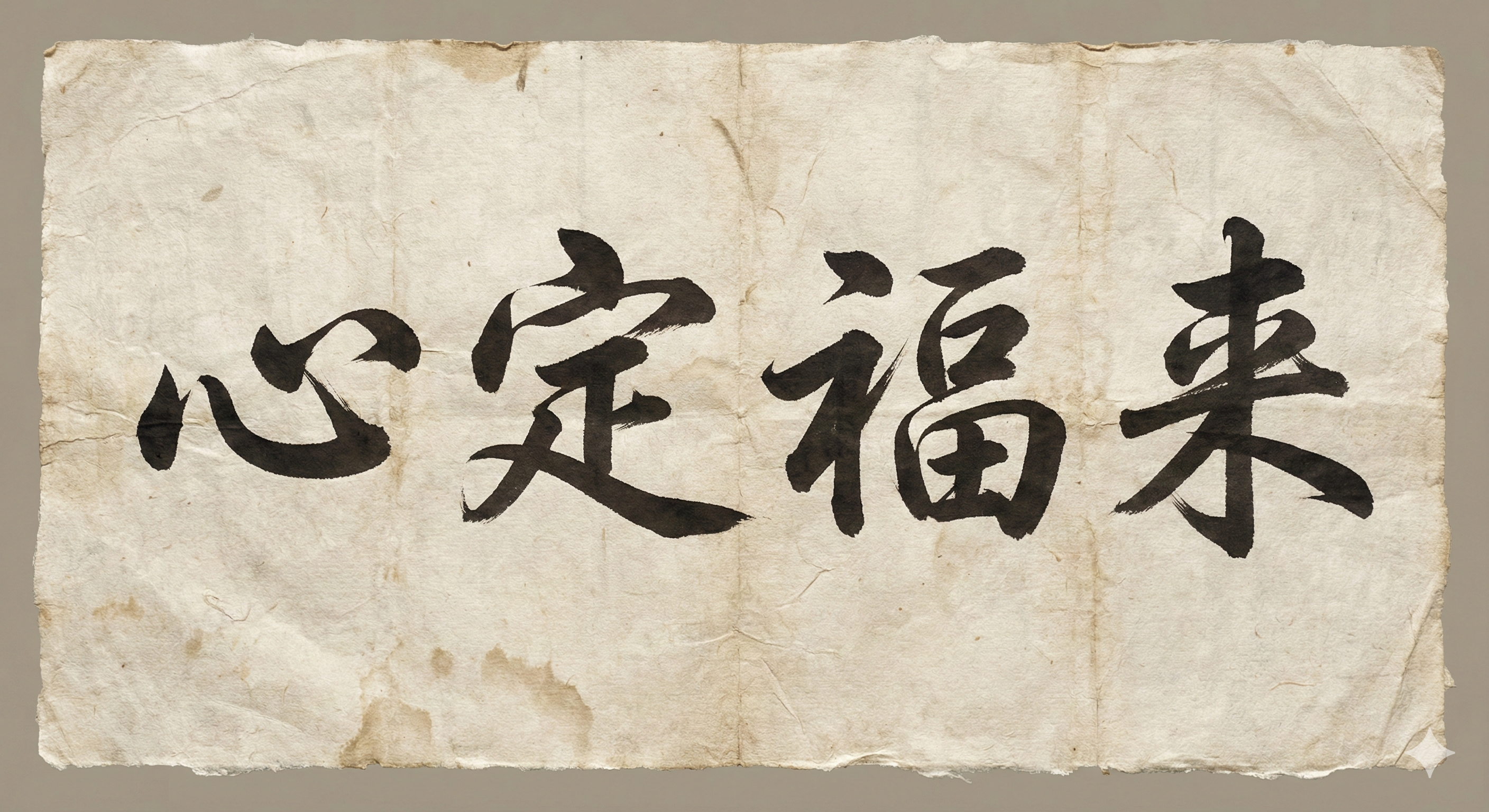
Today's calligraphy practice focuses solely on "slow" and "steady," without specifying particular words or phrases. Before putting pen to paper, feel your wrist, the paper, and your breath, letting your body know you are in the present moment. If blame arises in your heart, slow down a bit, using each stroke to help you re-understand your post-traumatic reaction. Take care of yourself first. Just a little bit today. No need to force it. Let your heart slowly calm down. Put safety first. Even a short pause counts. You are already on your way. It's okay to go slower.

○ Art Therapy Guidance
Today's art therapy doesn't require depicting the trauma itself; simply transform "what I'm going through" into colors, lines, or shapes. First, choose a color that brings you peace, then slowly draw your body's current state. It doesn't matter if it doesn't look exactly like the image; the key is to gently see the chaos in your heart. Take care of yourself first. Just a little today. No need to force it. Let your heart slowly calm down. Put safety first. Even a short pause counts. You're already on your way. It's okay to go a little slower.
Please log in before submitting your drawings and feelings.

○ Diary Healing Suggestions
Today's journal entry doesn't need to recount the entire experience; just record your new understanding of PTSD: which reactions weren't signs of weakness, but rather your mind and body protecting themselves? Also, write down the most noticeable physical sensation you're experiencing right now, and a small act of care you're willing to give yourself. Please use gentle language and avoid judging yourself. Take care of yourself first. Just a little today. No need to force it. Let your heart slowly calm down. Put safety first. Even a small record counts. You're already on your way. It's okay to go a little slower. May you be treated gently. Please take your time. Take care of yourself first. Just a little today.
Please log in to use.
May you gradually return to a more stable, clear-headed, and gentler version of yourself through today's practice.
This unit's comprehension test
After completing the lesson's main topic, you can access the corresponding lesson's comprehension test here.