
Lesson 988: The Relationship Between Psychological Adjustment Disorders and Stress Management

Duration:70 minutes
Topic Introduction:When stress exceeds one's physical and mental capacity, emotions and behaviors may become unbalanced. Adjustment disorders are closely related to stress management. This section helps learners understand the stress curve, learn to de-stress, break down tasks, and schedule recovery time to make life manageable again.
○ Course Topic Audio
Lesson 988: The Relationship Between Psychological Adjustment Disorders and Stress Management
Click to view the read-aloud text
Today we'll learn about the relationship between psychological adjustment disorders and stress management. Stress overload triggers alarms in emotions, the body, and behavior; adjustment disorders are often a signal of prolonged overload. Many people, when experiencing change, rush to demand immediate recovery or blame themselves for not being strong enough. In reality, adaptation takes time. Emotional fluctuations, physical tension, and disruptions to sleep and activity are often signals that the mind and body are re-establishing balance. Put aside judgment and give yourself a more gentle perspective. Today, try categorizing tasks into four types: must-do, can be postponed, can be asked for help, and can be left undone. Each reduction in unnecessary burdens gives the nervous system more room to recover. Don't strive for immediate improvement during practice; instead, focus on seeing more of the underlying structure amidst the chaos. You can also choose a minimal action, such as eating on time, taking a short walk, contacting a trusted person, or getting some rest. If you experience intense emotions, suicidal thoughts, or are unable to maintain basic living standards, contact professionals or local crisis support resources immediately. Adaptation isn't about enduring until numbness sets in; it's about slowly restoring rhythm in a safe, understanding, and supportive environment. May you feel less self-blame and more care in your studies today; less impatience and more patience. You are going through difficulties, but difficulties do not define you. As long as you are willing to start with a small action, stability will gradually return to your life. If you find yourself wanting to recover while also feeling resistant, please don't see this contradiction as a regression. Change can loosen old senses of security, and a new way of life is not yet fully established, so wavering, hesitation, and fatigue are all possible. You can treat today as a gentle stop: first, confirm that you are still here, then confirm what can still be done. Every small confirmation helps your nervous system to believe again that life can still be organized. Don't rush to prove that you are okay, and you don't need to explain everything to anyone. Just be with yourself in this moment. If you find yourself wanting to recover while also feeling resistant, please don't see this contradiction as a regression.

AI Healing Q&A
The AI-powered healing Q&A section helps learners identify stress overload points, break down tasks, reduce workload, and schedule breaks that allow the body to recover. When interacting, please describe the specific event, your thoughts at the time, your physical sensations, and the help you need. The AI will assist with processing your information with gentle questions and suggest actionable small actions, but it cannot replace doctors, psychologists, or crisis intervention. If there is a risk of self-harm or if the condition continues to worsen, please contact offline professional resources immediately. After the Q&A session, please record one small action you can take today.

○ Music therapy guidance
You can choose slow-paced drumbeats or low-frequency ambient music to help your body feel grounded. While listening, imagine your stress as items that can be layered and set aside one by one. Don't force yourself to carry everything; just practice gently letting go of the heaviest part of today. After listening, write down the part of your body that felt most relaxed, giving yourself a little encouragement. Don't judge it as good or bad; just allow yourself a moment of gentle companionship. If your emotions are still fluctuating, take a sip of water and take it slow.

○Eastern and Western Healing Teas
○ Eastern and Western Healing Teas
Eastern Healing Tea
Biluochun
Introduction: Biluochun is a specialty green tea from Jiangsu Province, named for its snail-like shape and emerald green color. It has a fragrant and mellow taste. Biluochun is rich in tea polyphenols, amino acids, vitamin C, and other components, and has the effects of clearing heat and detoxifying, anti-oxidation, and reducing lipids and aiding weight loss. Its unique floral aroma and refreshing taste make it stand out among green teas.
Instructions: Take 1 teaspoon of Biluochun tea leaves and place them in warm water (approximately 75-80°C). Steep for 2-3 minutes. Drink 1-2 cups daily, especially suitable for hot summer days, as it is refreshing, thirst-quenching, and helps relax the mind and body.
○ Healing Recipes
108. Yogurt Honey Bowl
The recommended recipe for this lesson is: 108. Yogurt Honey Bowl. Please click the "Click to view healing recipe" button below to open the full recipe page, where you can view the recipe, instructions, mind-body rituals, experience notes, instructional videos, and precautions.
Recipe file:
u27_lesson_988_recipe_108.html
○Mandala Healing
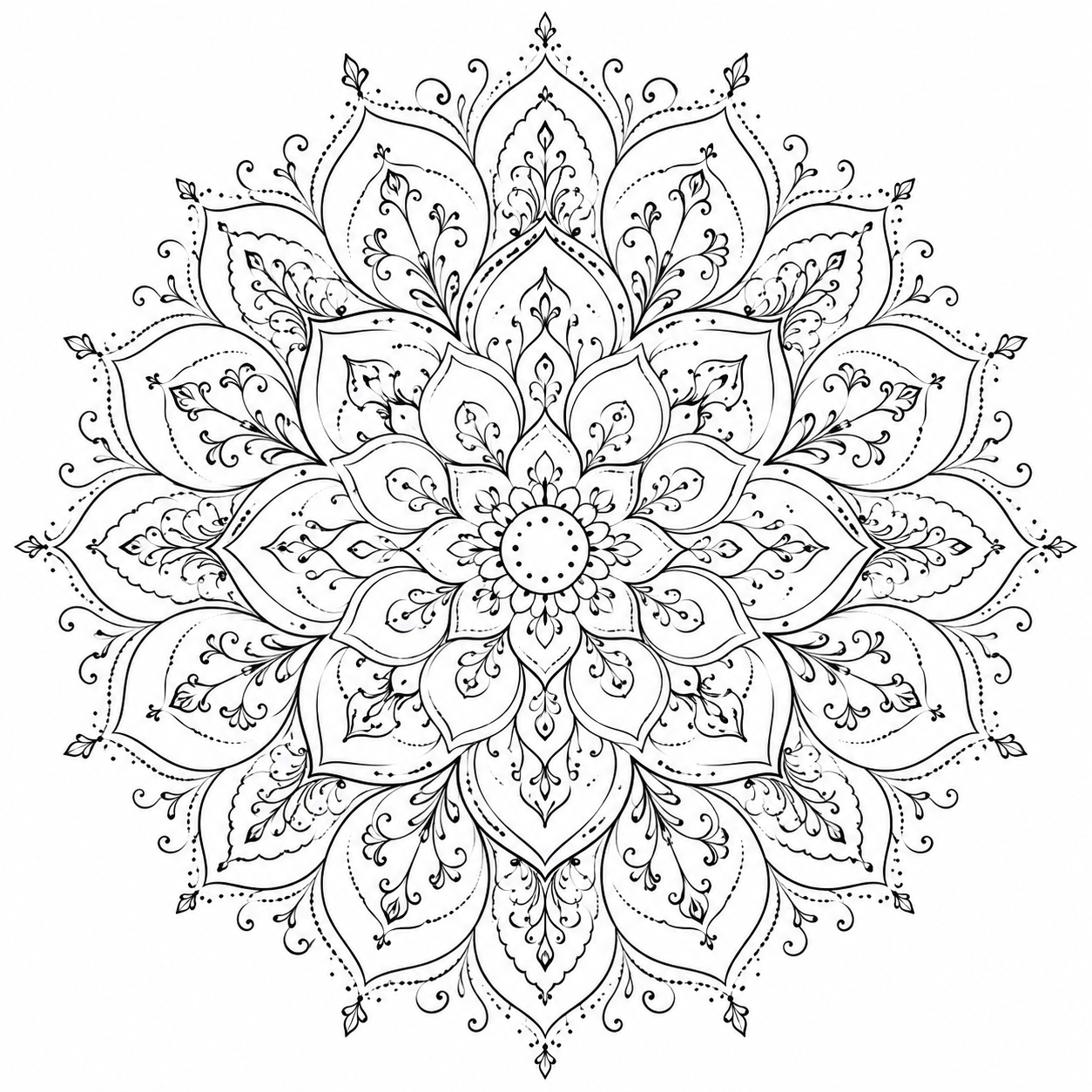
Please observe the mandala's layers from the outside in, imagining the pressure being separated and neatly arranged layer by layer. Not all problems need to be solved at once. You can first see the heaviest layer, then gently choose the one you can address today. After viewing, please look away from the screen, blink gently, and record the most peaceful part of your body at this moment. There's no need to judge whether you did well or not; just acknowledge that you are taking care of yourself in this moment. If your emotions are still fluctuating, that's okay too. Please take a sip of water and give yourself some time to calm down.
● AI Dynamic Geometric Vision Focus and Emotion Regulation Engine ●
AI Dynamic Geometric Vision Focus and Emotion Regulation Engine · v7.0.0
Before we begin, I'd like to know how you feel right now.
There is no standard answer; just choose the one that best reflects how you feel right now.
The experience is over. Tell us how you feel now.
There is still no standard answer; just choose the one that best reflects how you feel right now.
#FF5252
After the fluorescent line crawling is completed and stopped, first select a color, then click on the closed area in the graphic to fill in the color.
AI Digital Mandala Static Focus EngineAZ Image Coloring · 60 Colors
AI Digital Mandala Interactive Focus Engine
A–Z Free Selection · Layered Lines · 60 Color Fills
○ Calligraphy and engraving therapy practice
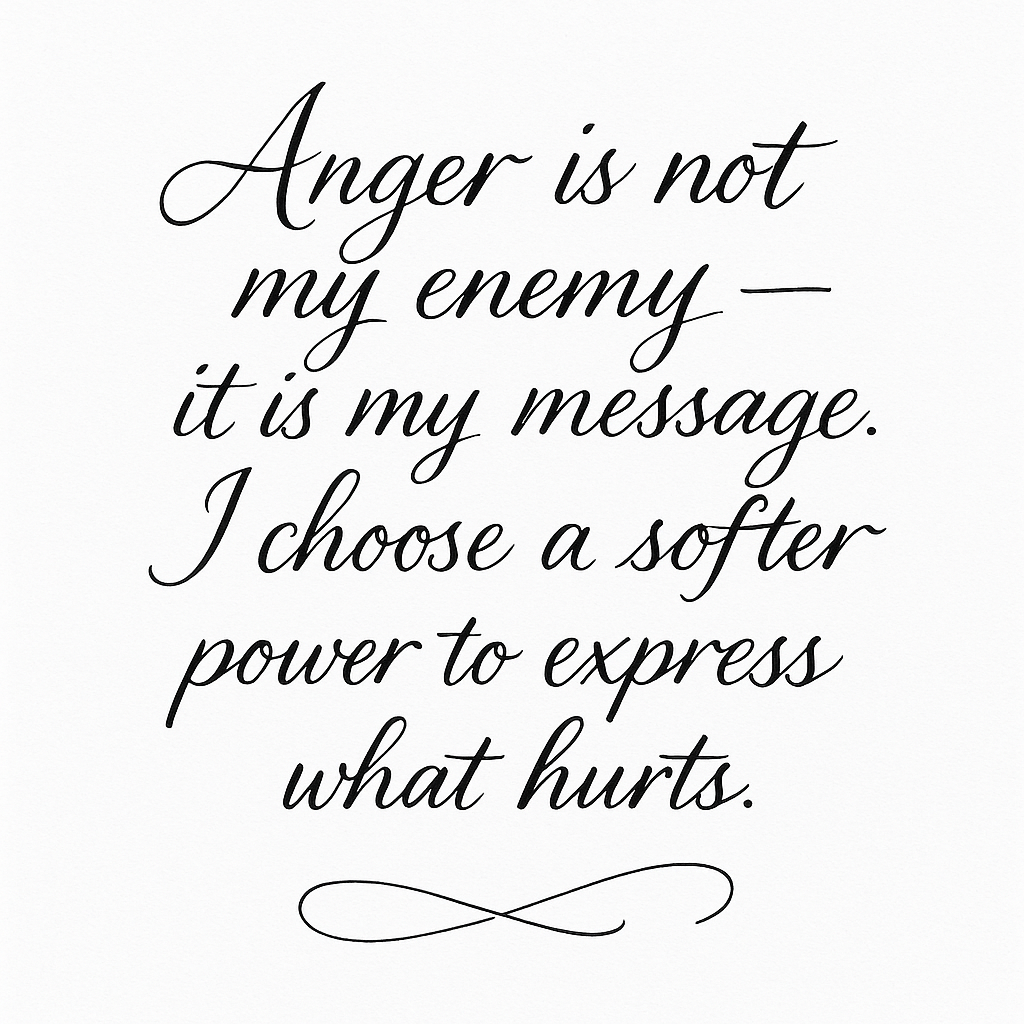
Use writing practice to help stratify your stress. Each stroke should only address the immediate issue, not the entire problem. When you feel overwhelmed, slow down your movements, feeling the resistance of the paper and the support of your hand. This practice reminds you that stress can be managed gradually, not all at once. After finishing your practice, put down your tools, gently move your fingers, and record the most relaxed part of your body. Don't judge it as good or bad; just recognize that you've completed a gentle, supportive exercise. Take your time. Take your time.

○ Art Therapy Guidance
Please depict your stress as a layered image. Use color and distance to represent which parts are heaviest and which can be temporarily set aside. Painting isn't about solving everything, but about helping you see the overload clearly, allowing you to focus on one aspect at a time. After finishing, step back and observe, noting the calmest spot in the image. Don't judge it as good or bad; simply see that your emotions have been gently placed on the paper. If you still feel emotional, that's okay. Take a sip of water and take your time. Please take your time.
Please log in before submitting your drawings and feelings.

○ Diary Healing Suggestions
Please record the most helpful point of today: stress can be broken down, and it doesn't have to be all bottled up inside. Write down your heaviest stressor right now. Then write down one small action you're willing to try, such as breaking a task into three steps, postponing non-urgent tasks, or asking someone for help with part of it. After writing, please read it through gently, without rushing to revise, just thank yourself for being honest and staying still. If you can only write a little today, that's perfectly fine; honesty is more important than completeness. Please schedule this small action for today or tomorrow, making the care concrete and achievable. May this record be a gentle guide for you to return to yourself.
Please log in to use.
May you gradually return to a more stable, clear-headed, and gentler version of yourself through today's practice.
This unit's comprehension test
After completing the lesson's main topic, you can access the corresponding lesson's comprehension test here.