
Lesson 989: How to Distinguish Between Adjustment Disorders and Depression

Duration:70 minutes
Topic Introduction:Both adjustment disorder and depression can present with low mood, fatigue, and loss of interest, but they differ in their triggers, duration, symptom depth, and functional impairment. This section helps learners initially distinguish between the two and also reminds them to seek professional evaluation promptly when unsure.
○ Course Topic Audio
Lesson 989: How to Distinguish Between Adjustment Disorders and Depression
Click to view the read-aloud text
Today we'll learn how to differentiate between adjustment disorder and depression. While adjustment disorder and depression share similar symptoms, they can differ in triggers, duration, symptom depth, and functional impairment, requiring careful differentiation. Many people, when experiencing change, rush to demand immediate recovery or blame themselves for not being strong enough. In reality, adaptation takes time. Mood swings, physical stress, and disruptions to sleep and activity are often signals that the mind and body are re-establishing balance. Put aside judgment and give yourself a gentler perspective. Observe whether the low mood is related to a specific event, whether it lessens with support and problem relief, and whether prolonged despair, intense feelings of worthlessness, or self-harming thoughts occur. If unsure, seek professional evaluation. Don't strive for immediate improvement during practice; instead, focus on identifying the underlying issues amidst the chaos. You can also choose a minimal action, such as eating on time, taking a short walk, contacting a trusted person, or getting some rest. If emotions are very intense, self-harming thoughts arise, or you are unable to maintain basic living standards, contact a professional or local crisis support resources immediately. Adaptation isn't about enduring until numbness sets in; it's about slowly restoring rhythm in a safe, understanding, and supportive environment. May you feel less self-blame and more care in your studies today; less impatience and more patience. You are going through difficulties, but difficulties do not define you. As long as you are willing to start with a small action, stability will gradually return to your life. If you find yourself trying to recover while also feeling resistant, please don't see this contradiction as regression. Change can loosen old senses of security, and a new way of life is not yet fully established, so wavering, hesitation, and fatigue are all possible. You can treat today as a gentle stop: first, confirm that you are still here, then confirm what can still be done. Every small confirmation helps your nervous system to believe again that life can still be organized. Don't rush to prove that you are okay, and you don't need to explain everything to anyone. Just be with yourself in this moment.

AI Healing Q&A
The AI-powered healing Q&A section helps learners compare the triggers, persistence, core symptoms, and timing of seeking help for adjustment disorder and depression. When interacting, please describe the specific event, your thoughts at the time, your physical sensations, and the help you need. The AI will assist in organizing your thoughts with gentle questions and suggest actionable small actions, but it cannot replace doctors, psychologists, or crisis intervention. If there is a risk of self-harm or your condition continues to worsen, please contact offline professional resources promptly. After the Q&A session, please record one small action you can take today.

○ Music therapy guidance
I suggest listening to clear, quiet, and not overly sad piano melodies to help you identify the source of your low mood. When you hear something that confuses you, remind yourself that whether it's difficulty adapting or feelings of depression, it deserves to be taken seriously. Music helps you pause and prepares you to seek support. After listening, write down the part of your body that feels most relaxed, giving yourself a little encouragement. Don't judge it as good or bad; just allow yourself a moment of gentle companionship. If your emotions are still fluctuating, please take a sip of water and take it slow.
○Eastern and Western Healing Teas
○ Eastern and Western Healing Teas
Eastern Healing Tea
Chrysanthemum and wolfberry tea
Introduction: Chrysanthemum and goji berry tea is a traditional Chinese herbal beverage with heat-clearing and detoxifying properties, relieving eye fatigue, and calming the mind. Chrysanthemum effectively alleviates headaches and dry eyes caused by emotional stress, while goji berries help nourish the liver and kidneys and boost immunity. The combination helps clear internal heat toxins and relieve discomfort caused by anxiety and stress. Chrysanthemum and goji berry tea can also be used in similar formulas, focusing on clearing the liver and improving eyesight, nourishing the liver and kidneys, and helping to relieve eye fatigue and physical discomfort caused by stress.
Instructions: Place one spoonful each of chrysanthemum and goji berries in a teapot, add hot water, and steep for 5-10 minutes. Drink 1-2 cups daily. This is especially suitable for prolonged periods of screen time or periods of high stress, helping to relax the eye and head muscles. Alternatively, steep one teaspoon of goji berries and a few chrysanthemum flowers in hot water for 5-10 minutes, add honey to taste, and then drink.
○ Healing Recipes
109. Peppers with Feta
The recommended recipe for this lesson is: 109, Peppers with Feta. Please click the "Click to view healing recipe" button below to open the full recipe page, where you can view the recipe, instructions, mind-body rituals, experience notes, instructional videos, and precautions.
Recipe file:
u27_lesson_989_recipe_109.html

○Mandala Healing
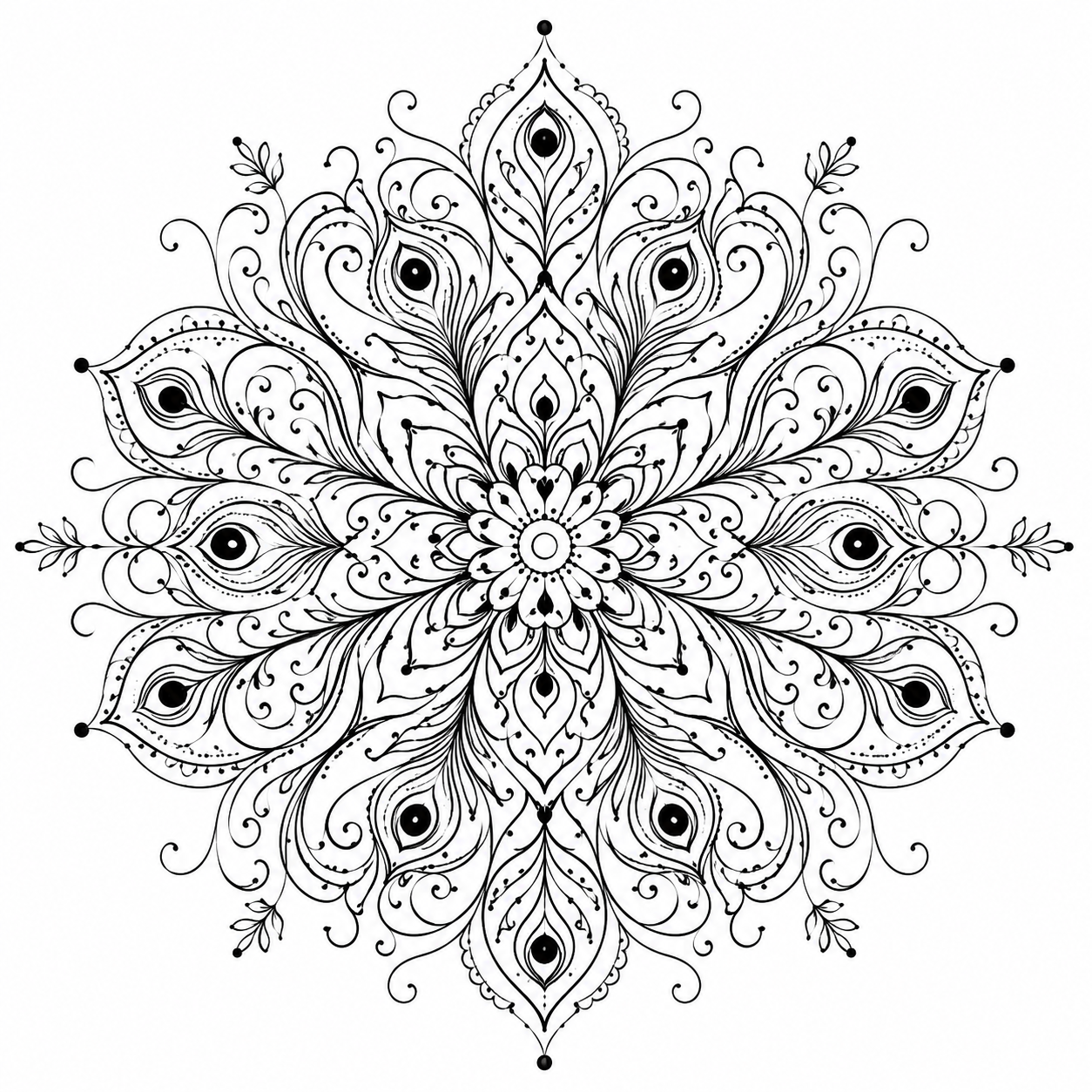
When viewing mandalas, don't rush to judge the colors as good or bad; simply observe the differences between them. This gentle clarity is also needed when distinguishing between adjustment disorder and feelings of depression. All suffering deserves to be taken seriously. After viewing, please look away from the screen, blink gently, and record the most peaceful part of your body at that moment. There's no need to judge whether you did well or not; simply acknowledge that you were taking care of yourself in this moment. If your emotions are still fluctuating, that's okay too. Please drink a sip of water and give yourself some time to slow down.
● AI Dynamic Geometric Vision Focus and Emotion Regulation Engine ●
AI Dynamic Geometric Vision Focus and Emotion Regulation Engine · v7.0.0
Before we begin, I'd like to know how you feel right now.
There is no standard answer; just choose the one that best reflects how you feel right now.
The experience is over. Tell us how you feel now.
There is still no standard answer; just choose the one that best reflects how you feel right now.
#FF5252
After the fluorescent line crawling is completed and stopped, first select a color, then click on the closed area in the graphic to fill in the color.
AI Digital Mandala Static Focus EngineAZ Image Coloring · 60 Colors
AI Digital Mandala Interactive Focus Engine
A–Z Free Selection · Layered Lines · 60 Color Fills

○ Calligraphy and engraving therapy practice
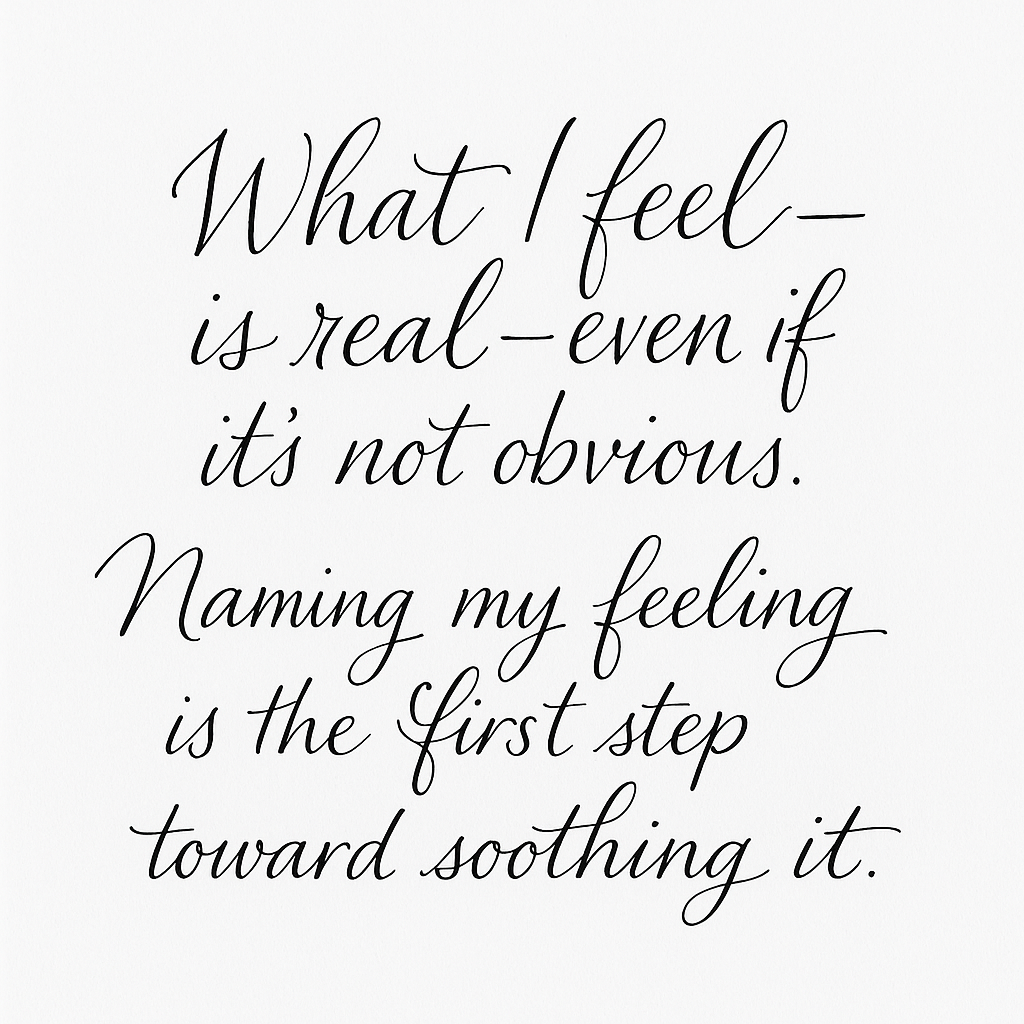
In this lesson's exercises, please maintain a gentle, observant attitude. When writing, do not judge the quality of the lines; simply observe how they appear, pause, and extend. Distinguishing between different psychological states also requires this clarity and patience. You don't need to rush to label yourself; simply take care of the pain. After finishing the exercise, please put down your tools, gently move your fingers, and record the most relaxed part of your body. There's no need to judge whether it's good or bad; just recognize that you have completed a gentle companionship. Please take your time. Please take your time.

○ Art Therapy Guidance
Please use two different sets of visual elements to represent the difficulty in adapting and a deeper sense of depression. No diagnosis is needed; simply observe the differences gently. Colors, shapes, and boundaries will help you see the layers of your state and remind you that any pain deserves to be carefully addressed. After finishing, take a step back and look at the image, noting the quietest part. There's no need to judge whether it's good or bad; just see that your emotions have been gently placed on paper. If you still feel emotional, that's okay. Take a sip of water and take it slow. Please take it slow.
Please log in before submitting your drawings and feelings.

○ Diary Healing Suggestions
Please write down what touched you most today: Adjustment disorder and depression need to be gently distinguished, but both kinds of suffering deserve to be taken seriously. Record one warning sign that worries you the most. Write down a small action, such as continuing to observe changes, reducing self-scaring, or seeking professional evaluation. After writing, please read it gently, without rushing to revise, simply thanking yourself for being honest and staying still. If you can only write a little today, that's perfectly fine; honesty is more important than completeness. Please schedule this small action for today or tomorrow, making care concrete and feasible. May this record be a gentle guide for you to return to yourself.
Please log in to use.
May you gradually return to a more stable, clear-headed, and gentler version of yourself through today's practice.
This unit's comprehension test
After completing the lesson's main topic, you can access the corresponding lesson's comprehension test here.