

Traditional Mandala Course (Supplementary Course)
Traditional mandalas originate from ancient religious and philosophical systems, emphasizing the expression of the unity of the universe and the mind through geometric structures and symmetrical order. The process of drawing a mandala is considered a form of meditation, helping people regain a sense of center and focus amidst chaos and anxiety, and reconnecting with inner peace and power.
Lesson A: Traditional Mandala Course: Drawing the Perfection and Order of the Mind 🎧 Click to watch/listen to the reading
Welcome to the healing journey of traditional mandala art. Here, we don't teach you how to become a painter, but how to become the architect of your own mind. Mandala, meaning "circle" or "gathering" in Sanskrit, transcends cultural and temporal boundaries. From Eastern mandalas to Western church windows, from the cellular structure of nature to the movement of galaxies in the universe, this sacred circular totem is ubiquitous. The psychological giant Carl Jung discovered in his long-term clinical practice that drawing mandalas has a powerful function of integrating personality and calming emotions. It is a developer of the subconscious, transforming intangible psychological states into visible images. Mandala painting is hailed as "meditation on paper." In the fast-paced modern life, our senses are constantly drawn to the external world, and our energy is dissipated. By drawing mandalas, we draw our energy inward. The moment the compass needle pierces the paper, it is the establishment of a stabilizing force. No matter how noisy the external environment, as long as the center remains still, all changes do not deviate from the fundamental principle. This orderly expansion from the center to the periphery simulates the laws of the universe's creation and symbolizes the natural flow of life force. This course is divided into three core phases. The first phase is "Reconstructing Order." We will return to tradition, using only a compass, ruler, and pencil, starting from a single point in the center to construct classic and sacred geometric shapes such as the Flower of Life and the Metatron Cube. In this era full of uncertainty, the rigorous logic of geometry can bring a deep sense of security and order to the heart. Every precise stroke is an ultimate refinement of focus, helping you to detach from chaotic thoughts and regain a sense of control. The second phase is "Dialogue with Color." On the black and white framework, we will use color psychology to guide you to listen to the voice of your intuition. Should you choose a passionate red or a tranquil blue? Every color choice is a message from the subconscious. We will learn how to release pent-up emotions and transform negative energy through coloring, making color a healing catalyst. The third phase is "Integration of the Self." Completing the artwork is not the end; we will guide you to interpret the artwork and engage in self-dialogue. Looking at the perfect circle radiating outwards from the center, you'll be surprised to discover that inner conflicts can be resolved on paper, and a broken self can be pieced back together. This course is suitable for anyone yearning for inner peace, hoping to improve focus, or experiencing anxiety and stress. Remember, as long as the center remains undisturbed, the circle itself remains undisturbed; as long as your heart is at peace, external storms cannot shake you. Now, let's pick up our brushes together and, in this pure land, create your own life mandala, embarking on a journey of wisdom that illuminates the five aggregates and reveals the true nature of mind.
▲ AI Interaction: How does your heart feel when you focus on drawing a circle?
Click the button below to explore the relationship between "order" and "meditation" with AI, and let the repetition of geometry become the rhythm of meditation.
II. The Core Value and Application of Traditional Mandalas
- Stabilize your emotions:Through repetitive patterns and a central gaze, the mind is helped to return from chaos to peace.
- Establishing a sense of order:Geometric structures symbolize inner balance and harmony in the world.
- Meditation Practice:Experience the connection between "focus, stillness, and awareness" during the drawing process.
- Art Therapy:Let reason and emotion blend in the same painting to create inner harmony.
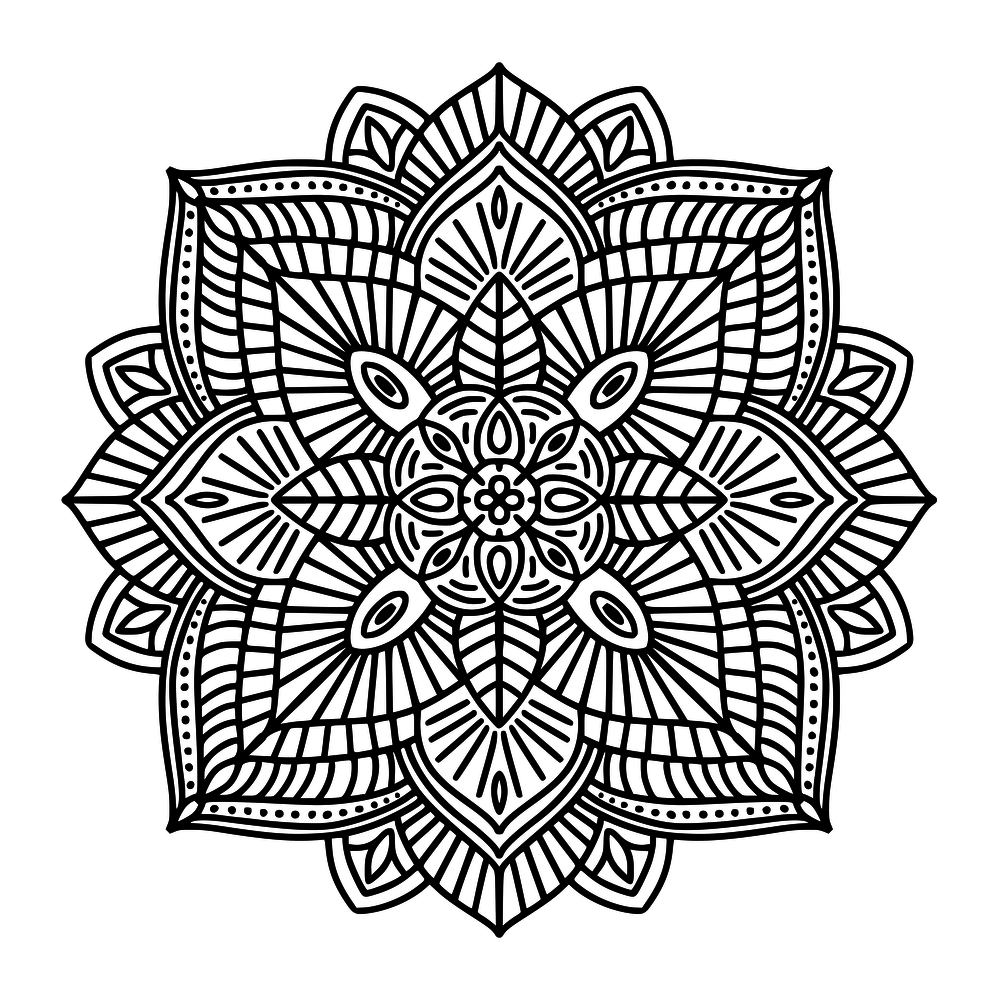

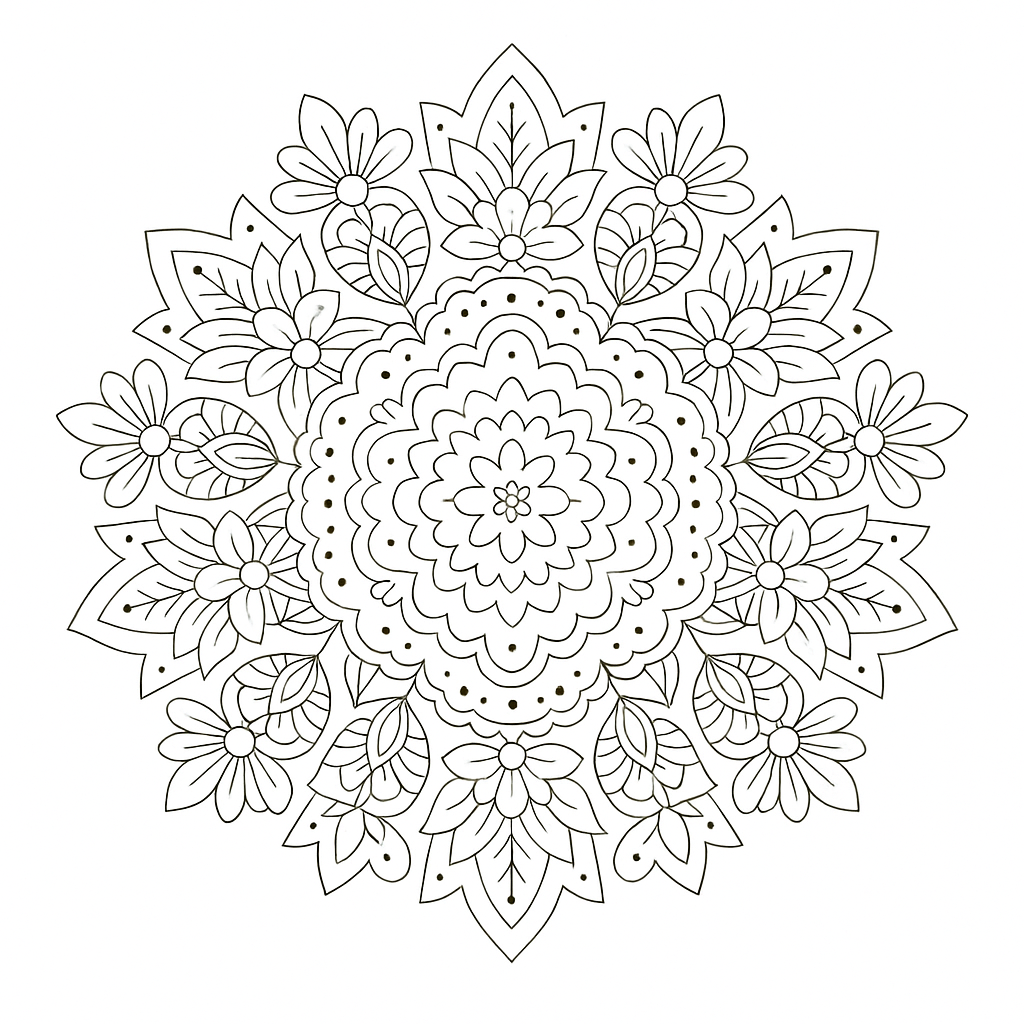
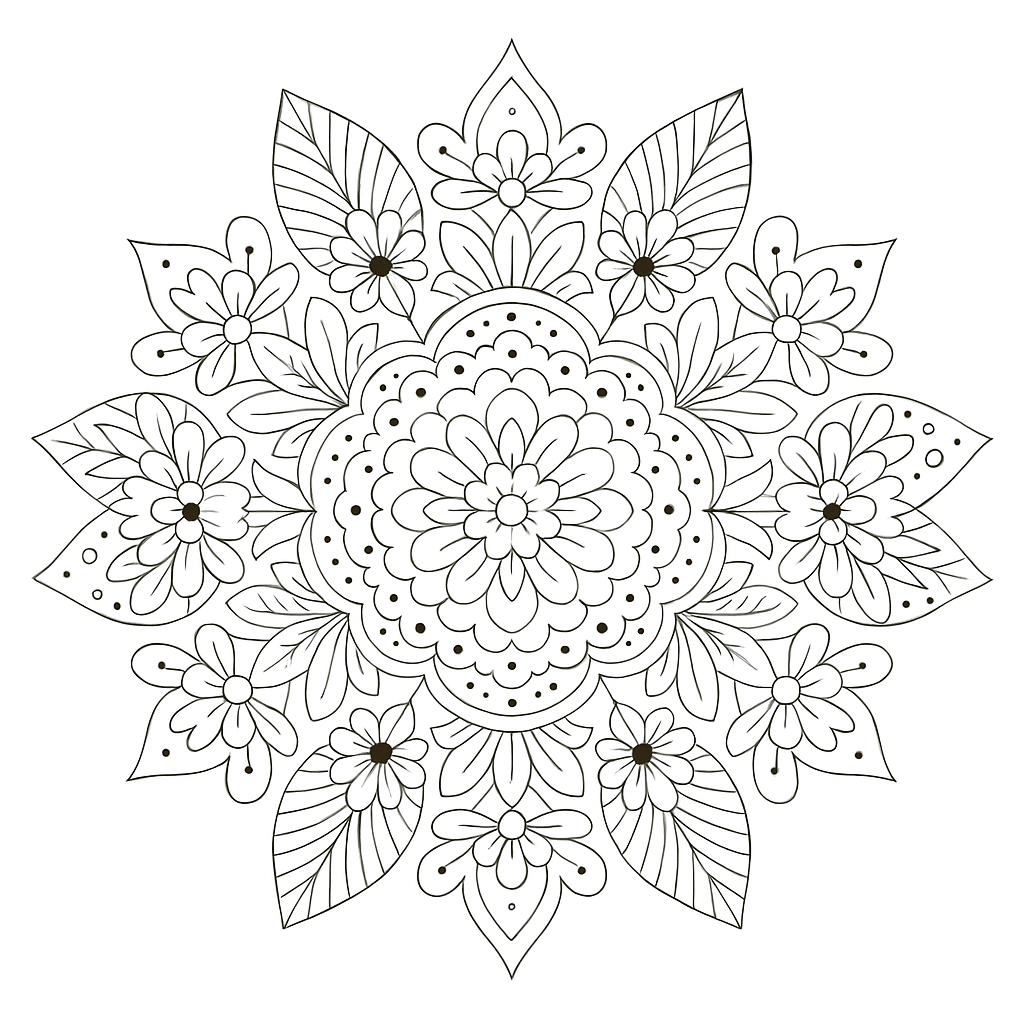
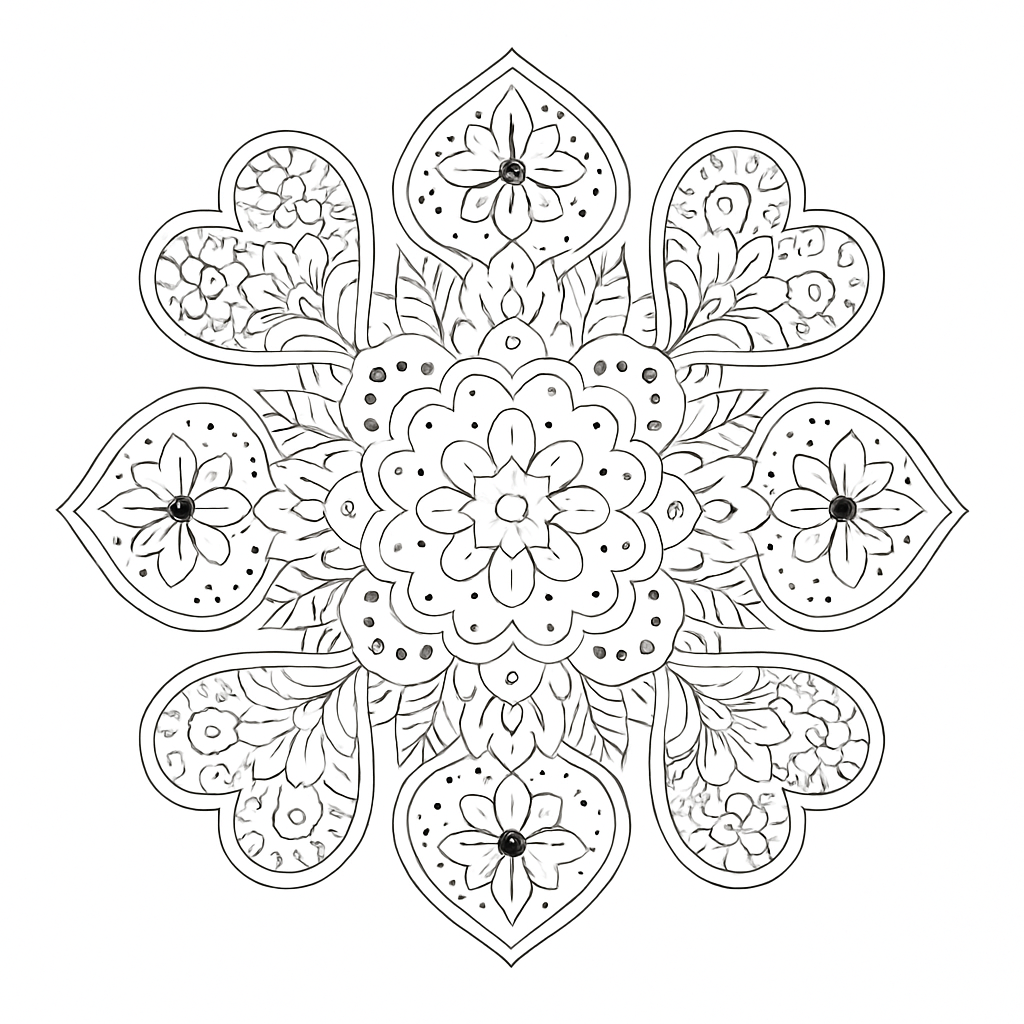
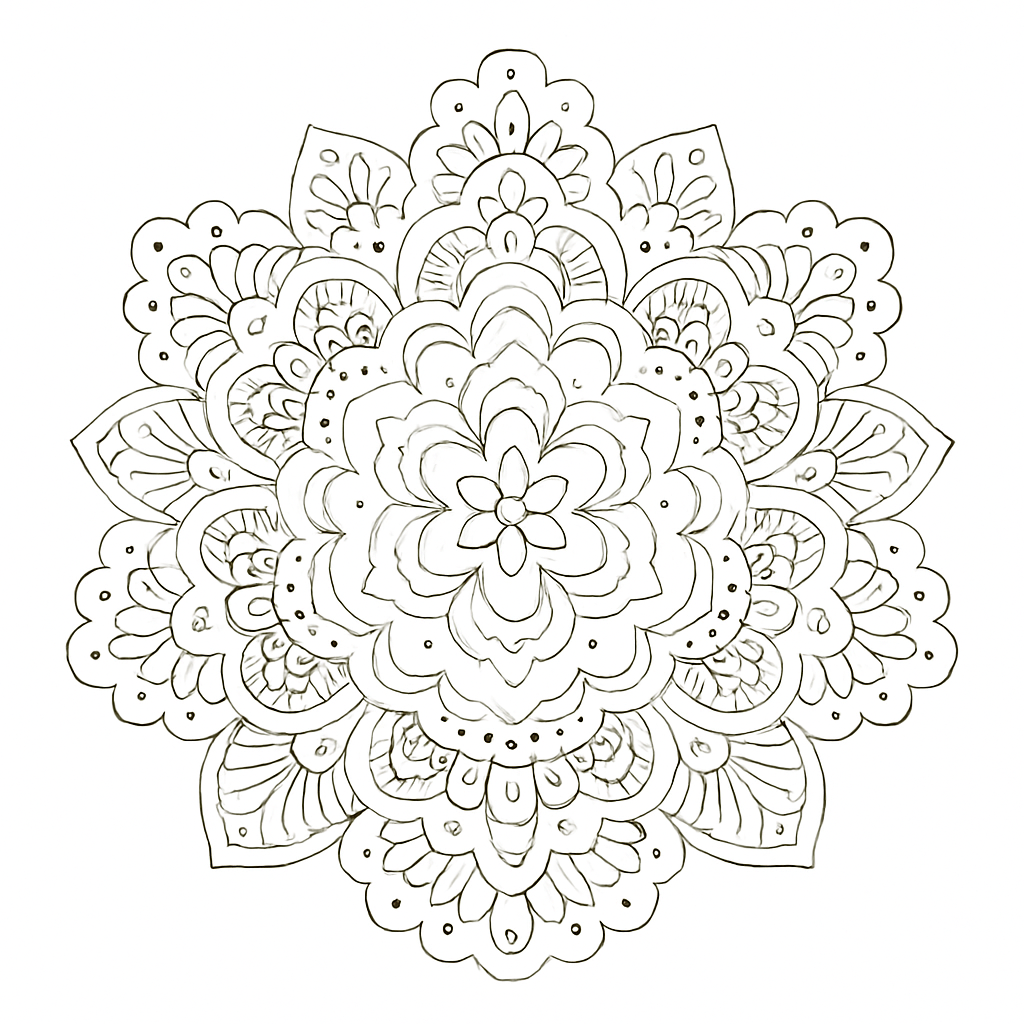
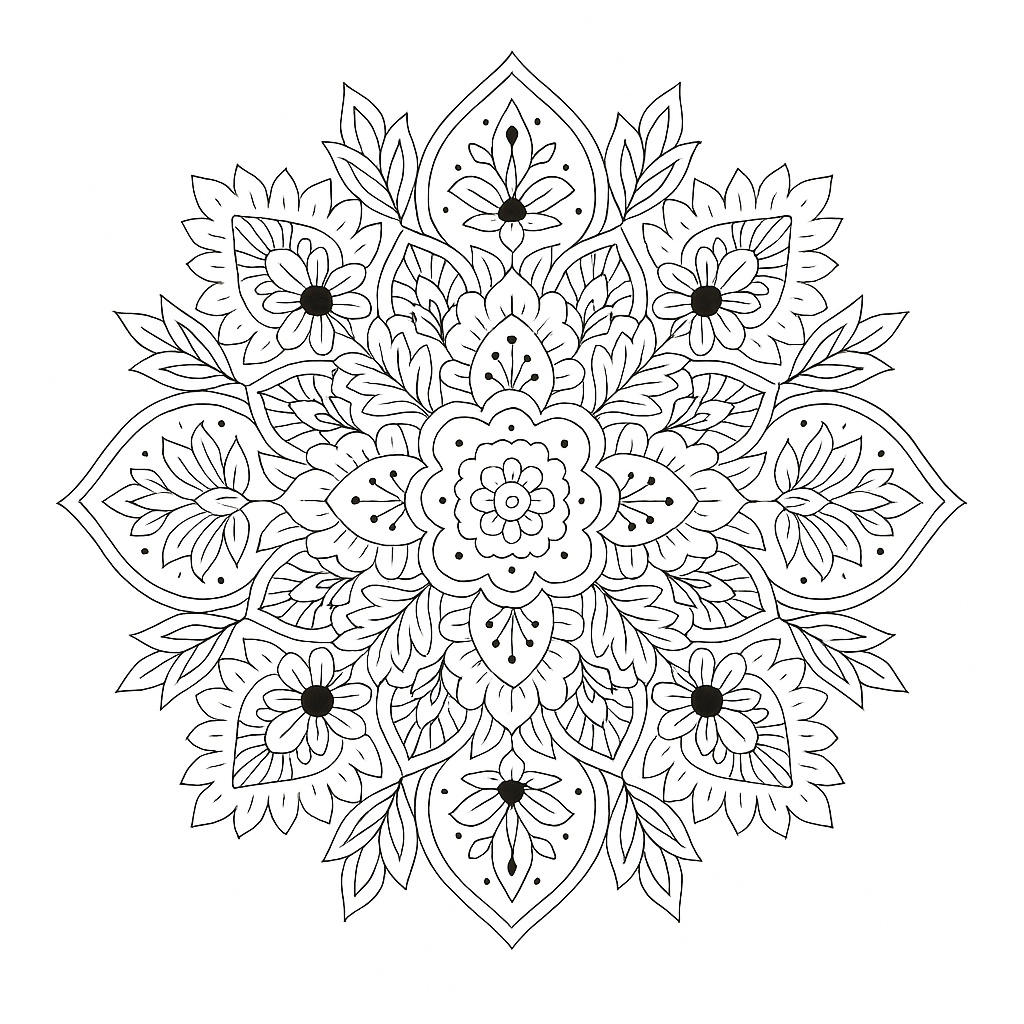
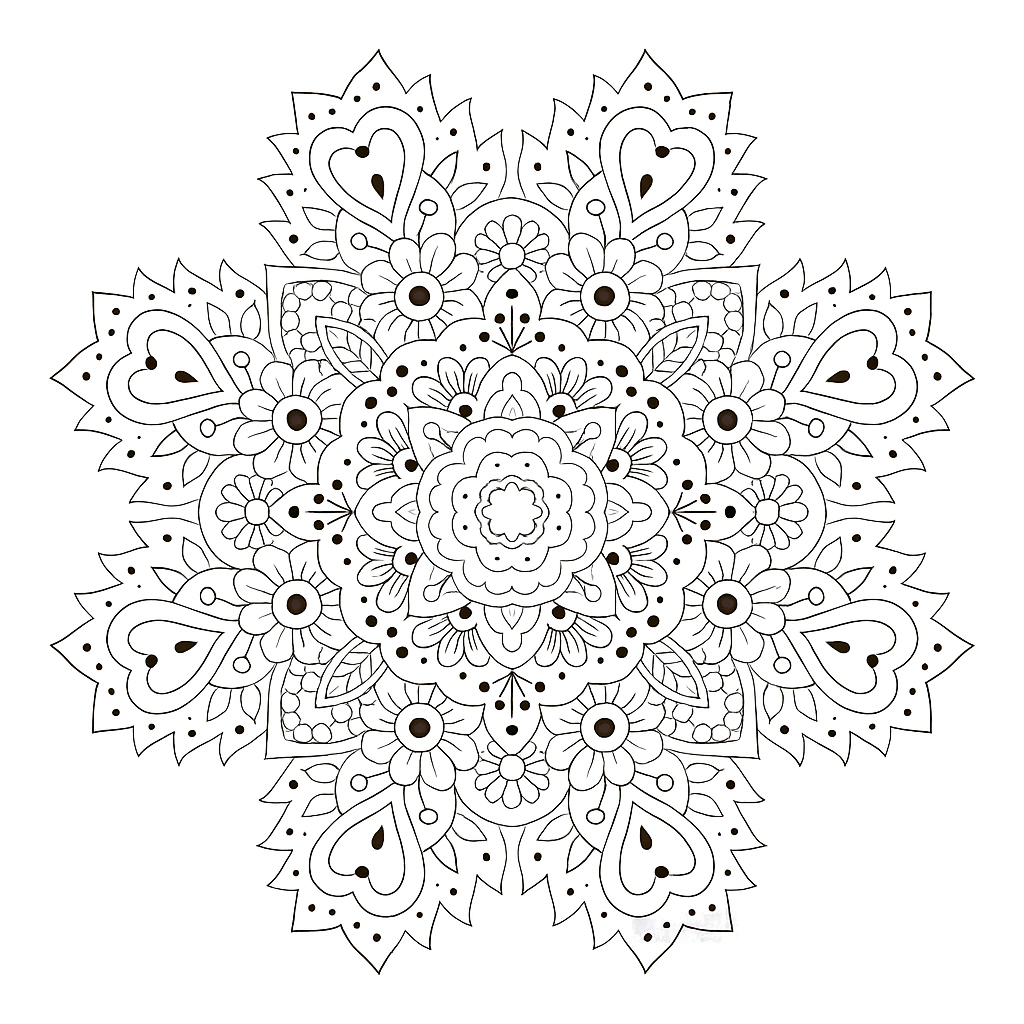
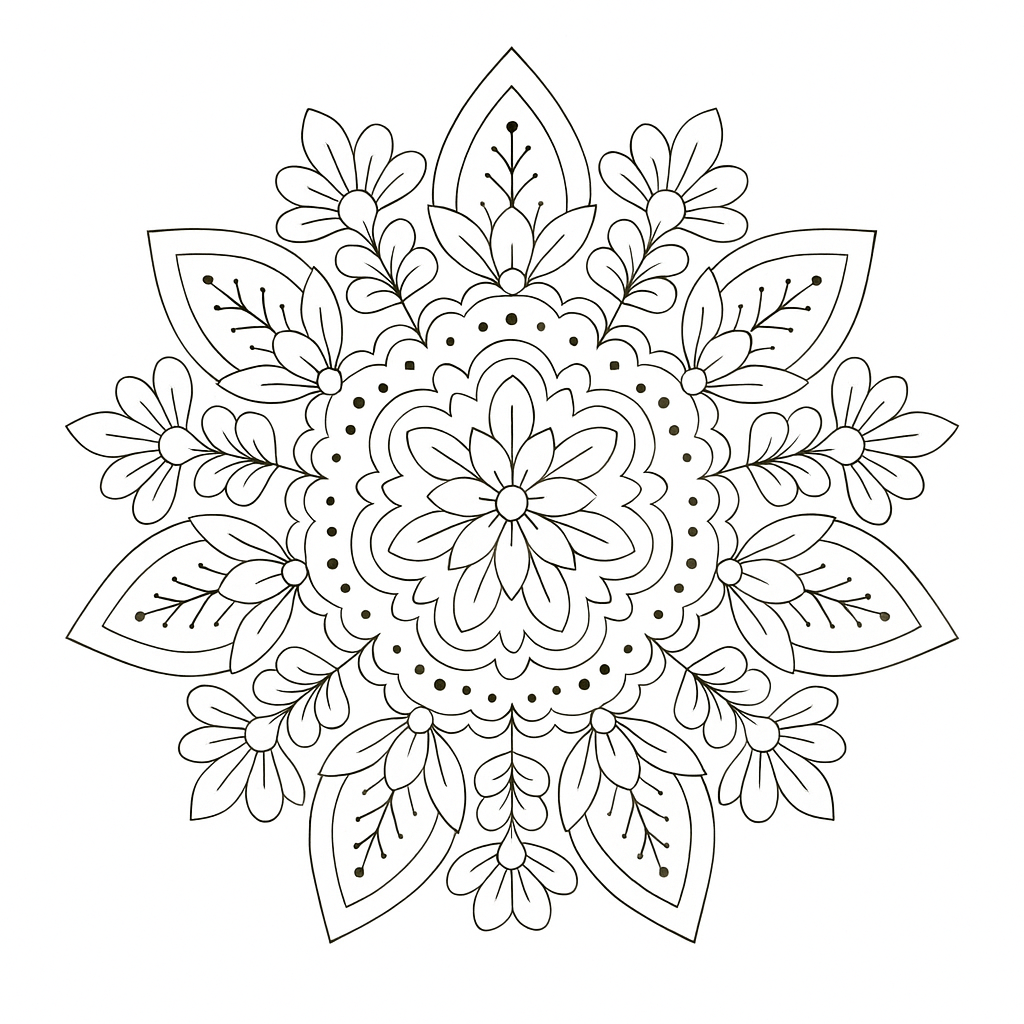
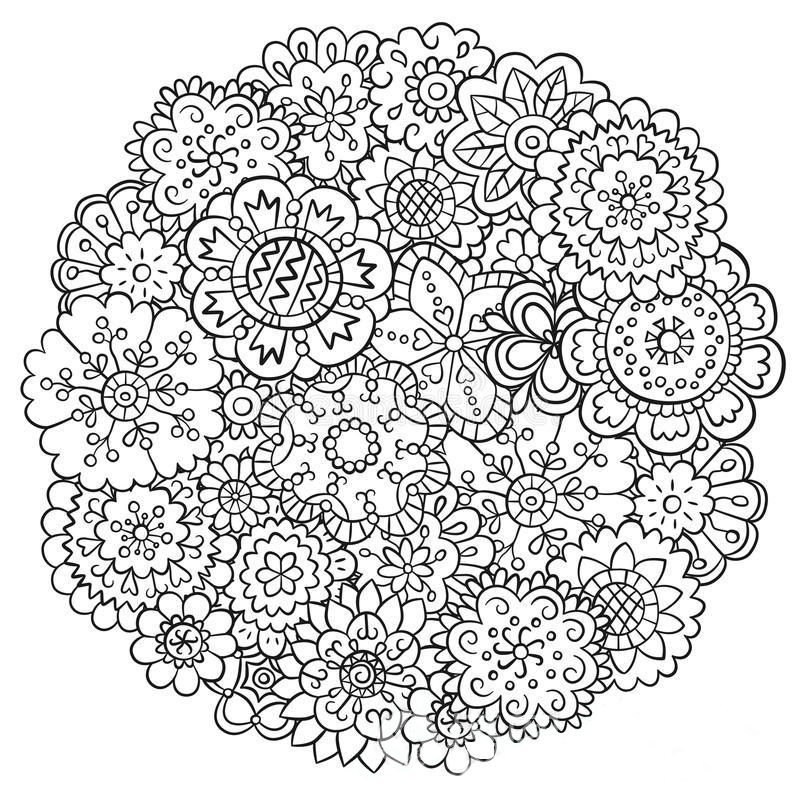

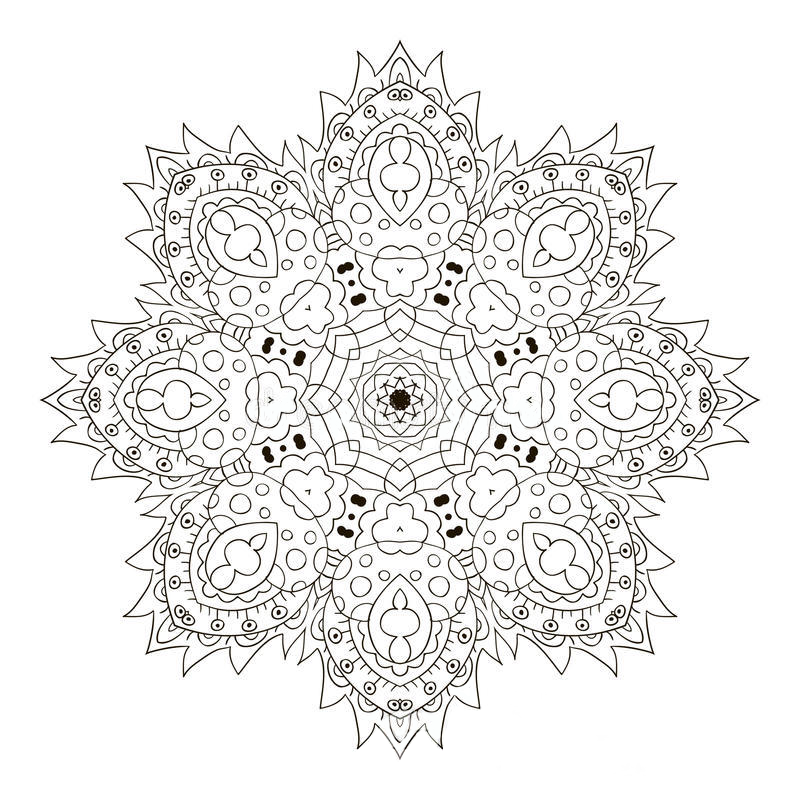
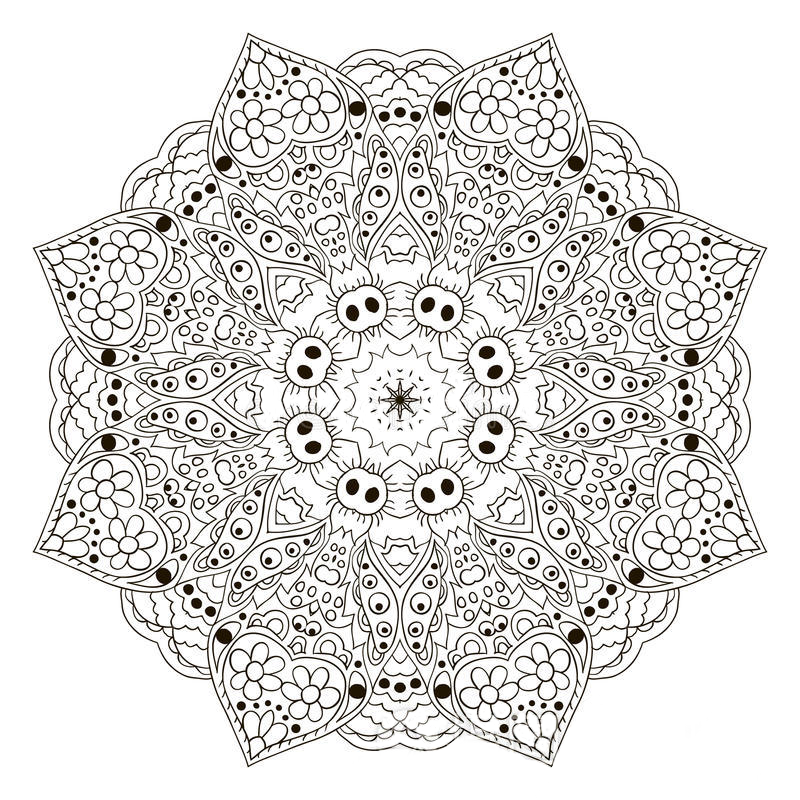
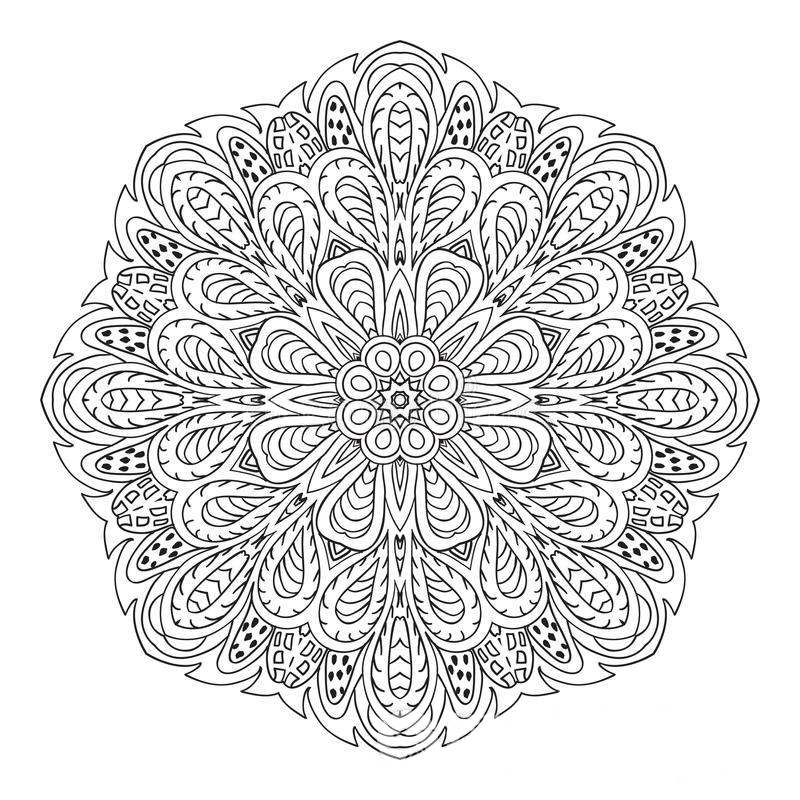
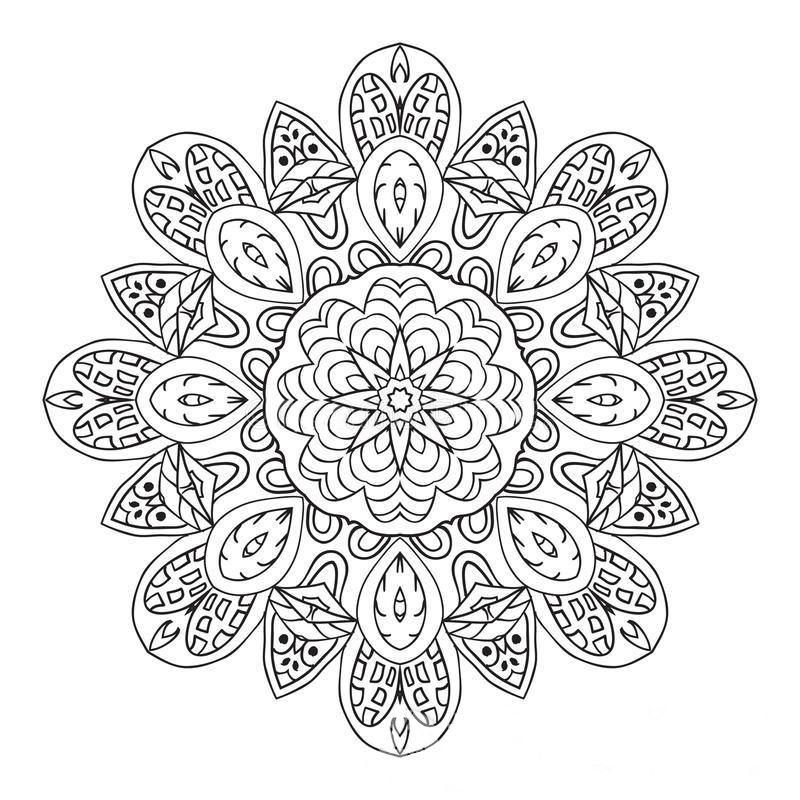
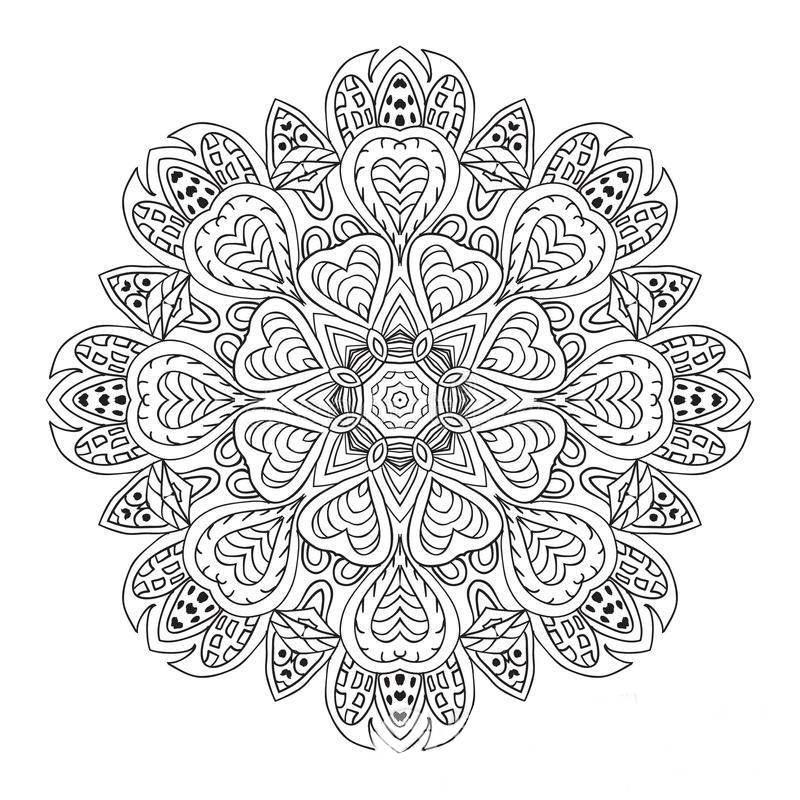
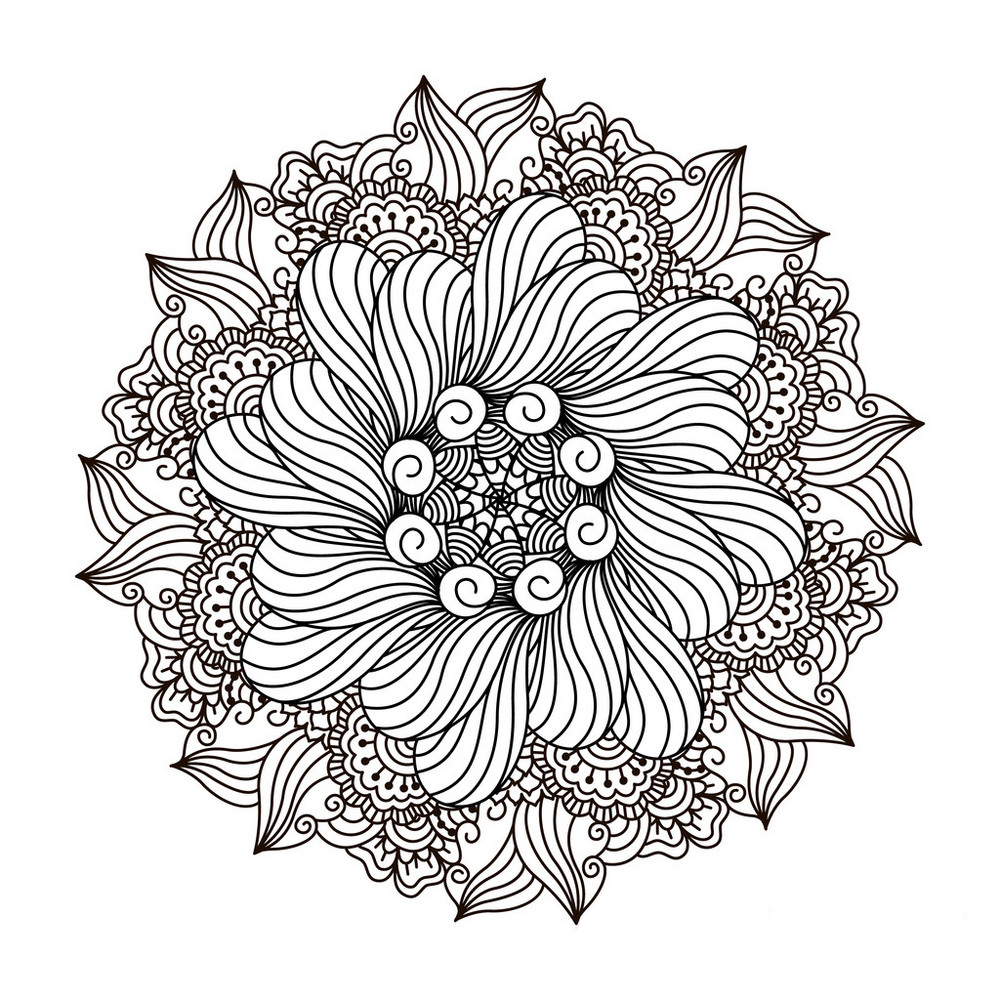
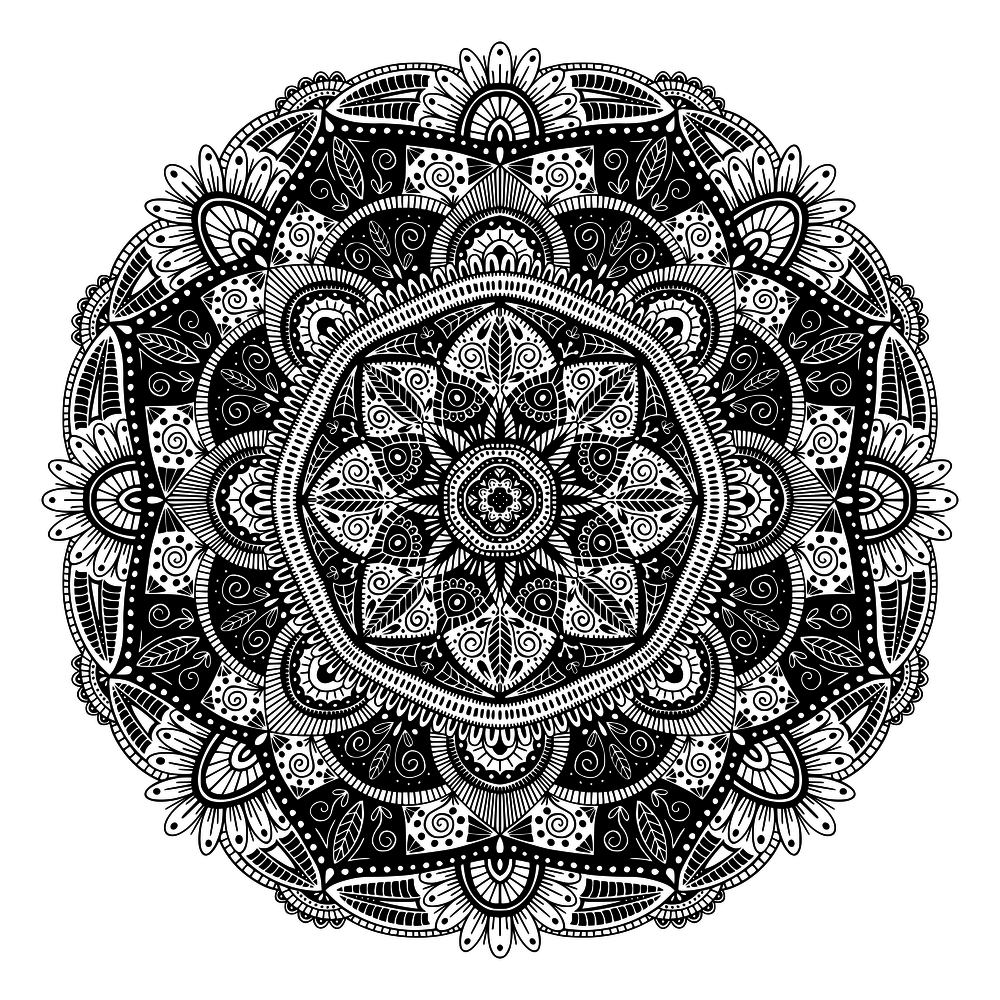
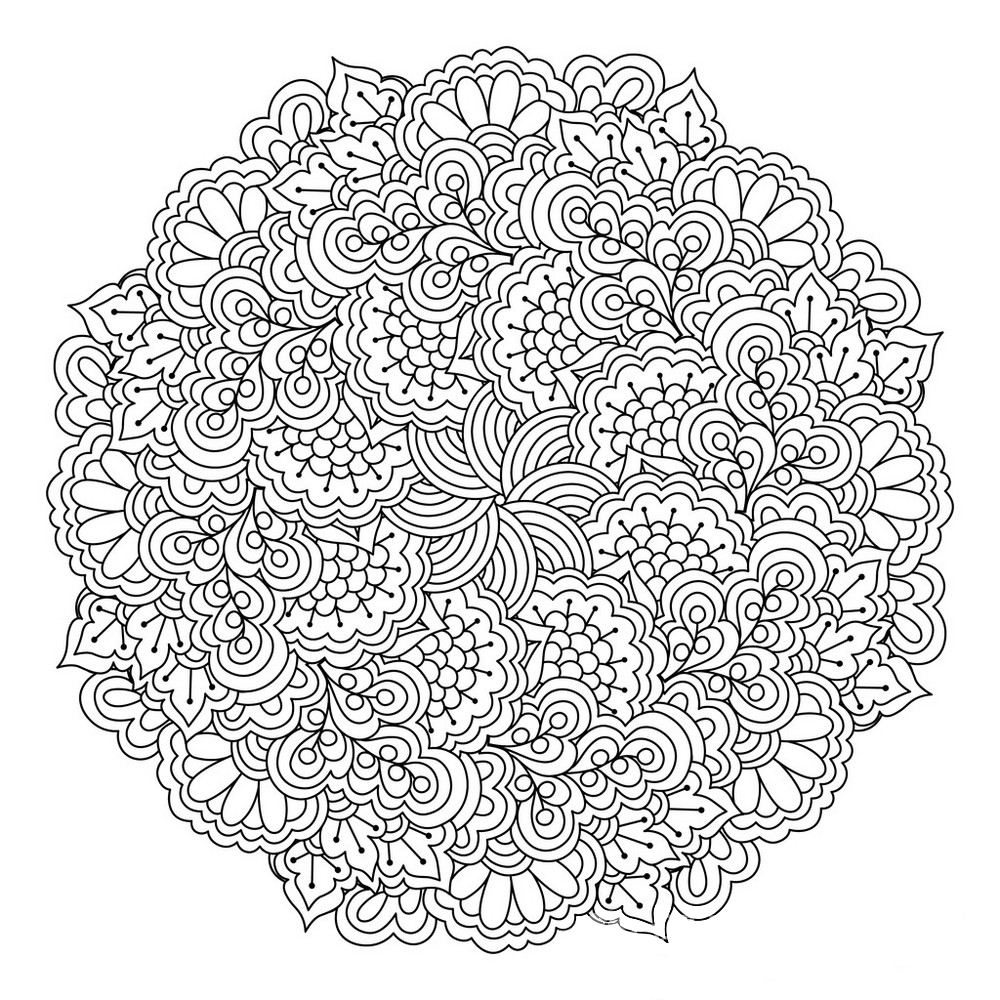
○ Guidance and suggestions for drawing traditional mandalas
This course guides participants back to the most fundamental method of mandala drawing—centered on a circle and guided by order. Through the combination of hand-drawn geometry, color schemes, and breathing rhythms, participants experience the correspondence between "form" and "mind." This is not only an art exercise but also a method for achieving inner peace.
I. Establishment of the center point
- Make a small dot in the very center of the paper to represent "egocentrism" or "core of consciousness".
- Draw concentric circles from the center, keeping your strokes slow and your breathing even.
- Let each ring represent a psychological space: body, emotions, thoughts, and spirituality.
II. The Development of Order and Symmetry
- Draw radiating lines in eight directions using a ruler or compass, symbolizing direction and balance.
- Add repeating patterns (such as petals, triangles, lotus shapes) to each quadrant to create a sense of rhythm.
- While drawing, silently recite "order brings stillness" and concentrate your attention on the tip of the pen.
III. Meditation on Color
- Choose from four primary colors: red (energy), blue (calm), yellow (awareness), and white (purity).
- Apply the colors in sequence, without striving for perfection, simply maintaining rhythm and synchronizing with your breathing.
- Feel the internal temperature changes as colors flow on the paper.
Please log in before submitting your drawings and feelings.
A gentle reminder: Traditional mandala drawing does not strive for perfection, but rather seeks the "center" through repetition and breath control. When your mind is restless, return to the center and restore tranquility with each stroke.
 EN
EN  ZH
ZH  ES
ES  FR
FR  JA
JA