

The "Traditional Free Mandala" is the most open form of creative expression, devoid of pre-set structure, theme, or symbolism. It emphasizes lines and colors that flow naturally from within, releasing subconscious energy and fostering a sense of self-regulation and relaxed awareness. There's no "right" or "wrong" here, only "truth" and "the present moment."
▲ AI Interaction: Please describe what you most want to doodle or express right now
Click the button below to unleash your creative freedom and relax with AI.
2. What is the “Traditional Freedom Mandala”?
- Unstructured boot: Starting from a point, line, or pattern, expand freely
- Express your true feelings: No need for explanation, no need for judgment, just truth flow
- Intuitive Drawing Exercise: Follow your body's rhythms and emotional cues
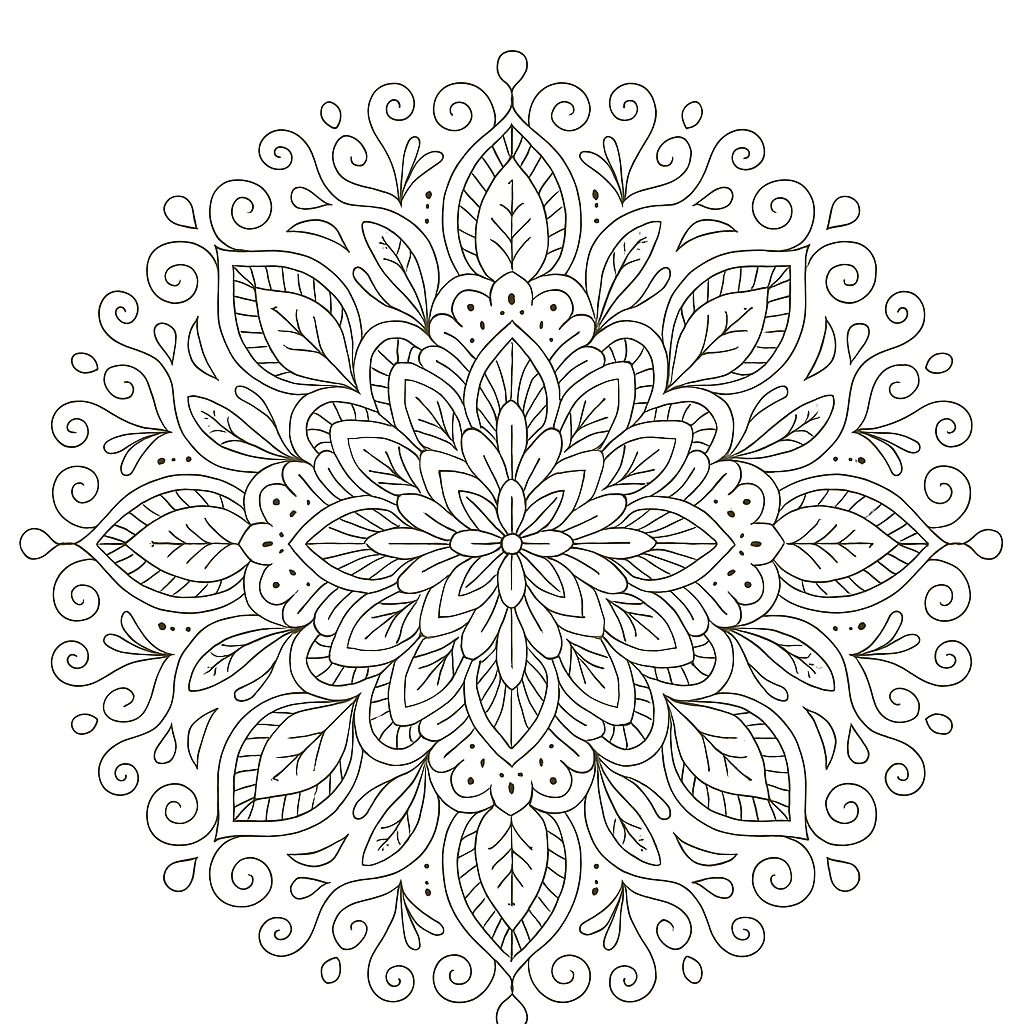
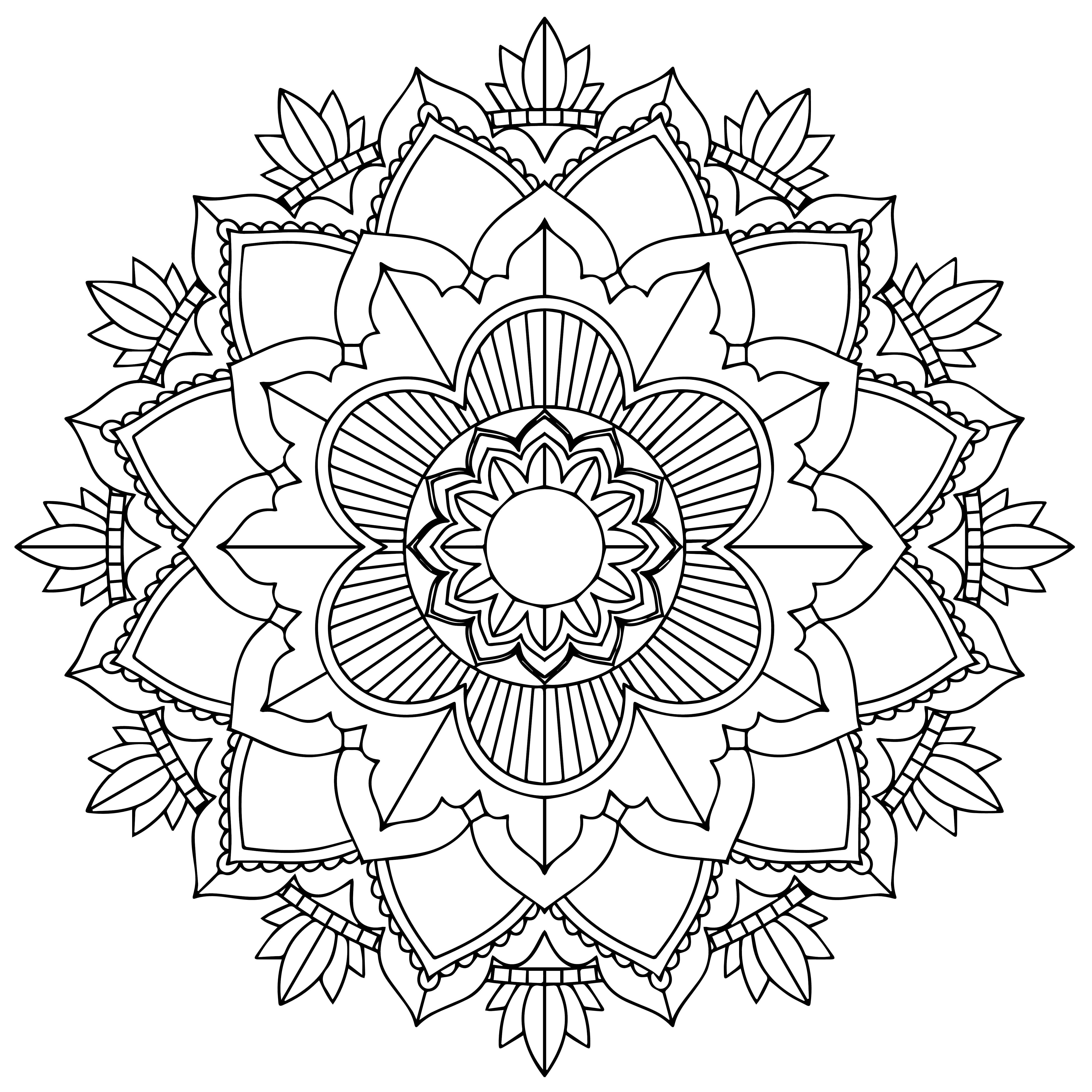
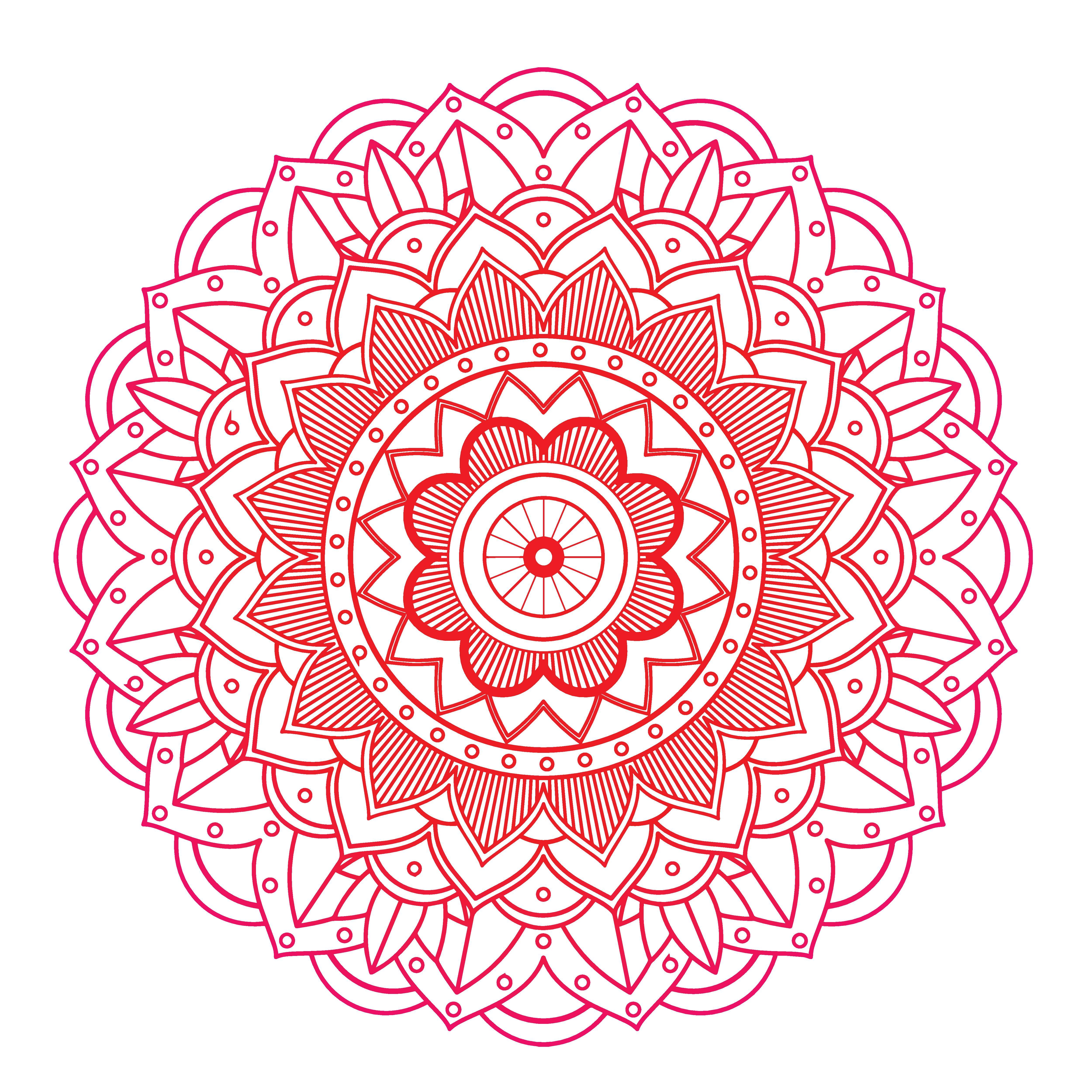
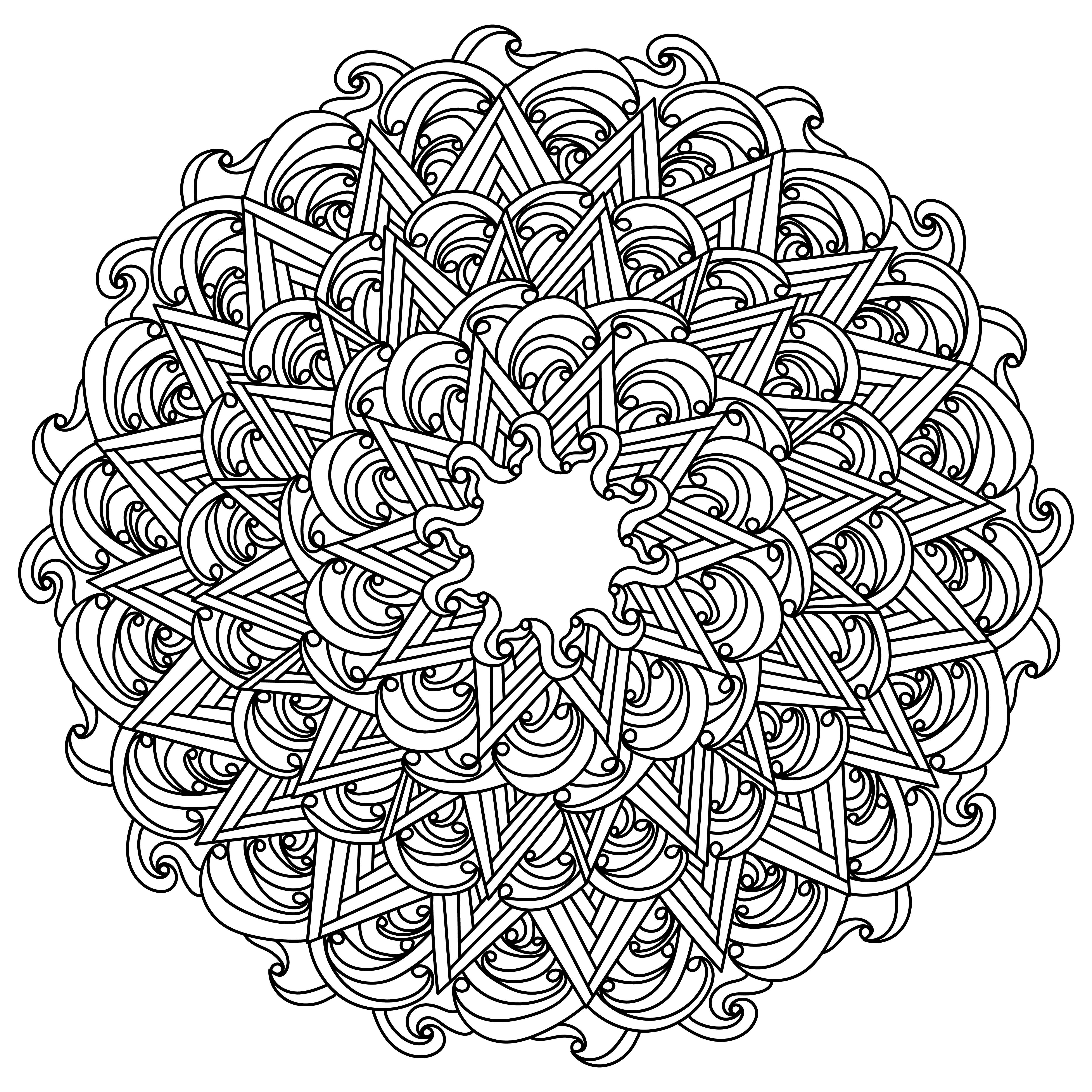
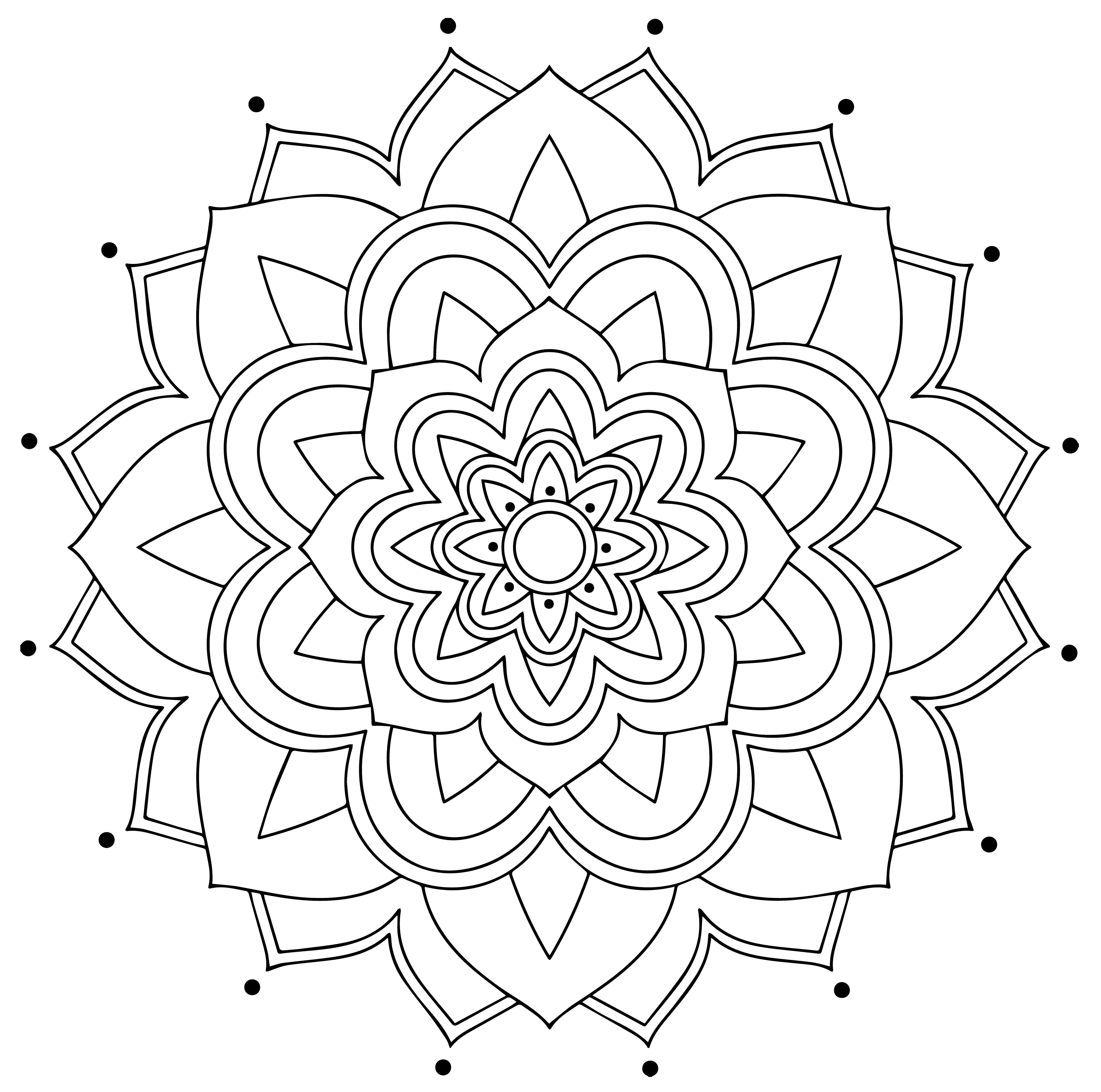
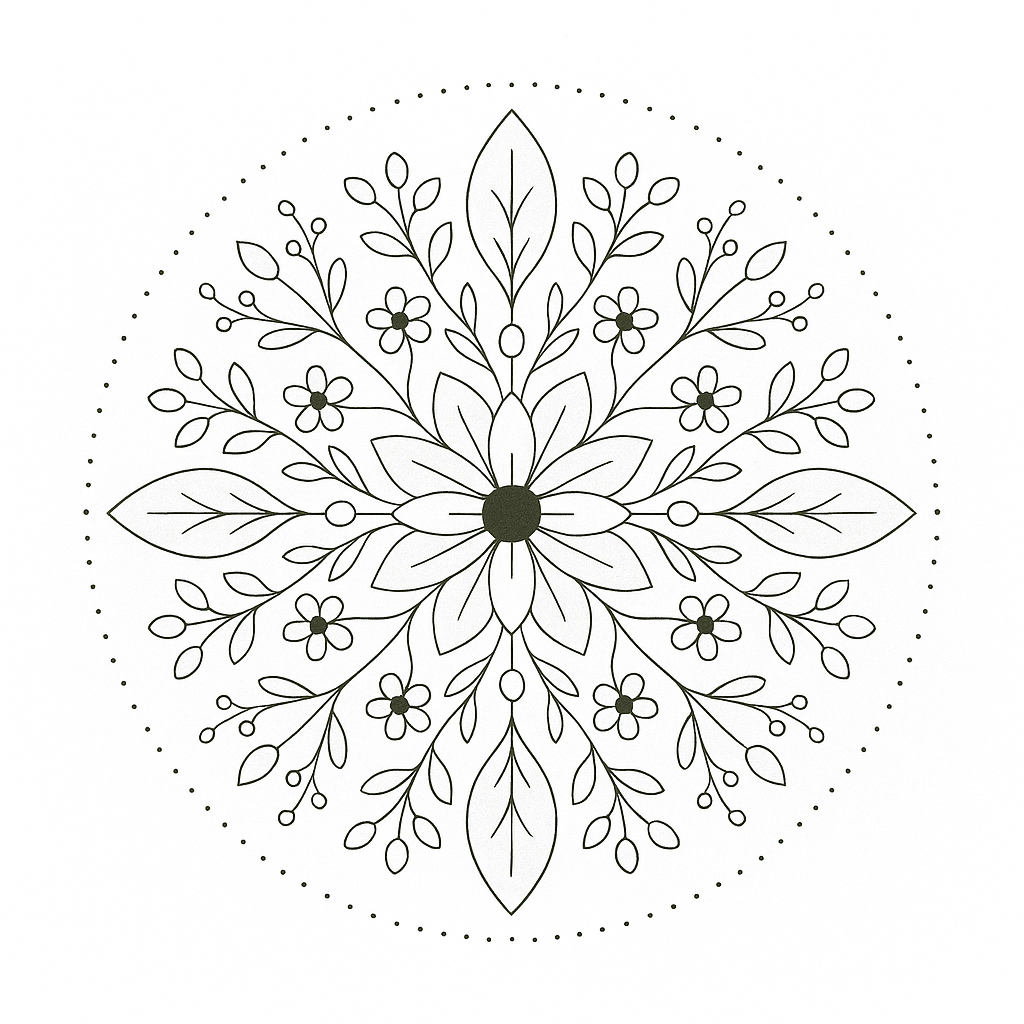
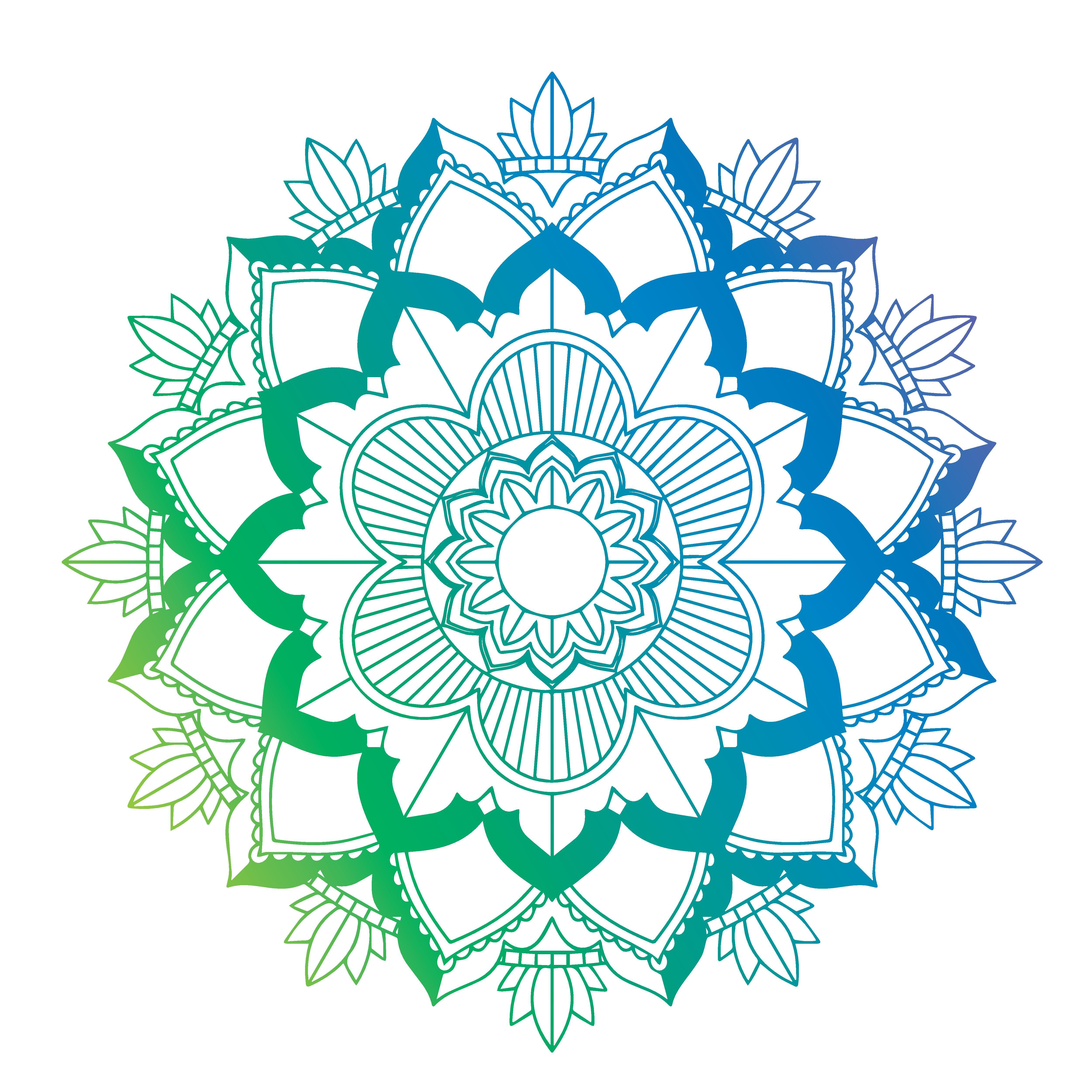
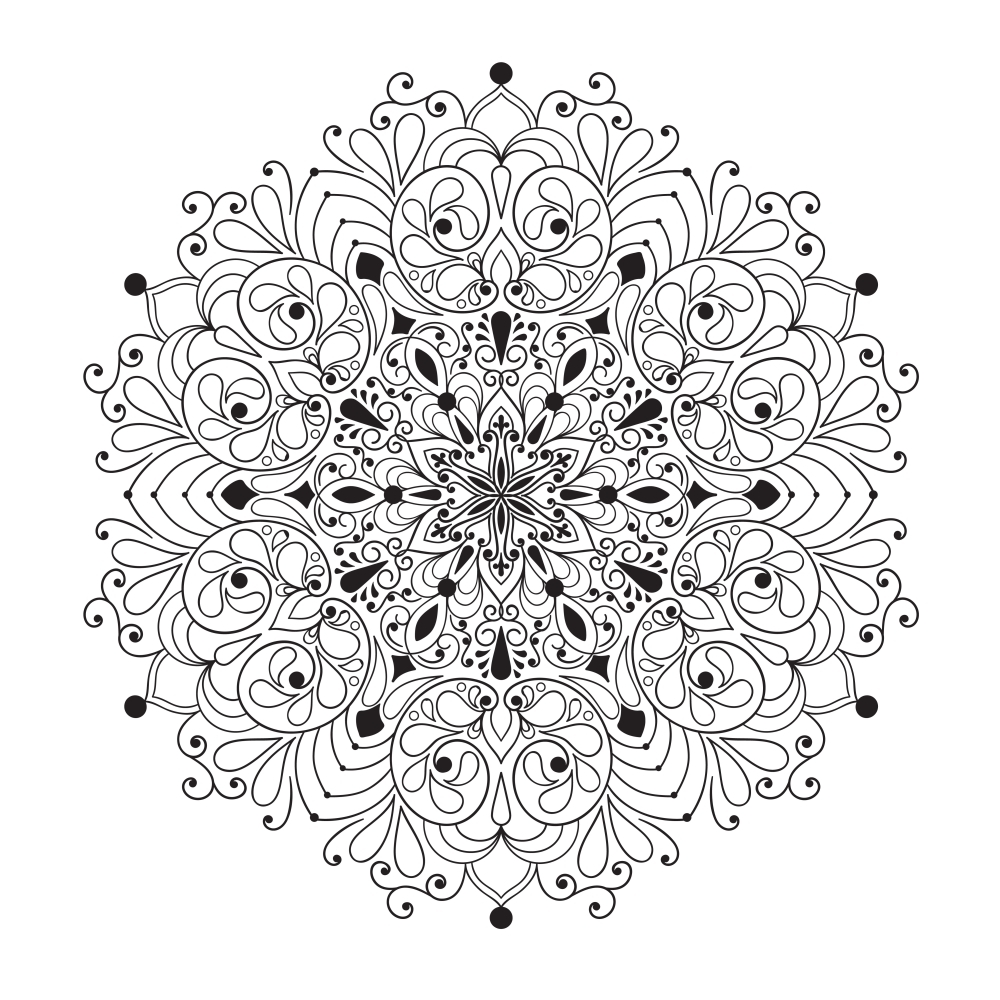
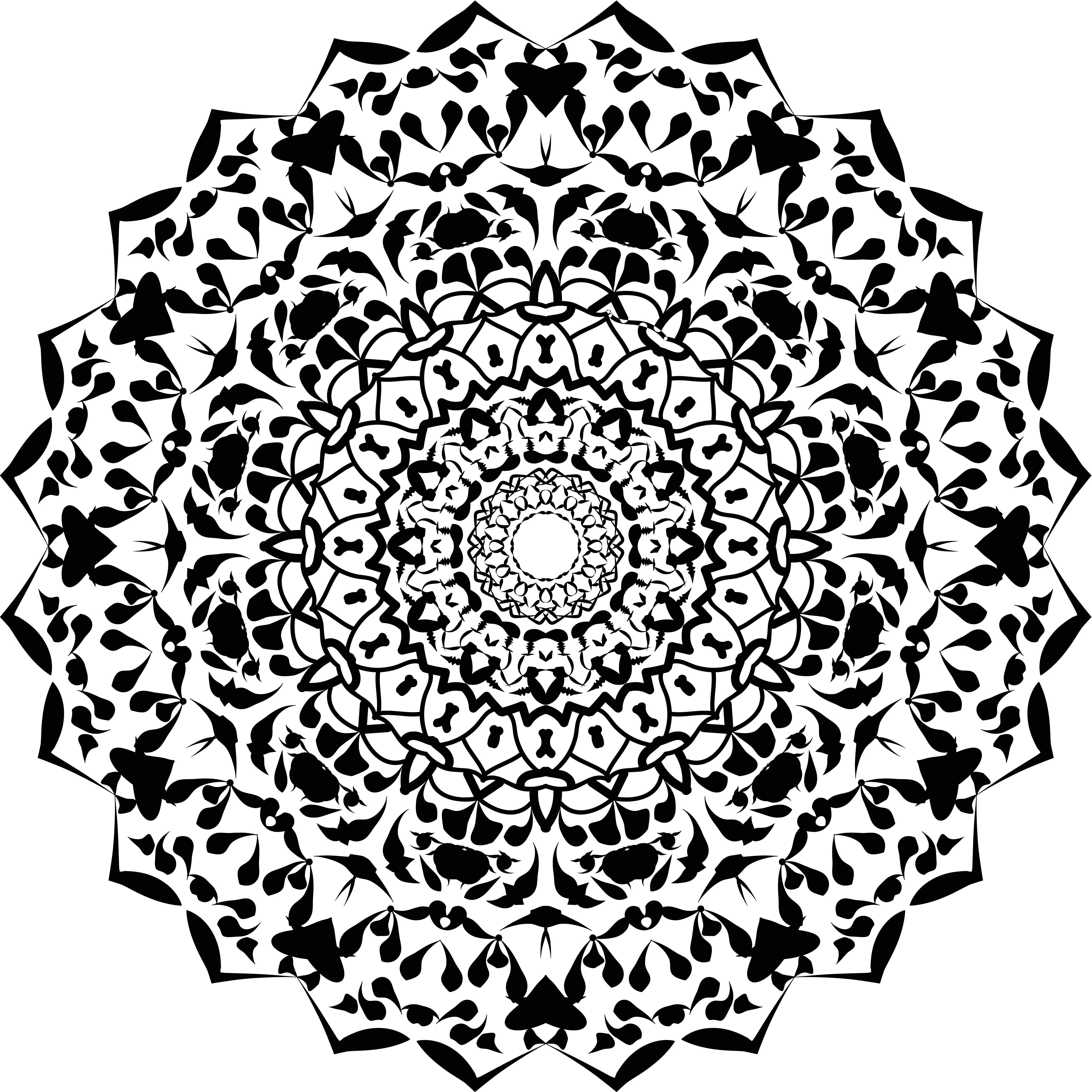

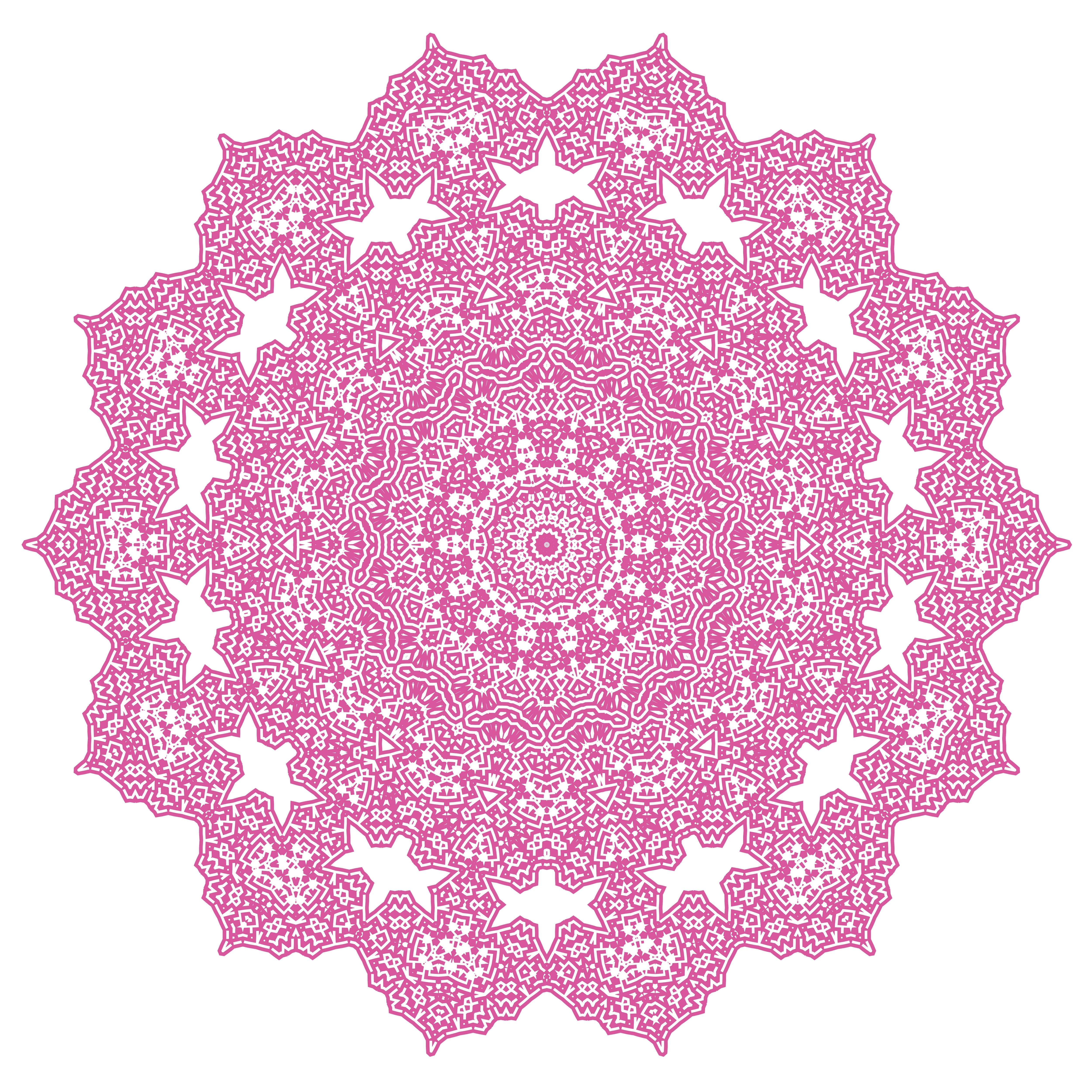
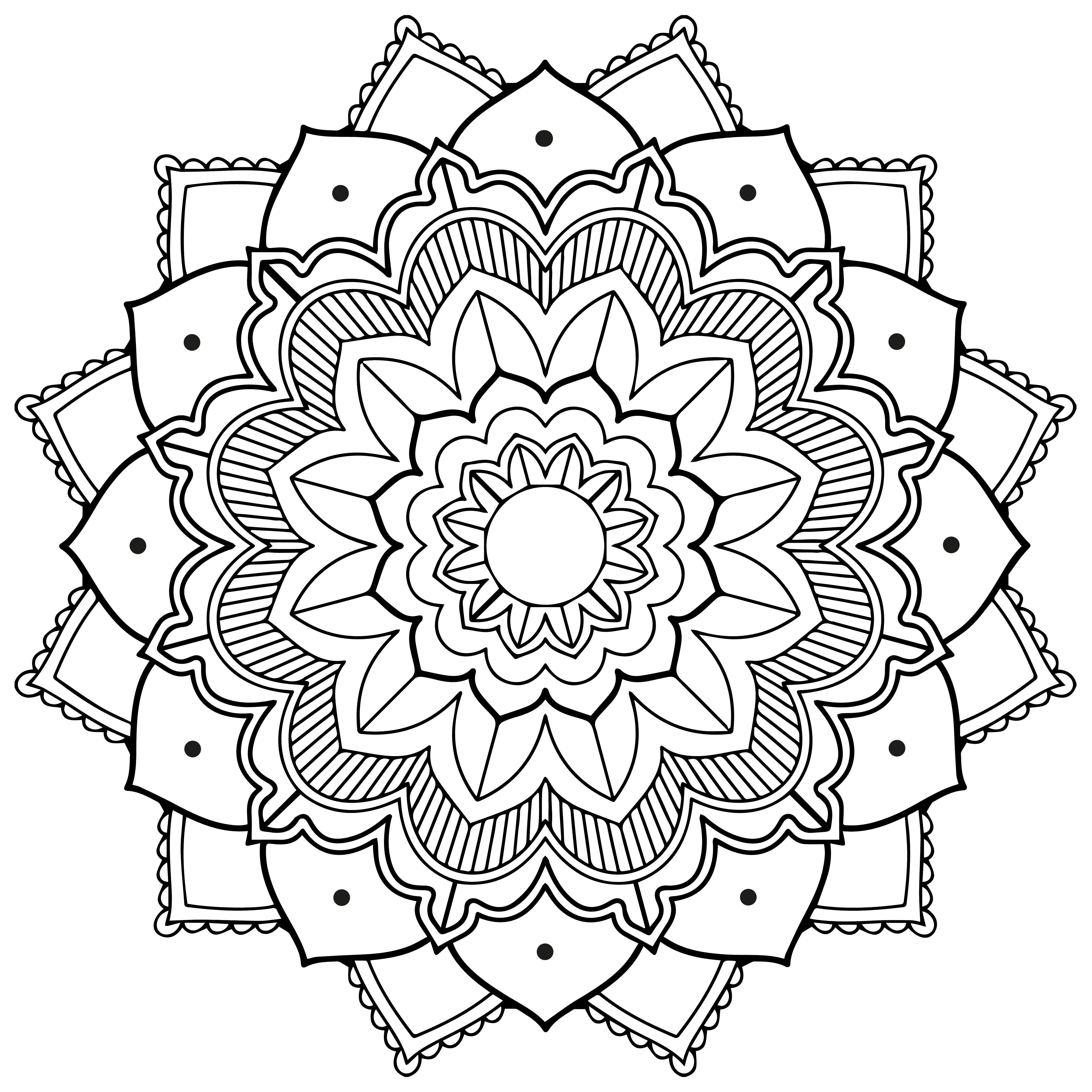
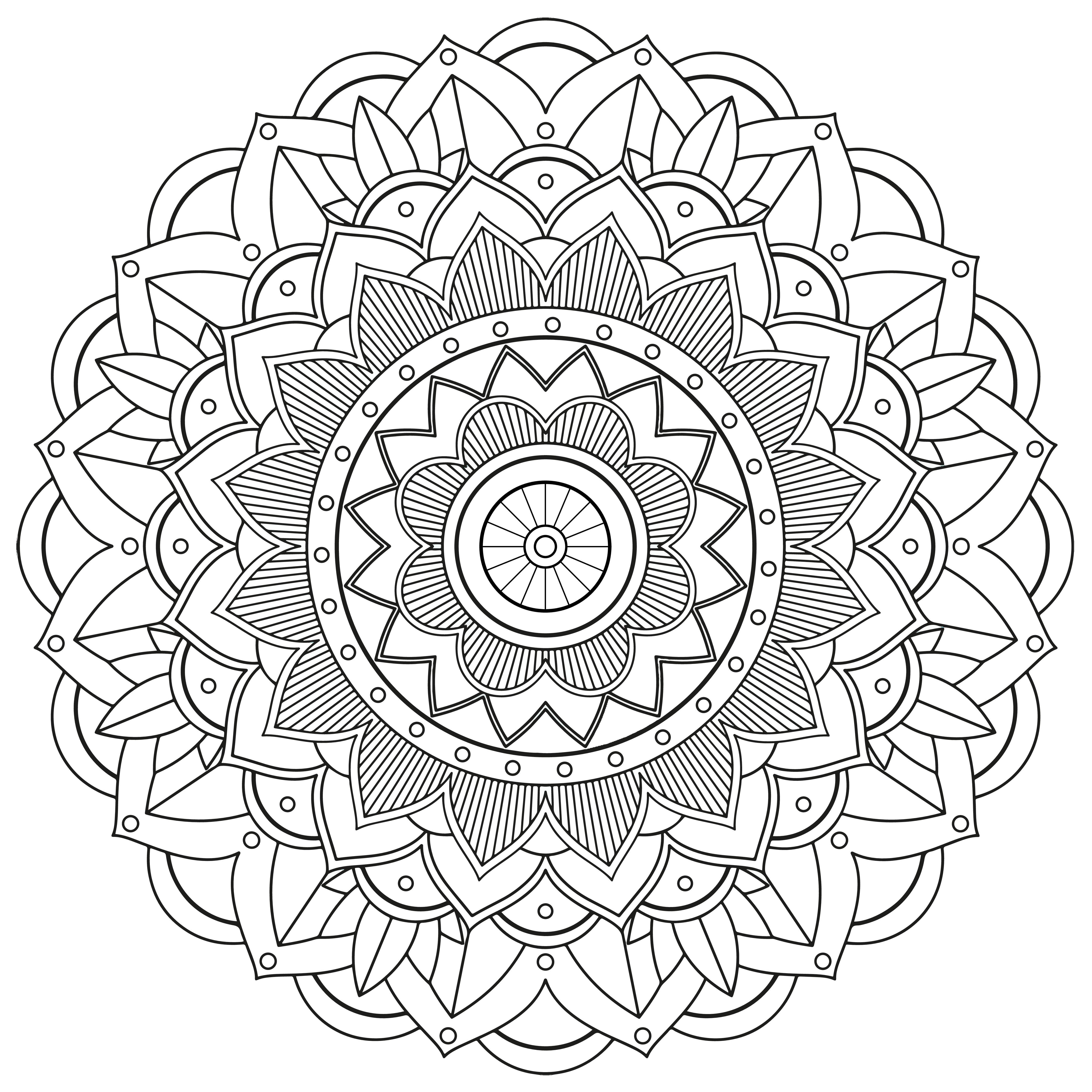
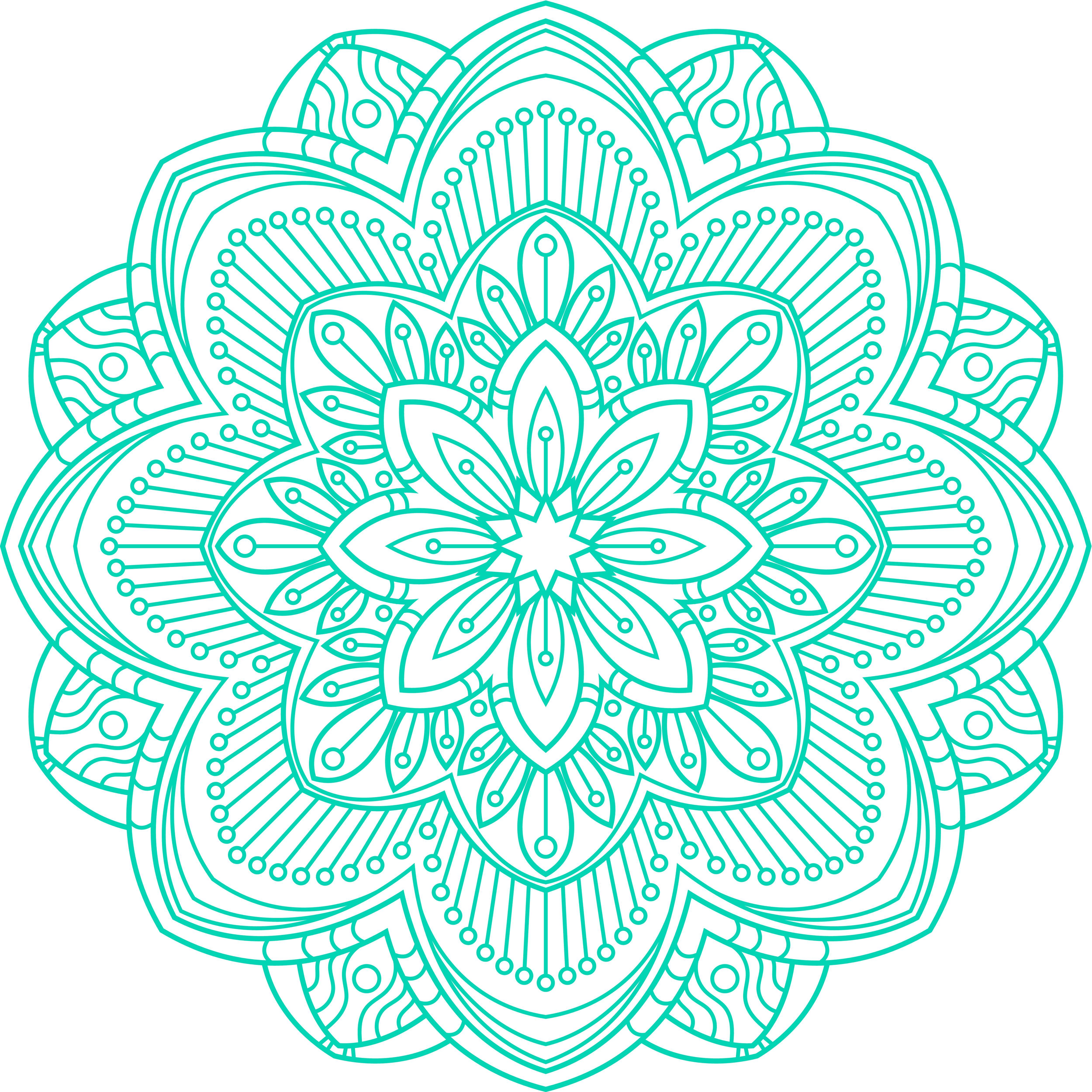

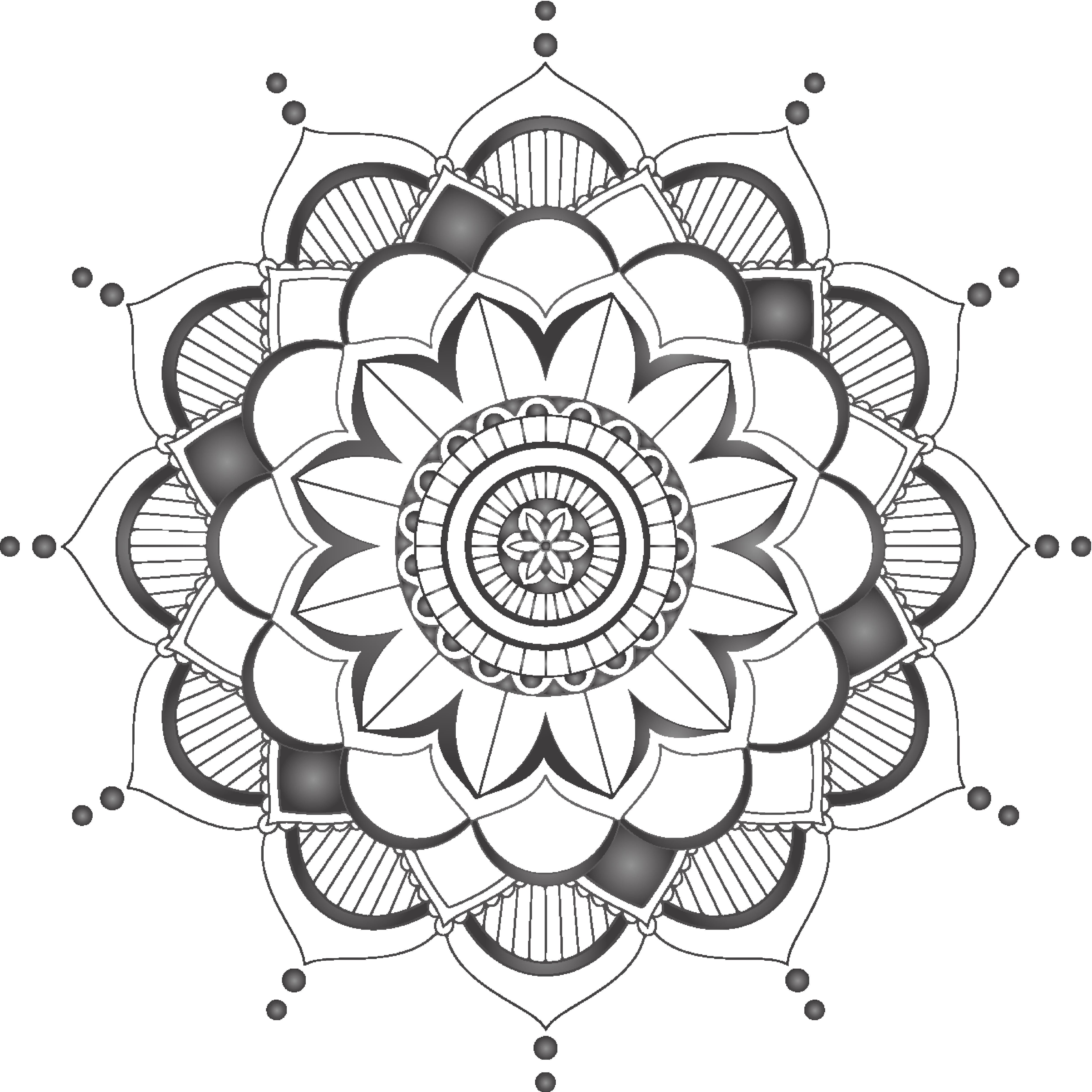
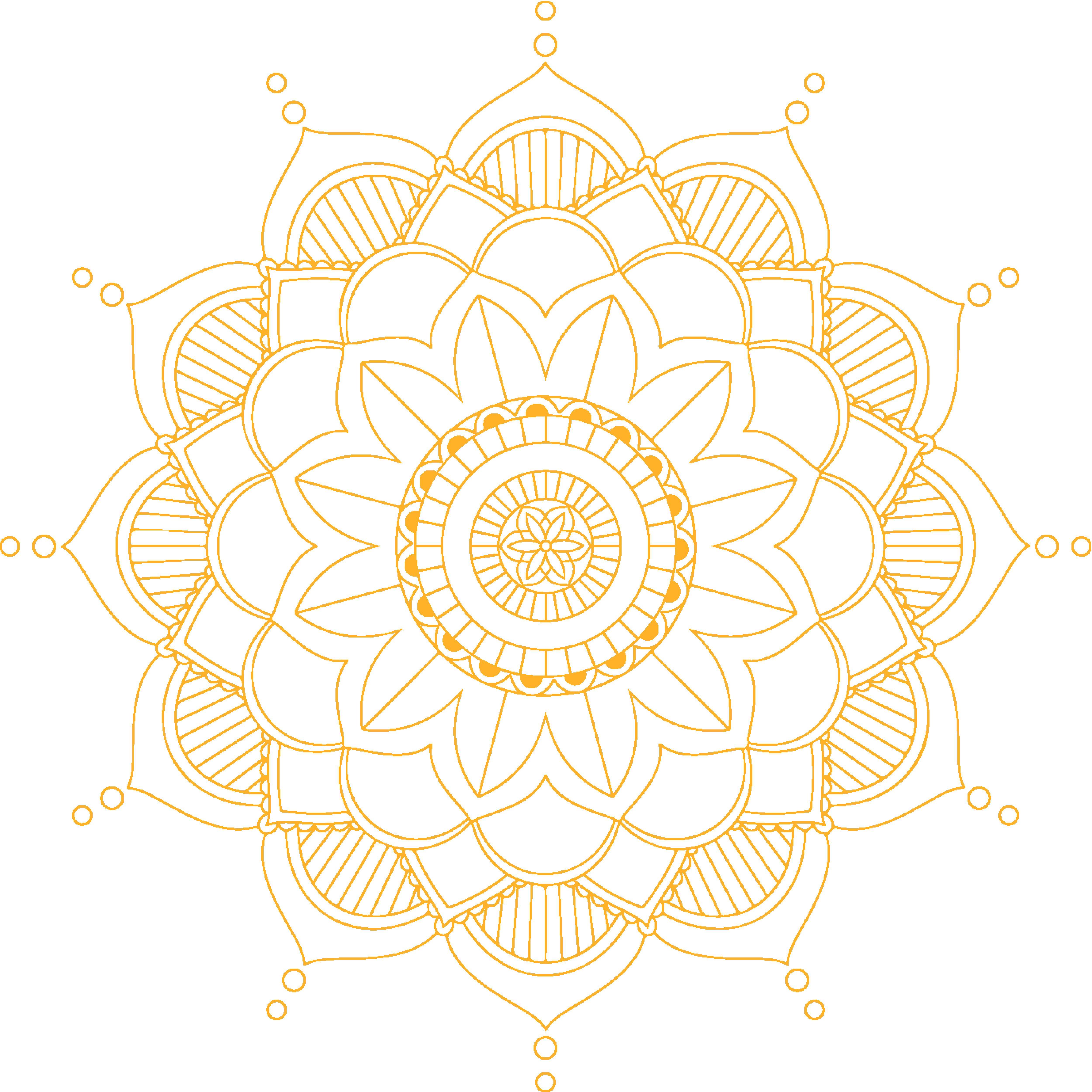
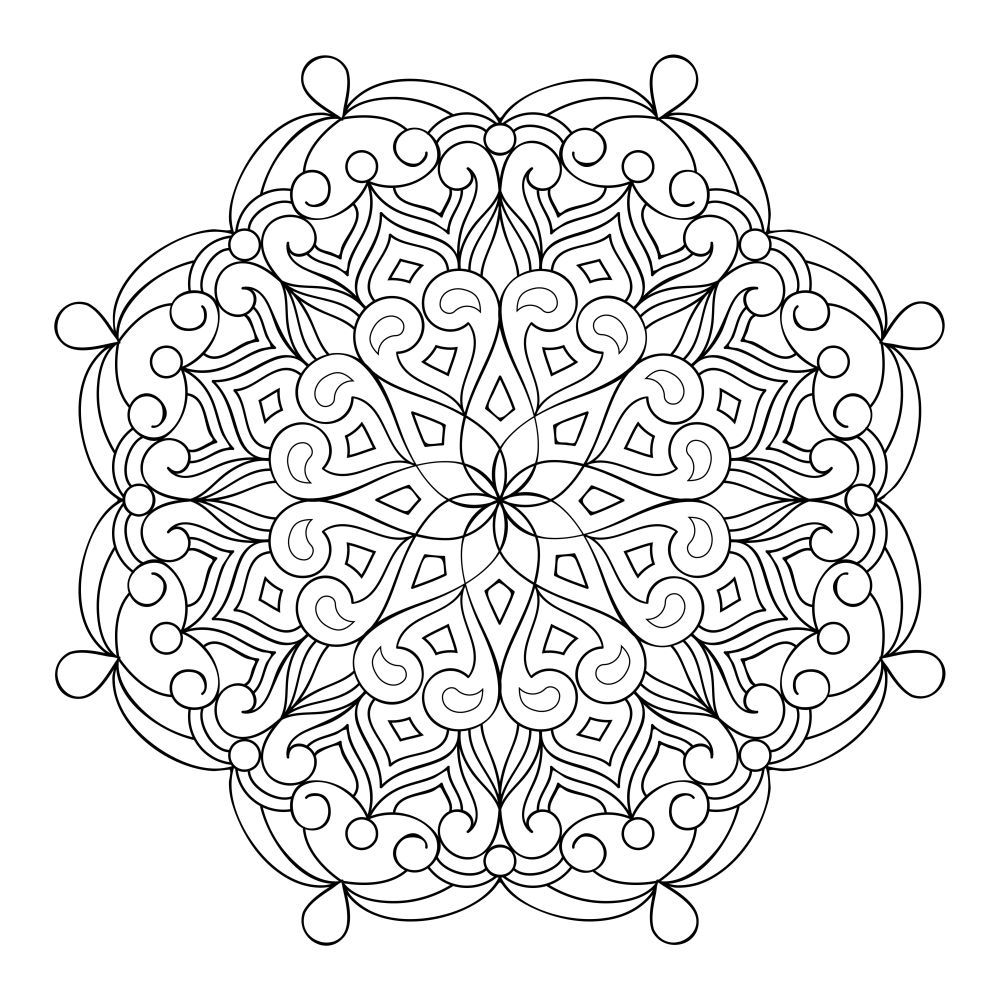
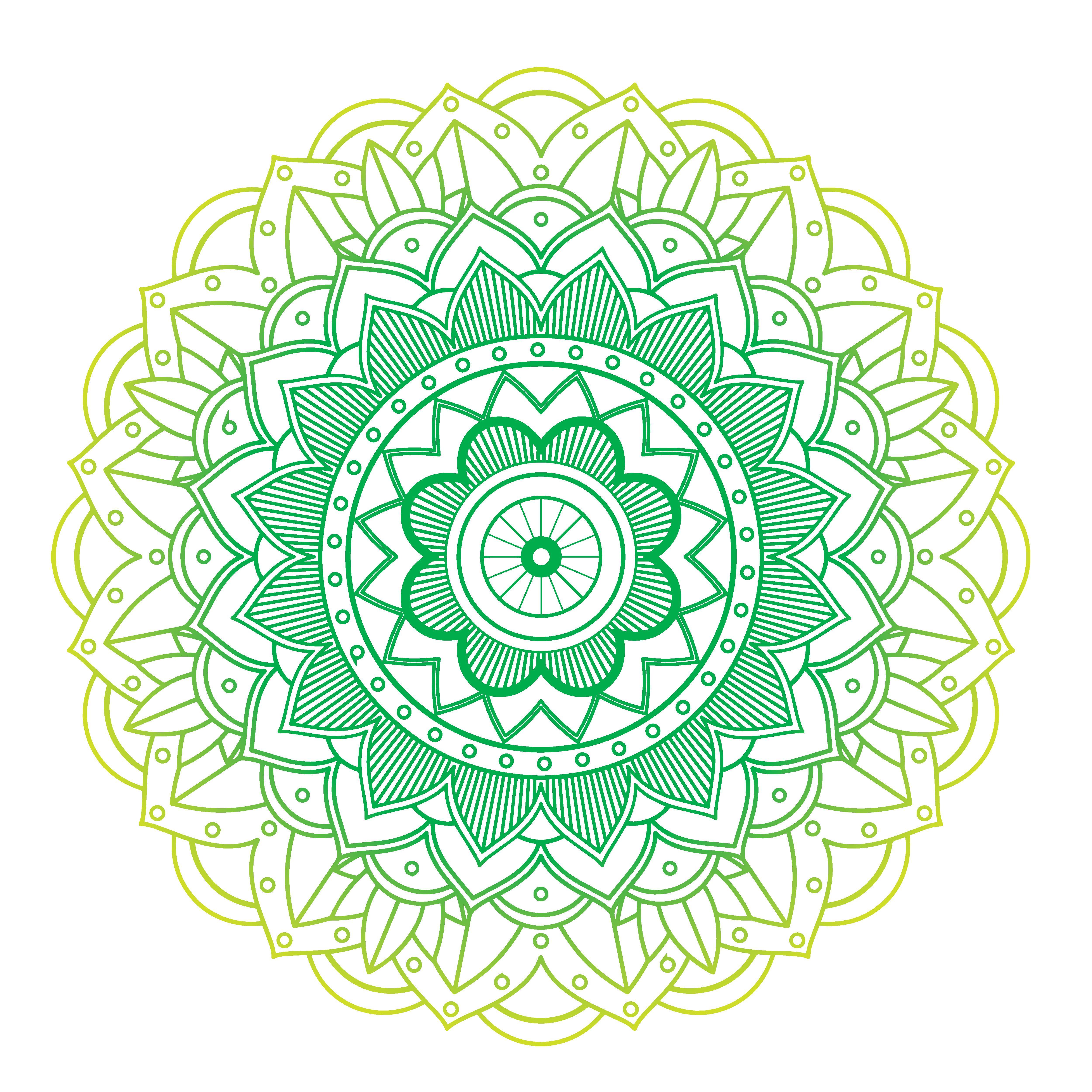
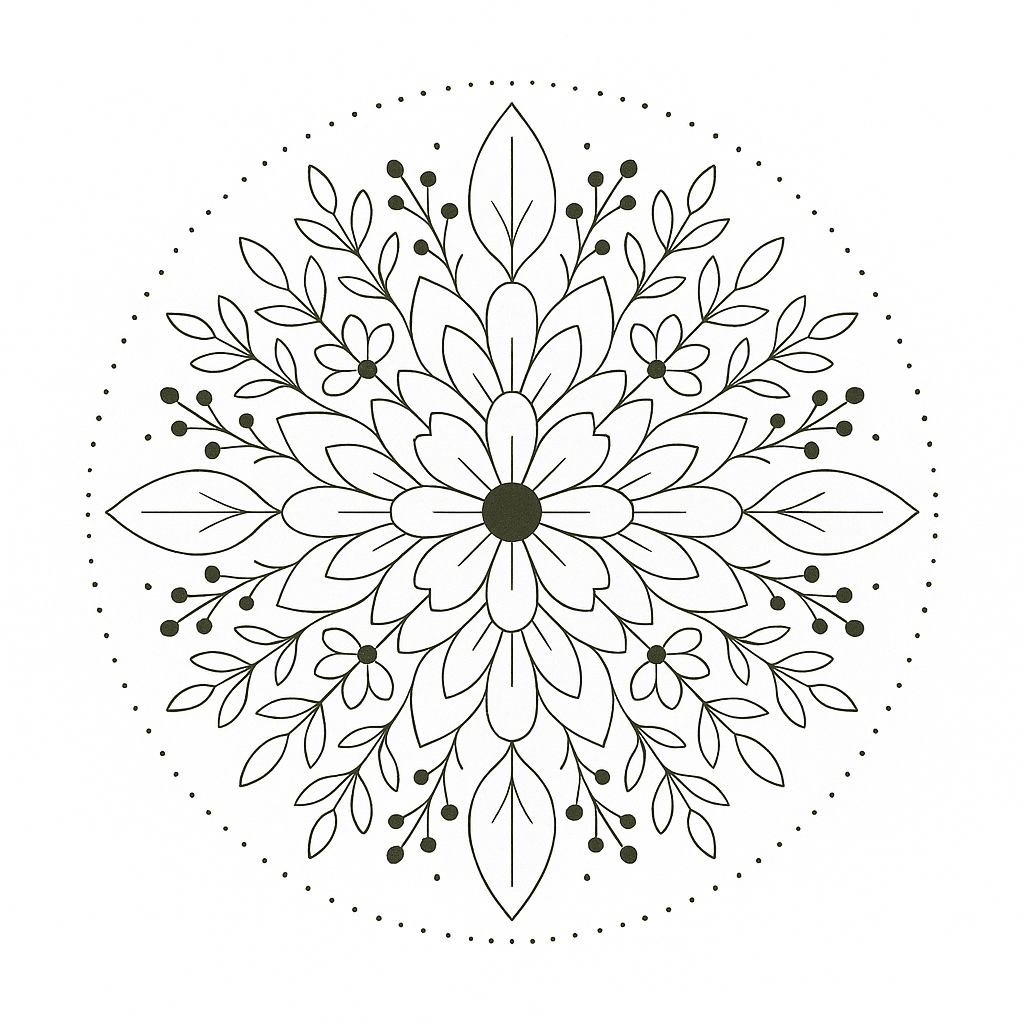
○ Traditional Free Mandala: Drawing Healing Guidance Suggestions
This page guides you to tryMandala that combines traditional structure with free playUnlike completely regular or completely random creations, the "Traditional Free Mandala" retains individual improvisation within the order of basic circles and quadrants. It can provide a sense of security and activate creativity. The focus of painting isBreathing, rhythm and emotional flow during the process, rather than perfect symmetry.
1. Basic framework (center of circle - quadrant - blank space)
- Draw an outer circle starting from the center of the circle, and then use light lines to divide it into 4 or 8 equal quadrants as an "order support".
- Leave a blank space in each quadrant to record impromptu lines or doodles.
- Draw a "breathing strip" around the edge to remind yourself to slow down and sync with your breathing when creating.
2. Combination of traditional symbols and free elements
- A traditional symbol (lotus petals, cloud patterns, spiral patterns, etc.) can be chosen in the center to symbolize stability and inheritance.
- Working from the center outward, feel free to add personal symbols (random dots, curves, geometric shapes, emotional shapes), it doesn't have to be perfectly symmetrical.
- Write a mood word (such as "calm", "expectation", "relief") in the blank space and let the text blend into the image.
3. Color and Rhythm (Harmony - Contrast - Gradual Change)
- Choose 2-3 main colors (such as blue/red/gold) to reflect the traditional temperament; then choose 1-2 free colors to embellish it at will.
- Try alternating gradients (light to dark) and contrasts (warm to cool, light to dark) to get a feel for the visual rhythm.
- After completing each circle, stop and take a deep breath, and then put a small symbol (such as ✦) on the edge of the work to indicate the mark of rhythm.
4. Review and Summary (three lines)
In the space provided on the mandala, write:
- The symbol I chose for the center is: ______; the feeling it makes me feel is: ______
- The element I freely added to the quadrant is: ______; the mood it represents is: ______
- My physical sense rating after completing the creation today (0-10): ______; the rhythm I want to keep is: ______
Tip: The value of the Freedom Mandala lies in its "combination of order and flexibility." When feeling emotionally turbulent, first rely on traditional structures for stability, then gradually add elements of freedom to find your own rhythm and balance.
Please log in before submitting your drawings and feelings.