

Lesson 10: Somatic Anxiety – The Psychosomatic Cycle of Stomach Aches, Headaches, and Insomnia“
Duration:90 minutes
Topic Introduction:Anxiety often manifests as physical symptoms: stomach aches, headaches, a stuffy throat, itchy skin, insomnia... You might think your body is broken, but it's actually your emotions seeking an outlet. This course will help you understand the mechanism of "mind and body mirroring each other" and learn three transformation methods: body awareness, warm relaxation, and a bedtime calming ritual.
○ Common types of bodyification anxiety
- Stomach anxiety:Decreased appetite, bloating, early awakening accompanied by nausea.
- Headache:Headache, high eye pressure, and restless thoughts.
- Sleep anxiety:Difficulty falling asleep, frequent awakenings, and rapid heartbeat.
Your body isn't "betraying" you; it's expressing, "I need attention." When you allow your body to speak, it no longer needs to remind you with pain.
Lesson 10: Body-Based Anxiety – “The Psychosomatic Cycle of Stomach Aches, Headaches, and Insomnia” 🎧 Click to watch/listen to the reading
Somatic anxiety refers to psychological stress that doesn't manifest as a clear emotional emotion, but rather through the body. You might not feel anxious, but your stomach repeatedly feels uncomfortable, you have a dull headache, and you toss and turn at night, unable to sleep. Medical results are often normal, but the physical pain is real, causing further confusion and unease. This is because the brain and body are an integrated system. When emotions are suppressed, ignored, or forced into "rational processing" for a long time, the nervous system still experiences stress, just through a different outlet. Sustained activity of the sympathetic nervous system affects digestion, vasoconstriction, muscle tone, and sleep rhythms; thus, anxiety takes on the guise of "physical symptoms." A common pattern in somatic anxiety is a cycle of **feeling—worrying—worsening**. For example, after experiencing mild stomach discomfort, the brain begins to repeatedly focus: "Did I eat something bad? Is it a chronic illness?" This worry itself further stimulates gastrointestinal contractions, worsening the symptoms; the worsening symptoms, in turn, validate the initial worry. The same cycle often occurs in tension headaches and insomnia. In this process, the problem isn't that you "overthink," but that your body is under constant high stress without genuine relaxation and recovery. Insomnia, in particular, is both a result of somatic anxiety and amplifies daytime tension and pain, creating a seemingly unsolvable cycle. The first step in recognizing somatic anxiety is changing your attitude towards the symptoms. Try replacing "Is my body broken?" with "My body is under stress." This shift isn't about denying discomfort, but about finding a more logical explanation. When the sense of threat decreases, the nervous system has a chance to adjust. Next, practice shifting your focus from "analyzing symptoms" to "caring for your body." For example, when you have a stomachache, don't rush to determine the cause, but focus on whether temperature, posture, or breathing can alleviate it slightly; when you have a headache, be aware of whether you've been using your eyes for too long or clenching your teeth; when you have insomnia, reduce the obsession with "having to sleep," and allow your body to rest quietly. In the long run, the expression and release of emotions are especially important. Somatic anxiety often appears in people who "can tolerate anything," "cannot afford to make mistakes," and "don't want to bother others." When emotions finally find an outlet, the body no longer has to bear the burden alone. As you gradually understand this mind-body cycle, physical discomfort is no longer just an enemy, but a signal. It's reminding you that stress has accumulated and needs to be acknowledged and addressed. As this understanding deepens, symptoms may not disappear immediately, but the cycle will begin to loosen, and you will gradually regain trust and peace of mind with your body.
▲ AI Interaction: Bodyification Anxiety
Some anxieties do not manifest as obvious worry, but rather linger in the body for a long time.
Repeated stomach discomfort, head tightness, and difficulty falling asleep are often not a single physical problem.
Emotional stress affects internal organs and sleep through the nervous system, and physical discomfort, in turn, exacerbates anxiety.
Thus, a cycle of "the more uncomfortable you are, the more nervous you become; the more nervous you are, the more uncomfortable you become" is formed.
Understanding this cycle does not mean denying bodily sensations, but rather recognizing their origin.
Only when you stop seeing every discomfort as a danger signal can the cycle possibly loosen.
Click the button below to work with AI to analyze the connection between your physical symptoms and emotional stress, and identify the key triggers that are repeatedly causing you stress.
○ Audio - Evening Relaxation Guide
Play the audio track and perform a "body scan": starting with your toes, gradually relax your legs, abdomen, chest, shoulders, neck, and head. Whisper to yourself in each area, "Thank you for persevering today."
○ Eastern Tea Therapy: Poria and Jujube Seed Tea
Recommended reasons:Poria cocos strengthens the spleen and calms the mind, while jujube seed helps with sleep and soothes the heart, making it suitable for those with insomnia accompanied by palpitations.
practice:Steep 3 grams of Poria cocos, 3 grams of Ziziphus jujuba var. spinosa seed, and 1 jujube in boiling water for 10 minutes.
○ 1. Spinach Blueberry Salad
Fresh spinach is rich in folic acid and plant-based iron, while blueberries provide natural antioxidants that can help relieve mental fatigue and improve mental clarity. The healthy fats in olive oil and nuts can stabilize energy release, making them suitable as a light snack at lunchtime or before work, helping to keep the mind light and the mood stable.
/home2/lzxwhemy/public_html/arttao_org/wp-content/uploads/cookbook1/spinach-blueberry-salad-1.htmlLesson 10: Chinese Calligraphy - Regular Script - Overall Integration and Stable Presentation
This lesson serves as a phased integration, unifying the brushstrokes, structure, and rhythm of the previous nine lessons into a single, complete writing exercise, emphasizing "overall stability."
Writing Instructions:
By comprehensively utilizing the central axis, strength, density, and rhythm, the writing unfolds naturally. It avoids deliberately showcasing technique, but rather maintains overall consistency and stability.
Written words:
Virtue brings lasting fortune
Motivational words:
When a word is written in the center, the heart will also return to its proper place.
Writing Tips:
After completing the exercise, look at the written text for a moment without commenting, just feel the sense of security brought by the order.
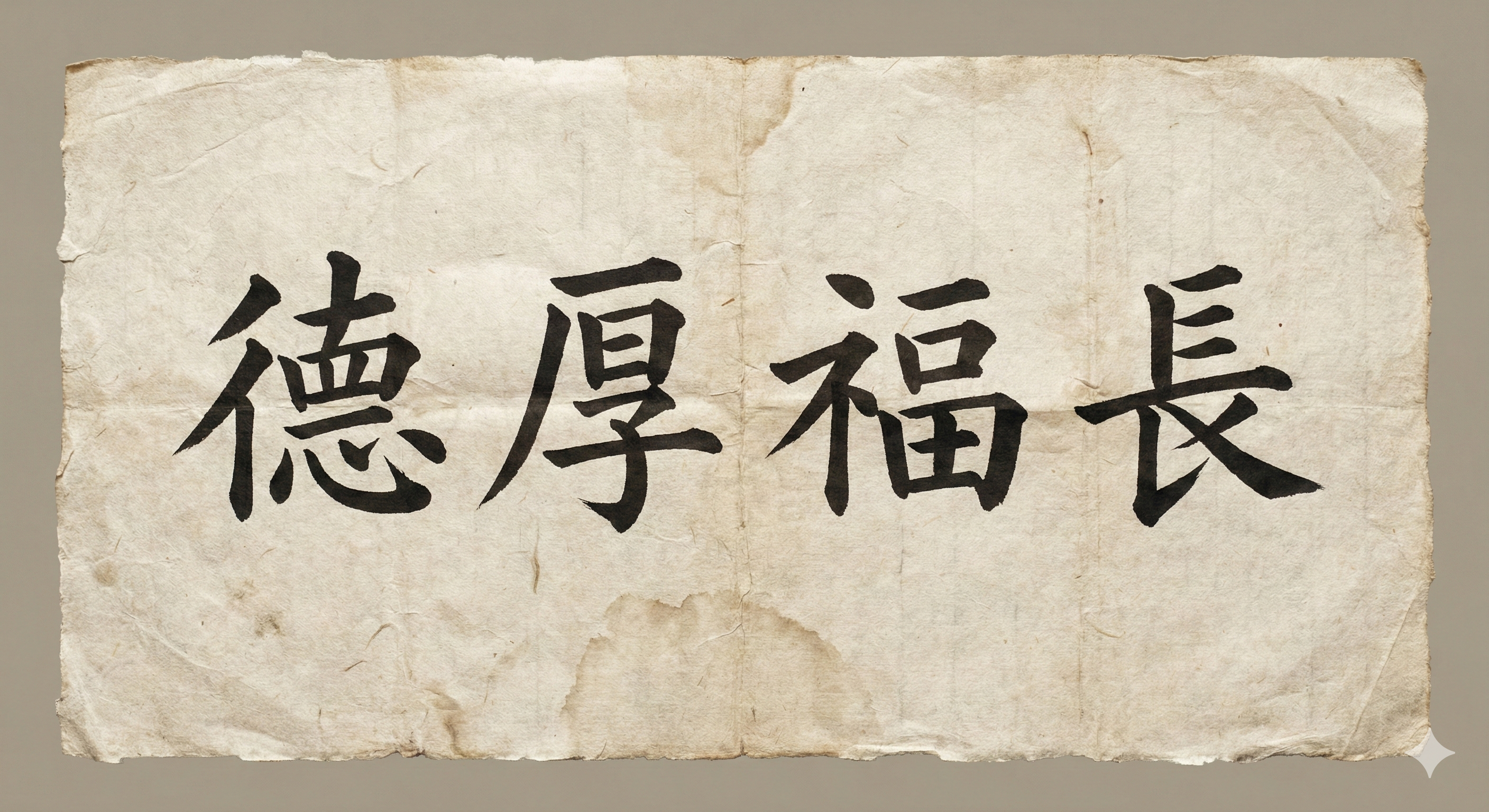
Image Healing: Mandala Stability Guidance 10
Each inhale is like tracing the outer circle; each exhale brings the world back to order. You are no different from the rhythm of all things; you simply sometimes forget this connection. Let this image remind you: even with a restless heart, the universe continues to breathe, and your body flows with it. Slow down together and dwell in the present moment.
◉ Gaze at the mandala twice, while taking deep breaths.
Lesson 10: The Language of the Body
Objective: To understand that somatic anxiety (such as stomach pain, headache, insomnia) is a signal of emotion, not an enemy. Painting teaches you to listen to your body.
Steps: Draw "symptom islands" on paper, using symbols to represent the areas of discomfort and colors to indicate intensity. Next, draw "response bridges"—write down possible caregiving behaviors, such as applying heat, resting, and expressing feelings. The goal is to create a "body speaks—I respond" relationship, rather than resistance.
Please log in before submitting your drawings and feelings.
○ 10. Suggestions for a Bodyification Anxiety Journal
① What are the most common physical signals I experience? (Stomach pain/headache/rapid heartbeat/cold hands and feet)
② In what situations does it usually occur? (Stress, conversation, nighttime, before bed)
③ What was I thinking when I appeared this time?
④ Have I neglected my body's needs (rest/diet/temperature/sleep)?
⑤ How can I respond to my body's cues today? Write down three specific actions.
⑥ Tomorrow's small action: 5 minutes of breathing scan exercise before bed.
Please log in to use.
Your body is not your enemy, but your earliest and most loyal friend.
 EN
EN  ZH
ZH  ES
ES  FR
FR  JA
JA