

Lesson 1022: Types of Childhood Psychological Trauma
Duration:75 minutes
Topic Introduction:This course will introduce different types of childhood trauma, including physical abuse, emotional neglect, sexual assault, and domestic violence, to help students gain a deeper understanding of the impact these traumas have on individual psychological development. Students will also learn how to identify different types of childhood trauma and master coping and treatment methods.
Types of childhood trauma
- Physical abuse:Learn about the impact of physical abuse on children's physical health and psychological development, how to identify violent behavior and its consequences.
- Emotional neglect:To explore the long-term effects of emotional neglect on children's self-esteem, emotional stability, and close relationships.
- Sexual Assault:Analyze the serious impact of sexual assault on children's mental health, including post-traumatic stress disorder (PTSD) and anxiety disorders.
- Domestic violence:Understand the impact of domestic violence on children's mental health, especially emotional regulation, social skills and behavioral problems.
- Emotional trauma:Explore children's psychological reactions to emotional trauma, such as separation anxiety and intimacy problems.
- Neglect and violence intertwine:Analyze the double trauma faced by children growing up in a family environment where neglect and violence are intertwined.
▲ AI Interaction: How to Identify and Understand the Types of Childhood Psychological Trauma
Childhood trauma can include neglect, loss, verbal abuse, or violence.
In a quiet moment, write down three effects you felt, not the events themselves.
Seeing the different types can help you understand your reactions more clearly.
Conclusion: Recognizing experiences is the first step to self-healing.
Click the button below to discuss different types of childhood psychological trauma with AI and learn how to effectively cope with and treat these traumas.
○ Types of Childhood Trauma · Music Therapy
Different types of childhood trauma are like music of different tones, some are low and some are rapid.
Please play a clearly structured piece of music that records, in sections, impressions of neglect, loss, or verbal aggression.
Let the melody help you place the experience, rather than getting bogged down in the details.
Conclusion: When the genre is identified, the music will act like annotations, making the confusion gradually clear.
🍵Aromatherapy drinks
Recommended reasons:In the aromatherapy system, some natural plant extracts are also mixed with warm water for drinking, such as adding a few drops of lemon balm, rose water, or orange blossom water, as a small drink for emotional balance.
It is mainly used in small amounts, emphasizing the dual psychological effect of aroma and subtle taste.
Recommended drinks:Peppermint and Orange Blossom Tea: The combination of peppermint and orange blossom is a classic recipe for relieving anxiety and stress. Peppermint helps to cool and refresh, relieving headaches and anxiety; orange blossom has a calming effect, relaxing the body and reducing tension. This tea helps to relax the mind and relieve tension caused by stress and anxiety.
Instructions: Place one spoonful each of mint leaves and orange blossoms in hot water and steep for 5-7 minutes, stirring well. Drink 1-2 times daily. It is especially suitable for drinking after a busy or stressful day to help restore energy and relieve stress.
○ Vegetable Clear Soup
Lightly salted, it replenishes hydration and balances electrolytes, while gently infusing vegetable micronutrients to relieve fatigue and abdominal discomfort. Ideal for seasonal changes, overtime work, or when energy levels are low, it provides relaxation and digestive support.
Light burden
Digestion-friendly
Healing Recipes
/home2/lzxwhemy/public_html/arttao_org/wp-content/uploads/cookbook/chicken-veg-soup.html(Please confirm that chicken-veg-soup.html has been uploaded)
🎨 Dream Mandala
Dream Healing: Dream Mandala Imagery 20
As the dream fades, a certain emotion still echoes in the heart. It's not disappearance, but a kind of integration. The mandala symbolizes the continuation of dreams; it transforms memories into gentle traces, reminding you that all dreams teach you about life.
The dissipation of a dream is the rebirth of consciousness.

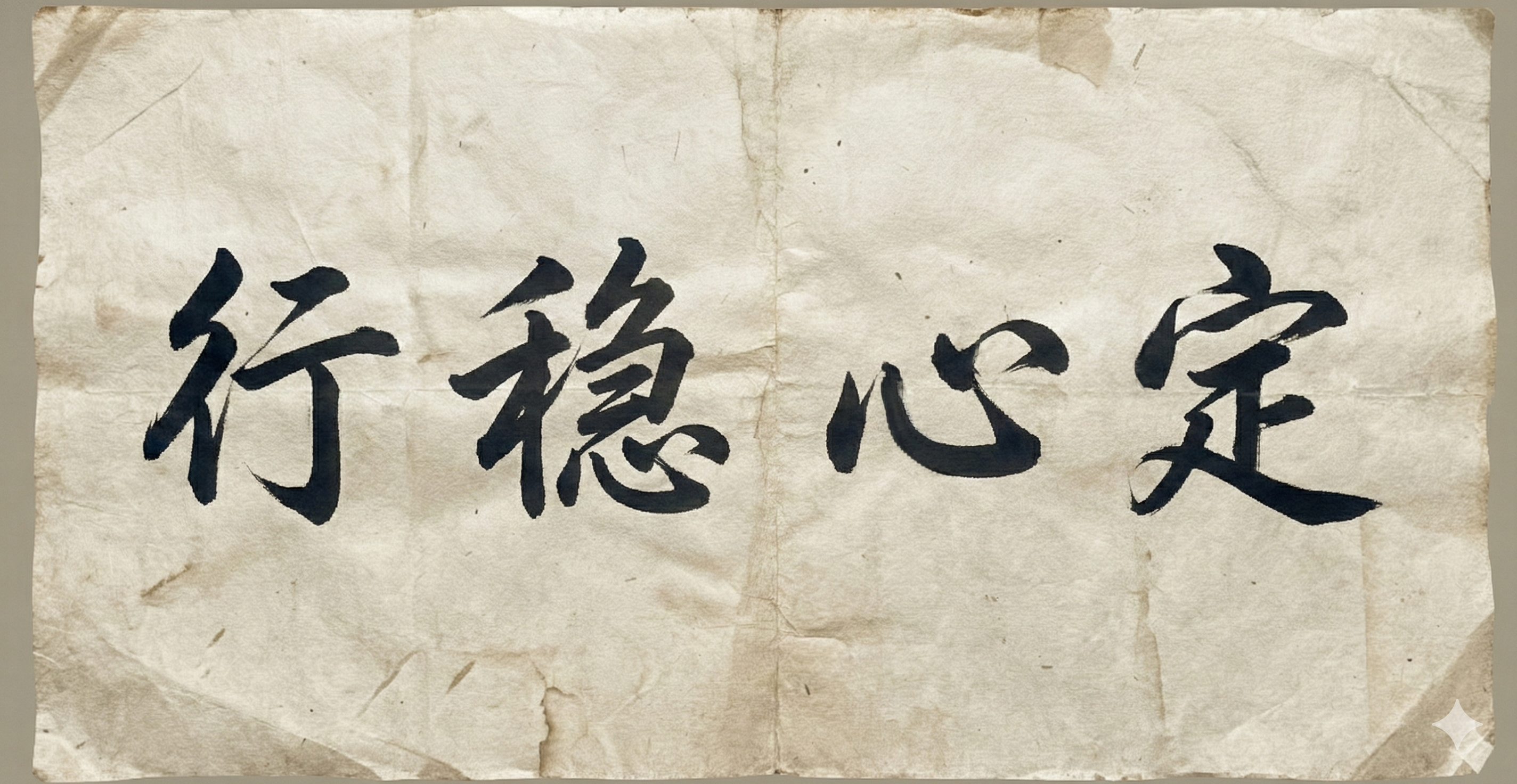
○ Humanistic calligraphy writing practice
Humanist calligraphy from the Italian Renaissance is characterized by elegant, flowing, and balanced letterforms. The intense focus and meticulousness of writing can help regulate emotions, relieve anxiety, and restore emotional stability. The rhythm and harmony between letters during writing can bring psychological relaxation and satisfaction, while also inspiring creativity and inner peace.
Tips and suggestions:
- Written words:
I am my own best supporter. - Writing Tips:
When writing this phrase, it's recommended to use firm, powerful strokes, maintaining even breathing and a steady rhythm. Consciously cultivate the image of "I can support myself," allowing each stroke to convey a sense of self-companionship and self-support. If you sense inner uncertainty or dependence on external factors, be gentle and aware of this, and strengthen your inner self-reliability through a firm, steady writing style. - Daily recommendations:
Recite this sentence daily using Humanist Script as a self-support exercise. It's recommended to actively practice this whenever you feel lonely, lost, or helpless. It can help you stabilize your inner strength and reduce over-reliance on external factors. Long-term practice can cultivate a more stable sense of self-sustainability, enhance your ability to support yourself in the face of challenges, and strengthen your inner security.
Lesson 1022: Types of Childhood Psychological Trauma
Objective: To recognize the diverse forms of childhood trauma, such as neglect, abuse, and emotional absence.
Steps: Draw several puzzle pieces of different colors, each representing a type of trauma. Arrange them in a circle, symbolizing that you are learning to integrate them, rather than being torn apart by them.
Please log in before submitting your drawings and feelings.
○ 1022. Types of Childhood Psychological Trauma: Journaling Guidance Suggestions
① When recalling, only write down the “clues” without the details: neglect/verbal harm/loss/witnessing conflict, etc.
② Write down the most common triggers (sounds, expressions, scenes) for each category.
③ Observe your body: heartbeat, neck and shoulders, and stomach tension on a scale of 0-10. Practice naming them instead of suppressing them.
④ Matching support: trigger → breathe/ground/leave → who to contact, forming a small process.
⑤ Write a boundary declaration: I can say "no" and I have the right to pause and protect myself.
⑥ Conclusion: Identifying types is the starting point for finding the right tools for yourself.
Please log in to use.
Through this course, you will be able to better identify different types of childhood trauma and learn how to restore balance through drawing, food therapy, and herbal teas.
 EN
EN  ZH
ZH  ES
ES  FR
FR  JA
JA