

Lesson 1023: Causes and Influencing Factors of Childhood Psychological Trauma
Duration:75 minutes
Topic Introduction:This course will delve into the causes and influencing factors of childhood psychological trauma, including family environment, social factors, and biological factors. Students will understand how childhood trauma affects an individual's psychological and emotional development at multiple levels, and how this trauma affects their mental health in adulthood.
○ Causes and influencing factors of childhood psychological trauma
- Family environment:Explore the impact of family environment on children's psychological trauma, including parental discord, domestic violence, abuse and neglect.
- Social environment:Analyze how social environmental factors such as poverty, lack of social support, school violence, and social isolation can contribute to trauma.
- Biological factors:Study how children's biology influences their mental health, exploring the influence of genes, neurobiology, and brain structure.
- Cultural Background:Understand how cultural context shapes children's responses to trauma and how cultural differences influence how trauma is perceived and processed.
- Individual differences:Explore the differences in children's individual differences (such as personality, cognitive style, emotion regulation ability, etc.) when facing trauma.
- Persistence of the traumatic experience:Analyze how the duration and frequency of trauma affect the depth of trauma and explore the long-term impact of ongoing traumatic experiences on children's emotional and psychological development.
▲ AI Interaction: How to Identify and Understand the Causes of Childhood Trauma
The causes of trauma are often related to environment, relationships, and personal resources.
Please write down the three elements of your growing environment that most stressed you out.
Then write down three resources that support you right now to remind yourself that you are no longer alone.
Conclusion: Causes help you understand the past, and resources lead you to the future.
Click the button below to discuss the causes and influencing factors of childhood psychological trauma with AI, and learn how to adopt effective coping strategies by identifying the causes.
○ Causes and influencing factors of childhood psychological trauma · Music therapy
Music can help you reflect on past circumstances and relationships without being overwhelmed by them.
While listening to soothing background music, please write down the three most stressful factors about your growing environment.
During the chorus, change your perspective and write down three resources that are supporting you in this moment.
Conclusion: The melody allows the past to speak to the present, reminding you that you are not alone.
🍵 Warm milk/golden milk
Recommended reasons:After being incorporated into the Indian Ayurvedic system in the West, "golden milk" (made by boiling turmeric, cinnamon, black pepper, milk or plant-based milk) became a popular nighttime healing drink.
Effects: Anti-inflammatory, sleep aid, and anxiety reliever.
Recommended drinks: Classic Golden Milk (Turmeric Milk): Classic golden milk is made with turmeric, milk, and black pepper. Curcumin, the active ingredient in turmeric, is a powerful antioxidant that can relieve inflammation and stress. Combined with black pepper, it enhances curcumin absorption, helping to alleviate physical discomfort caused by anxiety and depression. This drink helps soothe emotions, promotes sleep, and has a warming, calming effect.
Instructions: Heat 250ml of milk, add 1/2 teaspoon of turmeric powder and 1/4 teaspoon of black pepper powder, stir well, and finally add honey or maple syrup to taste. Drink before bed every night to help relax the mind and body and relieve anxiety and insomnia.
○ Hara bread
With a moderate energy boost and a soft texture, it's a great staple for balancing protein and vegetable intake. Rich in carbohydrates and some B vitamins, it's beneficial for both mental and physical output, making it perfect for family sharing and social dining.
B group support
Share Friendly
Healing Recipes
/home2/lzxwhemy/public_html/arttao_org/wp-content/uploads/cookbook/challah-bread.html(Please confirm that you have uploaded: challenge-bread.html)
🎨 Dream Mandala
Dream Healing: Dream Mandala (Image of a Dream Mandala) - Part 21
Sometimes the figures in your dreams aren't other people, but rather embodiments of different parts of yourself. Scenes of conflict or reconciliation reflect your relationship with yourself. As you begin to understand their language, you are also learning how to be at peace with yourself.
The other person in your dreams is your inner self.

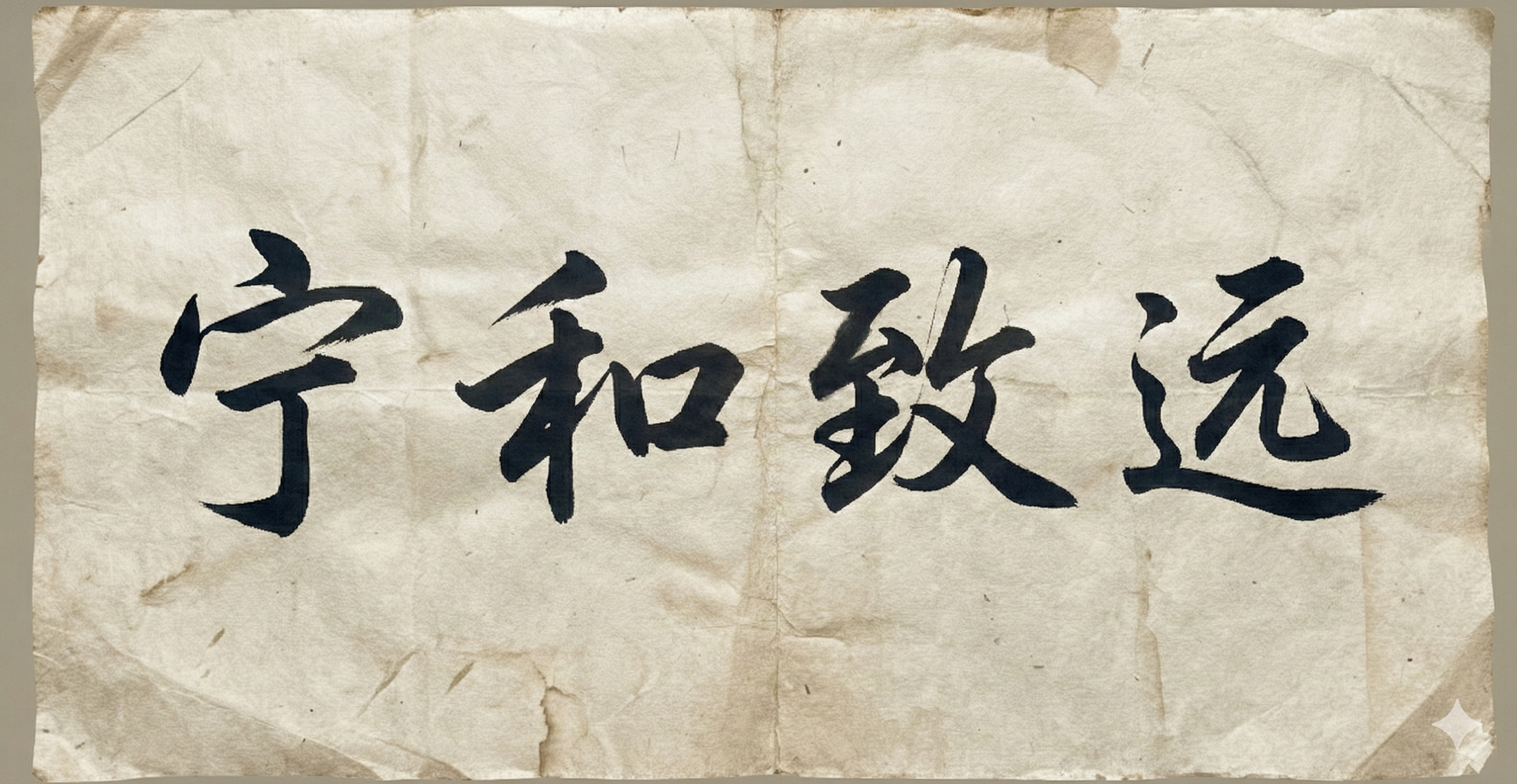
○ Humanistic calligraphy writing practice
Humanist calligraphy from the Italian Renaissance is characterized by elegant, flowing, and balanced letterforms. The intense focus and meticulousness of writing can help regulate emotions, relieve anxiety, and restore emotional stability. The rhythm and harmony between letters during writing can bring psychological relaxation and satisfaction, while also inspiring creativity and inner peace.
Tips and suggestions:
- Written words:
I believe that even slow progress is progress. - Writing Tips:
When writing this sentence, it's recommended to proceed at a slow, steady, and patient pace, viewing each stroke as a symbol of progress. Be aware of any urges to finish quickly or any impatience with yourself. If so, gently acknowledge these urges and remind yourself that every stroke, every small step, is progress worth recognizing. Use writing to cultivate a respectful attitude toward the process. - Daily recommendations:
Recite this sentence daily using Humanist Script as an exercise to cultivate process-oriented thinking. It's recommended to proactively practice this when facing slow progress, feelings of inefficiency, and self-denial. This will help you adjust your mindset, strengthen your patience, and enhance your sense of self-esteem. Long-term persistence will help reduce impatience and perfectionism, strengthen your appreciation for the value of the process, and enhance your ability to grow steadily.
Lesson 1023: Causes and Influencing Factors of Childhood Psychological Trauma
Objective: To explore the environmental and relational factors that lead to trauma and to understand that one is not responsible for the trauma.
Steps: Draw a circle, write "I" in the center, and draw the influencing factors such as environment, family, and culture on the outer layer. Let the lines extend outward, symbolizing that you are beginning to separate from trauma and become aware of it.
Please log in before submitting your drawings and feelings.
○ 1023. Causes and Influencing Factors • Log Guidance Suggestions
① Three-circle model: Event/my resources at the time/external support, write down the key points respectively.
② Susceptible windows: The most vulnerable time of the day and common thoughts, put in buffer actions in advance.
③ Rewrite “I shouldn’t have this reaction” to “This is the nervous system’s protection.”
④ List two protective factors: a trustworthy person/a safe place/a stable ritual.
⑤ Today’s Micro-Step: Do a breath or stretch 5 minutes before your susceptible period.
⑥ Conclusion: When the impact is seen, the choice is back in your hands.
Please log in to use.
Through this course, you will be able to better understand the causes and influencing factors of childhood psychological trauma, and learn how to regulate and restore physical and mental balance through painting, diet therapy and herbal tea.
 EN
EN  ZH
ZH  ES
ES  FR
FR  JA
JA