

Lesson 1025: Identification and Diagnosis of Childhood Psychological Trauma
Duration:75 minutes
Topic Introduction:This course will explain the identification and diagnosis of childhood psychological trauma, helping participants understand how to assess and identify possible childhood trauma. It will introduce common post-traumatic symptoms, clinical assessment tools, and strategies for identifying signs of trauma. Participants will master effective psychological assessments to identify signs of trauma early in clinical practice and implement appropriate interventions.
○ Identification and diagnosis of childhood psychological trauma
- Common symptoms of trauma:Learn how to recognize common symptoms of childhood trauma, including avoidant behavior, hyperarousal, mood swings, intimacy problems, and more.
- Clinical Assessment Tools:Introduce commonly used trauma assessment tools, such as the Post-Traumatic Stress Disorder Scale (PTSD Scale) and the Child Trauma Scale, to help students assess individual traumatic experiences.
- Emotional and behavioral responses:Analyze how traumatic experiences affect emotions and behavioral manifestations, and identify emotional fluctuations and behavioral abnormalities caused by trauma.
- Trauma Response and Stages of Development:Explore the characteristics of children's trauma responses at different stages of development and how trauma affects their long-term mental health and behavioral patterns.
- Professional judgment in trauma recognition:Emphasizes the role of clinical psychologists in identifying signs of childhood trauma through professional judgment and observation.
- Early intervention strategies:Introduces how to intervene in the early stages of childhood trauma identification to help traumatized children mitigate the long-term effects of trauma.
▲ AI Interaction: How to Identify and Diagnose Childhood Psychological Trauma
Identification is not about labeling yourself, but about seeing the current situation more clearly.
Please write down three recent situations that gave you strong reactions and that could be triggers.
Try to describe your physical reactions at the time, making them visible rather than hidden.
Conclusion: Recognition is a light that illuminates the bridge between you and healing.
Click the button below to discuss with AI how to identify the symptoms and assessment methods of childhood trauma, and help yourself or others identify and intervene in trauma.
○ Identification and diagnosis of childhood psychological trauma · Music therapy
Please play a calm piano piece and use it as background light.
Write down the three most recent times you had a strong reaction to the melody and describe the physical sensations.
Let the music remind you: this is observation, not blame.
Conclusion: The process of identification is the process of bringing darkness back to the light.
🍵 Warm milk/golden milk
Recommended reasons:After being incorporated into the Indian Ayurvedic system in the West, "golden milk" (made by boiling turmeric, cinnamon, black pepper, milk or plant-based milk) became a popular nighttime healing drink.
Effects: Anti-inflammatory, sleep aid, and anxiety reliever.
Recommended drinks:Golden Milk with Cinnamon: Adding cinnamon to golden milk gives this drink a warm aroma and enhances its soothing effects. Cinnamon is a natural antioxidant that helps regulate blood sugar and reduce stress. This drink not only helps alleviate mood swings caused by depression but also helps restore physical and mental balance.
Directions: Heat 250ml of milk, add 1/2 teaspoon of turmeric powder and 1/2 teaspoon of cinnamon powder, and stir well. Drink every evening to help stabilize mood, relieve stress, and promote deep sleep.
Lentil soup
This combination of plant protein and soluble fiber provides long-lasting satiety and is gut-friendly. Iron and folic acid support blood production and vitality. It's ideal for training sessions and high-focus workdays as a lightweight and efficient energy source.
Gut-friendly
Hematopoietic support
Healing Recipes
/home2/lzxwhemy/public_html/arttao_org/wp-content/uploads/cookbook/lentil-soup.html(Please confirm that lentil-soup.html has been uploaded)
🎨 Dream Mandala
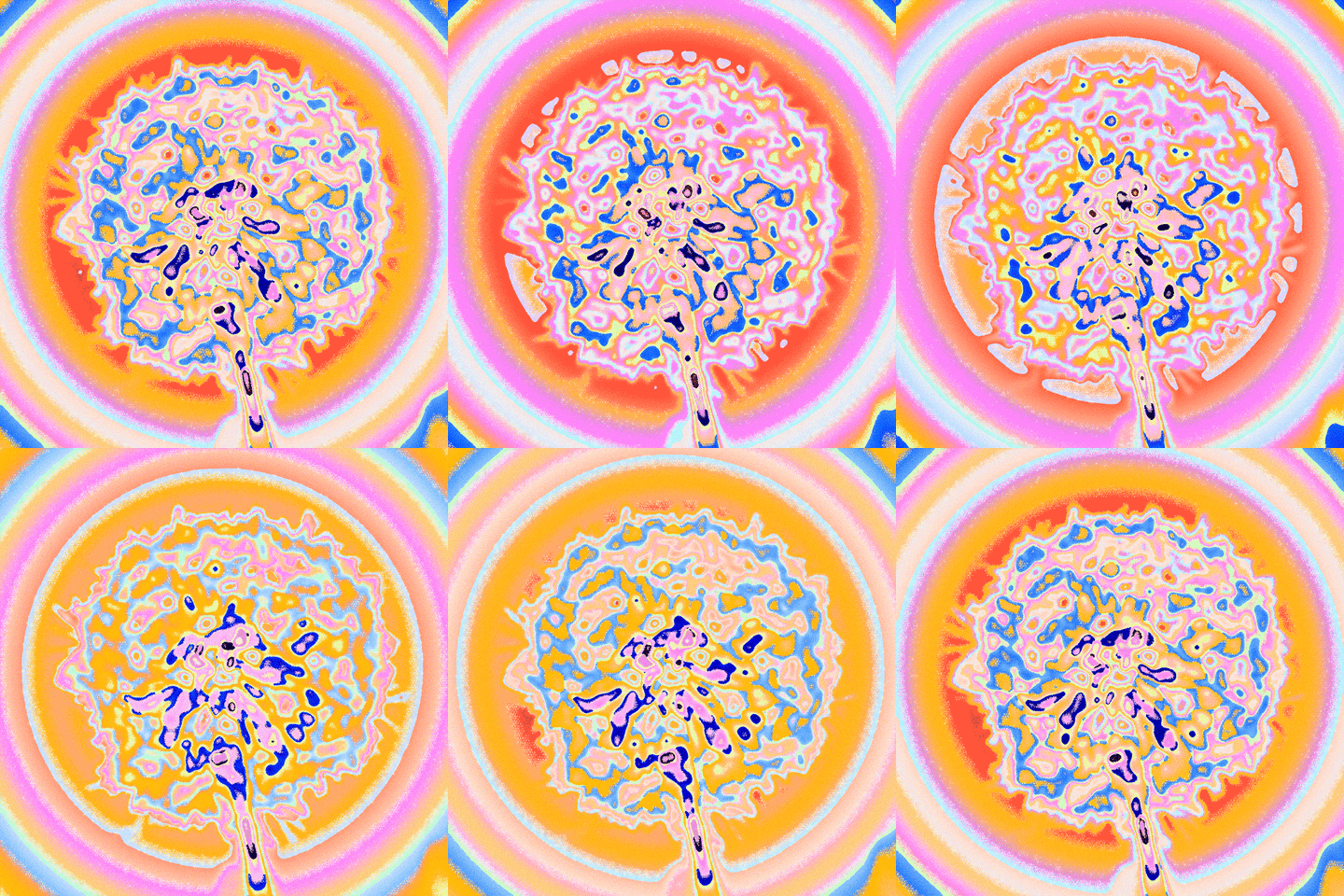
Dream Healing: Dream Mandala (Image of a Dream Mandala) - Part 23
When dreams become a journey, each stage symbolizes a migration of the soul. The unknown destination already lies within your heart. Every step forward is a reunion with your subconscious.
The journey is a metaphor for spiritual awakening.
○ Humanistic calligraphy writing practice
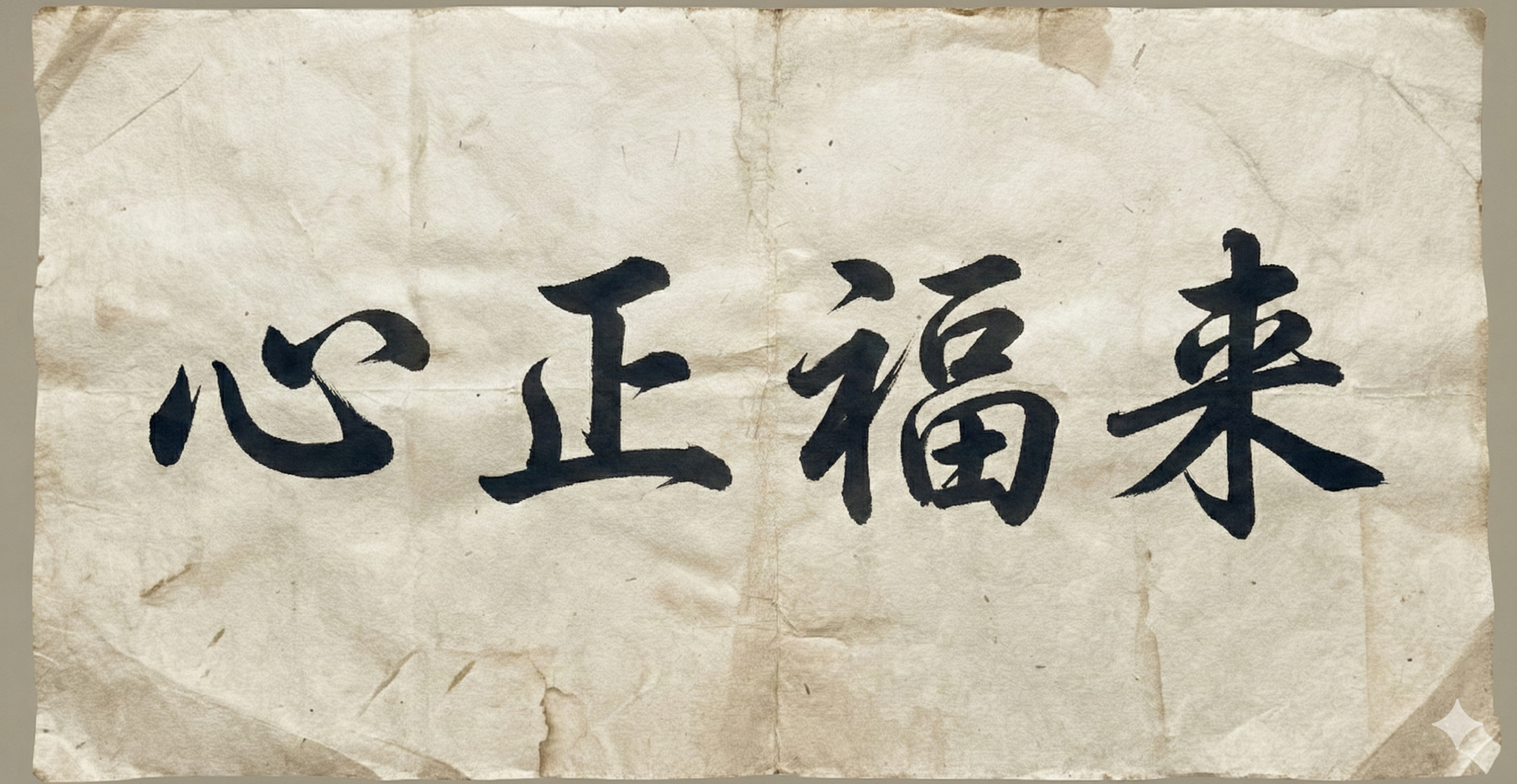
Humanist calligraphy from the Italian Renaissance is characterized by elegant, flowing, and balanced letterforms. The intense focus and meticulousness of writing can help regulate emotions, relieve anxiety, and restore emotional stability. The rhythm and harmony between letters during writing can bring psychological relaxation and satisfaction, while also inspiring creativity and inner peace.
Tips and suggestions:
- Written words:
I do not need to be perfect; being authentic is enough. - Writing Tips:
When writing this sentence, it's recommended to use natural, flowing strokes without striving for perfection, allowing for subtle variations and imperfections in each stroke. During the process, be aware of any tendency to strive for perfection. If so, gently acknowledge this and remind yourself that authenticity is enough. Let writing itself become an experience of practicing authentic expression and letting go of perfectionism. - Daily recommendations:
Recite this sentence daily using Humanist Script as an exercise to let go of perfectionism and strengthen self-acceptance. It's recommended to proactively use it when confronting self-criticism or excessive standards, helping you cultivate appreciation and acceptance for your authentic and natural self. Long-term practice can help reduce self-criticism, enhance your sense of self-worth, and foster the freedom to express yourself authentically.
Lesson 1025: Identification and Diagnosis of Childhood Psychological Trauma
Objective: To become aware of the external manifestations and internal signals of trauma, and to learn to identify emotional responses using visual methods.
Steps: Draw a mask. Write down how you usually act on the outer layer, and use color blocks to express your true feelings on the inner layer. Observe the difference between the two layers and remind yourself: awareness is the beginning of authenticity.
Please log in before submitting your drawings and feelings.
○ 1025. Identification and Diagnosis: Log-Guided Suggestions
① Today’s self-assessment: Sleep, Concentration, Startle Easiness, Avoidance, each with a score of 0–10. Circle the items with a score higher than 6.
② Trigger record: time - scene - thought - reaction, just complete two.
③ Risk screening: If you have thoughts of self-harm or loss of control, write down the immediate help channels and contacts.
④ List three questions you would like to ask a professional to reduce anxiety about seeking medical treatment.
⑤ Write a self-permission statement: “I am entitled to assessment and support.”
⑥ Conclusion: Identification is not about labeling, but about helping people find their direction.
Please log in to use.
Through this course, you will be able to better identify the symptoms of childhood trauma and learn how to regulate and restore physical and mental balance through painting, diet therapy, and herbal teas.
 EN
EN  ZH
ZH  ES
ES  FR
FR  JA
JA