

Lesson 1016: The Role of Art Therapy in Psychological Adaptation
Duration:75 minutes
Topic Introduction (Overview):
During the recovery period following an acute stress reaction, people often find it difficult to express their feelings directly in words: some emotions are too fragmented, too complex, too subtle to describe; some experiences still carry physical shocks, making language seem inadequate. Art therapy offers a "non-verbal path to self-reintegration," allowing unspoken emotions to be safely presented and moved through color, lines, rhythm, movement, images, and symbols.
This course will guide you to understand why art therapy plays a crucial role in adjustment disorder: it bypasses the limitations of language, directly reaching the sensory layers of the brain and emotions to help you rebuild a sense of security, regulate emotions, restore inner order, and rediscover direction amidst chaos. You will learn how to gradually loosen your mind through expression via drawing, music, movement, and writing. Mandalas are not about drawing something, but about observation—observing how lines express you, observing how colors flow for you, and observing how your inner self gradually returns to a stable state.
▲ AI Interaction: Which art form can soothe you the most?
Please answer the following questions to let AI help you find the art therapy method that best suits you:
① When was the last time you were touched by color, music, or images?
② If you could only choose one way to express yourself, what would you choose: color? lines? words? actions? sound?
③ What art forms make you feel "safe"? A steady rhythm? A repetitive structure? Soft lines? Or symbolic shapes?
④ What kind of art practice makes you feel "I am recovering"?
Click the button below to begin your dialogue with your art therapy style.
○ Artistic Awareness: Exercises on the Interaction Between Music and Color
Choose a piece of music with a gentle melody and a steady rhythm, and simultaneously draw lines on paper.
The lines do not need to be shaped; they only need to follow the rhythm—expanding when fast, contracting when slow, and remaining still when paused.
Objective: To reconnect the body, emotions, and expression.
🍵 Herbal Healing Tea - Tranquil and Creative Tea Recipes
Recommended tea recipe:Lemon balm + rose.
Melissa can stabilize the nervous system and help focus fluctuating emotions; rose can soften chest tightness and make the expression process more fluid.
It is suitable to drink before painting, writing, or mandala practice.
○ German Whole Grain Therapy: Helping Emotions "Stabilize"“
When emotions are expressed and a sense of "relaxation" occurs, the body may feel tired or empty.
German whole grain therapy emphasizes using long-chain carbohydrates and warm energy to help emotions "ground" themselves.
Recommended: Warm oatmeal, rye flakes with chopped apples, and pumpkin seed energy bowls—these can help calm your inner state and reduce the feeling of exhaustion after artistic expression.
Healing Recipes
/home2/lzxwhemy/public_html/arttao_org/wp-content/uploads/cookbook/kao-hong-shu-pei-hei-dou.html(Please confirm that the file has been uploaded: kao-hong-shu-pei-hei-dou.html)
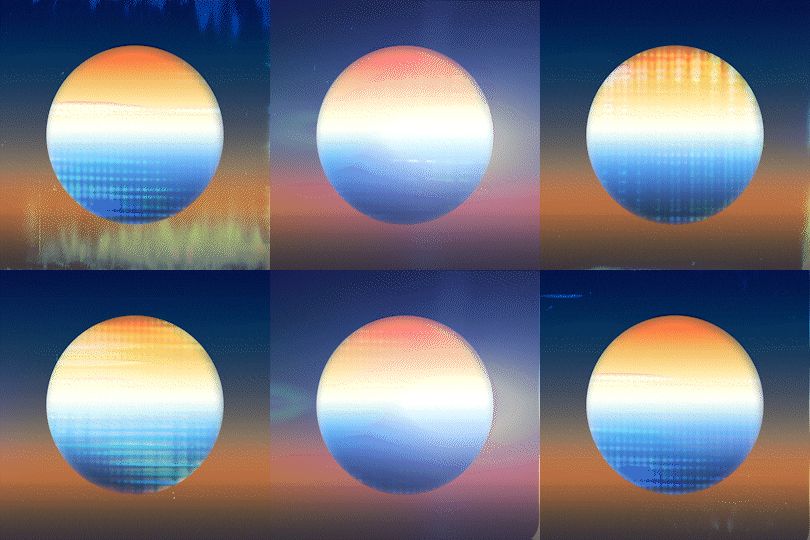
🎨 Dream Mandala Healing · Mi Xiangwen 1016 · Echoes of Color
You dream that you are standing in a room of light, surrounded by slowly flowing colors.
At first, you can't tell what these colors mean; they are as chaotic, mixed, and constantly changing as emotions.
As you gently extend your hand, the colors swirl around your fingertips, as if responding to your presence.
Gradually, you'll find that the colors develop an order in your breathing: they brighten when you inhale and soften when you exhale.
It turns out they weren't chaotic, but rather waiting for you to resonate with them.
Mandala is not about drawing something, but about observing—observing how colors express your unspeakable feelings in the present moment, observing how your inner self regains wholeness in the rhythm of light.
○ Running script - Artistic expression in writing
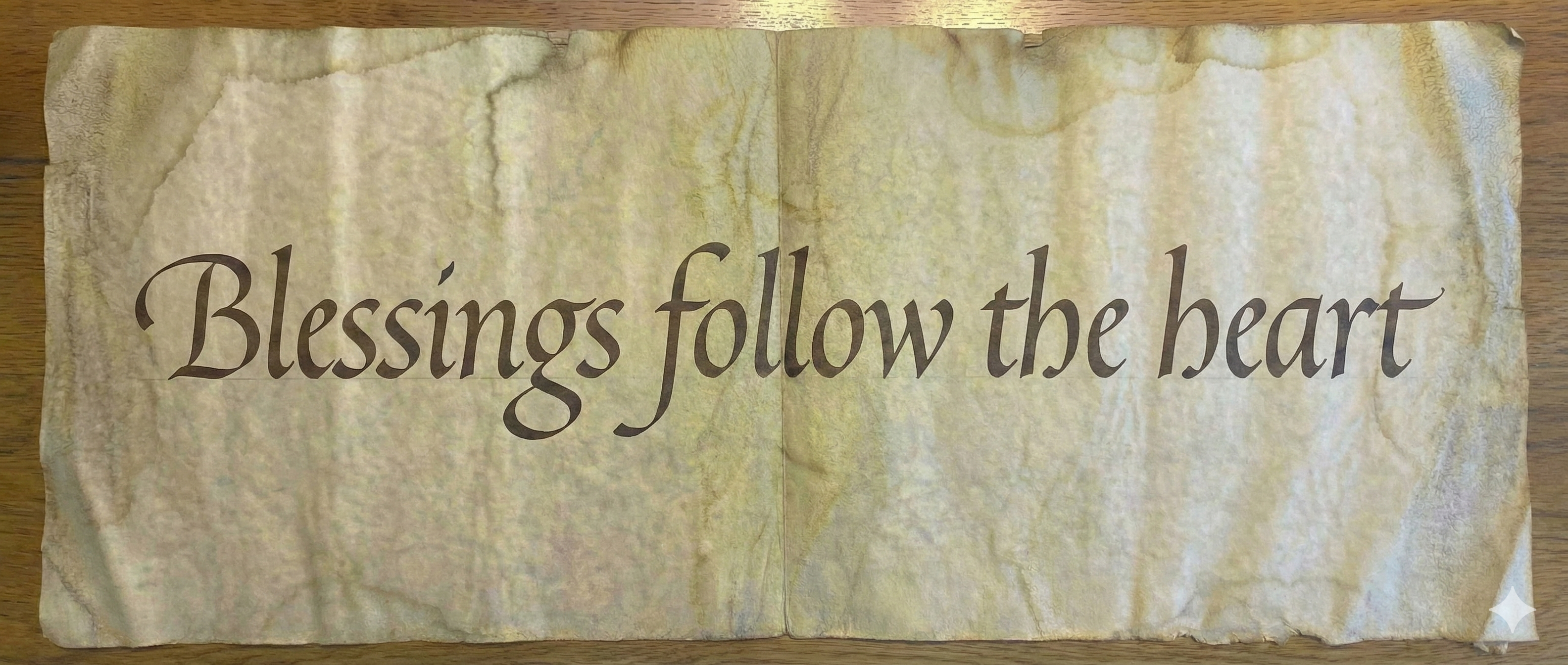
Running script emphasizes flow, breath, and rhythm, which is consistent with the essence of artistic expression.
- Written words:The will follows the heart.
- English equivalent:My expression follows my heart.
- hint:When writing the character “随”, let the brushstrokes turn naturally, symbolizing freedom and flexibility in expression.
Lesson 1016: Artistic Expression - Guided Painting
Purpose: To use images to convey emotions and help the mind transition.
step:
● Choose three colors that best represent your current mood.
● Scribble freely on the paper, without pursuing shapes or rules, and let the color blocks overlap each other.
● Next, add the thinnest line and let it run through all the color blocks, symbolizing your "main line" in the chaos.
● Finally, surround the entire image with a soft outer frame to represent "I can handle these emotions".
Please log in before submitting your drawings and feelings.
○ 1016. Art Therapy: Journaling Guidance Suggestions
① What emotion do you most want to express through art today?
② Which color best reflects your current state? Why?
③ Which makes you feel most relaxed: painting, music, or writing?
④ What is your "main storyline"? Can you find it in the image?
⑤ Did today's expression bring you closer to yourself? In what way?
Please log in to use.
Art allows emotions to move, experiences to be seen, and helps you relearn to stabilize yourself through creation.
 EN
EN  ZH
ZH  ES
ES  FR
FR  JA
JA