

Lesson 1033: Psychological Characteristics and Protective Education of Sexual Trauma
Duration:75 minutes
Topic Introduction (Overview):
Sexual trauma differs from typical acute stress events; it not only impacts the body but also profoundly tears apart fundamental perceptions of "self," "boundaries," "relationships," and "safety." Many people who experience sexual trauma exhibit reactions such as shame, self-blame, numbness, fragmented memories, a disconnect between the body and emotions, fear, avoidance of intimacy, excessive compliance, or intense defensiveness. These reactions are not signs of "vulnerability" but rather protective mechanisms activated by the brain under extreme threats: freezing, dissociation, numbness, fading memories, and suppressing feelings are all survival instincts.
This course will help you understand the psychological characteristics of sexual trauma, why it is often accompanied by confusion, silence, self-doubt, and even an inability to speak out after the event; it will also introduce the core concepts of protective education—boundary awareness, bodily autonomy, identifying dangerous behaviors, cultivating the ability to "say no," and how to build a more robust safety framework for yourself in daily life. Through the calming effects of herbal healing teas, the body-restoring properties of German whole grain therapy, the rhythmic stability of humanistic calligraphy, and the healing approach of "mandalas are not about drawing something, but about seeing," you will learn to reconnect with your body, feelings, voice, and power.
▲ AI Interaction: Understanding "It's Not Your Fault"“
Please write down your deepest inner accusation (e.g., Was I not vigilant enough? Did I do something wrong?).
Then answer: If the same thing happened to someone you love deeply, would you still blame them?
This is an important step in trauma healing: seeing the double standards and bringing the self-critical voice into the light.
Click the button below to let AI help you distinguish between "real responsibility" and "self-blame distorted by trauma".
○ Trauma Soothing & Music Therapy
Play a piece of soft but supportive music and let your body gradually relax with the sound.
Focus your attention on your chest and abdomen, and see if the music makes it easier for you to breathe.
If you experience discomfort, a desire to cry, or feelings of depression, it means your body is unfreezing.
🍵 Herbal Healing Tea: Stabilizing and Promoting Post-Sexual Trauma
Recommended recipe:Rose + Verbena + Chamomile.
Rose soothes shame and guilt, verbena gently calms the nervous system, and chamomile helps the body return to its normal state from dissociation and tension.
When drinking, focus on the temperature and aroma, allowing your body to gradually return to the feeling of "I deserve gentleness".
German Whole Grain Therapy: Repairing the Foundation of Energy After Long-Term Trauma
Sexual trauma is often accompanied by loss of appetite, unstable blood sugar, sleep disturbances, fatigue, and a sense of physical alienation. German whole grain therapy emphasizes "warmth, regularity, and basic nutrition," such as rye porridge, oats, farro, and whole-wheat bread paired with nuts and seeds. The slow-release energy of whole grains can reduce post-traumatic cortisol fluctuations and bring a sense of stability and groundedness.
In trauma recovery, "regular eating" is itself a way to establish safety and autonomy.
Healing Recipes
/home2/lzxwhemy/public_html/arttao_org/wp-content/uploads/cookbook/kao-hong-shu-pei-hei-dou.html(Please confirm that the file has been uploaded: kao-hong-shu-pei-hei-dou.html)
🎨 Dream Mandala Healing · Mi Xiangwen 1033 · Give Your Body Back to Yourself
Imagine you are standing in a dimly lit space, your body seemingly enveloped in fog. The fog is not danger, but rather your past fears, shame, silence, and frozen state. You don't drive it away, but simply watch it flow, disperse, and recombine.
You draw a circle on the ground, and the fog slowly gathers towards the center, allowing you to see the shape of every emotion: some like fragments, some like shadows, and some like choked sobs.
You are not painting, but watching—watching your body gradually regain its temperature, watching how those suppressed feelings find an outlet.
The circle of the mandala is the beginning of your regaining control over the boundaries of your body. You are not the fog; you are the one who sees the fog.

✍️ Humanist Calligraphy: A Writing Practice for Restoring Body and Dignity
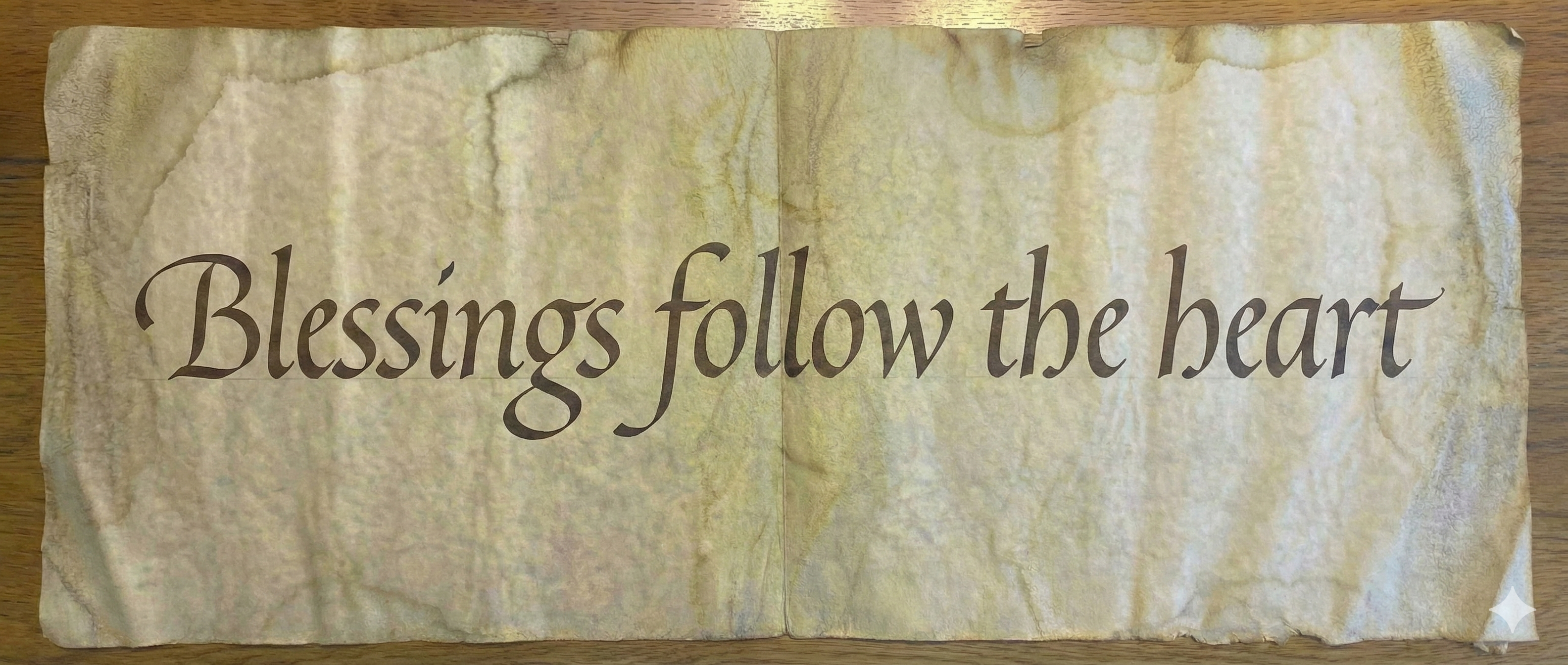
Humanist calligraphy emphasizes structural balance, breath, and rhythm, serving as a tool for reconstructing one's subjectivity.
- Sentence writing:My body belongs to me.
- Slow down when writing "belongs," letting the curve of each letter remind you that control is in your hands.
- Exhale as you write "me" and feel the "self" grounded.
Lesson 1033: Psychological Characteristics of Sexual Trauma - Art Guidance
Purpose:Let the "stolen sense of body" be seen and regained.
step:
1. Draw a symbolic outline of the body on paper; it can be abstract.
2. Draw a light gray color on the areas that feel numb;
Draw sharp lines where you feel pain;
To hide certain areas, deepen the shadows.
3. Finally, draw a soft, complete circle around the outline, symbolizing: I am protecting myself, I am seeing myself, I am returning to myself.
Please log in before submitting your drawings and feelings.
Lesson 1033: Sexual Trauma and Prevention Education - Journal Guidance
① Write down a moment when you felt “insecure” (no need to write details).
② What was your body's reaction at the time? Tightness, numbness, coldness, stiffness, a desire to escape, or numbness?
③ What's the sentence you most often blame yourself for? (e.g., I should have been more careful.)
④ Write a sentence to yourself in response: You deserve to be protected, you no longer need to remain silent.
⑤ Today's exercise: Slowly write "My body belongs to me.", letting the gesture convey a sense of ownership.
Please log in to use.
Sexual trauma won't define you, but the moment you're willing to see yourself, protect yourself, and stand by yourself will redefine your future.
 EN
EN  ZH
ZH  ES
ES  FR
FR  JA
JA