

Lesson 1103: Diagnosis and Assessment of Trauma from Sudden Psychological Events
Duration:75 minutes
Topic Introduction:This course explores how to diagnose and assess trauma following an acute psychological event. Participants will learn various assessment tools and methods to help them identify trauma symptoms, analyze the severity of the trauma, and develop subsequent intervention plans. The course will cover diagnostic criteria, selection of assessment tools, clinical assessment, and individual differences.
○ Diagnosis and assessment of trauma caused by sudden psychological events
- Diagnostic criteria:Understand the diagnostic criteria for sudden psychological trauma, especially the diagnostic criteria for post-traumatic stress disorder (PTSD), such as the DSM-5 and ICD-10 criteria.
- Assessment Tools:Introducing commonly used tools for assessing sudden psychological trauma, such as the PTSD Symptom Checklist (PCL) and the Trauma History Questionnaire (THQ), to help students master how to use these tools for assessment.
- Clinical evaluation process:Analyze how to determine the extent of trauma impact through clinical interviews and symptom assessments and assess its long-term impact on individuals' mental health.
- Consideration of individual differences:Explore how different individuals may exhibit different psychological trauma responses to the same emergency event, and how to consider cultural, contextual, and individual differences in diagnosis.
- Trauma severity assessment:Explain how to assess the severity of trauma, including factors such as the nature of the event, frequency and duration of occurrence, and the individual's coping ability.
- Multidisciplinary Assessment:This paper introduces how multiple disciplines such as psychology, psychiatry, and social work can collaborate in trauma assessment to ensure the comprehensiveness and accuracy of the assessment.
- Follow-up treatment recommendations:Based on the assessment results, participants will learn how to develop an individualized treatment plan and recommend appropriate treatments such as cognitive behavioral therapy (CBT), trauma-focused therapy (TF-CBT), etc.
▲ AI Interaction: How to diagnose and assess trauma caused by sudden psychological events
Assessment is not about labeling yourself, but about helping you understand your current situation.
Please write down three noticeable changes in your sleep, appetite, and social interactions.
Write down another goal you’d like to improve, such as “sleep better” or “be able to hold conversations with people.”
Such self-observation will become an important reference for professional help.
Conclusion: Assessment is a guide to healing, not judgment.
Click the button below to discuss with AI how to identify and assess the symptoms of sudden psychological trauma and learn how to use assessment tools.
○ Diagnosis and assessment of sudden psychological trauma · Music therapy
Evaluation is like tuning, it is about finding a more harmonious frequency.
Play a steady melody and record changes in your sleep, relationships, and focus.
Let the music relieve tension and turn evaluation into gentle self-observation.
Conclusion: Melody accompanies you, making evaluation more like care rather than a burden.
🍵Cocoa Healing
Recommended reasons:In the original American tradition, cocoa beans were not only food but also used for spiritual healing. Many Western mind-body-spirit activities now include a "cocoa ritual," where high-purity cocoa is brewed and consumed in conjunction with meditation or group therapy.
Effects: Opens the mind, increases happiness, and boosts energy.
Recommended drinks:Spicy cocoa drink
Description: This spicy cocoa drink combines chili peppers and ginger powder for a powerful stimulating effect. Capsaicin in chili peppers helps boost metabolism, improve blood circulation, and stimulate the body's energy. This drink is suitable for relieving low mood and fatigue caused by depression, helping to cleanse the body and mind and enhance vitality.
Directions: Mix 2 tablespoons of raw cocoa powder, 1/4 tablespoon of chili powder, and 1/2 tablespoon of ginger powder with 250ml of hot water. Add 1 tablespoon of honey and stir well. Drink before daily meditation or when you need energy; it helps to enhance mood and boost vitality.
Baked Bean Soup
This combination of plant protein and soluble fiber, along with antioxidant polyphenols, supports cardiovascular health. It delivers a steady energy release, leaving you feeling full without feeling heavy. It's ideal as a light evening meal or a recovery snack, helping you regain energy and maintain a stable mood.
Steady-state energy
Heart-friendly
Healing Recipes
/home2/lzxwhemy/public_html/arttao_org/wp-content/uploads/cookbook/kao-dou-tang.html(Please confirm that kao-dou-tang.html has been uploaded)
🎨 Dream Mandala
Dream Healing: Dream Mandala Imagery 33
The child in your dream is a memory of innocence. That untainted laughter reminds you that there are still soft corners within you. Healing is not about becoming strong, but about allowing yourself to be innocent again.
Children are the original heart of the soul.

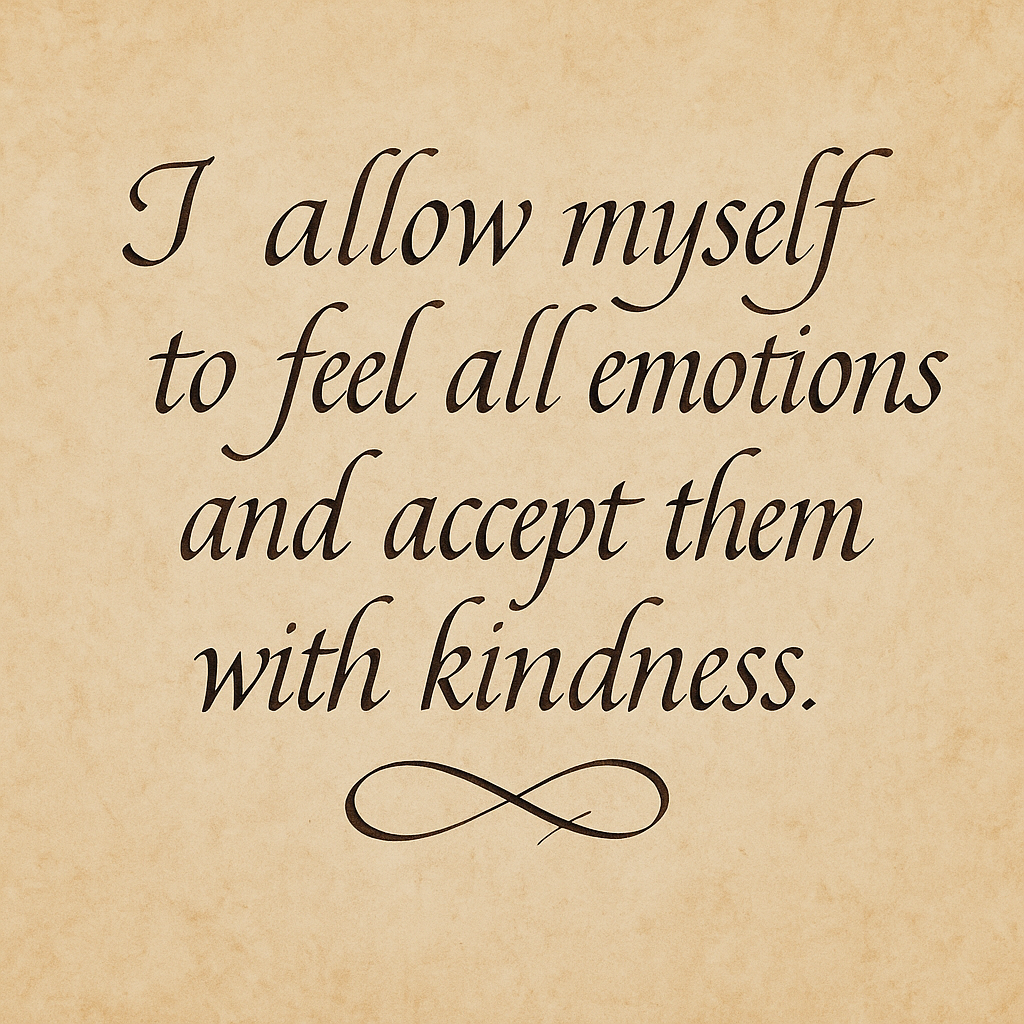
○ Humanistic calligraphy writing practice
Humanist calligraphy from the Italian Renaissance is characterized by elegant, flowing, and balanced letterforms. The intense focus and meticulousness of writing can help regulate emotions, relieve anxiety, and restore emotional stability. The rhythm and harmony between letters during writing can bring psychological relaxation and satisfaction, while also inspiring creativity and inner peace.
Tips and suggestions:
- Written words:
I give myself time and space to grow. - Writing Tips:
When writing this phrase, it's recommended to use loose, slow, and open strokes to experience the broad imagery of "time and space." You can consciously leave appropriate spaces between letters, symbolizing space for growth. If you sense the urge to "get better quickly" or "stop," gently acknowledge it and remind yourself, "I allow growth to take its natural rhythm." Let the writing process become a practice in cultivating patience and tolerance. - Daily recommendations:
Recite this sentence daily using Humanist Script as an exercise to strengthen your growth rhythm. This practice is recommended when you're feeling overly pushy, anxious about your progress, or feeling like you're not growing fast enough. It will help you develop a more gentle and lasting growth mindset. Long-term adherence can help reduce internal anxiety, strengthen your ability to recover and grow steadily, and enhance your overall mental resilience.
Lesson 1103: Diagnosis and Assessment of Trauma from Sudden Psychological Events
Objective: To understand that the significance of assessment lies in identifying psychological risks and resources, rather than labeling them.
Steps: Draw a tree. Write "Emotions" at the roots, "Thoughts" on the trunk, and "Behaviors" on the branches and leaves. Observe which part is most affected, and let the drawing become a map of self-awareness.
Please log in before submitting your drawings and feelings.
○ 1103. Diagnosis and Assessment of Sudden Psychological Trauma: Journal-Guided Suggestions
① Functional self-assessment: Sleep/Appetite/Concentration/Relationship Impact, 0–10 points, circle the top two and write examples.
② Trigger record: time - place - thought - reaction. Complete at least two of them today.
③ Risk screening: If self-harm/other-harm/uncontrolled impulses occur, write down a list of professionals and relatives and friends who can be contacted.
④ Question list: Three things you want to know in the evaluation (cause/treatment/prognosis).
⑤ Arrange “emotional aftermath” after the assessment: drinking water/walking/music/cuddling pets.
⑥ Conclusion: Evaluation is a dashboard that helps you align with professionals.
Please log in to use.
Through this course, you will be able to better understand the diagnosis and assessment methods of sudden psychological trauma, and learn how to regulate and restore physical and mental balance through painting, diet therapy and herbal tea.
 EN
EN  ZH
ZH  ES
ES  FR
FR  JA
JA