

Lesson 1086: Body-Directed Therapy and Trauma Release Training
Duration:75 minutes
Topic Introduction (Overview):
In complex psychological trauma, much of the suffering is not about "remembering something," but rather the body continuing to live in a state of "not being over yet":
My chest feels like it's being strangled by a rope, my back is always tense, and my stomach is chronically knotted; the slightest disturbance makes me feel like I'm about to flee. Body-oriented therapy.
It's not about forcing you to recall details, but rather starting with these most authentic physiological responses and gently helping the nervous system transition from "survival mode."“
Gradually return to "security and the present moment." This lesson will guide you on how to observe, name, and accept these bodily signals, rather than immediately suppressing or reacting to them.
The course will introduce body-oriented methods such as "micro-swinging," "progressive tension-relaxation exercises," "safe postures," and "grounding."
It allows you to release a small amount of traumatic energy trapped within your body without over-activating it. A mandala isn't about drawing something, but about observing it—
Observe how the body's trembling, stiffness, and withdrawal are gradually seen, accepted, and repaired. When you learn to stand on the same side as your body,
Trauma is no longer just a weight pressing on you, but will slowly become clues for you to understand yourself.
▲ AI Interaction: Start with "Body Reaction," not "How Should It Be"
Please stop and observe the three most obvious signals in your body at this moment: tension, soreness, numbness, heaviness, emptiness, stiffness... any of these are acceptable.
Write down their location and how they feel, instead of immediately explaining "why this is so".
Next, please write a sentence: If this body part could talk, what would it want to say to you right now?
Click the button below to practice "telling trauma stories with the language of the body" with AI.
○ Body-oriented practice: synchronized music and breathing exercises
Choose a piece of music with a stable rhythm and no dramatic fluctuations, and focus your attention on the rise and fall of your chest and abdomen.
Practice method: Inhale slowly every four beats, hold for two beats, and then exhale slowly over six to eight beats.
Goal: To bring the nervous system back from a state of high tension to a "tunable" state, rather than demanding complete relaxation immediately.
🍵 Eastern Healing Teas - 24 Varieties - Red Date and Longan Calming Tea
Recommended reasons:Red dates replenish qi and blood, while longan pulp calms the mind. They are suitable for use after body-oriented exercises to help stabilize emotions and relieve palpitations and feelings of emptiness.
usage:Remove the pits from 3-5 red dates and 5-8 longan fruits. Soak or simmer in warm water over low heat. Drink in small sips after it cools slightly, allowing the sweetness to slowly soothe the nervous system.
○ Chinese Food Therapy · Soups · Lotus Seed and Lily Bulb Pork Rib Soup
Lotus seeds nourish the heart and calm the mind, while lily bulbs moisten the lungs and soothe the heart. This mild tonic is gentle and nourishing without causing dryness, making it suitable for complex trauma patients who are chronically stressed, suffer from insomnia, or are easily startled.
This is a common soup. Among the 40 soups recommended for Chinese dietary therapy, this soup leans towards the "calming and anxiety-relieving" type, helping the body to relax after consuming warm soup.
In the process, the memory of "safety and being nourished" is re-established.
Healing Recipes
/home2/lzxwhemy/public_html/arttao_org/wp-content/uploads/cookbook/chuan-bei-pi-pa-geng.html(Please confirm that the file has been uploaded: chuan-bei-pi-pa-geng.html)
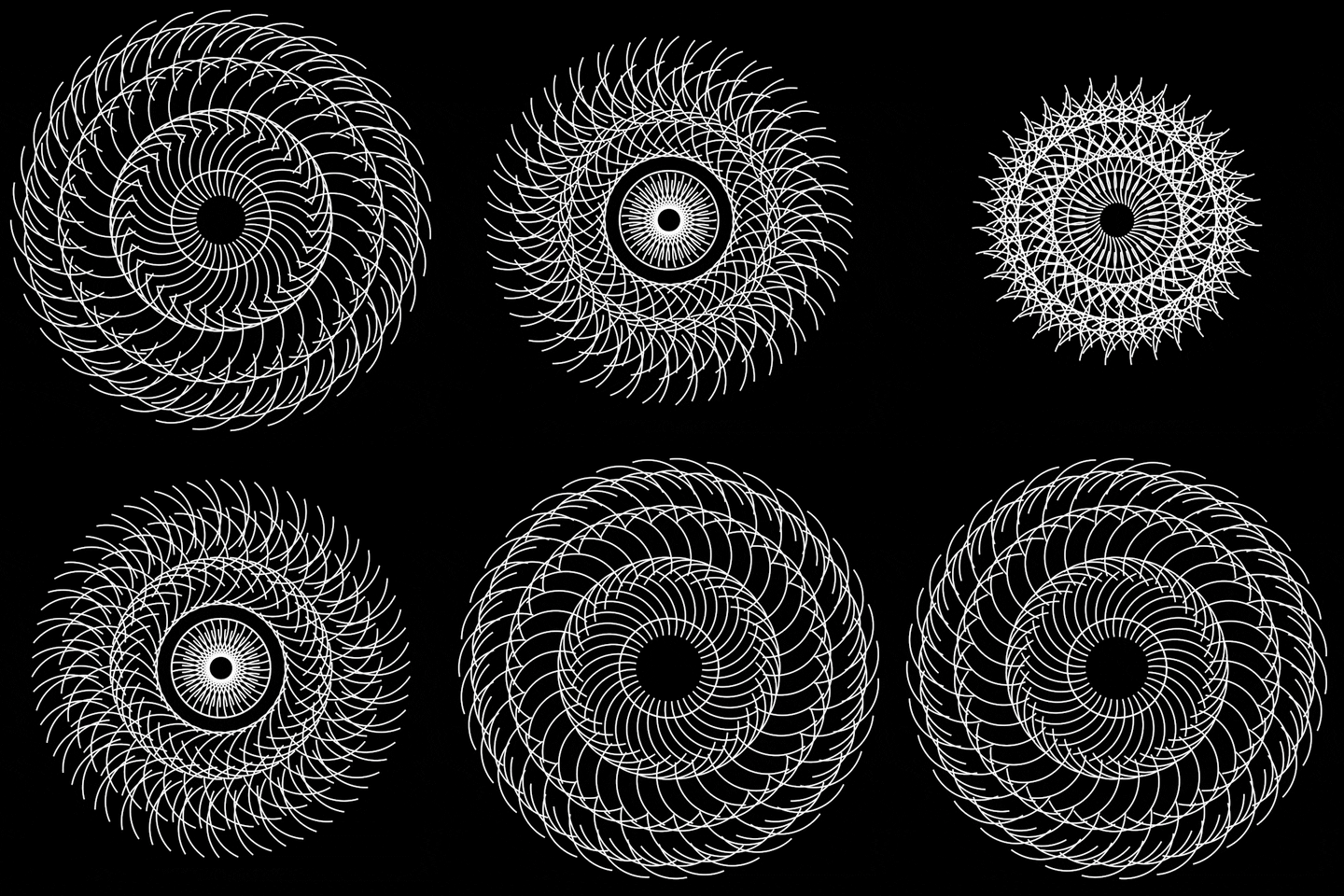
🎨 Dream Mandala Healing · Mi Xiangwen 1086 · "The trembling slowly subsided"“
You dreamt that you were like a frightened little animal, curled up in the dark, your muscles so tense you could barely breathe. In the distance, there was a soft circle of light, neither strong nor oppressive.
It just shone quietly. You weren't pulled away, but allowed to stay where you were, slowly, starting from the tips of your paws, trembling slightly, as if shaking off the cold air.
Imagine this scene as a mandala: at the center is your slightly trembling figure, and the outer rings are concentric circles of light and breath spreading outwards. You don't need to force yourself to move towards the light.
Just allow the trembling to subside little by little. A mandala is not about drawing something, but about watching—watching how the body slowly releases the energy it has been holding onto, through being seen and allowed.
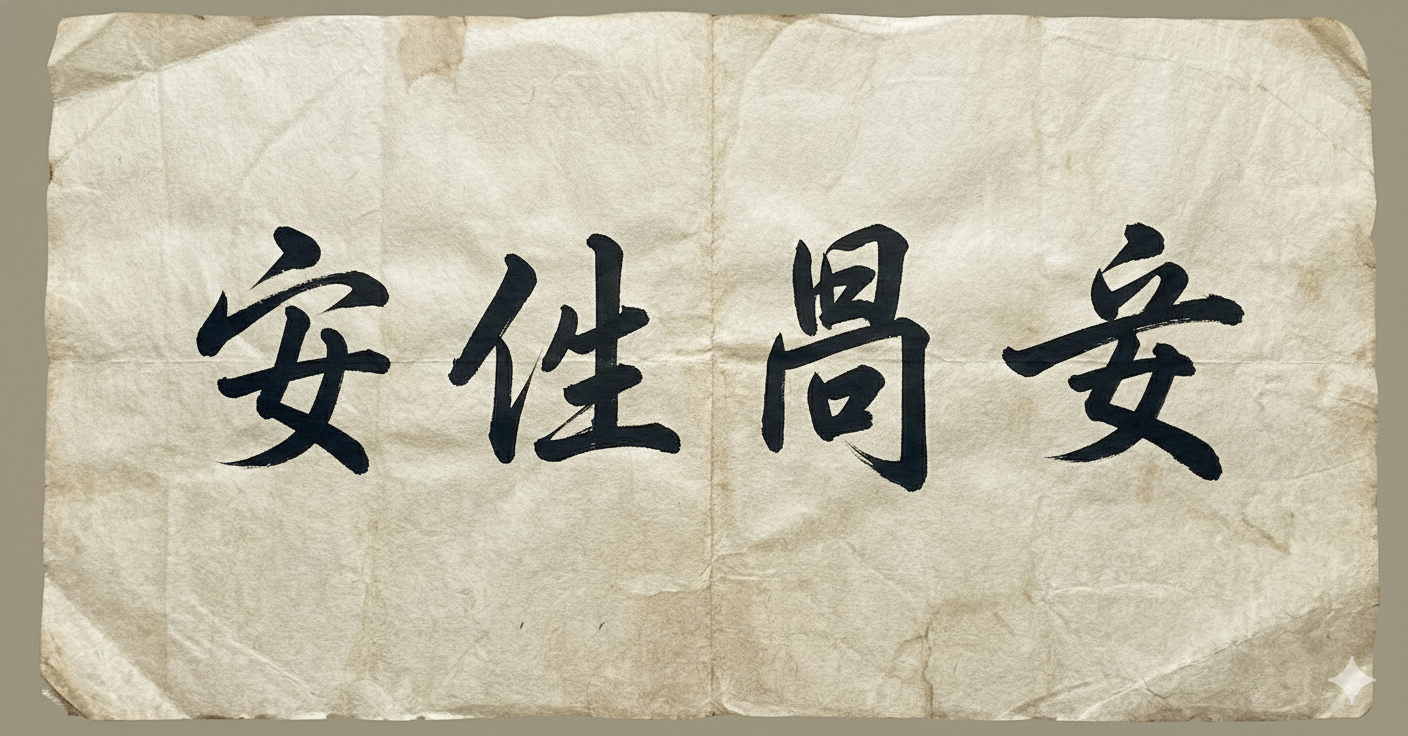
○ Running script writing practice: "The body may tremble, but the heart can be at peace"
The continuous flow and pauses in running script are well-suited for bridging the gap between a sense of trembling and a sense of stability.
- Written words:The body may tremble, but the heart can find peace.
- English equivalent:My body may tremble, my heart can rest.
- hint:When writing the character “颤”, allow your wrist to tremble slightly; when writing the character “安”, deliberately slow down and deepen your exhalation.
Lesson 1086: Body Release Trajectory - Drawing Guidance
Purpose: To record the "body's tension-release process" with lines, so that you can see the change happening.
Steps: Draw a "tension line" on the paper from left to right: initially, it can be a sharp, dense, upward-pointing fold line;
Next, draw a "release line" below it: from the fine, shaky lines, gradually transition to a smooth, rounded curve.
There's no need to pursue aesthetics; simply honestly record the changes in your body's sensations at that moment. Finally, add a large circle around the two lines.
It symbolizes "whether you are tense or relaxed, you are surrounded and embraced by the present moment."
Please log in before submitting your drawings and feelings.
○ 1086. Body-Directed Therapy and Trauma Release: Journaling Guidance Suggestions
① Before today's practice, what are the three most tense parts of your body? Please write down their locations and how they feel.
② After practicing, scan the same three areas again. Are there any changes, even as small as 5%? Write down the very subtle differences.
③ Which movement or breathing step makes you feel "a little safer"? Write it down as your personal "micro-prescription".
④ Did you experience any new tremors, yawns, sighs, or stretching reactions today? Write them down truthfully.
⑤ Write a sentence to your body: No matter if you tremble or stiffen, I will never abandon you again.
⑥ Conclusion: Trauma release is not a violent outburst, but a series of small loosenings and returns to the present moment.
Please log in to use.
When you allow your body to tremble, pause, and relax at its own pace, trauma no longer just "leaves a shadow," but also begins to leave a new memory of "I am with myself."
 EN
EN  ZH
ZH  ES
ES  FR
FR  JA
JA