

Lesson 1087: Trigger Point Identification and Trauma Response Modulation Exercises
Duration:75 minutes
Topic Introduction (Overview):
In complex trauma (C-PTSD), the "trigger point" is often not a real external danger, but rather a rapid replication of old experiences by the body:
A single word, an expression, a sound, a gesture, a smell, or a moment of silence can instantly put the body into defensive mode.
The core of this lesson is to help you identify what these trigger points "look like" in your body—is it a sudden shallowing of breath? A sudden lifting of the shoulders?
A feeling of heaviness in the stomach? Sweaty palms? Or a blurring of vision? These trigger reactions are not signs of weakness, but rather the body's attempt to relive past events.
“The moment when "protection is needed".
When you can recognize the body's activation signals immediately, you can bring yourself back before you are "taken away".
The course will incorporate techniques such as body scanning, tactile stabilization, rhythmic breathing, and pauses in movement to help you gradually build a response from trigger to...
A self-regulating transitional bridge. A mandala is not about drawing something, but about observation—observing the source of triggers, observing the true language of the body.
Watch the moment you regain control of the response rhythm.
▲ AI Interaction: Where is your trigger point?
Trigger points are typically characterized by being "instantaneous, automatic, and unconscious." Please list the three most obvious trigger responses today.
Tip: Focus on your body, don't analyze the reasons. Your body will tell you the truth first.
Examples: feeling of heaviness in the chest, tense shoulders, numbness in the fingers, cold feet, and sudden tightening of the stomach.
Click the button below to identify trigger response patterns with AI.
○ Music Therapy • Body Scan for Stabilizing Rhythms
Choose a piece of music with only light drumbeats or low-frequency pulses, and let your body follow the rhythm rather than the trigger points.
Practice method: With each drumbeat, gently relax one part of your body (jaw → shoulder → back → abdomen → legs).
Goal: To shift "triggering" from automatic reactions to "rhythm-guided" bodily regulation.
🍵 Oriental Healing Tea - Top of 24 Types - Tangerine Peel White Tea: A Gentle and Soothing Drink
Recommended reasons:Dried tangerine peel helps to regulate qi and relieve stagnation, while white tea is refreshing and calming, making it particularly effective for chest tightness and shallow breathing that occur after triggering a reaction.
usage:Add 3g of white tea and a little dried tangerine peel to hot water and steep for 3 minutes. Let the aroma pass through your nasal cavity to calm your emotions before sipping.
○ Chinese Food Therapy · Soups · Yam and Lily Bulb Soup for Calming the Mind
Yam strengthens the spleen, lily bulbs moisten the lungs and calm the mind, and goji berries replenish qi and blood. This is a warm and nourishing soup suitable for those experiencing palpitations, stomach tension, fatigue, and light sleep after trauma.
The soup is light and refreshing, helping the body return from an over-activated state to a slower and more stable one.
Healing Recipes
/home2/lzxwhemy/public_html/arttao_org/wp-content/uploads/cookbook/bai-he-xing-ren-geng.html(Please confirm that bai-he-xing-ren-geng.html has been uploaded)
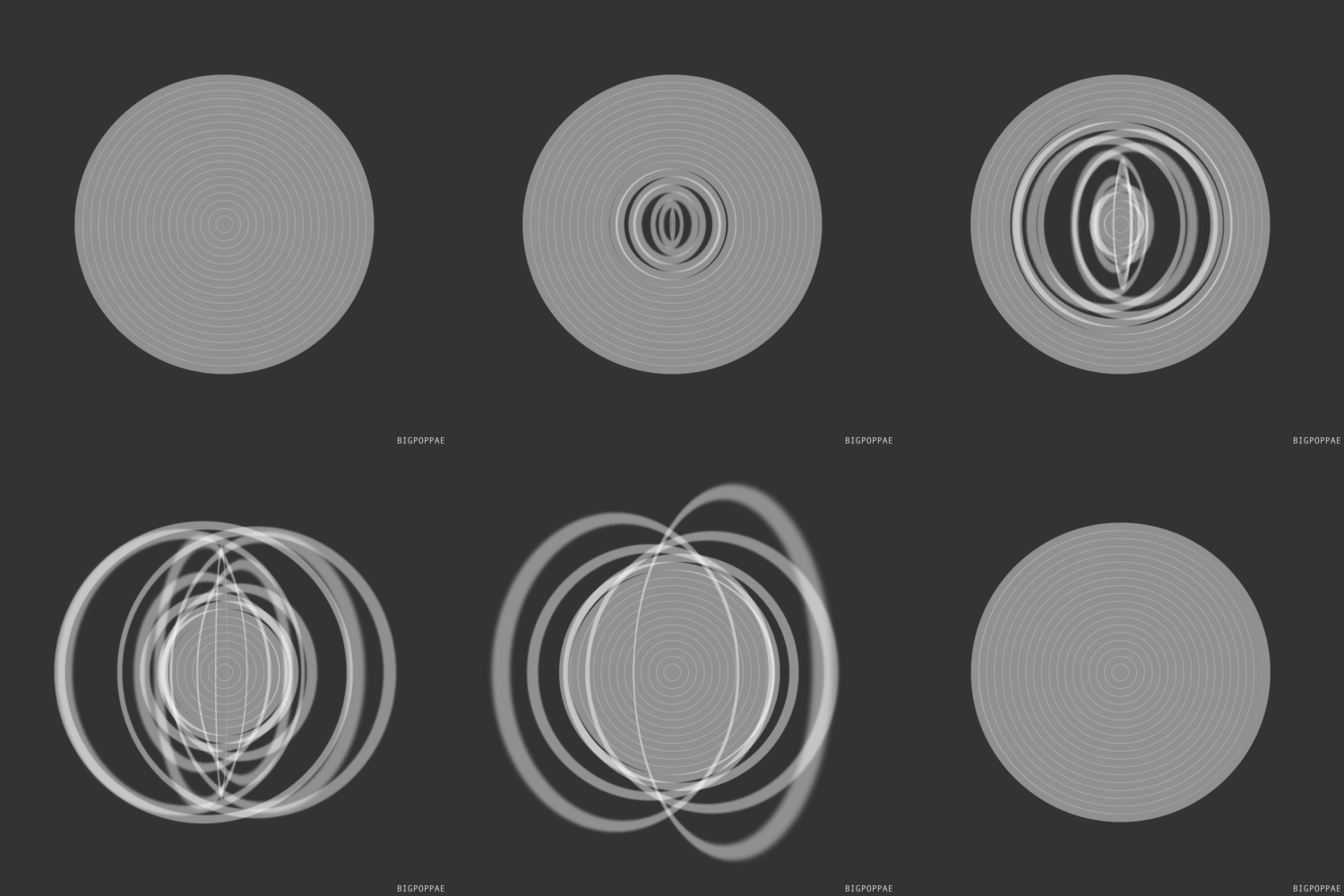
🎨 Dream Mandala Healing · Mi Xiangwen 1087 · "Echoes and Touchpoints"“
You dream of a long corridor with unfinished paintings on both sides, each related to a past memory.
When you stand in front of a painting, your heart suddenly tightens, as if a wound that has not yet healed has been gently touched.
Stop, don't explain, don't analyze, just look: Where does the color begin to darken? Where do the lines become abrupt?
Let this painting become a mandala in your dreams: the center is the moment it's triggered, and the outer ring is the process of viewing it layer by layer.
No need to change, no need to escape—just observe. A mandala is not about drawing something, but about observing.
When you can see the trigger itself, it loses its power to control you.
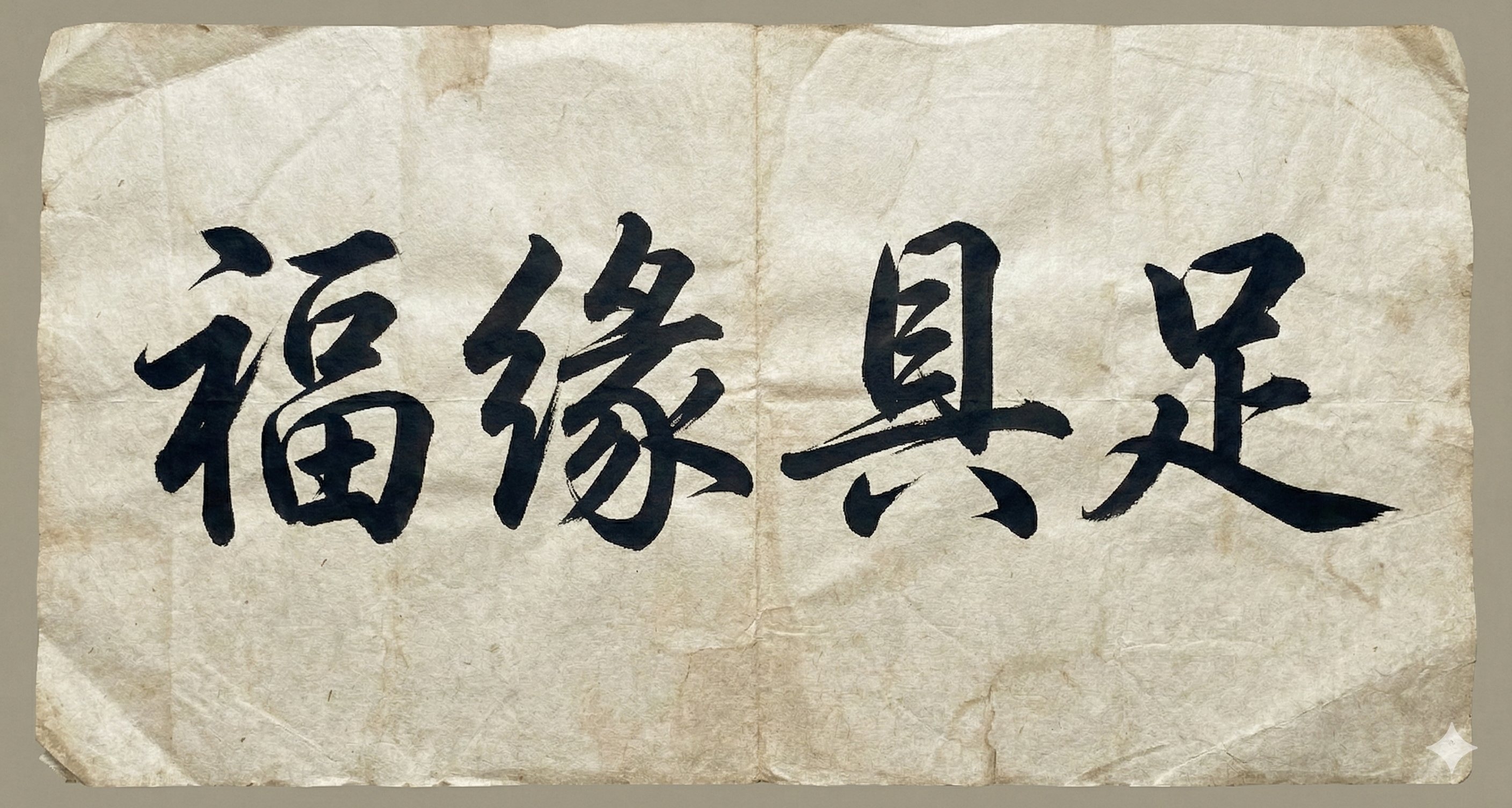
○ Running script: Stable trigger writing practice
The lifting and pressing of the brush in running script, along with the breathing rhythm, is very suitable for adjustment training after traumatic events.
- Written words:Slow down, stabilize, and rest.
- English equivalent:Slow · Steady · Breathe.
- hint:With each stroke and each breath, writing becomes the anchor point of the body's rhythm.
Lesson 1087: Trigger Point Visualization - Drawing Guidance
Objective: To transform the trigger point from a "hidden threat" into a "visible shape".
Steps: Draw a circle in the center of the paper to represent the "present moment." Then draw short lines in different directions outside the circle, each line representing a triggering reaction:
Draw a sharp line to indicate a rapid heartbeat; draw an inward curve to indicate a contracting stomach; draw a compressed shadow to indicate chest tightness. Finally, draw outside all the short lines.
A softer, more stable line symbolizes "that I am currently surrounding the trigger, rather than being surrounded by the trigger."
Please log in before submitting your drawings and feelings.
○ 1087. Trigger Point Identification & Log Guidance Suggestions
① What were the three most obvious triggers today? Only write down your physical sensations, not the reasons.
② In which part of the body do they activate? Describe the sensation using words such as: tightening, sagging, numbness, coldness, tingling, trembling...
③ Which trigger reaction is the most violent? What shape does it resemble? (Sharp, swirling, heavy object...)
④ Which trigger do you most want to be "watched"? Write down the reasons.
⑤ Today's adjustment exercises: 15 seconds with feet on the ground, 3 slow neck rotations, 5 chest expansion breaths.
⑥ Conclusion: Triggering is not regression, but a signal your body sends you. Seeing it is power.
Please log in to use.
When you can clearly see the shape of the trigger, you have grasped the key to returning to the present moment. Observation is the first step in traversing the past.
 EN
EN  ZH
ZH  ES
ES  FR
FR  JA
JA