

Lesson 1093: Coping Strategies for Complex Trauma in Psychological Counseling
Duration:75 minutes
Topic Introduction (Overview):
Complex trauma differs from single-event trauma; it often stems from long-term and recurring threats, emotional neglect, chaotic relationships, or persistently unstable upbringing.
Therefore, in psychological counseling, clients not only carry "traumatic memories," but also defenses deeply embedded in their physical and relational patterns—
Hypervigilance, dissociation, avoidance, emotional overreaction, attachment entanglement, and chronic lack of security.
The goal of counseling is not just to "tell the story of the trauma," but to establish a stable, predictable, and non-intrusive therapeutic relationship that allows the body and emotions to gradually learn to trust each other again.
This course will introduce commonly used treatment approaches for complex trauma: phased repair, stabilization priority, trauma narrative pacing regulation, physical resource building, trigger management, emotion regulation training, and long-term recovery framework.
Mandalas are not about drawing something, but about observation—in therapy, "observing" the client's rhythm, observing bodily signals, observing emotional tides, and observing closeness and withdrawal in relationships.
This will help them steadily move towards integration and growth.
▲ AI Interaction: Which type of trauma response do you have?
Answer the following questions to let AI help you identify your current trauma coping style:
① When faced with stress, are you more likely to "freeze" or "overreact"?
② Do you suddenly withdraw, become silent, or become unable to express yourself in intimate relationships?
③ Do you sometimes feel like your body is "automatically disconnected," as if you're not there?
④ Do you overly blame yourself, overly understand others, and neglect yourself?
Click below to assess your most common trauma coping patterns with AI.
○ Pre-consultation preparation · Stabilization · Music therapy
Play soft piano or string music to ground your body in a "safe rhythm" and prepare your inner self for the consultation.
Tip: Silently repeat the phrase "I allow myself to be seen by gentleness" while listening to the music.“
🍵 Eastern Healing Teas - 24 Varieties - White Chrysanthemum and Lotus Seed Calming Tea
Recommended reasons:It can stabilize temper and relieve anxiety, making it suitable for consumption before and after counseling to facilitate emotional integration.
usage:Soak 3g of white chrysanthemum and 5g of lotus seeds in hot water for 10 minutes; the taste is refreshing and helps to calm the mind.
○ Chinese Food Therapy · Soups · Nourishing Soup with White Fungus and Lily Bulbs
White fungus nourishes yin and moistens dryness, while lily bulbs calm the nerves, making them suitable for replenishing energy after experiencing emotional fluctuations or traumatic relapses.
Emotional fatigue after counseling is often overlooked, but this bowl of warm soup can help the nervous system regain stability and balance.
Healing Recipes
/home2/lzxwhemy/public_html/arttao_org/wp-content/uploads/cookbook/lv-dou-hai-dai-tang.html(Please confirm that the file has been uploaded: lv-dou-hai-dai-tang.html)
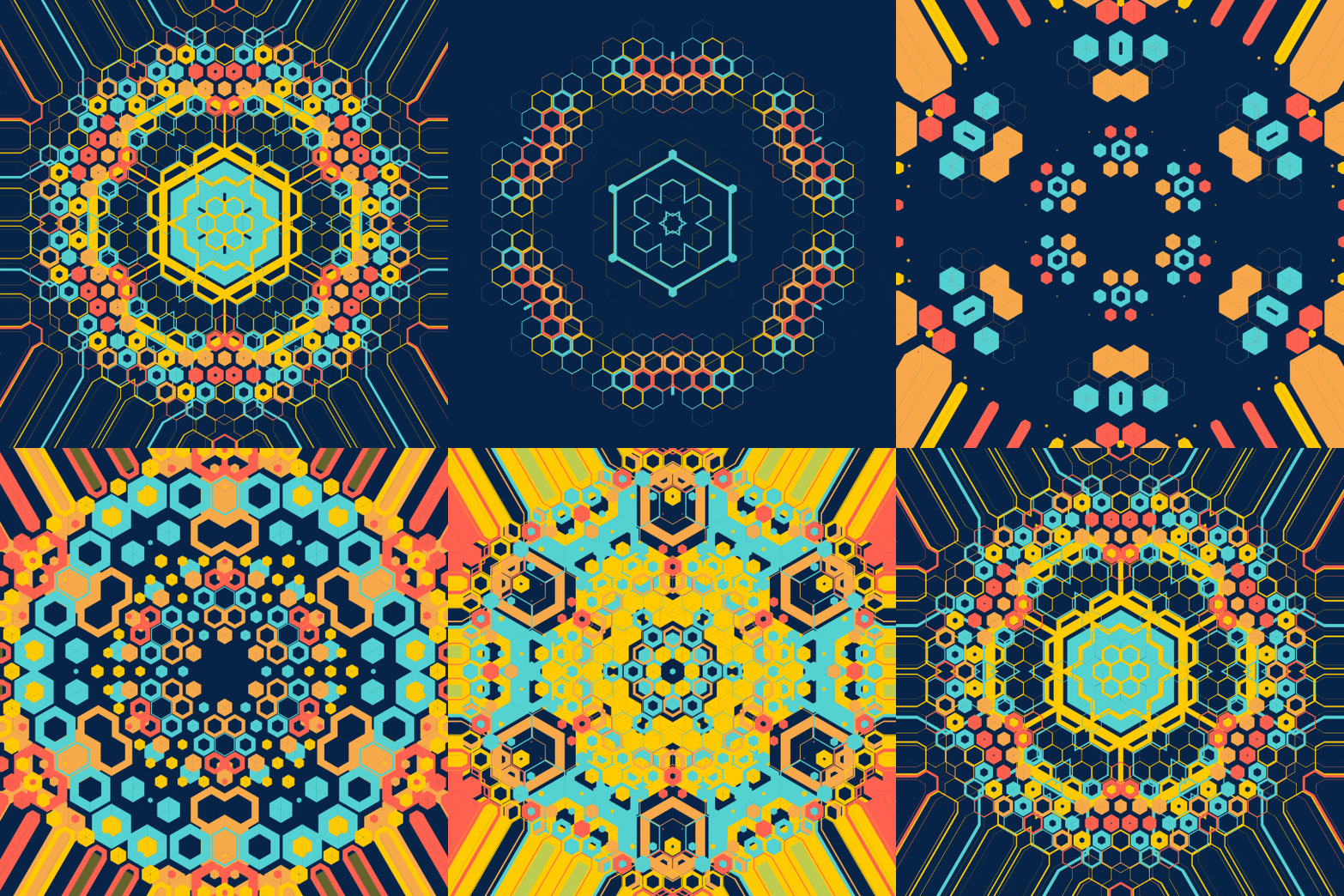
🎨 Dream Mandala Healing · Mi Xiangwen 1093 · "A Stable Center"“
In your dream, you stand in a slowly rotating circular hall. There are many doors on the walls, and behind each door are fragments of the past: some gentle, some dark.
The center remains warm and still, as if waiting for you to come home.
Imagine drawing this center point into a mandala: the center remains stationary, while the outer layers flow slowly.
A mandala is not about drawing something, but about observing—observing how you return to the center from the chaotic doorways; observing how the past no longer engulfs you, but is gently placed by you in ever-growing larger spaces.
○ Running script - Consultation and stable writing practice
The fluidity of running script is like the rhythm of wound healing: soft, expansive, and unforced.
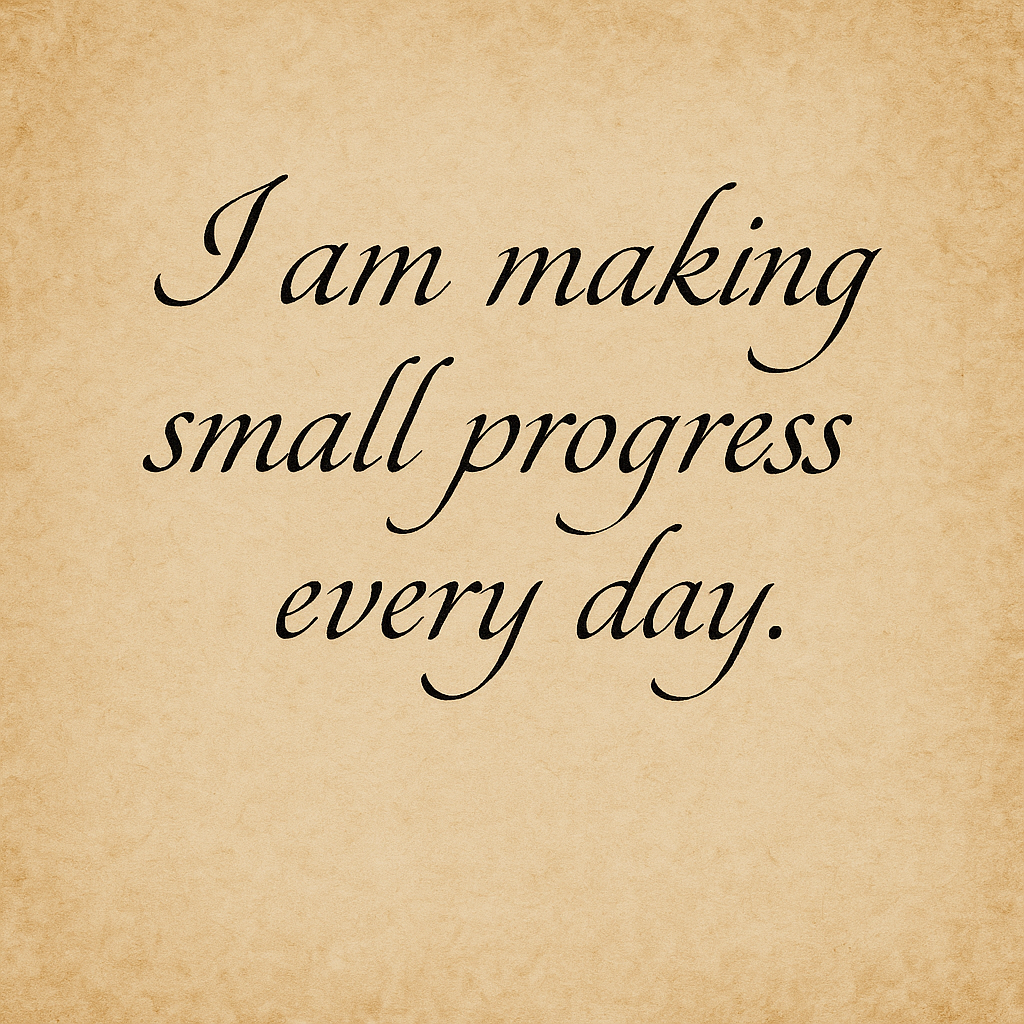
- Written words:Stability and return.
- English equivalent:I return to my center.
- hint:Each time you write the character "稳" (steady), let your shoulders naturally sag, symbolizing the gradual return of a sense of security to your body.
Lesson 1093: Complex Trauma Counseling - Art-Guided Learning
Objective: To help you visually capture the core step of "stabilization".
Draw a stable dot in the center of the paper to symbolize the "safe core" of the counseling relationship.
The irregular lines that spread outward symbolize chaotic memories.
Then draw a larger, softer circle around the outermost edge of these lines, symbolizing "accommodation without being swallowed up".
Finally, observe the distance between the inside and outside; that is the safe space you are building.
Please log in before submitting your drawings and feelings.
○ 1093. Trauma Counseling Strategies: Journal-Based Guidance Suggestions
① Which type of trauma response was most pronounced today? Freezing? Emotional overload? Withdrawal?
② Which event or scene triggered these reactions?
③ What is the most difficult thing for you to do in counseling? Speaking? Feeling? Stopping?
④ Write down a moment when you felt “a little safer”.
⑤ Today's stabilization exercise: Take 4 deep breaths, press your feet to the ground for 20 seconds, and name three sounds in the scene.
⑥ Conclusion: Trauma healing is not about speed, but about rhythm. You are moving forward at your own pace.
Please log in to use.
Healing from complex trauma requires stability, rhythm, companionship, and patience. May you take a step closer to integration with each moment of awareness.
 EN
EN  ZH
ZH  ES
ES  FR
FR  JA
JA