
Lesson 1105: Recovery and Self-Care from Trauma of Sudden Events

Duration:70 minutes
Topic Introduction:Recovery isn't about immediately forgetting the event, but about slowly regaining your daily rhythm in a safe environment. Self-care can begin with breathing, sleep, eating, and contacting trusted people. Allow yourself fluctuations and give your body time to gently recover. You don't need to deal with all your feelings at once; just take care of a little at a time. When studying, allow yourself fluctuations and allow yourself to rest first. The important thing is to ensure safety first, and then slowly restore your daily rhythm.
○ Course Topic Audio
Lesson 1105: Recovery and Self-Care from Trauma of Sudden Events
Click to view the read-aloud text
Today, let's gently explore "Recovery and Self-Care after Sudden Trauma." Recovery after a sudden event isn't about immediately forgetting or returning to the way things were. Recovery is more like letting the body know it's safe now, restoring some rhythm to life, and allowing the heart to slowly recover from the shock. When someone experiences a sudden shock, the body may react before the mind, entering a fight-or-flight, freeze-thaw, or appeasement state. These reactions aren't intentional or signs of weakness; they are the nervous system's efforts to protect itself after danger. Therefore, when learning about this, please don't rush to judge yourself or others, and certainly don't demand that the injured person "recover immediately." A gentler approach is to first confirm the safety of the surrounding environment, then address sleep, eating, breathing, and interpersonal connections. If emotions arise, try to see the colors around you, feel your feet on the ground, and slowly exhale, letting your body know the danger is gone. Remember, recovery often involves setbacks. Sometimes you'll feel better, and sometimes old reactions will return; this doesn't mean you've failed. Your body is simply reminding you that you need safety, rest, and support. Today, take just one small action with you: go to bed earlier, avoid stimulating information, contact a reliable person, or take a quiet breath. You can also write down a sentence after listening: What support do I need most right now? The answer can be small, such as quiet, companionship, hot water, rest, less information, or asking for help. Small choices can help restore direction to a chaotic life. Please keep today's practice within your limits. If a word makes you nervous, don't force yourself to continue; pause, do some stretching, or bring your attention back to the present. Stopping gently is also an important form of self-protection. If you are with someone else, remember to stabilize yourself first. True support is not about solving all their problems, but about providing clear, practical, and reliable companionship while respecting boundaries. This way, help won't become new pressure.

AI Healing Q&A
During the Q&A session, you can ask questions about the fight-or-flight, freeze-thaw, and appeasement responses, as well as one self-care action you can take right now. The AI will help you organize your current reaction, available resources, and a small, actionable step. If you experience severe panic, dissociation, self-harm thoughts, or a risk of harm to others, please seek offline help immediately. Take care of yourself first. Do just a little today. Don't push yourself too hard. Put safety first. You are not alone. You can pause now. May you be supported. Take it slow. Take care of yourself first.

○ Music therapy guidance
Recovery and self-care can begin with a consistent, soothing piece of music. While playing it, observe whether you feel like fighting, running away, freezing, or appeasing. Don't blame these reactions; they once protected you. Slowly exhale along with the melody, giving your body a new signal: It's safe to be a little safer now. Take care of yourself first. Do just a little today. Don't push yourself too hard. Put safety first. You are not alone. You can pause now. May you be supported. Take it slow. Take care of yourself first. Do just a little today.

○Eastern and Western Healing Teas
○ Eastern Healing Tea - Lapsang Souchong Introduction: Lapsang Souchong is a traditional black tea from Wuyi Mountain, renowned for its unique smoky aroma. The tea liquor is bright red, with a rich flavor and a delicate woody smoky note. Rich in antioxidants, Lapsang Souchong helps cleanse the body of toxins, promotes digestion, and relieves stress and anxiety. Directions: Take 1 teaspoon of Lapsang Souchong and steep in 90°C hot water for 4-5 minutes. Add a small amount of sugar or milk to taste before drinking. Suitable for morning consumption to help boost energy and improve mood.
○ Healing Recipes
○ Ancient Roman Dietary Therapy: Wine-Braised Vegetables
Recommended dishes:Wine-Braised Vegetables Recommended reasons:Cooking vegetables in wine produces a mellow aroma; if alcohol is not to your liking, grape juice can be used instead. The vegetables soften and their flavors gradually meld during slow cooking, making it ideal for those who need to slow down, regain their appetite, and restore order to their lives after a sudden event. It reminds us that tension can also be released slowly over a gentle period. Recipe (1–2 servings): practice: While simmering, watch the broth slowly coat the vegetables, reminding yourself: restoration isn't about immediate change, but about allowing the chaotic parts to blend slowly over time. If the smell bothers you, choose grape juice or regular broth instead. Before eating, please pause for three breaths and feel the weight of the bowl and plate, the temperature of the food, and the surrounding environment. You can gently remind yourself: I don't need to go back to how I was before, I just need to give my body some stability with this meal. Take your first bite slowly, savoring the temperature, softness, and whether it's light or savory. Let your body know that there is food, space, and the possibility of settling back into its place. Video Title:Vegetables cooked in wine: A gentle and nourishing diet suitable for mental and physical recovery after a sudden event. hint:If you experience strong flashbacks, self-harming thoughts, persistent insomnia, significant physical discomfort, or emotional instability, please contact offline professional resources promptly.Click to view healing recipes
◉ Ancient Roman Dietary Therapy: Wine-Braised Vegetables
I. Recommended Dietary Therapy and Reasons
2. Recipe and Method
3. Small rituals for body and mind
4. Dietary Therapy Experience Record
V. Instructional Videos (approximately 3–5 minutes)
6. Precautions

○Mandala Healing
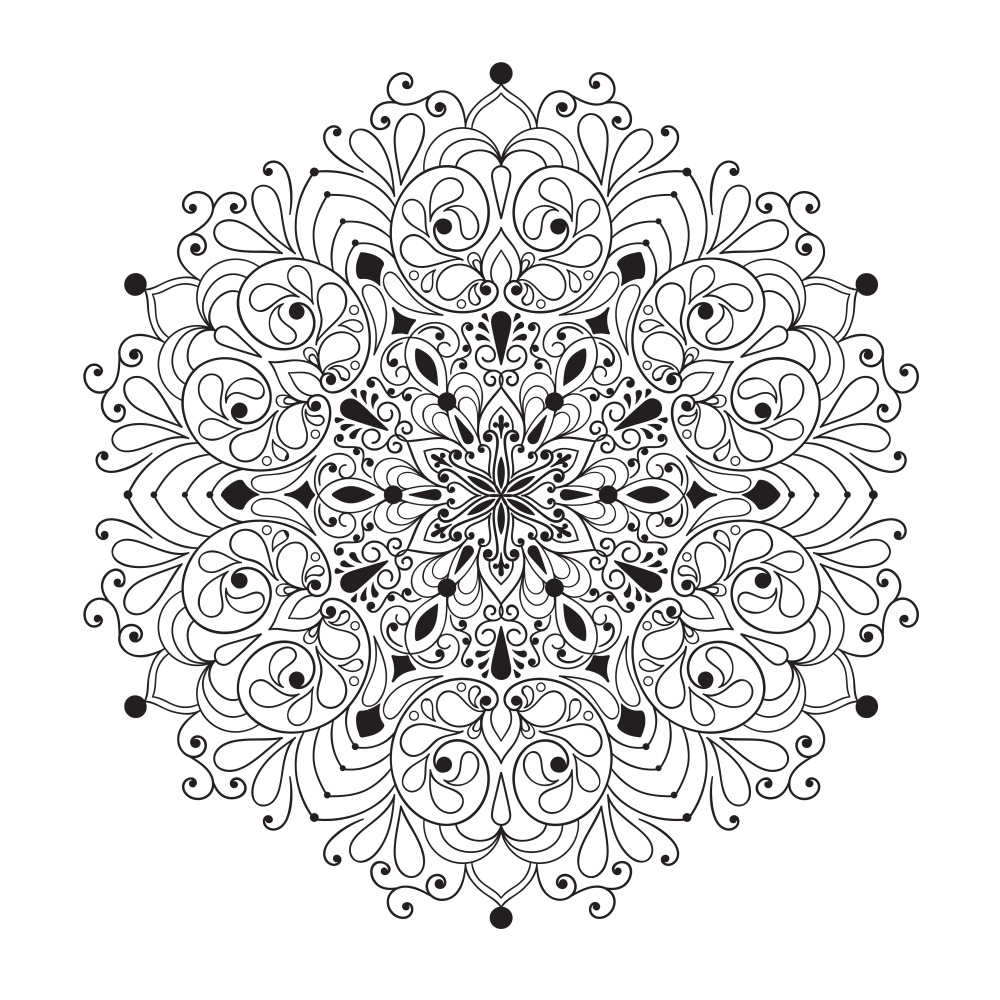
Recovery and self-care can begin with a mandala center. Imagine the center as yourself now, and the outer ring as protective responses like fight, flight, freeze, and appeasement. They tried their best to protect you; don't blame them. While observing, exhale slowly, giving your body a new signal: It's safer now. Take care of yourself first. Do just a little today. Don't push yourself. Put safety first. You are not alone. You can pause now. May you be supported. Take it slow. Take care of yourself first. Do just a little today.
● AI Dynamic Geometric Vision Focus and Emotion Regulation Engine ●
AI Dynamic Geometric Vision Focus and Emotion Regulation Engine · v7.0.0
Before we begin, I'd like to know how you feel right now.
There is no standard answer; just choose the one that best reflects how you feel right now.
The experience is over. Tell us how you feel now.
There is still no standard answer; just choose the one that best reflects how you feel right now.
#FF5252
After the fluorescent line crawling is completed and stopped, first select a color, then click on the closed area in the graphic to fill in the color.
AI Digital Mandala Static Focus EngineAZ Image Coloring · 60 Colors
AI Digital Mandala Interactive Focus Engine
A–Z Free Selection · Layered Lines · 60 Color Fills

○ Calligraphy and engraving therapy practice
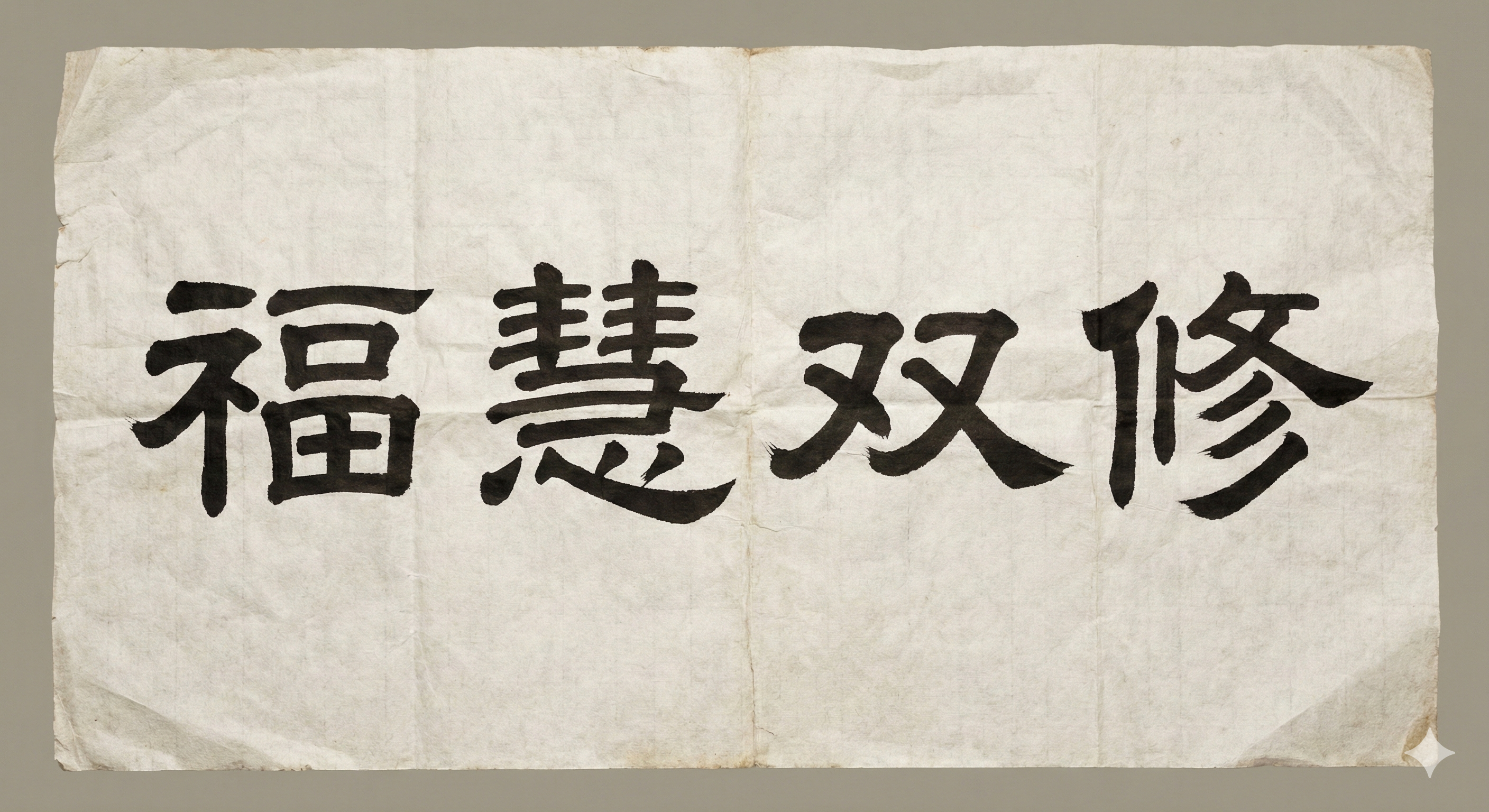
Recovery and self-care can begin with small movements. Relax your fingers first, then slowly complete a short piece of calligraphy. If your body tries to fight, fly away, freeze, or appease, don't blame it. Those reactions once protected you; now, through stable movements, you can slowly learn a new sense of security. Take care of yourself first. Do just a little today. Don't push yourself. Put safety first. You are not alone. You can pause now. May you be supported. Take your time. Take care of yourself first. Do just a little today.
○ Art Therapy Guidance
Recovery and self-care can be represented by a body response map. Fight, flight, freeze, and appeasement can all be represented by different colors; don't blame them. Draw a small care action you can take today, such as resting, drinking water, seeking support, or reducing stimulation. Your body is learning new safety signals. Take care of yourself first. Do just a little today. Don't push yourself too hard. Put safety first. You are not alone. You can pause now. May you be supported. Take it slow. Take care of yourself first. Do just a little today.
Please log in before submitting your drawings and feelings.

○ Diary Healing Suggestions
Today, please record your body's fight-or-flight, freeze-thaw, or appeasement responses. When do they occur? Where in your body do you feel them most? Don't criticize these responses; they were trying to protect you. Finally, write down one self-care action: drink water, rest, turn off your phone, contact someone you trust, or do some grounding. Take care of yourself first. Do just a little today. Don't push yourself too hard. Put safety first. You are not alone. You can pause now. May you be supported. Take it slow. Take care of yourself first. Do just a little today. Don't push yourself too hard. Put safety first. You are not alone.
Please log in to use.
May you gradually return to a more stable, clear-headed, and gentler version of yourself through today's practice.