

Lesson 1141: Overview of Bipolar I Disorder
Duration:75 minutes
Topic Introduction:This course introduces the basic concepts of bipolar I disorder, its symptoms, and its impact on individuals' lives. Participants will gain a deeper understanding of the characteristics of bipolar I disorder, its manifestations, its manic and depressive phases, and its effective management through treatment. This course will enable participants to recognize the early signs of bipolar I disorder and develop coping strategies.
○ Overview of Bipolar I Disorder
- Manic phase:The manic phase is one of the core characteristics of bipolar I disorder, characterized by excessive excitement, high mood, and high energy, often accompanied by impulsive behavior and poor decision-making.
- Depression period:The depressive phase is characterized by low mood, loss of interest, fatigue, and difficulty concentrating, and may be accompanied by self-blame or suicidal thoughts.
- Cyclical fluctuations:People with bipolar I disorder cycle between periods of mania and depression, with the length and frequency of these cycles varying from person to person.
- Impact on life:Manic and depressive episodes can significantly impact a patient's work, social, and family life. Prompt recognition and intervention are crucial to avoid serious consequences.
- Treatment management:Treatment usually includes drugs (such as mood stabilizers, antidepressants) and psychotherapy (such as cognitive behavioral therapy) to help people maintain their emotional balance.
▲ AI Interaction: How to Manage Mood Swings in Bipolar I Disorder
Bipolar I disorder is not a single mood problem, but a rhythm of alternating mania and depression.
Please write down three things you understand about bipolar disorder: the challenges it brings to your life, your common reactions, and the help you hope for.
Give yourself permission to acknowledge the confusion while also acknowledging that you are not alone.
Conclusion: An overview is the starting point for understanding; it lets you know that this is a manageable situation.
Click the button below to discuss with AI how to identify and manage the manic and depressive mood swings of bipolar I disorder to help yourself restore your mental health.
○ Overview of Bipolar I Disorder · Music Therapy
Bipolar I disorder is like a song that bounces back and forth between high and low notes.
The alternation between mania and depression is tiring, but it also reminds us that rhythm needs to be protected.
Please play a gentle and soothing music and write down your understanding of this fluctuation.
The music will be like a pulse in the background, reminding you that the rhythm can slowly and steadily stabilize.
🍵 Orange Blossom Lemonade
Recommended reasons:Neroli has a soothing and uplifting effect, and paired with the refreshing taste of lemon, it can help alleviate emotional instability caused by anxiety and stress. Neroli is rich in natural aromatic molecules that relax the body and detoxify, while the tartness of lemon has a refreshing effect.
usage:Soak 1 tablespoon of dried orange blossoms in warm water for 5 minutes, then add lemon juice and stir well. This is a great morning or afternoon drink to refresh your mind, relieve tension, and boost overall energy.
Greek Yogurt Nut Bowl
High protein and probiotics, combined with healthy fats from nuts, enhance satiety and stabilize blood sugar levels. Calcium and B vitamins help boost mood and relax nerves. Perfect for breakfast or a light post-workout meal.
Probiotics
Stable sugar satiety
Healing Recipes
/home2/lzxwhemy/public_html/arttao_org/wp-content/uploads/cookbook/xi-la-suan-nai-jian-guo-wan.html(Please confirm that the following has been uploaded: xi-la-suan-nai-jian-guo-wan.html)
🎨 Psychological Mandala
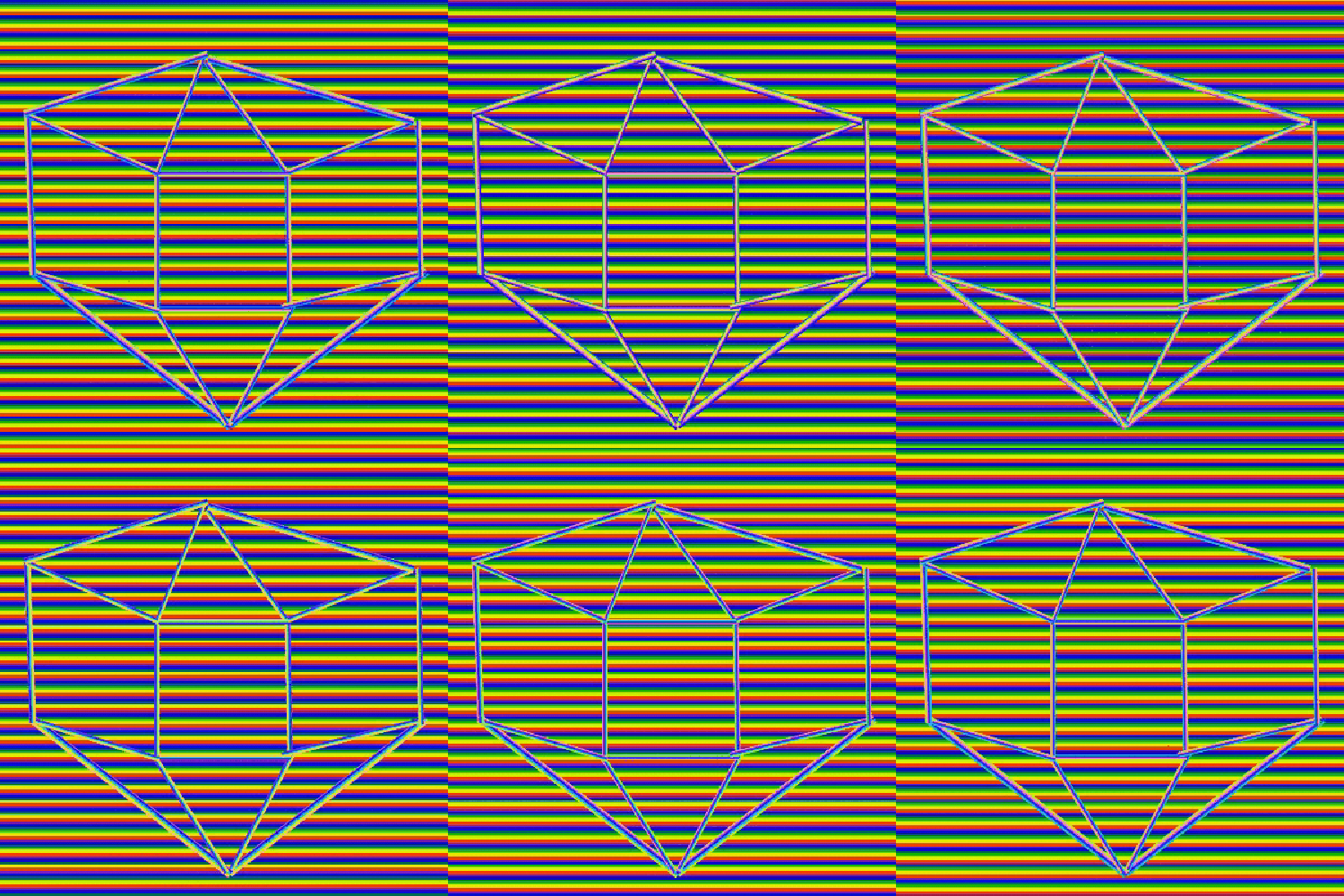
Psychological Healing: Psychological Mandala - Thoughts 01
Emotions were once like fragments, scattered across different days. The mental mandala gently gathers them together, preventing anger, resentment, and soft-heartedness from pushing each other away. You suddenly realize that you are not a contradictory monster, but a colorful garden, just one that has been neglected for a long time.
Contradictions become whole when viewed as a whole. Please gaze at this image three times.
○ Chinese calligraphy – Running script
Running script lies somewhere between regular script and cursive script, boasting a fluid and dynamic structure, with continuous yet measured strokes. Its natural and unrestrained strokes, alternating between fast and slow, convey the writer's emotions and are well-suited for expressing inner thoughts. Practicing running script cultivates an inner sense of rhythm and emotional balance, helping the writer find peace of mind amidst the fluidity of the brushstrokes.
- Written words:
- “The world is beautiful, and your mind is open”
- Writing Tips:
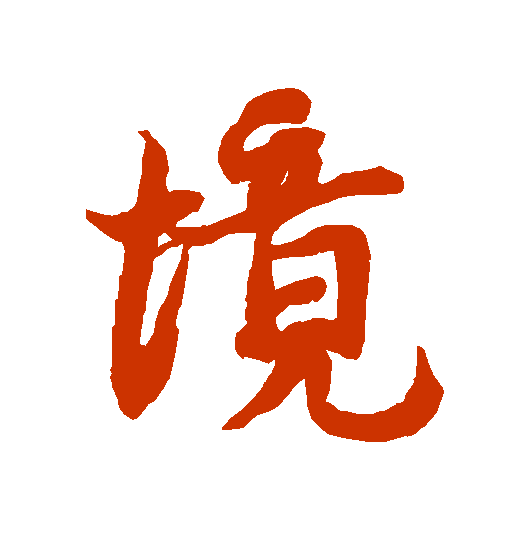
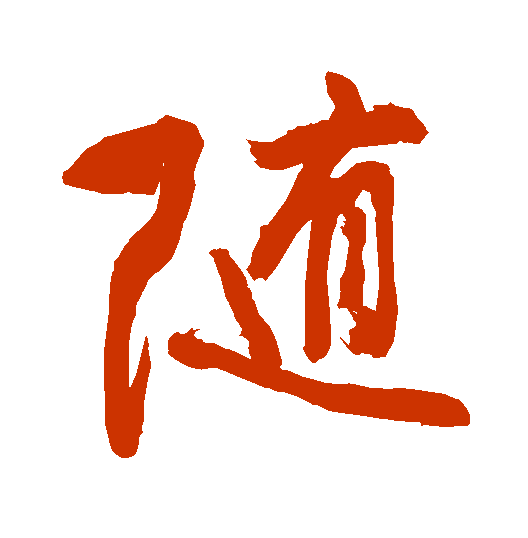
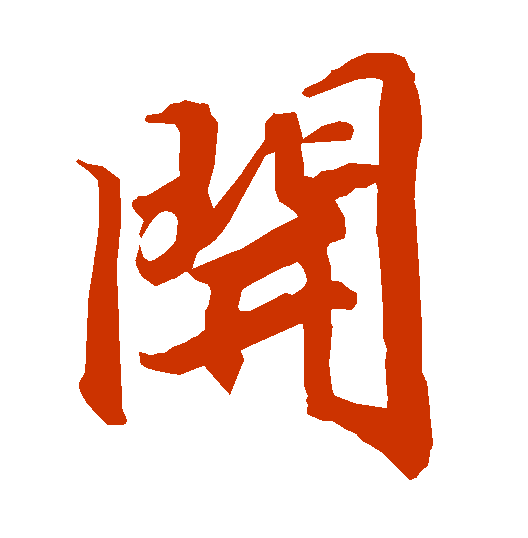
- Running script emphasizes the continuity and coordination of brushstrokes, making it particularly suitable for calming emotional fluctuations. When writing characters such as "天地皆大美·心境随開" ("The world is all great beauty. The mind opens with it"), pay attention to the structural tension and rhythm of the strokes, and place your inner thoughts within each stroke. It's recommended to focus on the flow and rhythm of each stroke, carefully writing twice to experience the calming and harmonious power of words.
- Emotional Cycle:
Charting the emotional highs and lows experienced in bipolar I disorder.
Please draw a curve to represent the emotional highs and lows you experience in your life.
Use bright, vibrant colors (such as red, yellow, and orange) for the highs and dark or gray tones for the lows.
The length and undulation of the curve are up to you, symbolizing your personal rhythm. - Energy changes:
Use colors to express the psychological and physical feelings of high-energy and low-energy periods.
Draw a picture of how you feel energetically during your manic and depressive phases.
For example: manic period → use diffused light and strong color blocks; depressive period → use heavy lines and contracted shapes.
They can be placed on the same piece of drawing paper in a contrasting way to reflect the energy difference. - Inner Conflict:
Draw the inner conflict and pull between different emotional states.
Express the tug of different emotions in the picture.
For example, on one side is a burning flame, on the other side is a cold deep sea, with interlaced or torn lines in between.
Let the picture become a symbol of the "push and pull feeling" in your heart. - Ideal balance:
Paint a picture of the emotional stability and life balance you hope to achieve through treatment.
Finally, paint a picture of the ideal balance you would like to achieve.
It can be stable lines, harmonious colors, soothing scenery, symbolizing a balanced life after treatment.
This part represents "the future you yearn for in your heart."
“Great Beauty Lies in Nature · The Mind Opens with It”





○ Drawing guidance suggestions
The goal of drawing in this course is to help you explore the full spectrum of emotions and experiences associated with bipolar I disorder through art. Depending on your needs, you might try the following:
Please log in before submitting your drawings and feelings.
○ 1141. Overview of Bipolar I Disorder • Journal-Guided Recommendations
① Take three slow breaths. Describe your understanding of bipolar disorder in three sentences: emotional range, episode stage, and impact on your life.
② Write down the three most troubling symptoms you’ve experienced in the past (e.g., sleep changes, abnormal energy, distraction). Just the facts, no comments.
③ Take inventory of stabilizing factors: regular sleep and rest schedule, taking medication as prescribed by the doctor, and the names and contact information of supporters.
④ Trigger cue list: staying up late, caffeine, stressful events, write down one example of each and the intensity of 0-10.
Self-compassion: “This is a manageable situation, and I’m learning to live with it.”
⑥ Conclusion: The overview is a map that lets you know which road you are on.
Please log in to use.
By studying this course, you will be able to better understand the overview of bipolar I disorder and learn how to regulate and restore physical and mental balance through methods such as aromatherapy, diet therapy, and calligraphy.
 EN
EN  ZH
ZH  ES
ES  FR
FR  JA
JA