

Lesson 113: Art Therapy: Draw Your Fear Images
Duration:70 minutes
Topic Introduction:
In fear training, "drawing fear" is a gentle yet powerful approach.
When fear is visualized, it transforms from an abstract sense of unease into a "visible, tangible, and transformable" object.
You don't need to draw well, nor do you need to draw realistically;
Your task is not to fight, but to recognize—that fear has shape, texture, and outline.
This lesson will guide you to approach your fear in an artistic way, so that it loses its overwhelming power.
Why is "drawing out your fear" effective?
- Turn the vague into the concrete:The more vague the fear, the stronger it is; the more specific the fear, the easier it is to manage.
- From "Internal Confinement" to "External Manifestation": —The fears depicted in drawings are no longer hidden deep within the body, but are observed on paper.
- Increased sense of control:When you describe it, you are actively engaging with, defining, and modifying it.
Lesson 113: Art Therapy: Draw Your Fear Image (Click to listen to the reading, view the content)
Art therapy isn't about creating beautiful drawings, but about transforming ineffable inner experiences into tangible, visible images. Many fears persist because they remain in vague bodily sensations or chaotic imaginations; once concretized, they lose some of their oppressive power. Drawing images of fear doesn't amplify it, but rather creates a container for it. Psychologically, when fear is externalized into an image, the brain shifts from passively enduring to actively observing; the prefrontal cortex begins to regulate emotional intensity, naturally decreasing. The first step is to allow any form to emerge; you don't need to strive for symbolic correctness or artistic expression, just let the colors, lines, and shapes flow naturally. The second step is to focus on feelings, not meaning. Observe bodily changes during the drawing process—which parts are tense, which are relaxed—this information is more important than the image's interpretation. The third step is to establish a relationship with the image. After finishing, look at it and ask yourself what the image wants to express and what support it needs. It's important to understand that the image of fear may be chaotic, fragmented, or even uncomfortable; this doesn't mean you've done anything wrong, but rather that you are authentically presenting your inner state. The power of art therapy lies in its ability to promote integration without demanding logical coherence. When fear moves from within to the paper, you gain more distance and space for choice between yourself and it. Continued practice will reveal how fear changes shape, softens color, and clarifies boundaries—signs of nervous system reorganization. Drawing fear is not the end, but the beginning of a new way of communicating. When you can confront fear through creation rather than resistance, inner security will gradually build.
▲ AI Interaction: If your fear were an image, what might it resemble?
It can describe color, size, smell, speed, and shape.
AI will help you transform it from an "overwhelming emotion" into an "observable object".
This is an important step in externalizing fear.
When experiencing fear of drawing, the body tends to tense up. Music can help lower your guard and make you more willing to approach the image.
Observe your body's stretching in the gentle melody, and prepare to explore painting.
○ Eastern Healing Tea - Anji White Tea
Recommended drinks:Anji White Tea
Recommended reasons:Light colors and mild flavors help maintain a soft and open mindset when facing fear of painting.
practice:Steep the tea leaves in 80℃ water for 1–2 minutes and observe them slowly unfurl, just as you are gradually opening your heart.
○ Soothing and Calming Congee with Lotus Seed, Lily Bulb, and Millet (ID113)
After art therapy and touching upon deep emotions, the body needs gentle and soothing nourishment. The refreshing properties of lotus seeds help calm the mind, lilies bring soothing relaxation, and millet provides stable and soft foundational energy. This comforting porridge is suitable to eat after painting practice, helping the body slowly return to safety and tranquility from emotional exploration. It symbolizes gentle self-care after expressing fear.
Support expression
Gentle recycling
Open Recipe
◉ Stable Dietary Therapy: Lotus Seed, Lily Bulb, and Millet Porridge (ID 113)
Lotus seed, lily bulb, and millet porridge is a daily nourishing porridge with a focus on "calming the mind, soothing the stomach, and gentle warmth." Millet is delicate and smooth, and after prolonged cooking, it develops a natural grain aroma that gently soothes the stomach. Lotus seeds are considered a traditional ingredient for calming the mind and regulating emotions. Lily bulbs symbolize a slower, more relaxed breathing rhythm, making it suitable for slowing down during periods of anxiety, light sleep, or frequent awakenings. When all three are cooked together, the porridge has a soft, yellowish-brown color, with a light yet layered flavor that is neither too heavy nor too light, allowing the body and mind to find a sense of peace and tranquility in a bowl of warm porridge.
Calming and soothing Nourish the spleen and protect the stomach Suitable for evening
I. Recommended Dietary Therapy and Reasons
Recommended dishes:Lotus seed and lily bulb millet porridge (ID 113)
Recommended reasons: Millet is mild and easy to digest, making it a suitable transitional food for those experiencing stomach fatigue or irregular eating habits; lotus seeds help calm the mind, making them suitable for those who overthink or experience mood swings; lily bulbs are often used to nourish and relieve inner turmoil, allowing the "tense" nervous system to relax for a moment. When these three are combined into a porridge, it's especially suitable as a light evening snack after a busy day or during a period of frequent mood swings, sending a signal to both the body and brain that it's time to slow down.
2. Recipe and Method
Recipe (1–2 servings):
- 40-50 g of millet (rinsed clean)
- 20–25 g of lotus seeds (soak in advance; removing the core can reduce bitterness).
- 10–15 g of dried lily bulbs (slightly soaked until softened) or an appropriate amount of fresh lily bulbs.
- 550–650 ml of water (adjust according to the consistency of the porridge)
- Rock sugar or a small amount of honey (optional, for a slightly sweet flavor).
- A pinch of salt (optional, to balance the overall flavor).
practice:
- Soak lotus seeds for about 1 hour beforehand. If you don't like the bitter taste, you can remove the lotus heart.
- Soaking millet for 10 minutes after rinsing it will make it softer.
- Pour water, millet, and lotus seeds into a small pot, bring to a boil over high heat, then reduce to low heat and simmer for 25–30 minutes, stirring occasionally to prevent sticking.
- Add the soaked lily bulbs and continue cooking for about 10 minutes to soften them completely and incorporate them into the porridge.
- Add a small amount of rock sugar to taste, or sprinkle a pinch of salt to make the sweetness milder.
- After turning off the heat, let it sit for 3–5 minutes to allow the porridge to naturally become thicker and smoother.
- Serve warm in a bowl; it can be a small, calming snack after dinner or a light, warm porridge 1–2 hours before bedtime.
3. Small rituals for body and mind
As the millet grains slowly bloom during the porridge-making process, you can consciously relax your mind a little.
When joining Lily, gently tell yourself, "Today I can allow myself to slowly wrap up my work." Let this step become a ritual to end a busy day.
Slow down when drinking porridge, and carefully feel the temperature slide from the tip of your tongue and throat all the way to your stomach, so that your body remembers this feeling of being gently caught.
4. Dietary Therapy Experience Record
- Record the time of drinking (evening, before bedtime, etc.) and your mood at the time (anxiety, irritability, fatigue, emptiness).
- Pay attention to changes in stomach comfort, body relaxation, and drowsiness within 30–60 minutes after drinking.
- If consumed for several consecutive nights, the effects on sleep onset speed, nighttime awakening frequency, and morning mental state can be recorded.
V. Instructional Videos (approximately 3–5 minutes)
◉ Video Title:Lotus seed and lily bulb millet porridge: A calming and warming porridge prepared for light sleep and restlessness.
6. Precautions
- For those with weak spleen and stomach, add 2-3 slices of ginger to the porridge while cooking to make it warmer.
- If you have blood sugar issues, please reduce or omit the rock sugar accordingly, or use the original flavor instead.
- Both lily bulbs and lotus seeds are relatively mild foods, but if you are allergic to either of them, you should avoid eating them.
hint:This porridge is intended as a supplementary option for daily physical and mental well-being and does not replace any medical diagnosis or treatment. If you experience persistent severe insomnia, depression, or anxiety, please seek professional help promptly.
○ Seal Carving Practice Suggestions · Lesson 113: Art Therapy – Imprisoning Fear Within a Small Space
In this lesson, we will pause the carving of characters and instead practice the ancient art of "pictorial seals." The psychological concept of "externalization" suggests that visualizing fear is the first step in overcoming it. When you can clearly see its outline, it is no longer a pervasive black fog, but a concrete, finite object. Seal carving is essentially using a knife and brush to confine fear within a defined space.
- Introduction to the characteristics of seal carving:
“"Portrait Seal"”Originating in the Han Dynasty, this style often uses concise and exaggerated lines to depict figures or animals. Its characteristic is "emphasizing spirit over form." When portraying fear, realistic drawing is unnecessary; instead, the focus should be on capturing the oppressive "spirit." Is it to use chaotic lines to represent the tangled mess of anxiety? Or to use sharp triangles to represent the sting of social interaction? - Written words (seal text):
My heart writes - Psychological Intention:
The four borders of a seal symbolize, in psychology,“"Boundaries and Containers"”No matter how grotesque the image of fear you depict, it must obediently remain within these four borders. It cannot escape. The process of imprinting is a kind of "sealing" ritual—I acknowledge your existence, but I limit your sphere of activity. - Knife skills:
practise“The "fierceness" in the "charge knife technique"”Faced with this terrifying image, don't carefully refine it; instead, use a bold, sweeping chisel to forcefully remove the excess stone. Each chisel stroke is a release of power. Watch the stone chips fly, and feel that you have absolute power of life and death over this "frightening image"—you can carve it, or you can flatten it. - Emotional transformation:
Transform from being "swallowed by fear" to becoming "an observer of fear." After you've carved and stamped the mark, looking at the red pattern on the paper, you'll realize: it's just a piece of paper, a bunch of red lines. It has no teeth; it can't hurt you.
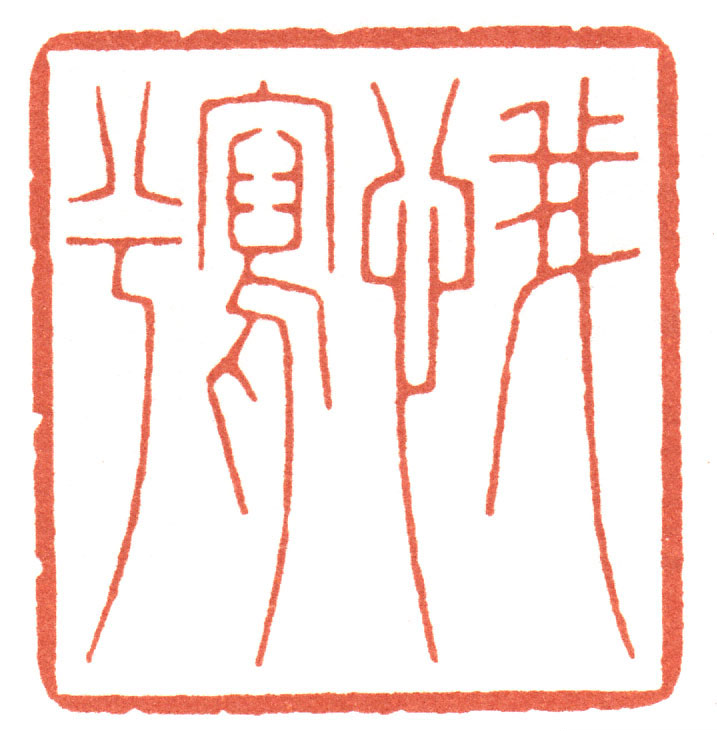
Image Healing: Mandala Stability Guidance 113
Place the "fearful image" you just imagined or depicted at the very center of the mandala. At first, it may look out of place. Now, begin drawing concentric circles of beautiful, harmonious petals or geometric patterns around it. Layer upon layer, surround it with gentle colors. You will find that as the outer order is established, the central "monster" begins to shrink, even transforming into a decorative totem. It is integrated into the grand pattern of life, no longer a destroyer, but part of the background.
Traditional mandalas typically feature a harmonious and intricately varied circular structure, symbolizing the wholeness of the universe and the cycle of life. By viewing mandala images, individuals can perceive inner peace and strength, achieving psychological balance.
◉ Gaze at the mandala twice, while taking deep breaths.
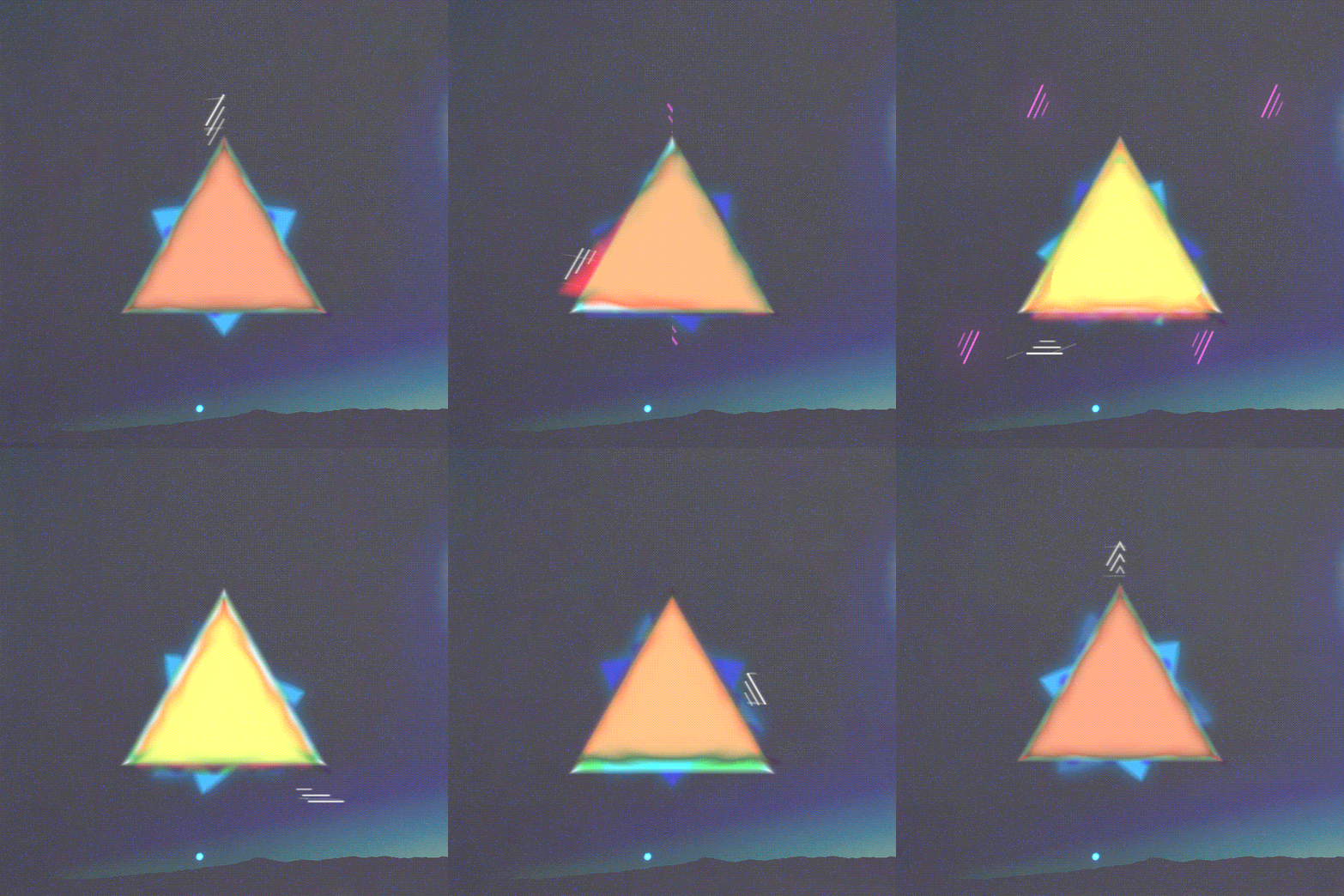
Lesson 113: Guided Drawing of Fear Images
① Action guidance:Use color to represent the temperature of fear (cold, hot, stinging, heavy), without drawing objects.
② Action guidance:Use lines to represent its movement (slow, fast, chaotic, trembling), making fear "visible action".
③ Action guidance:Finally, add a small dot or shape symbolizing "me" somewhere in the image, symbolizing that you are establishing distance from it.
Please log in before submitting your drawings and feelings.
○ 113. Externalizing Fear: Journaling Guidance Suggestions
① What does the fear you drew today look like? Were there any details that surprised me?
② What changes occur in my body when I put my fears on paper?
③ Am I better able to describe fear than just feel pain?
④ Would I be willing to look at this painting for another 10 seconds tomorrow? Why?
Please log in to use.
When fear is depicted, it is no longer an unnamed force in the darkness.
You begin to see, and you begin to take control.
 EN
EN  ZH
ZH  ES
ES  FR
FR  JA
JA