

Lesson 1181: Overview of Bipolar II Disorder
Duration:75 minutes
Topic Introduction:This course provides a detailed introduction to the definition, characteristics, and diagnosis of bipolar II disorder. Participants will learn how to identify the symptoms of the disorder, understand its causes, contributing factors, and how to achieve early diagnosis and treatment. Bipolar II disorder differs significantly from bipolar I disorder, particularly in the milder manifestations of mania. This course will help participants understand how to distinguish these symptoms and explore effective treatment strategies.
○ Overview of Bipolar II Disorder
- Symptom characteristics:Bipolar II disorder is characterized by periods of depression and hypomania. The depression is similar to major depression, while the hypomanic phase is characterized by increased energy, hyperactivity, increased talk, and decreased sleep, but is less severe than the manic phase of bipolar I disorder.
- Treatment and management:Treatment for bipolar II disorder typically includes medications, such as mood stabilizers, antidepressants, and antipsychotics, as well as psychotherapy. Cognitive behavioral therapy (CBT) and supportive care can help manage symptoms during both depressive and hypomanic periods.
- Impact and risks:If left untreated, bipolar II disorder can lead to mood swings, limited social functioning, occupational problems, and interpersonal conflicts. Prolonged periods of depression can increase the risk of suicide, while impulsive behavior during manic periods can cause personal and social harm.
▲ AI Interaction: How to Identify and Manage Bipolar II Disorder
Bipolar II disorder often presents with alternating periods of hypomania and depression, and its symptoms are more subtle, but still require attention.
Write down the three signs you notice most often, whether it's excess energy or low mood.
And record one daily habit you would like to improve.
Conclusion: Understanding type II disorder is the first step to taking better care of yourself.
Click the button below to discuss with AI how to identify the symptoms of bipolar II disorder and learn effective management methods and treatment strategies.
○ Overview of Bipolar II Disorder · Music Therapy
Bipolar II disorder is more like a low-amplitude wave that is often overlooked but is real.
Listen to a gentle song and write down three signs that you are experiencing slight emotional fluctuations.
Melodies help you pick up on these subtle rhythmic changes.
Music reminds you: small fluctuations also deserve understanding and care.
🍵 Licorice and Ginger Tea
Recommended reasons:Licorice Ginger Tea combines the nourishing properties of licorice with the warming effects of ginger. Licorice helps moisten the lungs and calm the mind, while ginger warms the stomach and dispels cold. This tea can help alleviate the mood swings and physical discomfort associated with bipolar II disorder.
usage:Boil a few slices of ginger and a teaspoon of licorice in hot water for 10 minutes. Add honey to taste and drink. Drink this remedy 2-3 times a week to boost internal heat and relieve emotional and physical tension.
Grilled chicken breast with whole wheat bread
Low-fat, high-protein, and complex carbohydrates work together to promote muscle repair and prolong satiety. B vitamins and minerals support nerves and focus. A balanced post-workout or busy dinner, it helps maintain energy and stabilize mood.
Healing Recipes
/home2/lzxwhemy/public_html/arttao_org/wp-content/uploads/cookbook/kao-ji-xiong-rou-quan-mai-mian-bao.html(Please confirm that the following has been uploaded: kao-ji-xiong-rou-quan-mai-mian-bao.html)🎨 Psychological Mandala
Psychological Healing: Psychological Mandala - Thoughts 07
Anxiety constantly swirls in your mind, like a circular corridor from which you can never escape. A mental mandala helps this "circle" slowly move inward, eventually settling at a quiet center. You realize that it wasn't that there were too many things to do, but rather that your mind had never truly sat down for a moment.
Stability does not come from controlling everything, but from having an inner center where you can find peace. Please gaze at this image three times.
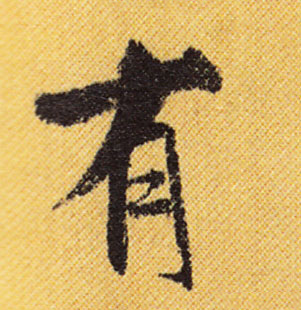
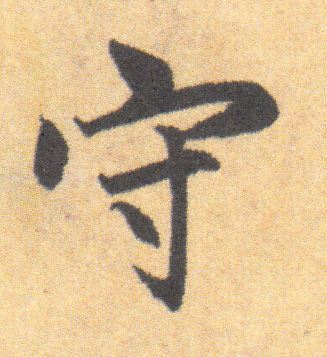
○ Chinese calligraphy – Running script
Running script lies somewhere between regular script and cursive script, boasting a fluid and dynamic structure, with continuous yet measured strokes. Its natural and unrestrained strokes, alternating between fast and slow, convey the writer's emotions and are well-suited for expressing inner thoughts. Practicing running script cultivates an inner sense of rhythm and emotional balance, helping the writer find peace of mind amidst the fluidity of the brushstrokes.
- Written words:
- The heart is in turmoil, but the mind remains calm
- The Heart May Ripple, The Mind Holds Steady
- Writing Tips:
- Running script helps stabilize emotional rhythms. When writing the phrase "heart is full of ups and downs, mind is at peace," focus on the contrast between "ups and downs" and "at peace," adjusting the weight of your brushstrokes and cultivating a sense of peace through the process.






○ Overview of Bipolar II Disorder: Drawing Guide Suggestions
This course uses drawings to help students understand the main characteristics of bipolar II disorder.Hypomanic episodeandDepressive episodeThe alternation of symptoms is characterized by alternation between mania and depression. Although hypomania does not lead to severe functional impairment, the depressive phase is often more prominent. Drawing exercises can help students more clearly see the pattern of symptom fluctuations and their impact on daily life.
1. Hyperbolic Emotional Fluctuations
- Draw two curves: one for hypomania (smaller peaks) and one for depression (clear valleys).
- Mark the "highs" and "lows" you've recently experienced on the curve.
- Mark the "relatively stable area" in the middle of the curve to remind you that the goal is to extend this range.
2. Hypomania and Depression Comparison Table
- Draw a two-column chart: left column = hypomania, right column = depression.
- Examples of hypomanic characteristics include slightly increased energy, increased talkativeness, and decreased sleep without fatigue. Examples of depressive characteristics include lack of interest, depressed mood, and decreased self-esteem.
- Write a reminder at the bottom of the form: "Bipolar II = hypomania + depression, not mood swings."
3. Functional Impact Network Diagram
- Draw a core circle and write "daily life", and connect four branches outward: study/work, interpersonal relationships, emotional stability, and self-worth.
- Under each branch, write about the different impacts that hypomania and depression have on that area.
- Label the branches with possible support methods (such as regular sleep, talking, and recording emotions).
Friendly reminder: Bipolar II disorder is often misunderstood as "personality fluctuations," but it is a clinical illness. Drawing can help identify patterns and facilitate communication, but it cannot replace professional diagnosis and treatment. If symptoms are significant, please seek psychological or medical help promptly.
Please log in before submitting your drawings and feelings.
○ 1181. Overview of Bipolar II Disorder • Log-Guided Recommendations
① Use three sentences to distinguish "hypomanic episode + depression" from general mood swings (duration/functional impairment/sleep changes).
② Write down your most common early signs (talking a lot, having a lot of ideas, sleeping little).
③ Resource inventory: two items each from supporters, medical treatment channels, and feasible daily routines.
④ Self-promise: When the yellow light appears, I will sleep for a night before making a decision.
⑤ Gentle reminder: "I am learning to live with the rhythm."
⑥ Conclusion: Only by understanding the structure can we tailor management.
Please log in to use.
By studying this course, you will be able to better understand the symptoms and management methods of bipolar II disorder, and learn how to regulate emotions and stabilize emotional fluctuations through methods such as tea drinking, diet therapy, and calligraphy.
 EN
EN  ZH
ZH  ES
ES  FR
FR  JA
JA