

Lesson 1183: Characteristics of a Depressive Episode
Duration:75 minutes
Topic Introduction:This course will introduce the characteristics of a depressive episode and help participants identify the early signs and symptoms of depression. Participants will learn how to distinguish between a low mood and a clinical depressive episode. They will also explore common symptoms of depression, such as persistent low mood, loss of interest, and low energy, and learn how to cope with a depressive episode through appropriate treatment and self-care.
○ Characteristics of a depressive episode
- Depression:The core feature of a depressive episode is a persistent low mood, in which the individual often feels helpless, hopeless, and has no interest in participating in activities that he or she previously enjoyed.
- Loss of interest:Individuals often lose interest in daily activities, including things that previously provided them with pleasure, resulting in a significant decrease in their quality of life.
- Lack of energy and fatigue:Depression is often accompanied by a severe lack of energy; individuals may experience persistent fatigue, making daily tasks difficult.
- Low self-esteem:Individuals may develop negative self-evaluations, feel useless, fail, or even have suicidal thoughts.
- Physical symptoms:These include insomnia, excessive sleeping, significant weight changes, and loss of appetite.
▲ AI Interaction: How to Identify and Deal with Depressive Episodes
Depressive episodes can bring about deep feelings of powerlessness and loneliness.
Please write down your three most common symptoms of depression.
Write down one small thing you would still do when you are feeling down.
Conclusion: Even in your lowest moments, there are still gentle gestures that keep you connected.
Click the button below to discuss with AI how to identify early signs of a depressive episode and learn effective coping strategies.
○ Characteristics of depressive episodes · Music therapy
After hypomania, depression may follow, like the change of key in a piece of music.
With music by your side, write down three common feelings you have when you're feeling down.
Let the melody bring comfort and remind you that small actions have value.
Music allows a gentle light to flow in the darkness.
🍵 Licorice and Ginger Tea
Recommended reasons:Licorice Ginger Tea combines the nourishing properties of licorice with the warming effects of ginger. It is suitable for physical discomfort and low mood caused by cold weather, and is particularly helpful for relieving gastrointestinal discomfort caused by depression. Licorice can harmonize the medicinal properties, while ginger helps warm the body.
usage:Boil a few slices of ginger and 1 teaspoon of licorice in hot water for 10 minutes. Add honey to taste and drink. Drink this remedy 2-3 times a day to help relieve physical and emotional tension.
○ Red Bean Quinoa Soup
Plant protein and a complete amino acid profile combined with soluble fiber provide long-lasting satiety and sugar stability. Iron and magnesium aid recovery. Perfect for training sessions and brain-intensive days, this gentle yet powerful energy booster is perfect.
Healing Recipes
/home2/lzxwhemy/public_html/arttao_org/wp-content/uploads/cookbook/hong-dou-li-mai-tang.html(Please confirm that the file hong-dou-li-mai-tang.html has been uploaded)🎨 Psychological Mandala
Psychological Healing: Psychological Mandala - Thoughts and Reflections 09
When you're exhausted, you might wonder if something's wrong with you. A mental mandala is like a holistic map of the body and mind, marking tension, emptiness, and small, still-glowing dots. You realize: it's not that you're worthless, but rather that your energy has been forced to be spent too much on survival.
Exhaustion is a distress signal from both the body and mind. Please watch this 3 times.
○ Chinese calligraphy – Running script
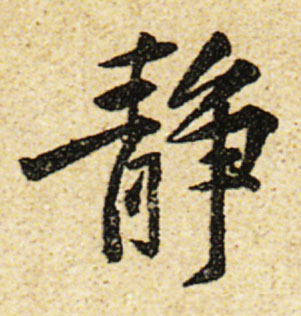
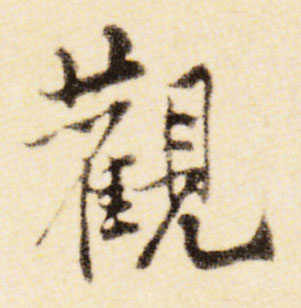
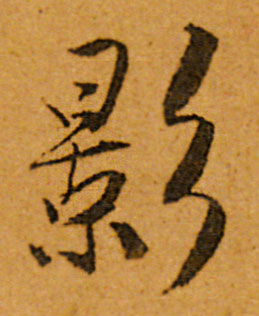
Running script lies somewhere between regular script and cursive script, boasting a fluid and dynamic structure, with continuous yet measured strokes. Its natural and unrestrained strokes, alternating between fast and slow, convey the writer's emotions and are well-suited for expressing inner thoughts. Practicing running script cultivates an inner sense of rhythm and emotional balance, helping the writer find peace of mind amidst the fluidity of the brushstrokes.
- Written words:
- Observing the Shadow of the Heart · A Ray of Light
- Observe the Shadows Within, Let a Ray of Light Emerge
- Writing Tips:
- Running script can be used as a practice for managing depression. When writing "Quietly Contemplating the Heart's Shadow, a Ray of Light," maintain a smooth and steady brushstroke, using the artistic conception of the words to guide your inner transition to light.





○ Characteristics of a depressive episode: Drawing guidance suggestions
This course uses drawing to externalize the core manifestations of depressive episodes, helping you create a visual record across three dimensions: intraday fluctuations, interest/energy, and physical and mental rhythms. The goal is to identify patterns, reduce self-blame, and provide a clear basis for self-care and medical consultation.
1. Intraday volatility curve (morning and evening differences)
- Draw a horizontal axis of time (morning-noon-evening) and a vertical axis of “mood/motivation 0-10”.
- Use a broken line to plot your mood and motivation over the past 3-7 days, and use small print to indicate triggering cues (lack of sleep/stressful conversations, etc.) next to the low points.
- Write the "micro-improvement window" below the curve (such as a 10-minute walk in the afternoon) as a reminder of the time period for intervention.
2. Interest × Energy Nine-square Grid (Anhedonia Positioning)
- Draw a 3×3 grid: horizontal axis = interest (low → high), vertical axis = energy (low → high).
- Write your daily activities into the corresponding boxes; prioritize picking one item from the “medium/high interest but low energy” box and making a “shrunken version” (≤5–10 minutes).
- After completing each grid, color the corner of the grid and record the somatosensory words (such as "from heavy → slightly loose").
3. Three scales of physical and mental rhythms (sleep/appetite/psychomotor)
- Draw three scales from 0 to 10: sleep (insomnia ←→ sleepiness), appetite (decreased ←→ increased), and psychomotor (retardation ←→ agitation).
- Mark each scale's daily position this week and indicate the trend with an arrow; pair it with "micro-steps for countermeasures" on the right (fixed wake-up time, moderate eating, 2-minute stretching, etc.).
- Draw a "flag" area next to the scale: When there is a noticeable deterioration for 3 consecutive days → write "Contact professionals/family."
Friendly reminder: Depressive episodes require professional assessment and ongoing management; drawing can be a helpful tool for observation and communication. If you experience persistent insomnia, significant weight loss, intense feelings of hopelessness, or thoughts of self-harm or others, please seek immediate support and intervention from your family and professional agencies.
Please log in before submitting your drawings and feelings.
○ 1183. Characteristics of a Depressive Episode • Journal-Based Guidance Suggestions
① Today’s mood color card: gray, blue, green. Choose one and write down the reason.
② Activation menu: Three minimum actions (make the bed, wash your face, and sunbathe), tick the box after completing two of them.
③ Rewrite your thinking: Change “I can’t do anything” to “I did X% today”.
④ Connect for a Minute: Establish a short connection with people/pets/nature.
⑤ Reward micro-ritual: hot drinks/music/aroma to consolidate the action-pleasure loop.
⑥ Conclusion: The steps forward can be small, but the direction must be towards the light.
Please log in to use.
By studying this course, you will be able to better understand the characteristics of depressive episodes and learn how to regulate your emotions and help manage depressive symptoms through methods such as tea drinking, diet therapy, and calligraphy.
 EN
EN  ZH
ZH  ES
ES  FR
FR  JA
JA