

Lesson 1185: Treatment and Management of Bipolar II Disorder
Duration:75 minutes
Topic Introduction:This course will delve into the treatment options for bipolar II disorder, including medication, psychotherapy, and lifestyle management. Participants will learn how to manage symptoms through comprehensive treatments, reduce the risk of relapse, and employ effective self-management strategies to help patients maintain emotional stability and improve their quality of life.
○ Treatment and management of bipolar II disorder
- Drug treatment:Common medications include mood stabilizers (such as lithium) and antidepressants (such as SSRIs). Medication can help patients stabilize their mood and prevent the recurrence of manic and depressive episodes.
- Psychotherapy:Cognitive behavioral therapy (CBT) and psychoeducation are effective treatments. Through psychotherapy, patients can learn how to identify and adjust negative thoughts, manage mood swings, and avoid relapses.
- Lifestyle Management:A regular sleep schedule, a healthy diet, moderate exercise, and a social support system can help patients maintain emotional stability. Avoiding excessive stress and irregular lifestyle habits is an important measure to prevent relapse.
- Self-management:Participants will learn how to manage symptoms through self-observation, recording mood swings, and identifying triggers. Regular mood checks and a healthy lifestyle are key to maintaining long-term treatment results.
▲ AI Interaction: How to Manage Symptoms of Bipolar II Disorder
Managing Type II disorder requires a combination of professional treatment and maintenance of daily habits.
Please write down one of your most trusted treatments and one of your most effective life strategies.
Also note one avenue of support you would like to try in the future.
Conclusion: Treatment and management is a long journey, and you are already on it.
Click the button below to discuss with AI how to effectively manage the symptoms of bipolar II disorder and learn about medication, psychotherapy, and self-management techniques.
○ Treatment and management of bipolar II disorder · Music therapy
Managing Type II disorder requires persistence, like playing a long piece of music.
Put on some slow music and write down one small step you can take each day.
Let music accompany you and make persistence easier.
Music reminder: Only long-term melody can bring stability.
🍵 Licorice and wolfberry tea
Recommended reasons:Licorice and wolfberry tea has nourishing properties that can help boost immunity and alleviate mood swings. The soothing properties of licorice and the goji berries help replenish energy and strength, making it ideal for relieving discomfort caused by mood swings.
usage:Soak five goji berries and one teaspoon of licorice in hot water for 5-10 minutes. Add honey to the drink. Drink once or twice daily to help restore energy and relieve fatigue and mood swings associated with bipolar II disorder.
○ Low-fat yogurt with berries
High protein and probiotics work together to maintain satiety and maintain a healthy gut microbiome; berry anthocyanins and vitamin C provide antioxidants and a refreshing boost. This calorie-friendly drink is perfect for breakfast or a light afternoon snack, helping maintain focus and stabilize blood sugar levels.
Healing Recipes
/home2/lzxwhemy/public_html/arttao_org/wp-content/uploads/cookbook/di-zhi-suan-nai-pei-mei-guo.html(Please confirm that the following has been uploaded: di-zhi-suan-nai-pei-mei-guo.html)🎨 Psychological Mandala
Psychological Healing: Psychological Mandala Ideas 11
You're used to hiding all your emotions with a smile, so much so that you can't even tell which "I'm okay" is genuine. The suppressed grievances swirl around in your heart, unable to find an outlet. Near this quiet center, allow yourself to admit: I do feel sad, and I deserve comfort.
In the moment when vulnerability is allowed, strength is growing. Please watch this 3 times.

○ Chinese calligraphy – Running script
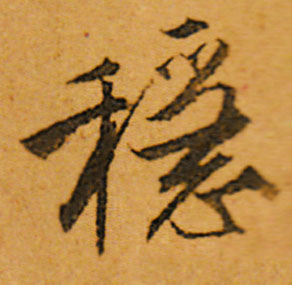
Running script lies somewhere between regular script and cursive script, boasting a fluid and dynamic structure, with continuous yet measured strokes. Its natural and unrestrained strokes, alternating between fast and slow, convey the writer's emotions and are well-suited for expressing inner thoughts. Practicing running script cultivates an inner sense of rhythm and emotional balance, helping the writer find peace of mind amidst the fluidity of the brushstrokes.
- Written words:
- Regulate your breathing and nourish your mind, and proceed steadily towards long-term success
- Regulate Breath and Nurture the Heart, Walk Steadily Toward the Distant Goal
- Writing Tips:
- During treatment and management, calligraphy practice can help with mental adjustment. When writing "Regulating Breathing and Nourishing the Heart, Steady Progress," one should coordinate with breathing, maintain a steady brushstroke, and strengthen inner peace.







○ Treatment and management of bipolar II disorder: drawing guidance suggestions
This course uses drawings to help students understand the treatment and management of bipolar II disorder. Unlike bipolar I, the hypomanic phase of bipolar II is often ignored, but the depressive phase is more prominent, so the focus of treatment and management is onProlong the stable period, reduce recurrence, and maintain regularityDrawing can make these abstract principles more intuitive and actionable.
1. Therapeutic Triangle
- Draw a triangle and write the following on each side: drug treatment (follow doctor's orders), psychological intervention (cognitive/supportive), and self-care (regular life).
- Write "Stable Period" in the center of the triangle.
- Remind yourself that "a complete triangle means longer stability."
2. Daily Circadian Clock
- Draw a 24-hour circle and mark fixed times for waking up, sleeping, eating, and exercising.
- Color in the completed parts to create a sense of pattern.
- Write "Rhythm = Protection" in the center.
3. Early Warning and Response Card
- Draw a card with three columns: early signs (such as decreased sleep/sudden loss of interest), self-coping (breathing/reducing stimulation/seeking help), and emergency resources (family/doctor/hotline).
- Personalize the card and keep it with you.
- The reminder is written below: "Early identification, early intervention."
Friendly reminder: Bipolar II disorder requires long-term, comprehensive management. Drawing can help with visualization and self-reminders, but it cannot replace professional treatment. If symptoms worsen, please contact your doctor or seek professional support immediately.
Please log in before submitting your drawings and feelings.
○ 1185. Treatment and Management: Log-Guided Recommendations
① Personal plan: medication/psychotherapy/exercise/sleep/social interaction, set the “minimum feasible standard” for each item.
② Record side effects and a list of questions to discuss three points with your doctor.
③ Rhythm guardrail: fix early rising, morning sunlight, and evening noise reduction, and keep one of them first.
④ Yellow Light Process: Delay major decisions, reduce incentives, and contact supporters.
⑤ Self-affirmation: Record evidence of execution as planned.
⑥ Conclusion: Management is a long-term practice, and stability comes from repetition.
Please log in to use.
By studying this course, you will be able to better understand the treatment and management of bipolar II disorder, and learn how to regulate emotions and enhance self-care abilities through methods such as tea drinking, diet therapy, and calligraphy.
 EN
EN  ZH
ZH  ES
ES  FR
FR  JA
JA