

Lesson 118: Long-Term Maintenance Plan
Duration:70 minutes
Topic Introduction:
The process of healing fear or anxiety is not linear, but rather a cycle of "improvement-fluctuation-improvement".
The purpose of a long-term maintenance plan is not to guarantee that you will never relapse, but to give you a solid direction and methods when fluctuations occur.
This course will guide you in building an executable, adjustable, and sustainable long-term maintenance system to make progress more solid and reliable.
Why is long-term maintenance necessary?
- Preventing a return to the old mode:The brain tends to revert to familiar past responses to maintain the activity of new pathways.
- Reduce panic about relapse:When you know what to do, a relapse is just a "reminder," not a "collapse."
- Strengthen self-efficacy:Maintenance makes you believe: I have the ability to manage my own emotional system.
Lesson 118: Long-Term Maintenance Plan, Click to listen to the reading, View the content
Long-term maintenance plans are not an additional burden after symptoms subside, but rather help change key structures that have truly become ingrained in your life. Many people experience two extreme reactions when fear significantly decreases: complete relaxation, feeling no need for further practice, or excessive vigilance and worry that everything will rebound once they stop. Both states cause the nervous system to re-enter instability. The core goal of long-term maintenance is not continuous treatment, but maintaining resilience—that is, even if fear occasionally recurs, you still know how to cope and quickly recover. Psychologically, fear memories and safety memories coexist for a long time; the role of maintenance plans is to continuously strengthen the latter's accessibility. The first part of maintenance is rhythmization: you need to maintain a minimum frequency of regulatory behaviors, such as weekly mild exposure, daily body awareness, or fixed recovery rituals. These don't require much effort but can stabilize the baseline. The second part is early warning identification: you can list warning signs that could lead to imbalance, such as sleep disturbances, persistent avoidance, or internal self-blame. When these signs appear, the plan will automatically escalate instead of waiting until fear spirals out of control. The third part is continued use of support networks: even when feeling well, allow yourself to stay connected instead of waiting for difficulties to arise before seeking help. The fourth part is about maintaining long-term change. It's about knowing why you continue. Regularly reviewing what freedom and space you've gained after reducing fear are important sources of motivation for maintenance. It's important to understand that maintenance doesn't strive for perfection; flexible plans are more effective than rigid but unsustainable ones. True stability isn't the absence of fluctuations, but rather that fluctuations no longer disrupt life. A long-term maintenance plan is a gentle promise to the future, telling yourself that even if you encounter difficulties again, you won't be left behind. When you face the future with planning instead of fear, your nervous system gradually relaxes its vigilance against relapse. Maintenance isn't about dwelling on the past, but about providing a safe foundation for continued progress.
▲ AI Interaction: What is the one thing that needs to be persisted in most to maintain progress?
You don't need to do a lot every day.
By consistently practicing just one small exercise, you can let your brain know that you are still making progress.
When you are willing to continue to "maintain" the healing process, you have already achieved half the success.
Choose music with a stable rhythm as a signal to "adjust your state" each day.
When the body knows that music means "I need to take care of myself," maintenance becomes more natural.
○ Eastern Healing Tea - Longjing Tea
Recommended reasons:It's refreshing and invigorating, reducing fatigue, making it suitable as a daily start-up ritual for your maintenance routine.
practice:Brewed at 80℃, a light sip of its refreshing taste symbolizes "a day beginning with Qingming."
○ Stable Dietary Therapy: Pea and Mint Warming Soup (ID118)
When the body feels fatigued or the mood becomes sluggish due to the cold, a bowl of fragrant and warm soup can help the system restart. The natural sweetness of the peace beans provides the body with gentle and stable energy, while the mint, after heating, releases a mild and refreshing aroma that won't overstimulate the senses. This warm soup is best enjoyed in the morning or evening, as the warm liquid and the surrounding atmosphere effectively help the body contract and alleviate fatigue over a longer period.
Routine maintenance
Mild and sustained
Open Recipe
◉ Warming Soup Recipe: Pea and Mint Warming Soup (ID 118)
Pea and mint warming soup is a light yet comforting green energy soup. The peas have a subtle sweetness, and after being cooked until soft, they are blended into a smooth, creamy soup. The addition of mint brings a refreshing touch to the warmth, gently invigorating the spirit without being overpowering. For those who don't want a heavy cream soup but crave something different, this soup is both soothing and invigorating, perfect for enjoying in the evening, after a long day at work, or on a slightly chilly day.
Fresh and gentle plant protein Low-fat warm soup
I. Recommended Dietary Therapy and Reasons
Recommended dishes:Pea and mint warming soup (ID 49)
Recommended reasons: Peas are rich in plant protein and fiber, providing a mild feeling of fullness without being heavy. The addition of mint gives the soup a subtle refreshing aroma while it's warm, helping to soothe mental fatigue and slightly "awaken" the taste buds. The overall soup has a very gentle texture, making it a top choice for when you're feeling down, have a poor appetite, or want a light and warming meal.
2. Recipe and Method
Recipe (1–2 servings):
- Peas (fresh or frozen) 150–180 g
- 40–60 g potatoes (cut into small pieces to make the soup smoother)
- 1/8–1/6 of an onion (chopped)
- Use 4–6 peppermint leaves (the aroma will remain after heating but will not be overly pungent).
- 550–650 ml of water or vegetable broth
- 1 teaspoon olive oil or 5 g butter (optional)
- a pinch of salt
- A pinch of white pepper (optional)
- Add a few drops of lemon juice (optional, to enhance freshness).
practice:
- Wash the peas and set aside; chop the potatoes and onions, and wash and lightly dry the mint leaves.
- Add olive oil or butter to a pan and sauté the onions over low heat until they become translucent and soft.
- Add peas and potatoes, stir-fry for 1 minute to allow the ingredients to heat evenly.
- Pour in water or vegetable broth, bring to a boil over high heat, then reduce to low heat and simmer for 12–15 minutes, or until the peas are completely tender.
- Turn off the heat, add mint leaves, and let it sit for 1 minute to release the aroma.
- Pour the soup into a blender or blend it with a hand blender until smooth and creamy.
- Pour the broth back into the pot, heat over low heat, and add a little salt and white pepper to taste.
- For a crisper flavor, add a few drops of lemon juice.
- After serving, you can garnish with a small mint leaf for added fragrance.
3. Small rituals for body and mind
Observing the peas gradually change from bright green to soft as they cook, is like watching a tense mood being released little by little.
While stirring the soup, let your breathing become steady with the subtle changes, and gently pull your attention back from your chaotic thoughts.
The first sip of soup brings a feeling of warmth and freshness, prompting you to say to yourself, "I allow myself to be gently healed."“
4. Dietary Therapy Experience Record
- Record the time of drinking and your current mental state (tired, depressed, or needing a boost).
- Observe the stomach comfort and mood changes after drinking the soup.
- If consumed for several consecutive days, changes in sleep quality, feeling of lightness, and fatigue can be recorded.
V. Instructional Videos (approximately 3–5 minutes)
◉ Video Title:Pea and Mint Warming Soup: A Gentle and Soothing Green Energy
6. Precautions
- Do not use too much mint, otherwise the aroma may overpower the mildness of the soup itself.
- If you have a sensitive stomach, you can extend the cooking time to make the peas easier to digest.
- The amount of potatoes can be increased or decreased as needed to adjust the consistency of the soup.
hint:This soup is a light and warming drink and is not a substitute for medical advice; if you experience persistent stomach discomfort, please consult a professional.
○ Seal Carving Practice Suggestions · Lesson 118: Long-Term Maintenance Plan – Carving “Change” into Stone
In this lesson, we will develop a "long-term maintenance plan." Many people become complacent after their symptoms subside, or interrupt their practice due to daily life's琐事 (trivial matters). Seal carving can be passed down through generations because of the hardness and stability of the metal and stone. We need to, like seal carving, not just "write" our previous insights on paper, but "carve" them into the very fabric of our lives, making them an indelible way of life.
- Introduction to the characteristics of seal carving:
“"Side inscriptions and records". Besides the seal face, seal engraving often involves carving a "side inscription" on the side of the stone, recording the time, reason, or mood of the engraving. This is like our "long-term maintenance," which not only focuses on the current state (the seal face) but also learns to record the trajectory of growth (the side inscription). Each record reinforces our self-commitment. - Written words (seal text):
Maintain the heart of a gentleman and act like a true man. - Psychological Intention:
“The most difficult aspect of "long-term maintenance" is resisting the erosion of time. Inscribing "unwavering original intention" is a reminder to oneself that no matter how the emotional weather changes in the future, the core intention of wanting to improve oneself should be as firm as a rock and not be swayed by circumstances. - Knife skills:
practise“"Repair and Damage"”After carving the seal, the engraver often makes adjustments, sometimes even deliberately tapping the edges to create a weathered, metallic feel. This implies that in the long run, we don't need to pursue perfection. Accepting the bumps and bruises life throws our way, and viewing these "imperfections" as part of life's richness, actually adds to its charm. - Emotional transformation:
Regarding the possibility of future recurrenceConcernThis translates into "continuous action in the present moment."DeterminedEvery deeper cut is a message to myself: I have the ability to maintain this peace.
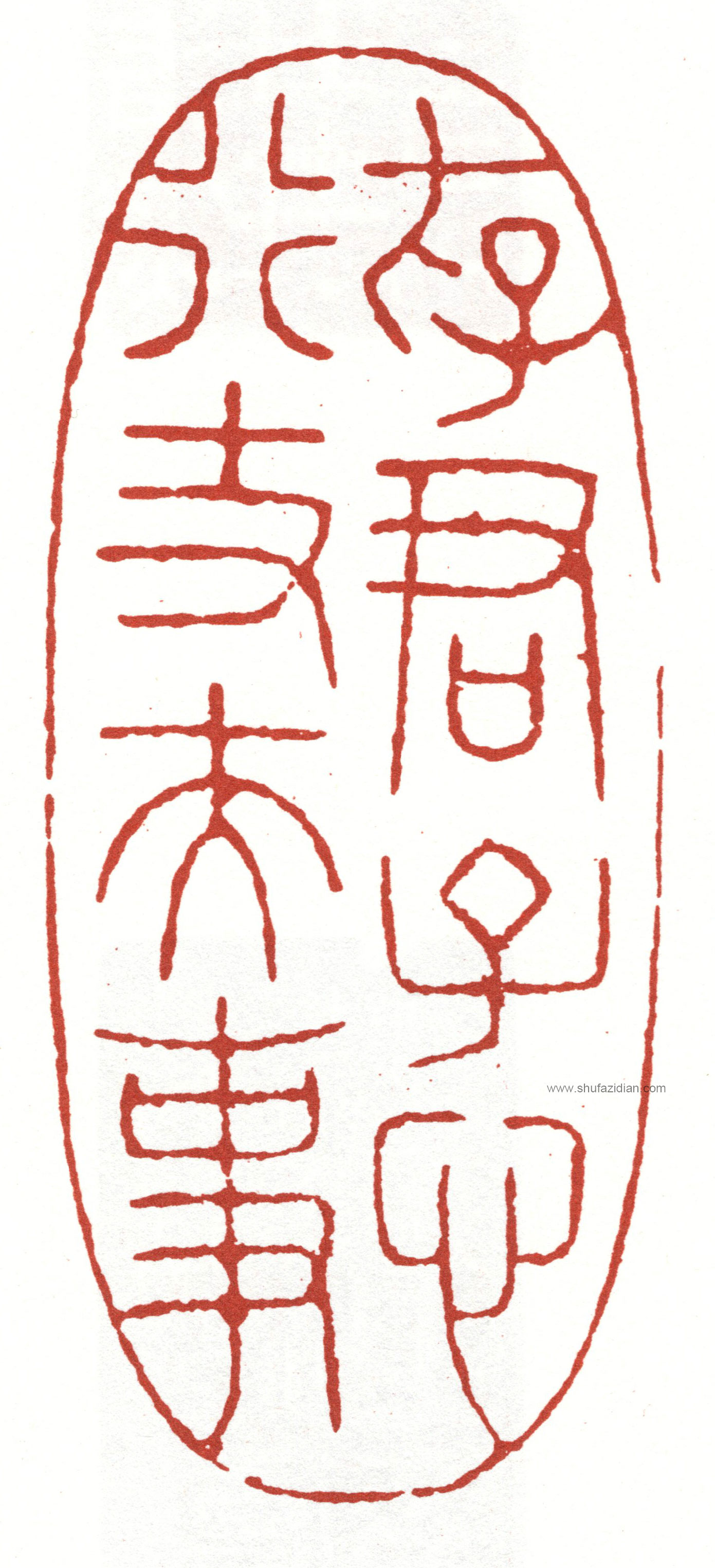
Image Healing: Mandala Stability Guidance 118
Imagine your life as a giant concentric circle. Past traumas, present efforts, and future visions all run on different tracks, independent yet collectively forming you. You don't need to constantly be tense and "maintain" anything; you simply need to exist like the center. All habits and practices, like planets orbiting a star, flow naturally due to gravity. No need to push; simply maintain the gravity—that is your unconditional love for yourself.
The mandala pattern in this lesson presents a clear "multi-layered, stable structure," symbolizing the establishment of a psychological immune system. Through the progressively layered patterns, it strengthens the sense of inner order, helping us internalize learned skills into instinct.
◉ Gaze at the mandala twice, coordinating with deep breathing: inhale deeply while holding your breath, and exhale agitation while exhaling.

Lesson 118: Long-Term Maintenance - Drawing Guidance
① Action guidance:Draw a slowly expanding circular line to symbolize the accumulation of daily practice.
② Action guidance:Draw three lines of different thicknesses to symbolize the maintenance rhythm of "daily, weekly, and monthly".
③ Action guidance:Write down a small action you're willing to stick to in the corner of the page, such as "take three deep breaths every day".
Please log in before submitting your drawings and feelings.
○ 118. Long-term maintenance · Log-guided recommendations
① What small maintenance task did I complete today? How did it make me feel?
② What signals remind me that "I need to make adjustments"?
③ Which exercise do I want to make a core habit in the coming weeks?
④ If fluctuations occur, what sentence would I like to remind myself of?
Please log in to use.
Maintaining this isn't a burden, but rather a way for you to continue working with yourself. You are gradually building a robust self-support system.
 EN
EN  ZH
ZH  ES
ES  FR
FR  JA
JA