

Lesson 1191: Triggering Factors: The Influence of Sleep, Stress, and Rhythm Disorders
Duration:75 minutes
Topic Introduction (Overview):
The mood swings in bipolar II disorder rarely occur "out of nowhere." Many participants only gradually discover during their debriefing that each rise in hypomania or fall in depression is closely related to certain key triggering factors. Among these, the most common and easily overlooked are imbalances in sleep, stress, and daily routines. A reduction of one or two days of sleep may seem manageable, but the underlying physiological activation is quietly accumulating; a sudden increase in stress may not erupt immediately, but it can lead to delayed emotional reactions three to five days later; and a disruption of daily rhythms is like a train derailed from its tracks—the further it goes, the harder it is to pull back.
This course will systematically break down the impact paths of three major triggering factors: how sleep deprivation leads to hypomania precursor signals, how chronic stress depletes physical stability, and how circadian rhythm disorders disrupt the "internal clock" of emotional regulation. You will learn how to record, identify, and avoid these triggers, allowing your emotions to move beyond passive manipulation and gradually become able to see the precursors before fluctuations occur. Mandala drawing is not about creating images, but about observation—observing how these triggering factors alter your internal rhythms, observing the chain reaction between body and emotions, and thereby rebuilding control over stability.
▲ AI Interaction: Find Your Top Three Triggers
Write down what happened in the 48 hours before your most recent sudden rise or fall in mood, including sleep, stress, and circadian rhythm changes.
Circle the three most likely trigger points and label them "strong/medium/weak".
Choose one of them and write an "early warning message" for it.
Click the button below to analyze your specific triggering patterns with AI.
Music Therapy: Identifying the Body's Response to Triggers
Please play a small instrumental piece that starts slowly, gradually increases in intensity, and then returns to quiet.
First listen: Pay attention to when your body starts to tense up or relax, and feel the subtle reactions brought about by changes in rhythm.
Listen a second time: Draw the "curve" of your physical sensations on paper and see if it is similar to changes in your emotions or stress.
The rise and fall of musical rhythm is one of the best ways to practice "noticing the premonitions".
Herbal Healing Tea: Orange Blossom + Honey + Licorice Warm Drink
Recommended reasons:Orange blossom has a gentle, calming effect, making it suitable as a buffer before sleep is triggered; licorice balances anxiety; honey provides a small amount of energy without causing irritation, making it suitable for regulating the body's rhythm after stress fluctuations.
usage:Steep 2g of orange blossom and 1 small slice of licorice root in hot water for 7 minutes. After it cools slightly, add 1 teaspoon of honey. Drink this 1 hour before bedtime to enhance your nighttime circadian rhythm.
Canadian Maple Diet: Maple Warm Milk for a Stable Rhythm
The Maple Diet emphasizes natural sugar sources, gentle energy, and stable blood sugar. This drink uses warm milk or oat milk with a small amount of pure maple syrup and cinnamon powder to help provide stable energy before bedtime and reduce nighttime awakenings caused by blood sugar fluctuations, making it an excellent "rhythm-restoring drink."
Suitable for: When sleep is easily triggered, stress is accumulated, or the circadian rhythm is disrupted. Long-term consumption can strengthen the body's "nighttime relaxation signals" and help emotions return to a predictable rhythm.
Healing Recipes
/home2/lzxwhemy/public_html/arttao_org/wp-content/uploads/cookbook/maple-warm-milk(Alternatively, you could try relaxed="1" or use an existing filename.)
Psychological Mandala Healing · Mi Xiangwen 1191 · The Three Lines of Rhythm
Imagine a mandala before you, composed of three lines extending from the center: one symbolizing sleep, one symbolizing stress, and one symbolizing life rhythms. The three lines are sometimes of different lengths, sometimes close together, and sometimes staggered. You simply observe, without analyzing or controlling.
When the sleep line suddenly lengthens, you realize you're on the verge of excitement; when the stress line suddenly shortens, you see your body overdrawing its strength; when the rhythm line begins to deviate, you know you need to stop and "calibrate." A mandala isn't about drawing something, but about observation—observing how the rhythm of life reveals itself in these lines, seeing that you're not out of control, but rather searching for a rhythm that suits you better.
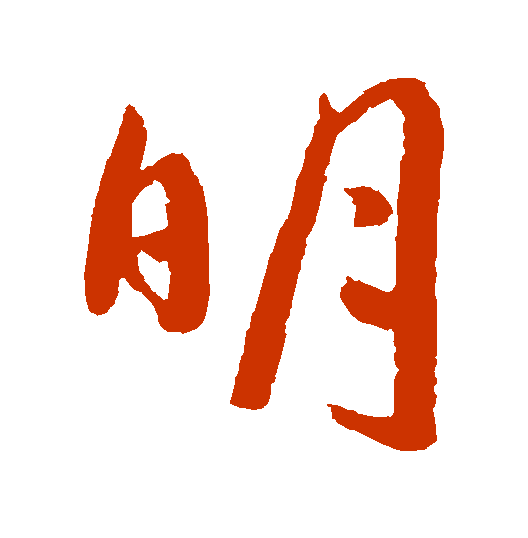


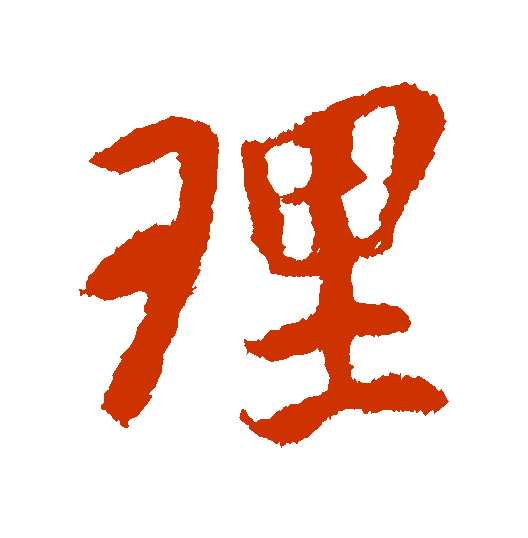




Chinese Calligraphy – Running Script: Writing "Maintaining Rhythm"“
- Written words:Rhythm preservation, mental stability
- English equivalent:Keep the rhythm, and the heart steadies.
-
Writing Tips:
The rhythm of running script is closer to the concept of "trigger factors" than any other font: fast strokes feel like restlessness, while slow strokes feel like fatigue and depression. When practicing, use the three-part rhythm of "fast-slow-steady" to correspond to the three trigger factors, and feel your body find stability in writing.
Lesson 1191: Triggering Factors - Drawing Guidance
Objective: To help learners understand the interactive effects between the three triggering factors using images.
Step 1: Draw three circles on a piece of paper and write "Sleep," "Stress," and "Rhythm" on them respectively. Make sure the three circles partially overlap each other.
Step 2: Write down the problems you experienced most frequently in the past year in the overlapping area, such as "over-excitement the day after staying up late", "decreased sleep after stress", and "persistent low mood due to circadian rhythm disruption".
Step 3: Draw small arrows outside the circle to represent the direction you want to start changing, such as "turn off the lights at a fixed time every night," "rest earlier when under pressure," and "maintain two fixed schedules when traveling." Observe the overall picture without analyzing it, just let yourself see the "whole picture of the rhythm."
Please log in before submitting your drawings and feelings.
Lesson 1191: Triggers and Log-Guided Suggestions
① How was your sleep duration and quality today? (Rating: 0-3 points)
② What are the sources of stress today? (List the top three and indicate their relative strength.)
③ Has your daily routine deviated significantly today? (For example: eating late, having disorganized plans)
④ Write down one small adjustment you would like to try this week (e.g., fix your wake-up time).
⑤ Write a reminder: "When the rhythm starts to deviate, I will pause for a while."“
⑥ Conclusion: Every moment of awareness is a step toward future stability.
Please log in to use.
Triggers are not enemies, but signals. By recognizing them, you can gain control of your rhythm sooner and more steadily, preventing emotional fluctuations from spiraling out of control and gradually bringing them back onto a manageable and predictable track.
 EN
EN  ZH
ZH  ES
ES  FR
FR  JA
JA