

Lesson 1196: The Influence of Sleep Patterns on Bipolar Symptoms
Duration:75 minutes
Topic Introduction (Overview):
Sleep is a core variable in bipolar II disorder, not just a matter of "getting enough rest," but also a key factor directly regulating the nervous system's rhythm, mood intensity, and brain energy allocation. When sleep is slightly reduced, the risk of hypomania increases rapidly: faster thinking, more talking, and impulsive behavior. Conversely, when sleep is excessive or interrupted, it is easier to slip into depressive phases, characterized by decreased energy, loss of interest, and slowed thinking. This course will guide you through understanding how sleep acts as the "rhythm engine of the bipolar mood curve," why irregular sleep causes mood to "suddenly accelerate and then suddenly shut down," and how to stabilize these fluctuations by establishing a consistent sleep pattern.
Mandala drawing isn't about drawing anything; it's about observation—observing how sleep rhythms affect your mental state; observing how the brain's photoreceptors, melatonin, and circadian rhythms synchronize or disrupt each other; observing how your emotional trajectory changes when you sleep too little or too much. This course helps you rediscover your own "nighttime stability" through three aspects: herbal healing teas, the Maple Cure Diet, and cursive calligraphy practice, making sleep the most reliable foundation for your emotional stability, rather than the trigger for the next fluctuation.
▲ AI Interaction: How does your sleep rhythm affect you?
Please answer three questions to assess the impact of your sleep on mood swings:
- ① On which day recently did you experience a reduction in sleep, and your pace noticeably accelerated the following day?
- ② How do your mood, energy, and thinking change when you sleep too much?
- ③ In what situations are you most likely to lose your bedtime routine? (Work, phone, stress)
Click below to start an in-depth discussion:
○ Music Therapy: Nighttime Rhythm Stabilization Method
The brain needs transitional music that changes from bright to dark and from fast to slow at night.
Please select a slow, highly repetitive melody to train the descent curve of your nighttime rhythm.
Herbal healing tea: Chamomile + maple syrup warm drink
Recommended reasons:Chamomile can reduce the excitability of the nervous system and help you fall asleep; maple syrup provides mild energy and reduces "pre-sleep hypoglycemic anxiety".
Dosage:Steep 2g of chamomile in warm water for 5 minutes, add a small amount of maple syrup for flavor, and drink 40 minutes before bedtime.
○ Maple Cure Diet · Maple Milk Warmer
Excessive excitement at night is a precursor to hypomania, and the tryptophan in warm milk, combined with the stable energy of maple syrup, can soothe nerve activation and reduce difficulty falling asleep and nighttime awakenings. It is a suitable bedtime calming drink for the pre-hysteria phase.
Healing Recipes
/home2/lzxwhemy/public_html/arttao_org/wp-content/uploads/cookbook/maple-milk-02(Alternatively, you could try relaxed="1" or use an existing filename.)
🎨 Psychological Mandala · Mi Xiangwen 1196 · Nightfall
Imagine a series of halos of light gradually dimming before your eyes. The outer halos are bright, fast-moving, and scattered; the inner halos become darker and slower. Simply observe, without chasing or rushing, allowing the halos to settle on their own. You will discover that your brain, like light, also has a rhythm of descent.
A mandala is not about drawing something, but about observing how the rhythm of the night converges; observing how your attention slowly draws back from the outer circle to the center; observing how the stillness of the night allows the heart to settle down.




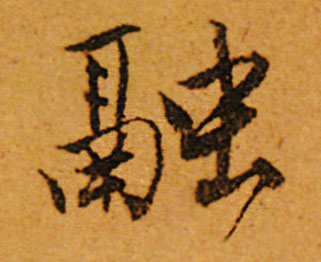
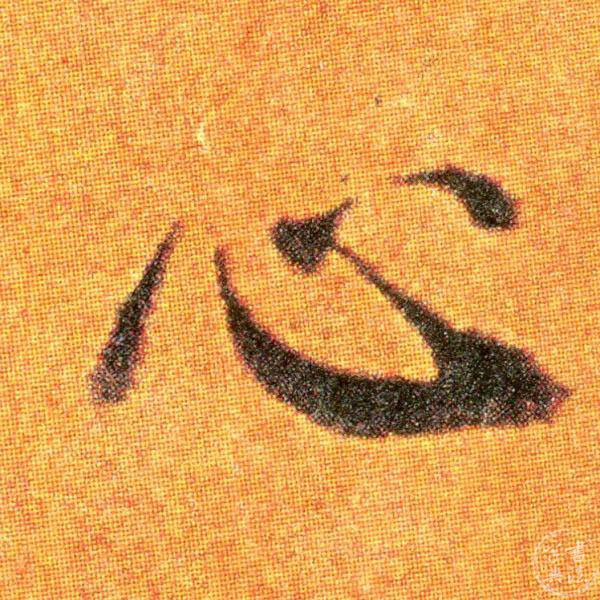
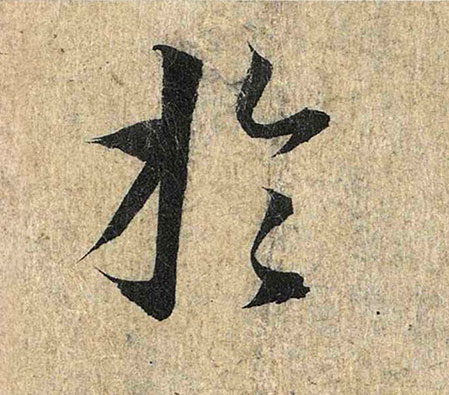
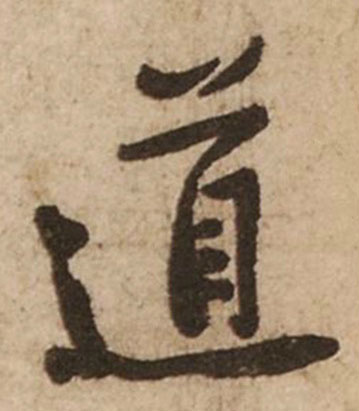
○ Running script practice: Peaceful night
Purpose: To let the rhythm of writing guide the mind into the tranquility of the night.
- Written words:Good night · Peace of mind
- English:Night Settles · Mind Calms
- Practice Tips:Slow down each stroke, write at the speed of "breathing," don't push, don't rush, let the shape of the character settle down on its own.

Sleep rhythm drawing awareness exercise: Light descent curve
- Draw a curve that gradually changes from light to dark to symbolize the decline in sleep rhythm.
- At the high point of the curve, I wrote, "I often remain excited at this time."
- Write "the time when my body is really ready to sleep" at the bottom of the curve.
- Observe the difference between the two – that's the "rhythm difference" you need to adjust.
Please log in before submitting your drawings and feelings.
○ 1196. The Influence of Sleep Patterns on Bipolar Symptoms: Journaling Recommendations
① Does my bedtime coincide with the time when my body is truly tired?
② Have you had any sleep patterns in the last three days that have been "earlier/delayed/reduced/made up for sleep"?
③ Which event is most likely to disrupt my sleep rhythm?
④ Can I set up a "10-minute bedtime ritual" for myself?
⑤ Observation: What is the connection between my mood and sleep today?
Please log in to use.
Stable sleep is the first line of defense for stable emotions. Only when the night is stable can the day proceed smoothly.
 EN
EN  ZH
ZH  ES
ES  FR
FR  JA
JA