

Lesson 1223: Causes and Risk Factors of Cyclothymic Disorder
Duration:75 minutes
Topic Introduction:This course will introduce the causes and risk factors of cyclothymic disorder. Participants will gain a deeper understanding of the biological, psychological, and social factors that influence the development of cyclothymic disorder, as well as how to identify and assess the impact of these factors on patients.
○ Causes and risk factors of cyclothymic disorder
- Biological factors:Biological causes, such as genetic factors and neurobiological abnormalities (such as an imbalance of brain chemicals), are thought to be closely related to the development of cyclothymic disorder.
- Psychological factors:Chronic emotional repression, excessive stress, and unresolved psychological trauma can lead to mood swings and cyclothymia.
- Social environmental factors:Lack of social support, unstable family or work environments, and serious life events (such as loss and divorce) are also potential risk factors for cyclothymic disorder.
▲ AI Interaction: Causes and Risk Factors of Cyclothymic Disorder
The causes may involve genetics, psychological temperament, or environmental stressors, which, like background music, influence the rhythm of your emotions over time.
Please write down three emotional triggers that left the deepest impression on you, such as interpersonal conflicts, work and rest disorders, or life changes.
Also, keep track of your most common thought patterns, such as excessive self-blame, extreme self-reflection, or worrying about being ignored.
If you can recognize these patterns, you can be better prepared before the next volatility comes.
Conclusion: Knowing the cause is not blaming, but the beginning of understanding and acceptance.
Click the button below to discuss the causes and risk factors of cyclothymic disorder with AI, and learn how to identify these factors and effectively intervene.
○ Causes and risk factors of cyclothymic disorder · Music therapy
These mood swings may be due to genetics, life stress, or personal habits, just like a piece of music is influenced by both the environment and the musician.
Please play some quiet background music and write down three scenarios that you think most often trigger your emotional fluctuations.
Think of these scenes as different chords to mark in your emotional score.
Having music in your ears makes you feel safe, and it helps you face these reasons more gently.
Remember: Genesis is not an accusation, but a gateway to understanding your own melody.
🍵 Jin Jun Mei
Recommended reasons:Jin Jun Mei, a premium black tea from Wuyi Mountain, boasts a mellow flavor and rich aroma. Crafted using a complex process, Jin Jun Mei uses only the finest tea buds, resulting in a golden-brown tea with a sweet, lingering aftertaste. Rich in tea polyphenols and amino acids, Jin Jun Mei may help fight aging, lower blood lipids, and enhance immunity.
usage:Take 1 teaspoon of Jin Jun Mei black tea and steep it in 90°C water for 4-5 minutes. Drink it once a day to help refresh, relax, and improve your health.
Whole wheat pasta with pesto sauce
Whole-grain complex carbohydrates provide a smoother energy curve, while nuts and olive oil provide healthy fats, supporting satiety and cardiovascular benefits. This is an effective staple meal for pre- and post-training days or high-intensity workdays.
Healing Recipes
/home2/lzxwhemy/public_html/arttao_org/wp-content/uploads/cookbook/quan-mai-yi-da-li-mian-qing-jiang.html(Please confirm that the following has been uploaded: quan-mai-yi-da-li-mian-qing-jiang.html)🎨 Psychological Mandala
Psychological Healing: Psychological Mandala Imagery 15
You seem adept at comforting others, yet you rarely ask, "What about me?" In the silent corner, your own needs are repeatedly postponed. It's as if your entire heart is a city, all the lights shining for others, forgetting to leave one for yourself. Now, let that light be slowly lit once more.
Include yourself in the list of "people who deserve to be cared for." Please watch this 3 times.
○ Chinese calligraphy – Running script
Running script lies somewhere between regular script and cursive script, boasting a fluid and dynamic structure, with continuous yet measured strokes. Its natural and unrestrained strokes, alternating between fast and slow, convey the writer's emotions and are well-suited for expressing inner thoughts. Practicing running script cultivates an inner sense of rhythm and emotional balance, helping the writer find peace of mind amidst the fluidity of the brushstrokes.
- Written words:
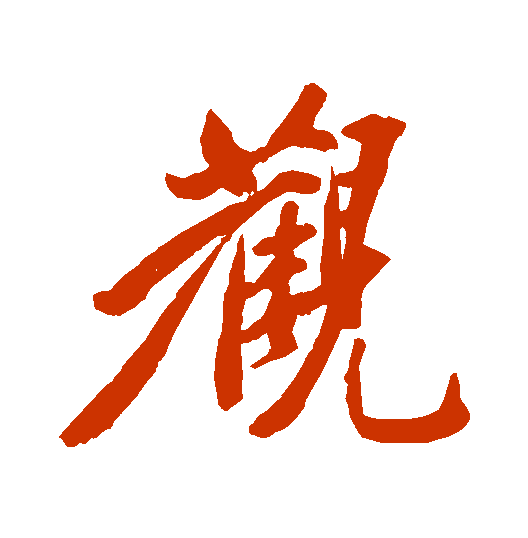
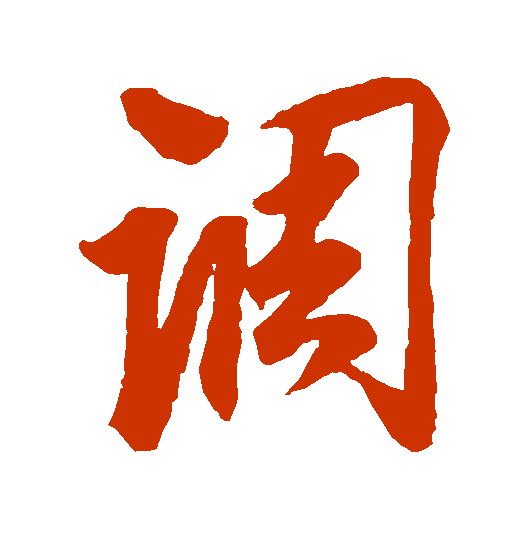
- Understand the cause and be optimistic, and adjust your mood
- Understand the Causes with Clarity, Let the Mind Adjust Naturally
- Writing Tips:
- Recognizing the underlying causes can help alleviate internal anxiety. When writing "Understanding the Causes, Being Positive and Optimistic, and Self-Regulating the Mind," one should maintain steady and smooth strokes. This practice aims to enhance psychological adaptability and improve emotional flexibility.






○ Causes and risk factors of cyclothymic disorder: drawing guidance suggestions
This course uses drawings to help students understand the common causes and risk factors of cyclothymic disorder.Genetic susceptibility, neurobiological differences, personality traits, and environmental stressThrough visualization, the balance between risk and protection can be presented more intuitively.
1. Cause Tree Diagram
- Draw a tree: roots = genetic and neurological factors, trunk = personality and emotional regulation patterns, branches = life environment and stressful events.
- On the branches and leaves, write down triggers that are relevant to you (e.g., work stress, family conflict).
- Write a reminder next to the tree: "There are many causes, it's not the fault of one individual."
2. Balance of Risk and Protection
- Draw a scale: left side = risk factors (lack of sleep, substance abuse, chronic stress), right side = protective factors (regular sleep schedule, healthy relationships, professional support).
- Write the factors that already exist in your life on both sides of the scale.
- Observe which side is heavier and write the tip below: "Increase protection, reduce risk."
3. Trigger Chain Diagram
- Draw a chain: external event (e.g., stress/conflict) → internal reaction (mood swings/insomnia) → behavioral consequence (hypomanic/hypodepressive episode).
- Draw a fork at the end of the chain: write "Risk Cycle" on one side and "Intervention Point" on the other.
- Write a reminder next to the intervention point: "Identify and break the chain."
4. Review and Summary (three lines)
Please write in the blank space on your drawing:
- One key factor I identified in the “Cause Tree” is: ______
- The one protective factor I would most like to strengthen in my Balance Chart is: ______
- The step I most want to interrupt in advance in the "trigger chain diagram" is: ______
Friendly reminder: The causes and risk factors of cyclothymic disorder are multifaceted. Drawing can help clarify and enhance awareness, but it cannot replace medical or psychological diagnosis and treatment. If you experience frequent mood swings or functional impairment, please seek professional support promptly.
Please log in before submitting your drawings and feelings.
○ 1223. Causes and Risk Factors of Cyclic Mood Disorders: Journal-Guided Suggestions
① Family clues: Write down what you know about your family’s psychological or emotional history.
② Environmental factors: Record the most significant stress or changes in the past three months.
③ Intrinsic motivation: Reflect on your common thinking patterns, such as self-blame and the pursuit of perfection.
④ Life rhythm: Write down the most unstable one among sleep, diet, and exercise.
⑤ Risk warning: Think about how you can detect and warn in advance when these factors are combined.
⑥ Conclusion: Recognizing the cause is not about blaming others, but about finding the direction of understanding and repair.
Please log in to use.
Through this course, you will be able to better understand the causes and risk factors of cyclothymic disorder, and learn how to regulate emotions through Eastern healing methods such as tea drinking, diet therapy, and calligraphy, helping yourself and others better manage emotional fluctuations.
 EN
EN  ZH
ZH  ES
ES  FR
FR  JA
JA