

Lesson 1204: The Triggering Mechanism of Sleep Deprivation on Hypomanic Episodes
Duration:75 minutes
Topic Introduction (Overview):
Sleep deprivation is one of the most common and easily overlooked triggers for hypomanic episodes in bipolar II disorder. Many people mistakenly believe that hypomanic episodes "happily occur," but clinically, most hypomanic episodes are preceded by warning signs 3-5 days in advance, and these signs are almost always related to sleep quality—not complete lack of sleep, but rather fragmented, shallow, delayed sleep, or an excited state that prevents the brain from entering a deep rest. This course will use observable and recordable methods to break down how sleep deprivation gradually pushes emotions, energy, self-control, and judgment toward a hypomanic state, and help participants understand that this is not a matter of willpower, but rather a cumulative overload of the nervous system.
We will break down the process from five perspectives: "physiological mechanisms," "cognitive priming," "emotional amplification effect," "increased social activity," and "impulsive behavior." We will also introduce how to gradually stabilize the nervous system and shorten the vicious cycle of excitement and fatigue through methods such as black tea rhythms, porridge to stabilize blood sugar, practicing ancient Roman calligraphy before bed, and mandala viewing. You will see that hypomania doesn't suddenly erupt from a certain moment, but rather begins with your first all-nighter, your first shortened sleep, and your first time remaining excited in the early morning. The earlier you recognize it, the gentler the repair will be.
▲ AI Interaction: Where do your "sleep deprivation signals" appear?
Many people ignore the same signals before hypomania begins: feeling tired despite sleeping little, having a bright mind in the early morning, and still feeling energetic the next day.
- ① Write down the 3 sleep disturbances (delayed falling asleep, waking up at night, waking up early) that you remember most clearly in the last 7 days.
- ② Describe your physical and mental state at the time (excitement, restlessness, wanting to talk, quick thinking, increased/decreased appetite).
- ③ Consider whether these states appear in the early stages of hypothermia: “brighter than usual,” “darer than usual,” “faster than usual.”
Click the button below to work with AI to analyze the potential connection between these sleep events and the hyporhythmic cycle, and develop a feasible "sleep deceleration ritual": including light, sound, tea time, writing time, screen switching, etc.
Sleep is the earliest warning sign and also the earliest area that can be repaired.
○ Sleep Deprivation and Neurological Stabilization: Music Guidance
Play a very slow-paced, simple instrumental piece and define it as "nighttime shutdown music".
Let the entire piece of music be a process of returning to your body from a state of high arousal: do light stretches for the first third, and sit still, close your eyes, and take deep breaths for the last third.
The simpler the music, the more you can hear your own "sense of speed"—when you find your heartbeat is much faster than the music, that's the early warning sign of hypothermia.
Chinese Tea Therapy: Black Tea (Stabilizes circadian rhythms, rather than stimulating nerves)
remind:Black tea is suitable for "dividing time" during the day, but not for drinking at night.
Drinking a cup of lightly brewed black tea at 10:00 or 15:00 during the day is not to boost alertness, but to set a time anchor for the brain: it is a time of moderate activity, not over-excitement, nor complete fatigue. A consistent tea-drinking rhythm can reduce disruption to the circadian rhythm and prevent sleep deprivation from worsening.
○ Chinese Food Therapy: Yam and Lotus Seed Night Porridge
Yam and lotus seeds have calming, yin-nourishing, and nerve-stabilizing effects, making them ideal for recovery after sleep deprivation. When sleep is insufficient, blood sugar levels fluctuate significantly, easily leading to mood swings. A bowl of warm, mild-tasting yam and lotus seed porridge can provide stable energy in the evening, allowing the body to gradually recover from an excited state.
It is recommended to consume this product 2 hours before bedtime, focusing on "light and stabilizing" to avoid burdening the stomach. For those in the early stages of hypothermia, this is a way to "gently press the pause button."
Healing Recipes
/home2/lzxwhemy/public_html/arttao_org/wp-content/uploads/cookbook/zhou-shan-yao-lian-zi-14(Alternatively, you could try relaxed="1" or use an existing filename.)Psychological Mandala · Mi Xiangwen 1204 · The Nerve Reflection After Staying Up All Night
Imagine a mandala: the outer circle is painted a bright gold, like the brain being burned by bright light after a sleepless night; the middle circle gradually turns into a pale silver, symbolizing a clear but too fast consciousness; the inner circle has only a faint gray-blue halo, like the body still pleading for rest deep inside.
There's no need to "correct colors" or "fill in the blanks." Just observe. Observe how the light gradually calms from the outside in, observe how your breath softens the colors. A mandala isn't about drawing something; it's about observing—observing how sleep deprivation changes your pace, and observing how you slow yourself down.
Ancient Roman script - Nighttime slow-down practice
Ancient Roman script is stable, upright, and clearly spaced, making it ideal for slowing down during periods of "over-excitement at night." Each letter is like a solid brick, slowing down the racing brain.
- Sentence 1:Slow mind, safe night.
- Sentence 2:Rest is protection.
- Practice Tips:Write each stroke slower and straighter than usual, maintaining consistent spacing between letters. As you write more steadily, you'll feel your breathing slow down. This is your body telling you that you're moving back from the brink of restlessness.
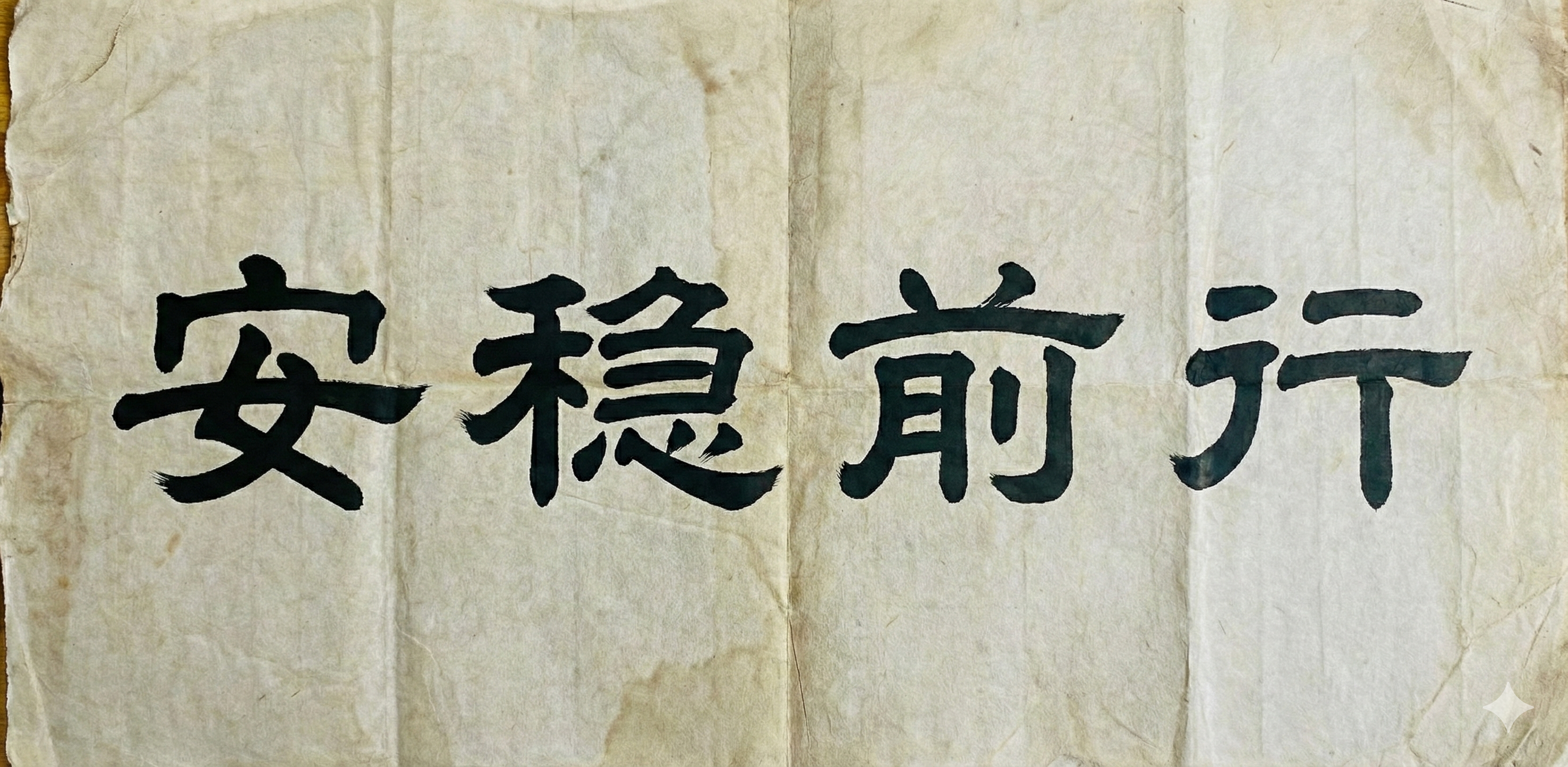
○ The triggering mechanism of sleep deprivation for hypomanic episodes: drawing guidance suggestions
These drawing exercises can help you transform the process of "sleep deprivation-induced hypothermia" from an abstract concept into visible lines, making it easier for you to identify and intervene in advance.
I. Sleep Deprivation Spiral (Cyclic Structure)
- Draw a spiral from the outside in, and write a state on each spiral: Not enough sleep → Faster thinking → Increased excitement → Even less desire to sleep → Even more excited the next day.
- Darken the colors of the parts you actually experienced to create a "personal layer".
- Write in the middle: "Intervention can begin here." Let yourself see that restlessness is not unstoppable.
II. Sleep Quality Line Chart (Comparison Method)
- Draw two broken lines: the first line represents sleep duration, and the second line represents daytime alertness.
- If you overlay the two lines, you will see a clear inverse trend.
- Write a small label at the intersection of the zigzag lines: "Slightly noisy start point". This will make it easier for you to identify the yellow light.
III. Nighttime Brain Brightness Map (Dominant vs. Latent Comparison)
- Draw a monochrome outline of the brain and divide it into three sections: thinking speed, physical fatigue, and emotional stability.
- The "brightness" of each block is represented by color density; the worse the sleep, the higher the brightness.
- Draw a second outline on the right side of the image, imagine the brightness "after you've had enough sleep," and feel the difference.
Drawing is not for precise analysis, but to let you see with your own eyes: the changes brought about by sleep deprivation are not "overthinking," but physiological processes that can be clearly recorded.
Please log in before submitting your drawings and feelings.
○ 1204. The triggering mechanism of sleep deprivation for hypomanic episodes: Journal-guided suggestions
① Write down what happened on the two days in the past 10 days when your sleep was most disordered (time, emotions, physical condition).
② Record whether early signs of restlessness, such as "a feeling of brightness," "wanting to talk," or "wanting to start a new project," appear.
③ Write down three impulsive things you did during these days, no matter how small.
④ Reflection: Which triggers are controllable? What is the first point you can adjust?
⑤ End today's entry with a short, ancient Roman-style phrase: "I return to rest." or "Night protects me."“
Please log in to use.
Sleep is the gentlest yet most crucial protective layer in the biphasic rhythm. The earlier you can recognize the signs of sleep deprivation, the better you can slow down before hypomania truly sets in.
 EN
EN  ZH
ZH  ES
ES  FR
FR  JA
JA